
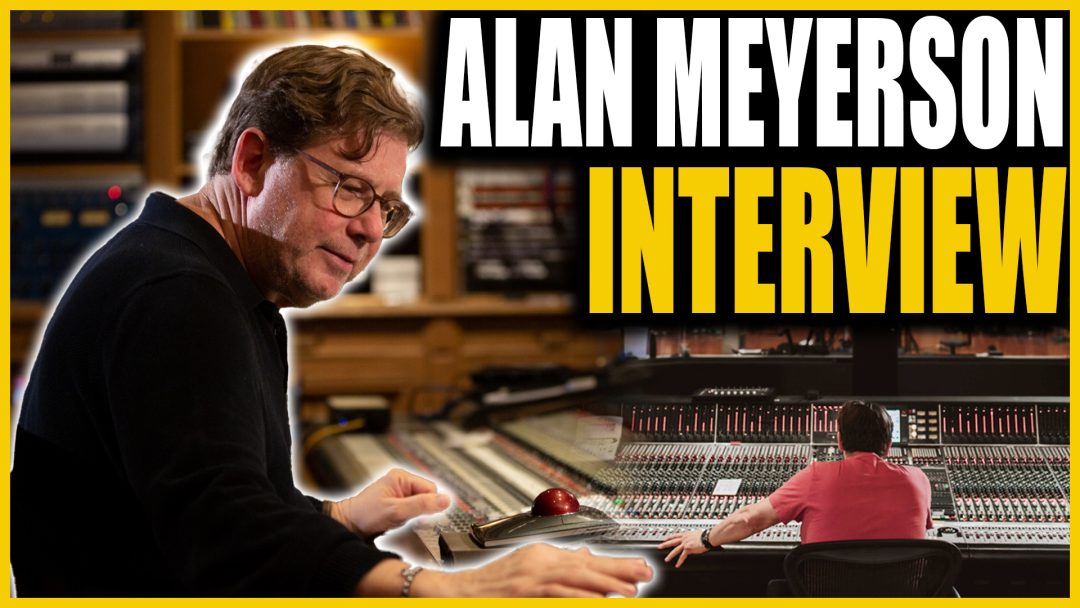

There’s something quietly seismic about talking to Alan Meyerson. He won’t let you call him a legend, though every resume line screams otherwise. With over 300 film credits to his name and a legacy that stretches from Etta James to The Dark Knight, Meyerson is one of the most prolific and influential scoring mixers in the world. Yet, sit down with him for a chat and you’ll hear less about career milestones and more about learning curves, self-doubt, and the elusive art of letting go in the mix.
I had the immense privilege of interviewing Alan recently, and what struck me most wasn’t just his technical wisdom. It was his honesty, his humility, and his continued curiosity, even after decades at the top of his game.

“I’m the Worst Mixer Ever”
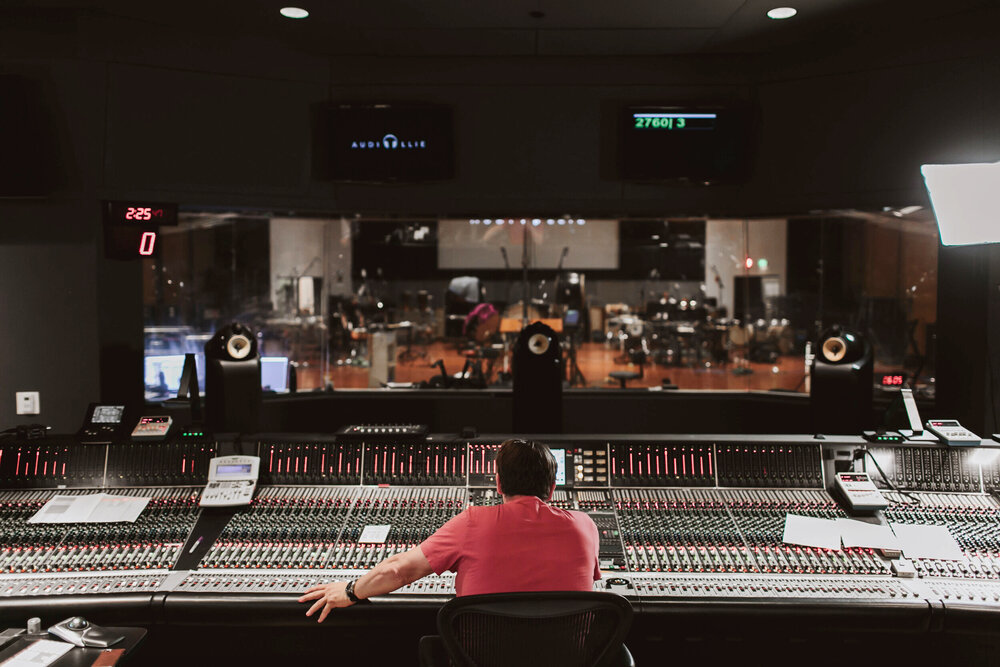
One of the first things Alan said to me was this: “I’m the worst mixer ever. I’ve just been luckier than anyone on the planet.” It wasn’t false modesty. He wasn’t fishing for compliments. This is a man who genuinely grapples with self-worth, who still questions whether he’s any good at what he does.
He told me a story about working on a Bryan Ferry record. Decades after the fact, he joked that he finally understood what it was supposed to sound like. “Okay, I’ll take that,” he laughed, when I nudged him to accept his role in shaping the final sound. It’s this blend of self-deprecating humour and relentless introspection that makes Meyerson such a fascinating figure. For someone who’s mixed everything from Gladiator to Inception, he remains beautifully, brutally human.
The Zen of Mixing
Alan explained that the best mixes come when he’s not trying too hard, when things just happen. He shared a recent story about producing a record for a Russian composer. The task? Capture an “angelic” sound. Despite all his expertise, the first several attempts fell flat. “They just sat there, lifeless,” he said. It wasn’t until he let go of the pressure that the sound came alive.
“Sometimes the worst thing I can do,” he said, “is try to be great.”
He told me about working on a film where the first reel practically mixed itself. No strain, no overthinking. Just instinct and flow. That, he says, is when the real magic happens.

From Mixing to Producing (and Back Again)
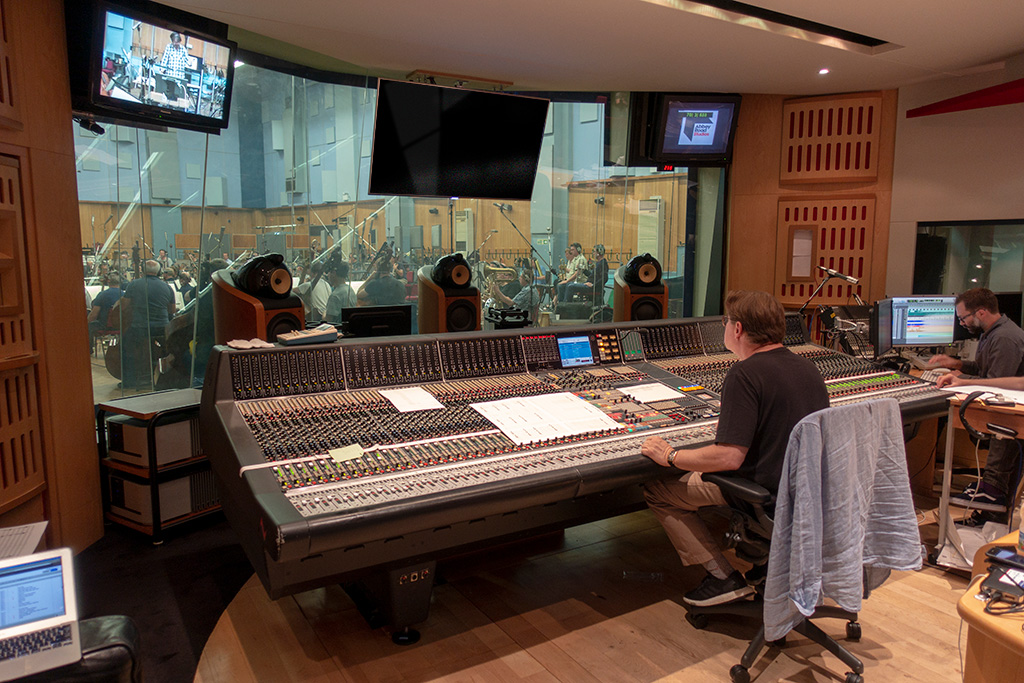
There was a time when Meyerson didn’t like mixing at all. Early on, it felt like a chore, something you had to do after the fun part of recording was done. Plus, he noted, hiring a mixer meant losing precious budget for creative ideas.
Over the years, though, he found his rhythm in mixing, especially when it came to classical and film scores. “There’s freedom in not having to match what you did last time,” he said. “Film music allows for reinvention.” And that, it turns out, suits him perfectly.
The Zimmer Connection and the Art of Collaboration
Of course, no conversation about Meyerson is complete without mentioning Hans Zimmer. Their working relationship is long-standing, creatively rich, and still going strong. Meyerson has been behind the board for many of Zimmer’s defining scores including The Last Samurai, Pirates of the Caribbean, The Dark Knight, Dunkirk, Man of Steel, and many more.
Working with composers like Zimmer, James Newton Howard, John Powell, and Danny Elfman has taught him the subtlety of collaboration. His job isn’t just to make things louder, wider, or more impressive. It’s to serve the composer’s vision, often by making micro-adjustments with macro impact.
One moment he recalled with particular clarity was during Dunkirk, where the boundary between sound design and score was practically non-existent. “I’d spend an hour balancing a whoosh,” he said. “That’s the kind of detail you don’t always see, but you feel it when it’s right.”

Remote Control and the Evolving Studio
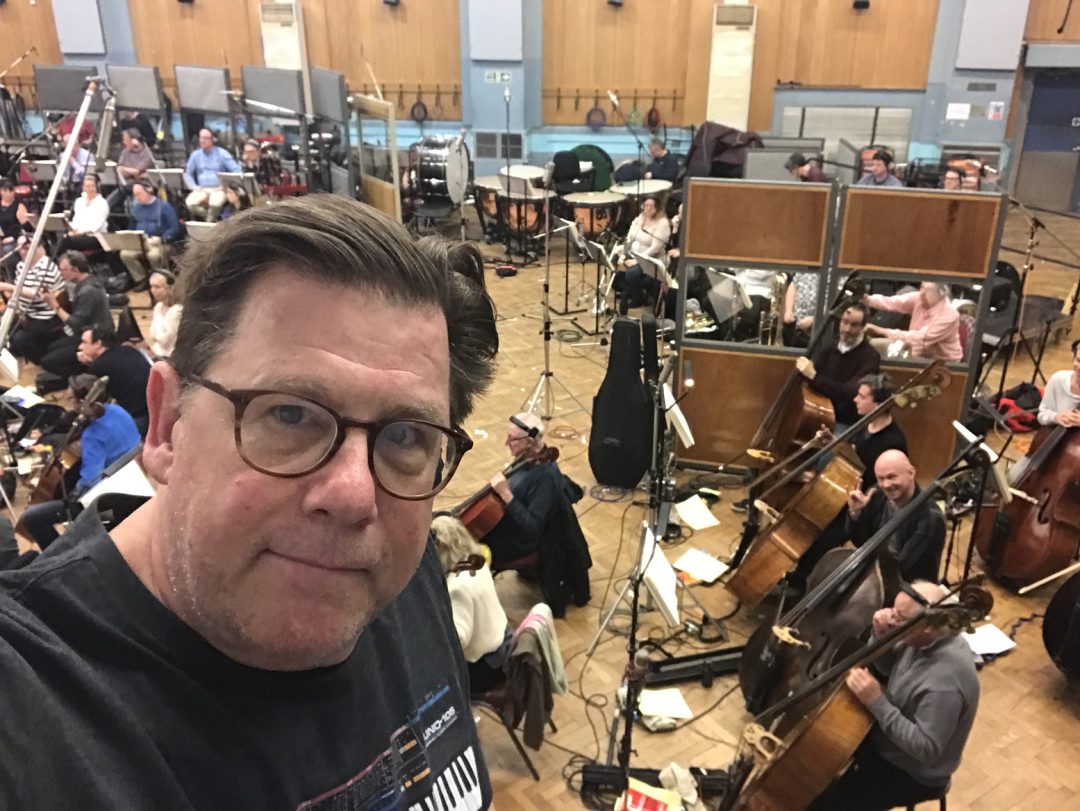
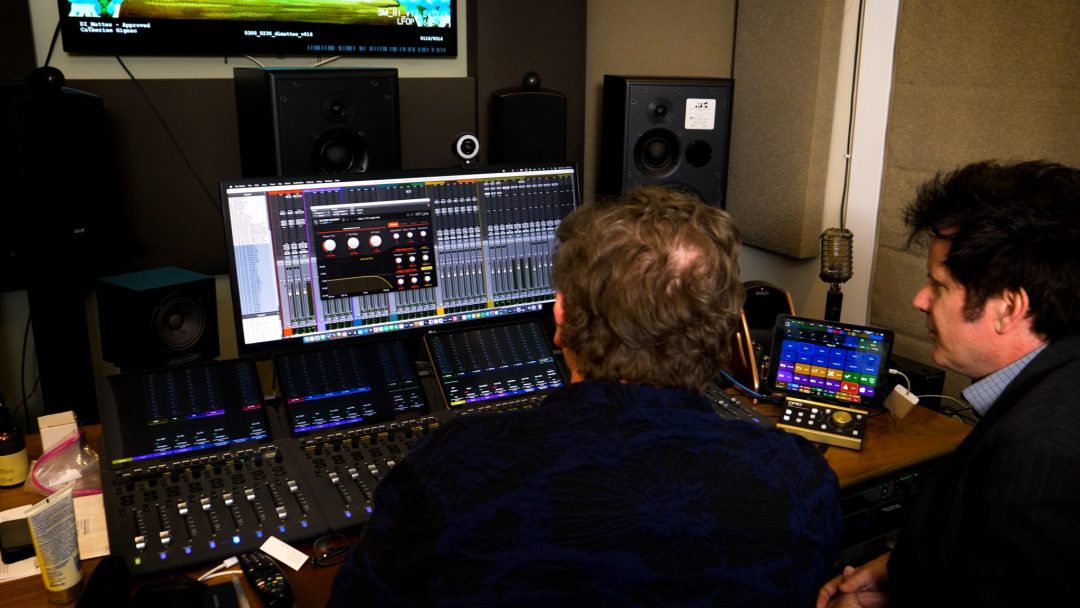
These days, Alan’s home base is at Hans Zimmer’s Remote Control Productions in Santa Monica. His mix room features a Euphonix System 5 digital console, ATC monitors, a stack of Pro Tools rigs, and a shrinking collection of analogue gear. “It decreases every year,” he smiled.
Despite the tech-forward setup, Alan is quick to remind me that great sound isn’t about gear. It’s about ears, taste, and intent. He’s even a bit wary of today’s template culture. “I see a lot of young mixers using templates because they’re trying to replicate what worked for someone else,” he said. “But music’s not a formula. You’ve got to care about the why behind every choice.”
Mentorship and the Next Generation
Alan lights up when we talk about teaching. “I’ve had the College of Engineering right here,” he says, referring to the many assistants who’ve gone on to build impressive careers of their own. He’s deeply proud of their growth and quietly critical of an industry that often chases fast success over real learning.
His advice? Focus less on what plug-ins you’re using and more on what you’re hearing. Fall in love with the process. Don’t be afraid to struggle. “Caring is the first skill,” he told me. “Everything else you can learn.”

Beyond EQ and Compression
One moment that stayed with me was Alan talking about a demo he heard at NAMM, an immersive mix of organic instruments that sounded incredible but supposedly used no EQ or compression. “That’s lovely,” he said, “but it’s not real life.” For him, tools like EQ and compression aren’t shortcuts or crutches. They’re expressive choices.
Every sonic element serves a purpose in his mixes, whether it’s to bring out emotion, support a transition, or simply make something sit better in the room. “A good mix breathes,” he said. “It moves. It’s not just about balance, it’s about story.”
Music That Tells a Story
When I asked about his musical influences, Alan leaned heavily into instrumental music. His love of classical composers runs deep, and it shows in the way he mixes film scores, not as background, but as narrative threads in their own right.
He cited Gladiator as an example of music becoming a character in the film, guiding the emotional arc rather than just underscoring it. That storytelling instinct, combined with his technical mastery, is why his work continues to resonate.
Looking Forward
Alan isn’t slowing down. He’s still working on top-tier projects, still curious, still adapting. But he’s also carving out space for projects that bring him joy. “I want to do more that feels meaningful to me,” he said. That doesn’t mean smaller. It just means personal.
And perhaps that’s the most inspiring part of his story. A man at the top of his profession, still listening, still learning, still chasing the magic in every mix.

Final Thoughts
Alan Meyerson’s journey is more than a career. It’s a masterclass in persistence, humility, and passion. Whether you’re an aspiring mixer, a film music enthusiast, or someone who simply loves sound, his story reminds us that greatness isn’t just about accolades. It’s about caring, evolving, and never losing your sense of wonder.
So next time you’re swept away by the score of a blockbuster film, remember. Behind that swell of strings or that thunderous low-end pulse, there’s probably a touch of Meyerson magic, quietly, perfectly, doing its job.