
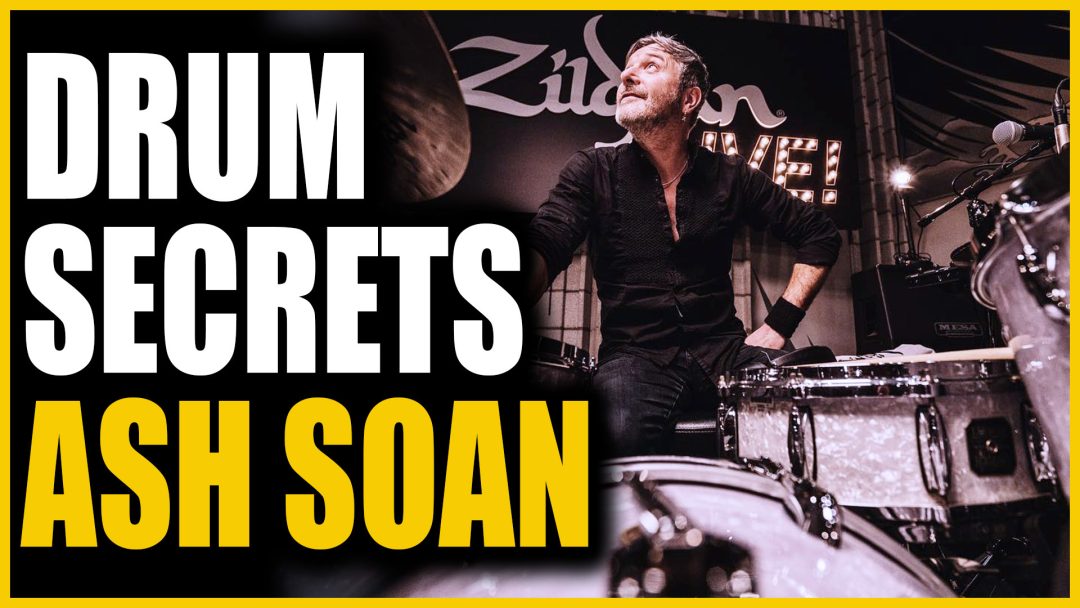

Download Ash Soan’s Drum Grooves Here
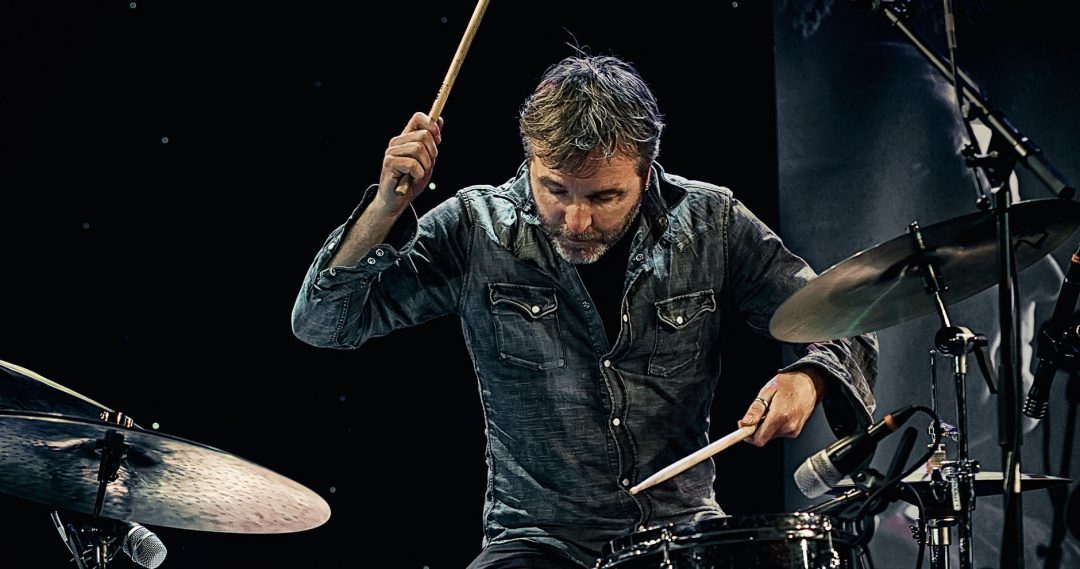
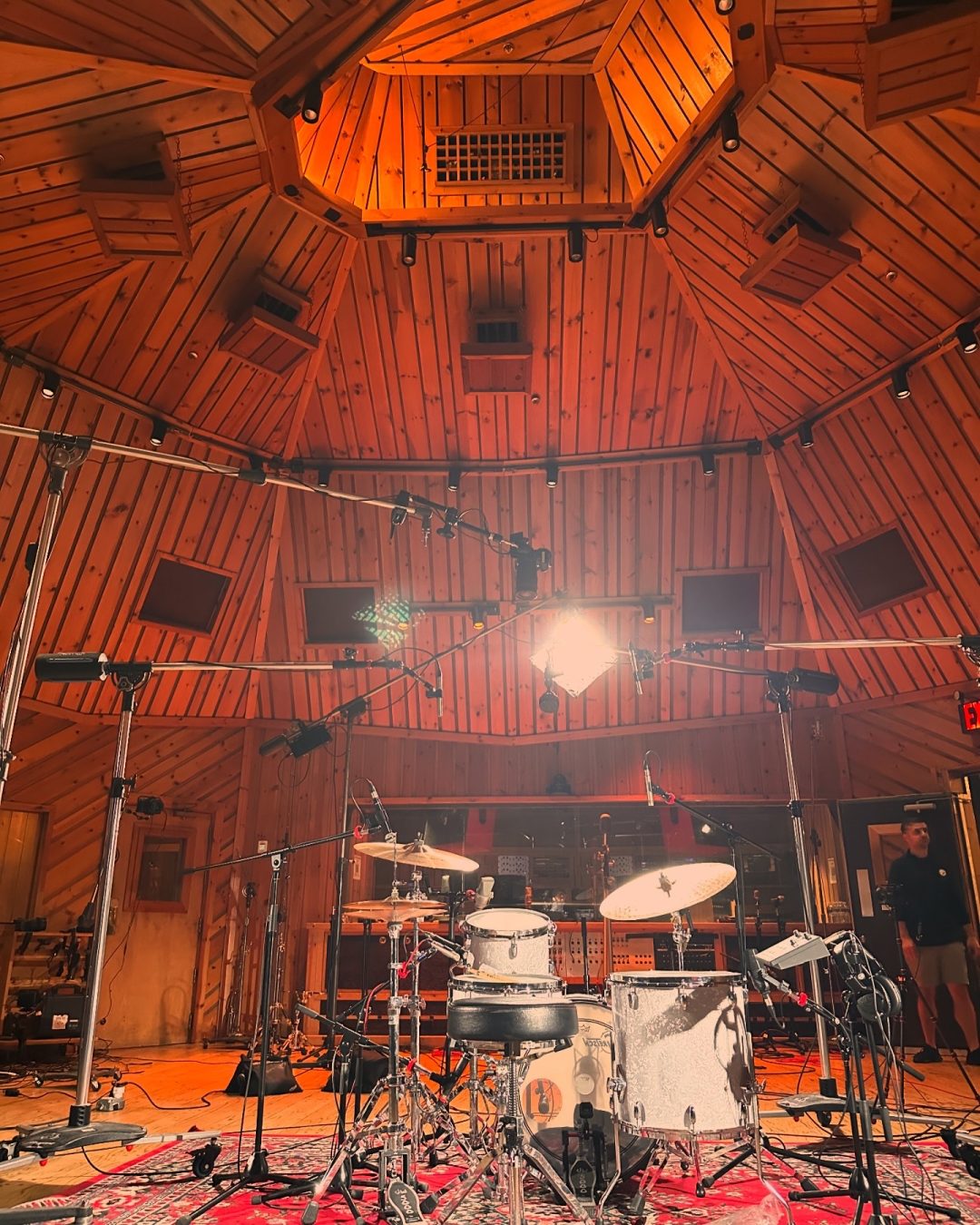
Tucked away in the serene countryside of Norfolk, Ash Soan’s Windmill Studio feels less like a studio and more like a sacred space for drums. In a special session that seamlessly blended a performance with an extended, free-flowing conversation, Ash opened up his creative sanctuary and his encyclopedic musical mind, sharing stories that ranged from Bernard Purdie’s legendary shuffle feel to the nuanced art of making a snare sing.

The Sound of Experience
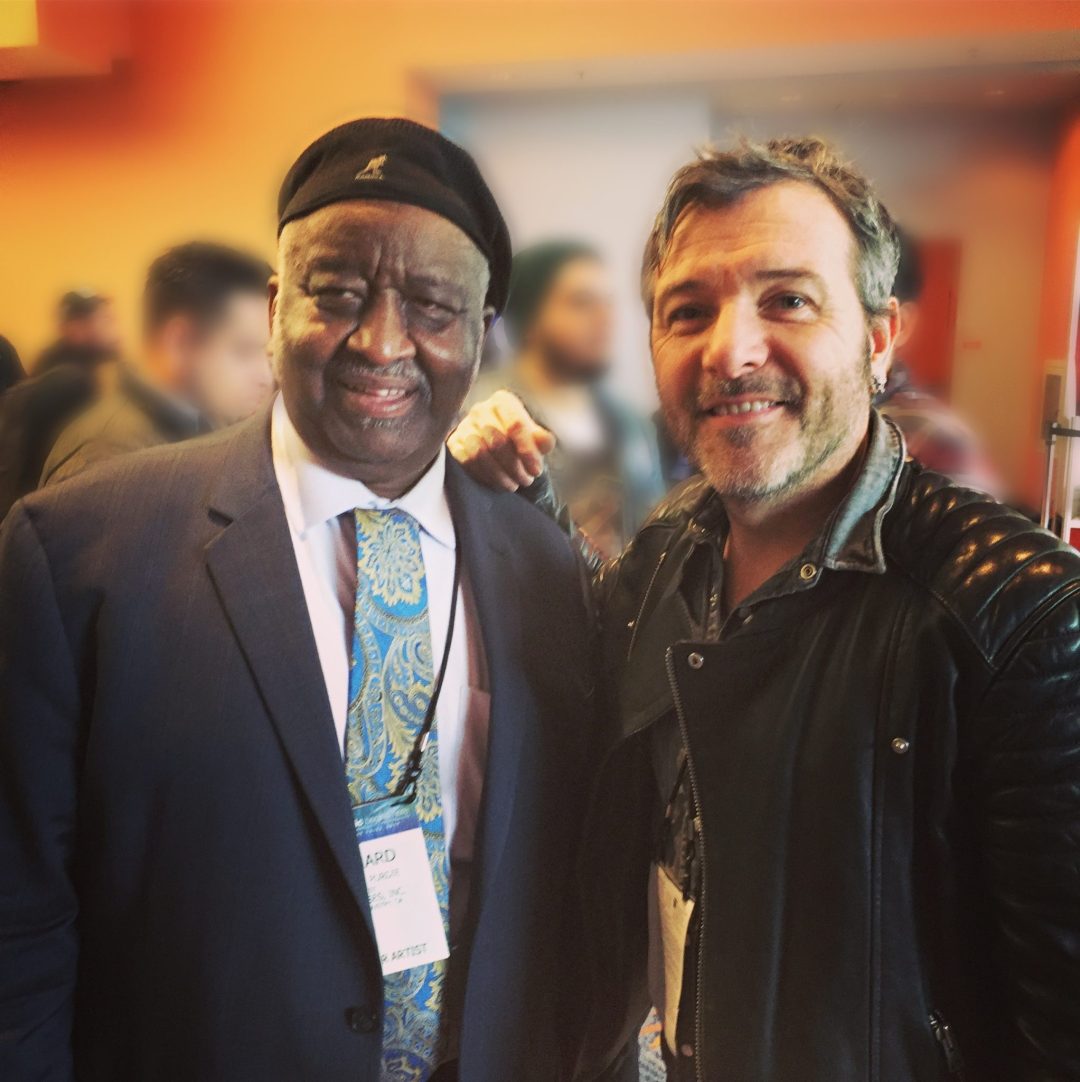
With over 30 years in the business and credits ranging from Adele and Robbie Williams to Trevor Horn and Tori Amos, Ash is a rare breed: a session drummer who continues to thrive in a business that has both transformed and remained oddly unchanged. I mentioned during our conversation that “the business is completely different and exactly the same,” a thought Ash immediately agreed with. He added, “There might be a million plug-ins now, but the same basic truth remains: if it doesn’t feel right, it isn’t right.”
Ash’s secret? Musicality, discipline, and an unwavering sense of internal balance. “Being together within yourself,” he explains, is what separates a good performance from a great one. It’s not just about hitting the drums. It’s about when, how, and why you do.

Bernard, Gadd, and the Code of the Shuffle
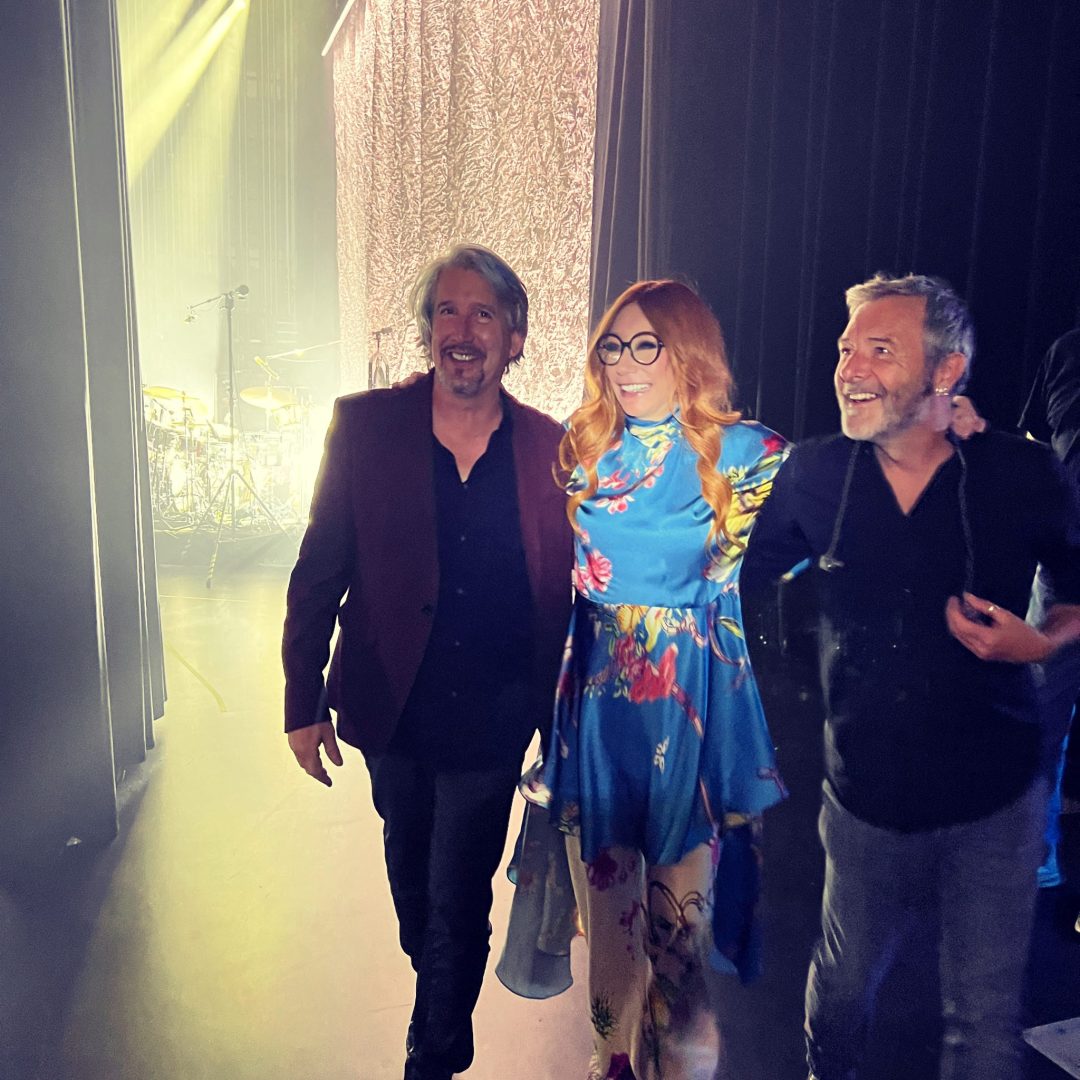
One of the standout moments in the conversation was Ash’s recounting of a one-on-one lesson with Bernard Purdie. “He said, ‘You play on the one. I play on the three,’” Ash laughs. “I didn’t understand what he meant at first, but after an hour, it clicked.” What Purdie was really describing was a feel rooted in phrasing, treating the groove as a two-bar cycle and leaving space, creating what would become the blueprint for the iconic half-time shuffle. The backbeat becomes a narrative, not just a pulse.
And then there’s Steve Gadd. “I’ve got Gadd’s signature on some of these cymbals,” Ash casually mentions, referring to the few mainstay pieces in his vast collection. Despite owning thousands of snares and cymbals, he sticks with a select few. “Gadd’s got a bag of five or six cymbals. He’s used the same ones for decades. Makes total sense.” Because once you’ve found your voice, why dilute it?

The Supra-Phonic and the Spirit of Versatility
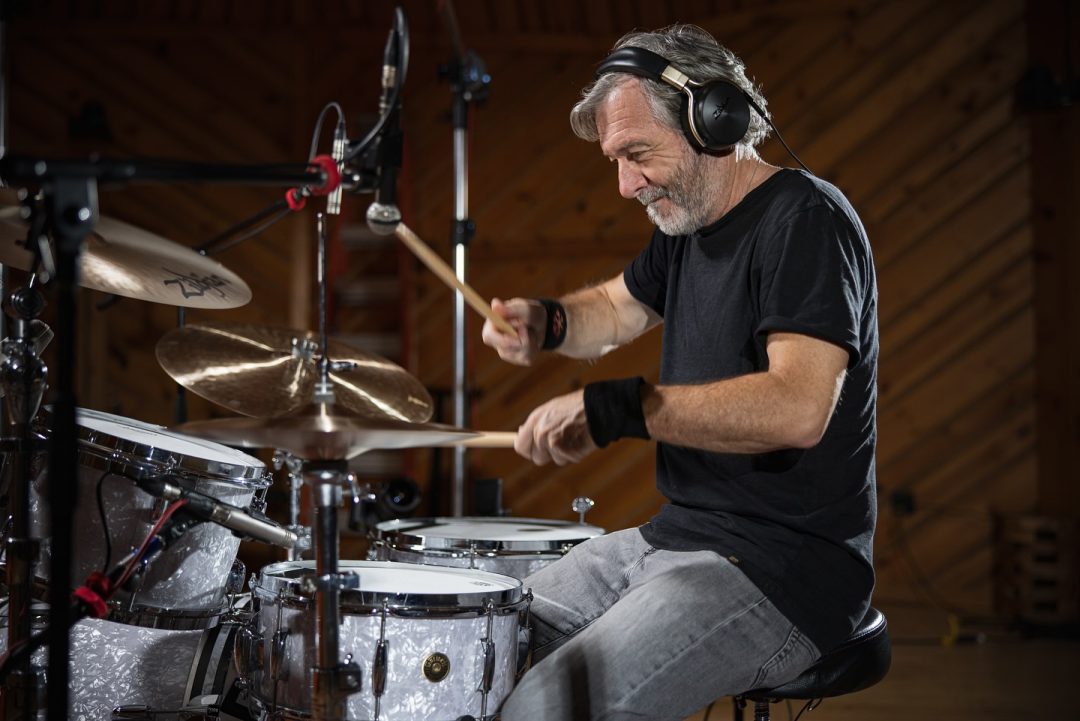
The Ludwig Supraphonic snare gets a lot of love in Ash’s room, and for good reason. It’s a drum that’s featured on everything from Bob Marley and John Bonham records to countless studio sessions worldwide. “It’s ridiculously versatile,” Ash says, “and it remains one of the most versatile and frequently chosen snares in blind tests.”
There’s reverence here not just for drums, but for the stories they tell. A 60s Gretsch Chrome over Brass (COB) with the chrome removed by Dave Mattacks, was used on the Snow Patrol record. Another, a vintage 1950s Max Roach, sings with ghost notes so subtle they’d vanish through aggressive gating. But in the right hands, and the right mix, they shine through like whispers of swing.

Grooves That Live and Breathe
The heart of the session was rhythm,feel, time, the mysterious pull between push and drag. Ash’s thoughts on Bonham, Ringo, and Steve Jordan all reinforce the same point: a groove isn’t just about metronomic precision. It’s about humanity.
“Fall in the Rain,” says Ash, “is a groove that separates the men from the boys.” And he’s right. Playing behind, ahead, or right on top, consistently, isn’t about logic. It’s about feel. “Bonham’s fills never disrupt the groove. That kick and snare relationship never wavers.”
Even something as seemingly simple as a shaker becomes an art form in Ash’s hands. He recalls a lesson from percussionist Luís Jardim. “Just let gravity do the swing.” A small gesture, but one that changes everything.

Studio Stories and Sacred Moments
From being summoned to re-track sessions that fell flat without him to crafting the now-iconic military snare part on Adele’s “Set Fire to the Rain,” Ash’s career is a patchwork of stories where preparation meets presence. And sometimes, as he recounts, the best drums don’t even make the final cut because a demo performance, edited within an inch of its life, had something intangible. Something real.
That blend of effort, trust, and magic is something he shared with Trevor Horn, Steve Lipson, and others from the golden age of British pop production. “Back then,” Ash recalls, “you’d walk into a session, and there’d be two assistants. One making coffee, the other tuning your kit.”
Those days may be mostly gone, but the ethos remains: great music takes great ears, great feel, and great people.

Postscript: The Feel Lives On
Ash’s studio is filled with rare gear, heritage preamps, vintage mics, and one-of-a-kind drums. Yet, it’s not the equipment that makes his sound timeless. It’s the intention.
“I’m still chasing something,” he says near the end of our time together. “I don’t know what it is, but I’m still going.”
He may be one of the most recorded drummers in the UK, but Ash Soan is not standing still. He’s still curious, still experimenting, still learning.
As Bernard Purdie might say, the groove must go on.