
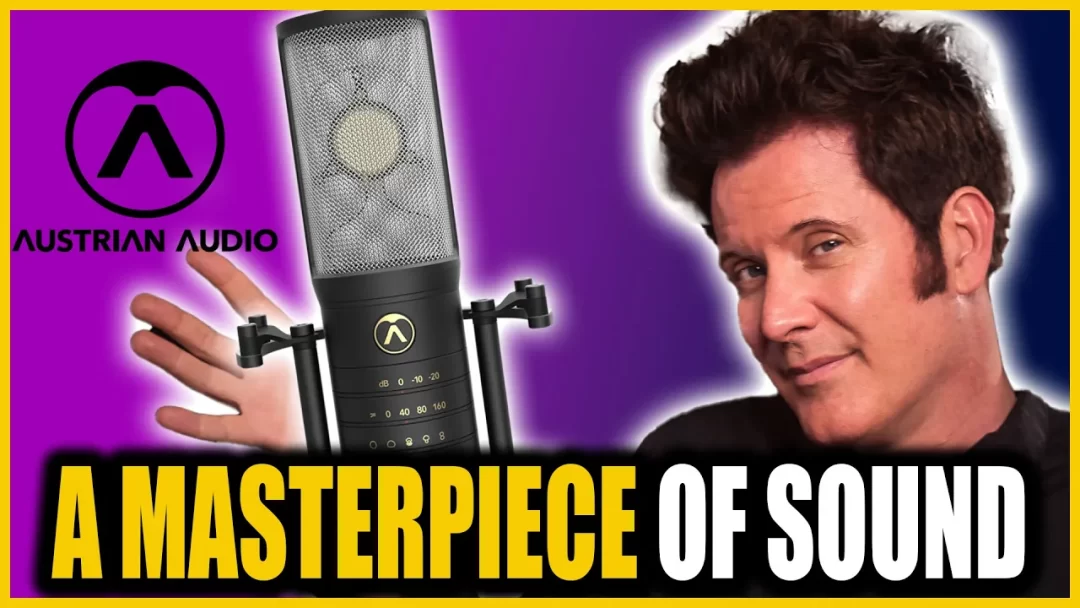

Download The Multitracks: https://producelikeapro.lpages.co/tears-for-fears-head-over-heels-cover-form/
Capturing Head Over Heels with Modern Precision
There are certain songs you approach carefully.
Head Over Heels by Tears for Fears is one of them. Produced by Chris Hughes during the Songs from the Big Chair era, it is a masterclass in arrangement, harmony, and restraint. The interplay between Roland Orzabal and Kurt Smith is architectural. The bass lines are inventive. The harmonic movement is sophisticated without ever feeling academic.
So when we set out to cover it, we wanted to honour the production rather than reinvent it.
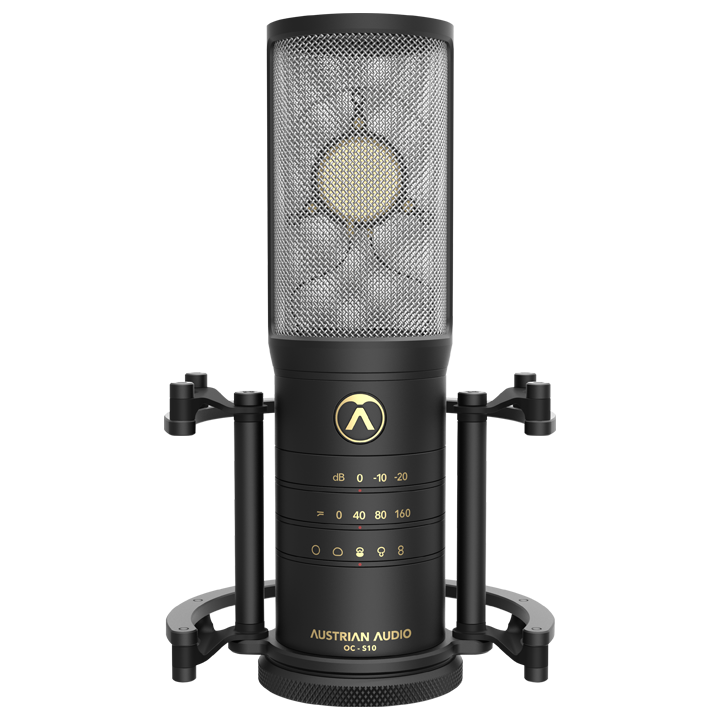
And at the centre of it all was the Austrian Audio OC-S10.

The Session
We assembled a brilliant team:
- Max Kendall from Deco on lead vocals
- David Bennett on keys
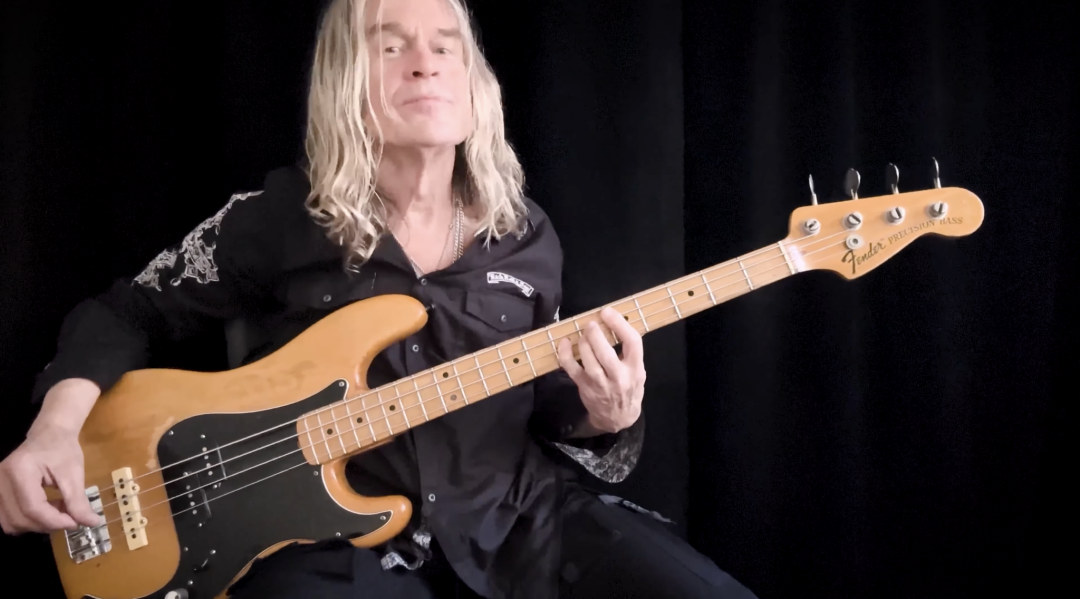
- Tony Franklin on bass
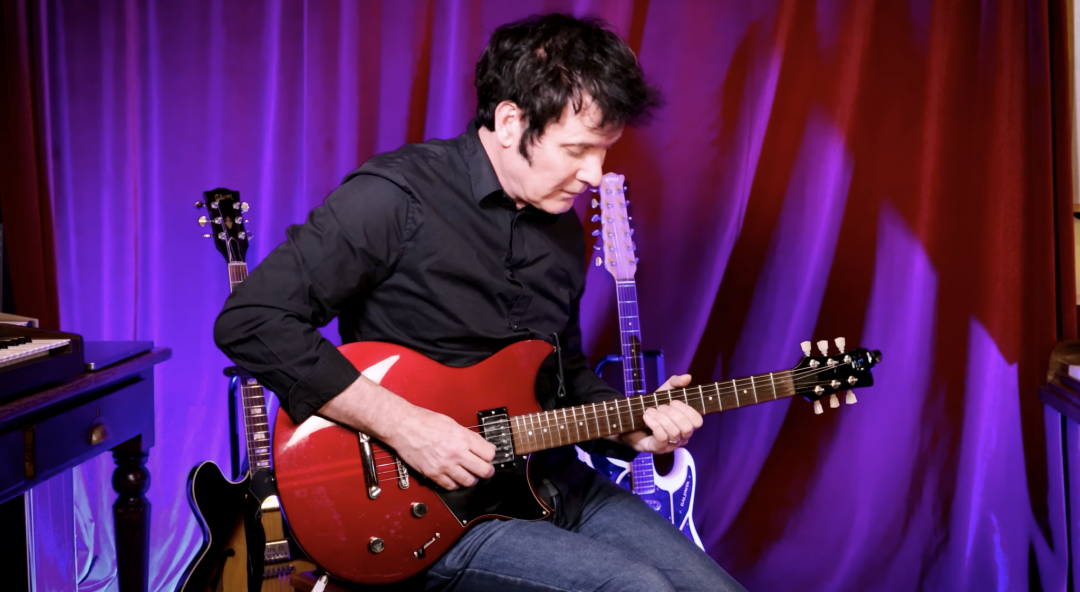
- Guitars and additional vocals by yours truly
Everything vocal and acoustic went through the OC-S10. No safety net. No heavy-handed processing. Just a great song, great players, and a flagship microphone built around Austrian Audio’s highly regarded CKR-12 capsule.
The Capsule: CKR-12 Heritage
The OC-S10 is a premium vehicle for Austrian Audio’s CKR-12 capsule, a modern re-engineering of the legendary CK12 design.
Instead of the original brass surround, the CKR-12 uses a ceramic surround, improving:
- Stability
- Consistency
- Manufacturing precision
However, the sonic character remains beautifully intact. Open top end. Detailed upper mids. A full, dimensional low midrange.
On Max’s vocal, I deliberately kept processing minimal. A touch of EQ. Gentle compression. A de-esser mainly because I knew I might lift some air. When I bypassed everything, the raw file still sounded finished.
That is capsule quality.

Vocals: Honest and Present
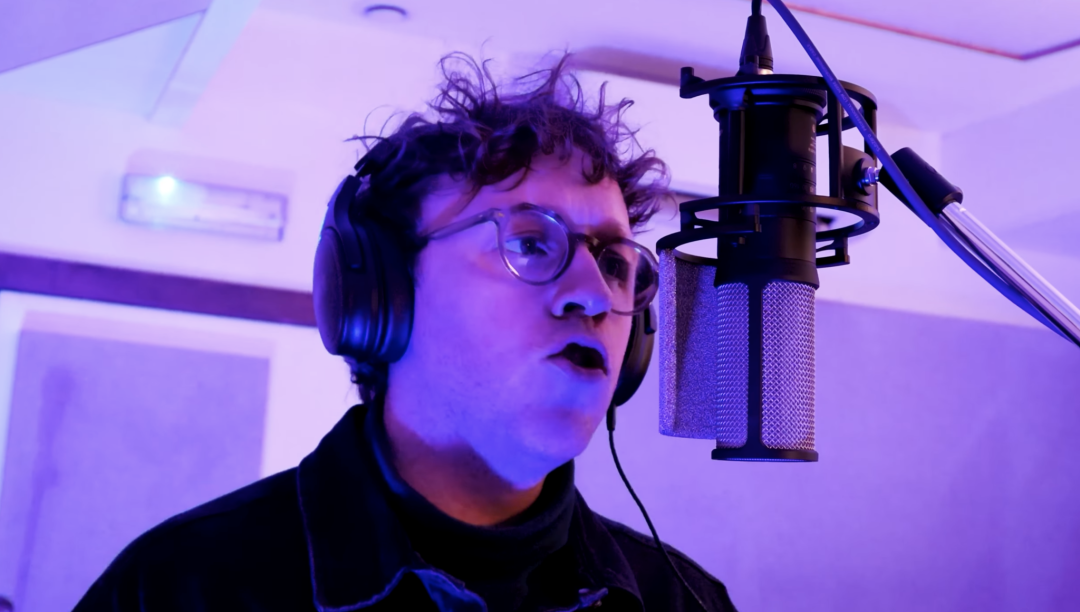
Max sang standing in the room. Some natural ambience. A bit of acoustic guitar body bleeding in.
The OC-S10 captured that space without exaggerating it. The top end felt extended but not hyped. Sibilance was controlled naturally. The vocal sat in front of the arrangement without harshness.
For the choruses:
- One lightly treated lead
- Two untreated doubles, left and right
The width came from performance, not trickery.
Even my enthusiastic gang “la la la” vocals were left completely untreated. The mic told the truth, which in my case was brave of it.

Acoustic Guitars: Zero Processing
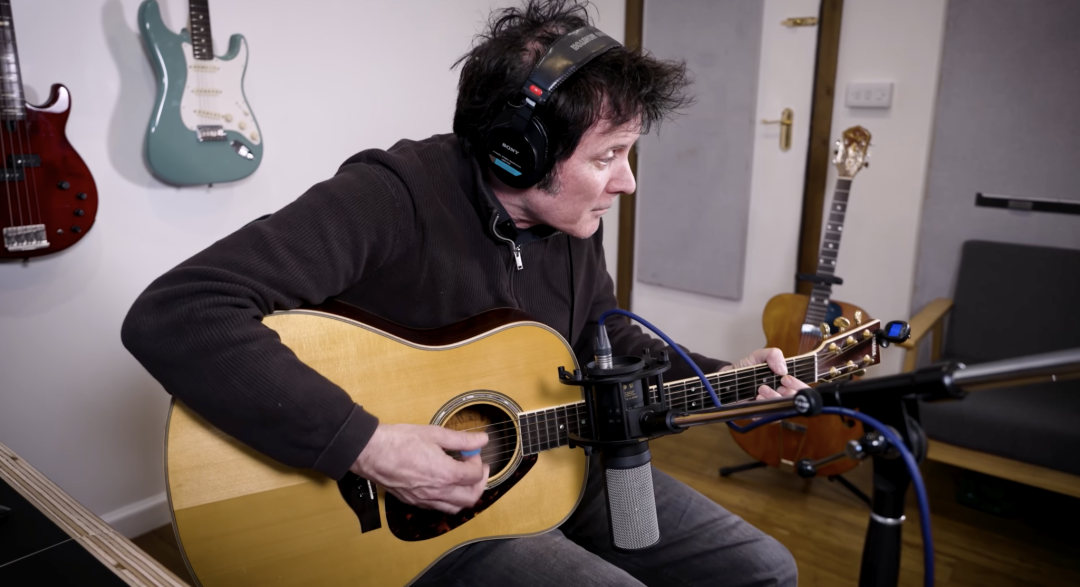
The acoustics were tracked at the 12th to 14th fret.
Two complete takes. No EQ. No compression.
The OC-S10’s open headbasket and generous capsule suspension allow the diaphragm to sit in a large volume of free space, reducing internal reflections and preserving transient clarity. The result was articulate, balanced acoustic tone straight to disk.
That openness is not marketing. You hear it.

The Bass: Inventive and Fearless
The original bass part by Kurt Smith is quietly radical.
The verse moves from A major to C major 7 yet avoids the obvious root movement. Instead, it dances around the vocal phrasing, almost McCartney-like in its independence.
Tony Franklin approached it with:
- A ’75 P-Bass with maple neck
- Brand new strings
- Pick playing
- Tone wide open
- Left-hand muting for tight articulation
He explored the quirky fills, including the offbeat push into the verse and the sliding phrases in the outro that give the track its alternative edge.
That inventiveness is part of what made Tears for Fears so compelling. Great pop songs, yes. However, always with an artsy, slightly subversive depth.

Guitar Approach: Restraint Over Blues
One of the most important production decisions was avoiding heavy blues phrasing.
There are no exaggerated bends or overt vibrato. The original guitar language was modern for its time, clean and architectural rather than blues-driven.
Lead tone was:
- Turbo Rat
- Lazy J amp
- Lexicon-style reverb via UAD
Over the top in isolation. Perfect in context.
The OC-S10 handled both vocal proximity and acoustic articulation without ever feeling congested, even when the arrangement thickened.

Polar Patterns & Control
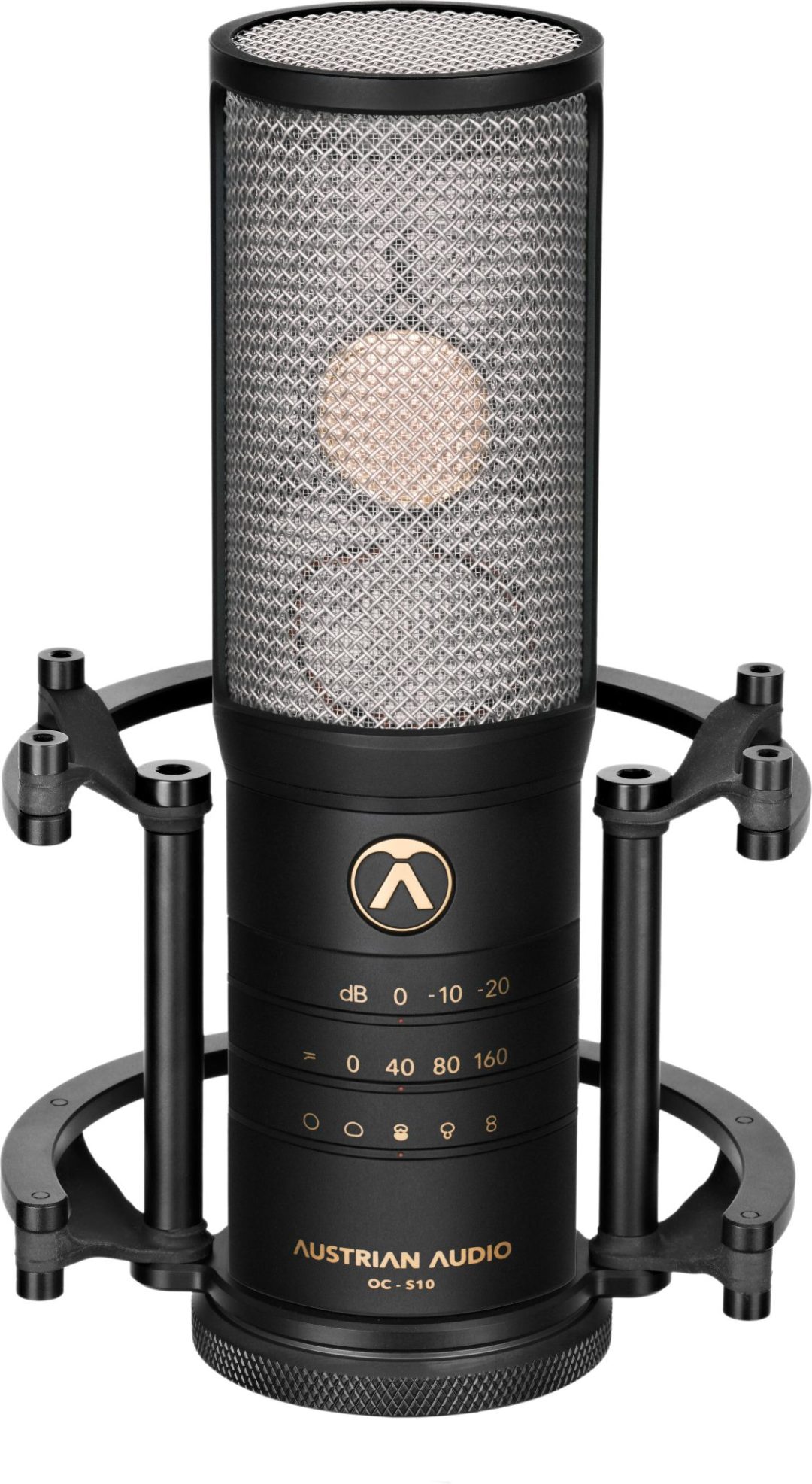
The OC-S10 offers five core patterns:
- Omni
- Subcardioid
- Cardioid
- Hypercardioid
- Figure-8
Plus:
- Pad: 0, −10, −20 dB
- High-pass filter: 0, 40, 80, 160 Hz
Rather than small switches, these are selected using detented control rings that wrap around the mic body. The settings are visible from any angle, front and back, which is genuinely useful in a working studio.

Shockmount: Practical Innovation
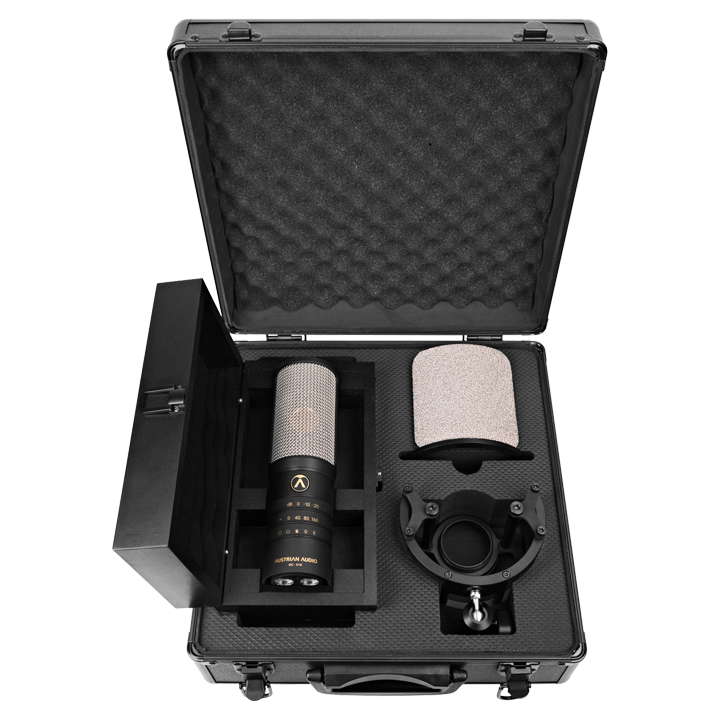
The dedicated shockmount avoids traditional elastic cord.
Instead, it uses Y-shaped rubber suspension elements connecting an inner cradle to a rigid outer frame. This provides isolation in both tension and compression, with minimal droop even when mounted horizontally.
Mechanical noise rejection is exceptional. In real sessions, that matters more than any brochure copy.
Final Thoughts
There are many good microphones available today.
Very few inspire immediate confidence.
The Austrian Audio OC-S10 combines:
- CKR-12 capsule heritage
- Modern solid-state clarity
- Precise polar control
- Exceptional mechanical isolation
- Premium build quality
Most importantly, it allows performances to shine.
On a song as beautifully arranged as Head Over Heels, we did not need to sculpt endlessly. The mic delivered something honest and mix-ready before processing.
Watch the full performance and detailed breakdown above, download the multitracks, and create your own version.
And above all, have a marvellous time recording and mixing.