
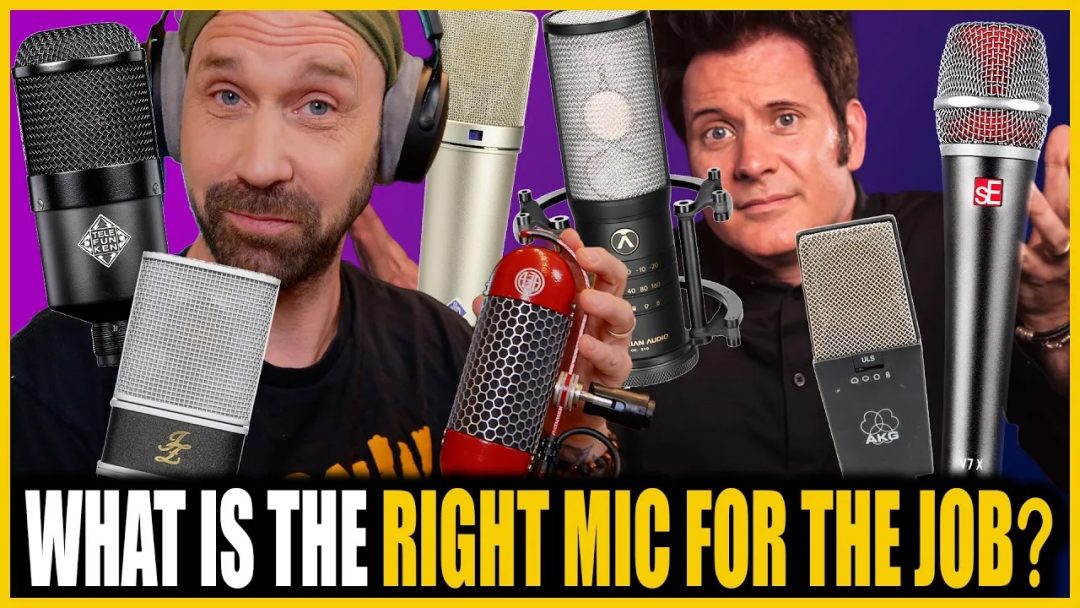

Choosing the right microphone is not always about finding the most expensive mic, the most famous mic or even the microphone that sounds best on its own. It is about choosing the mic that helps the source work within the production.
I recently sat down with producer, mixer and metal recording expert Kristian Kohle to talk about microphones, particularly how mic choices change when recording dense, aggressive music.
Metal is arguably one of the most distorted and densely layered genres. Between heavily driven guitars, fast drums, aggressive vocals and massive bass tones, every instrument is fighting for space. That means microphone choice can become less about capturing a perfectly natural representation of the instrument and more about capturing something that will survive the mix.

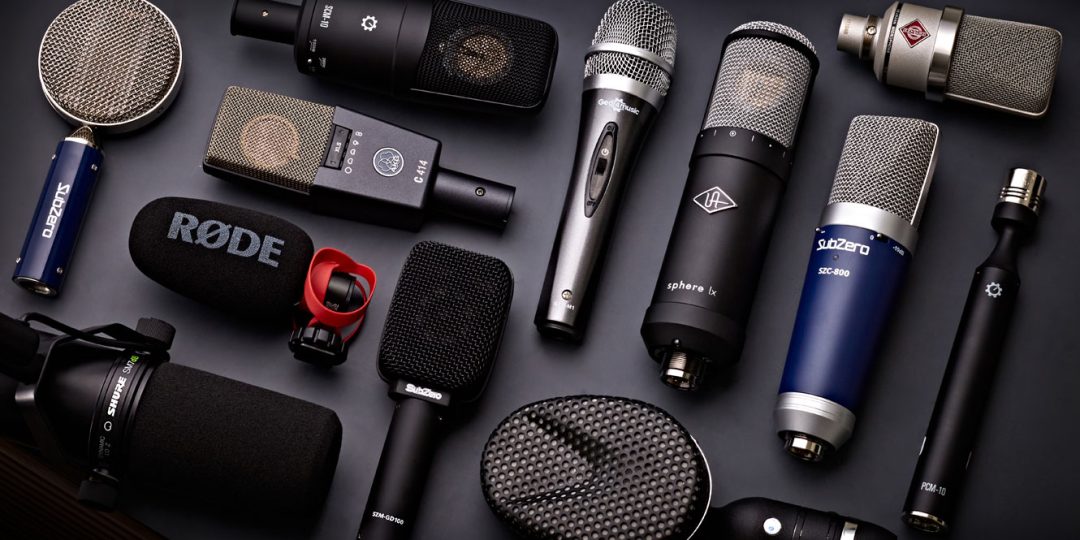
Does Metal Require Different Microphones?
There are certainly microphones that have become associated with particular genres.
One obvious example is the Audix D6. It has become a popular kick-drum microphone in metal because it delivers a huge low end, a pronounced attack and a naturally scooped midrange. In a dense arrangement, that character can help the kick cut through without requiring an enormous amount of processing.
Kristian describes it as one of the most obviously “metal” microphones available.
However, that does not mean every source in a metal production needs to sound brighter, harder and more aggressive.
Some sounds already contain plenty of aggression. Harsh vocals, heavily struck cymbals and distorted guitars may benefit from a smoother, darker or less detailed microphone. Rather than adding even more high-frequency information, the right mic can soften the source and make it easier to control.
That gives us two broad approaches.
One is to choose a microphone that adds the attack, brightness and scoop needed to cut through a dense mix.
The other is to choose a more forgiving microphone that controls a source which is already naturally aggressive.
The correct answer depends entirely on what is standing in front of the microphone.
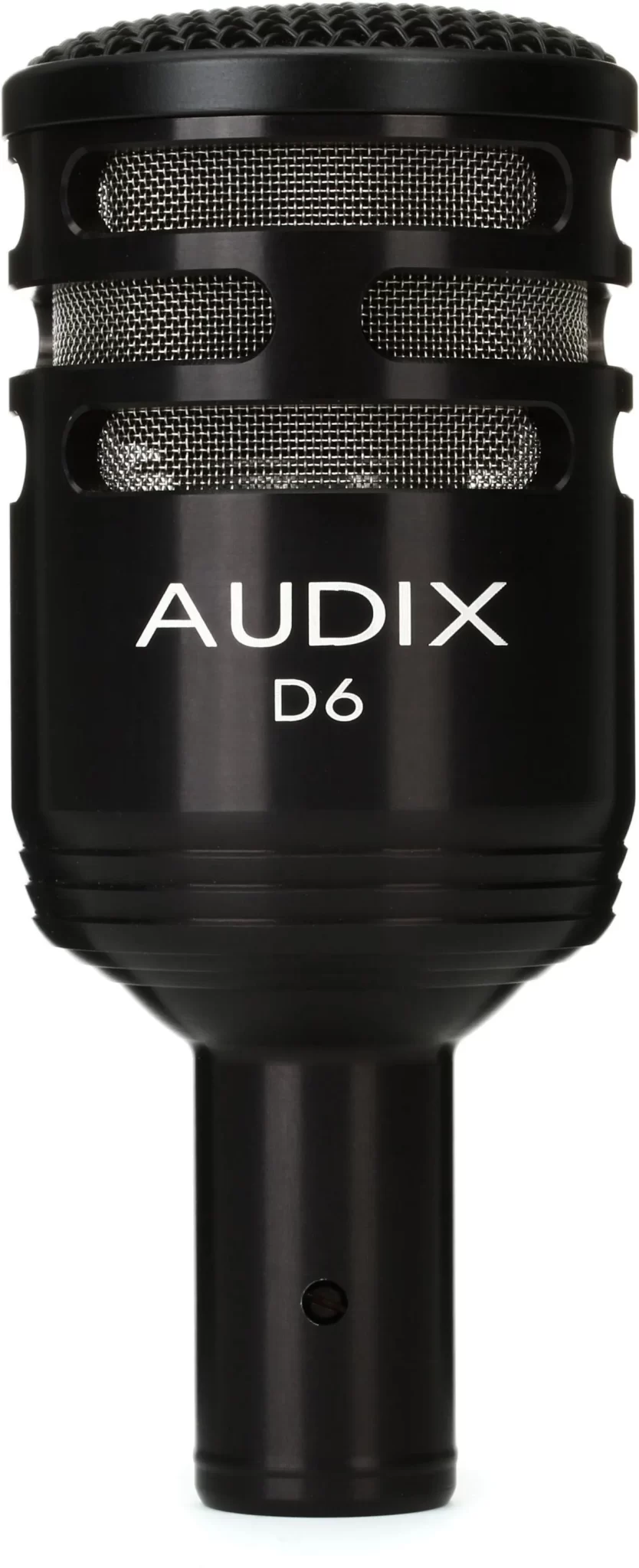

The Audix D6 is highly effective, but it also pushes the sound in a very specific direction. Kristian calls it something of a one-trick pony. That trick is extremely useful, but you need to be certain it is the sound you want.
He recently tried a large-diaphragm Austrian Audio kick microphone that offered a much more neutral starting point. It had a wide frequency response, plenty of detail and enough headroom to handle a loud kick drum. Kristian was then able to shape it into something resembling the D6 with EQ.
That introduces an important decision.
Do you choose a microphone that gives you the finished character immediately, or do you choose a more neutral microphone that can be shaped later?
A neutral microphone offers flexibility, but only when you know how to process it. A strongly voiced microphone can be faster and more dependable, particularly for someone who is still developing their engineering skills.
There is nothing wrong with allowing a microphone to point you in the right direction.

Snare and Tom Microphones
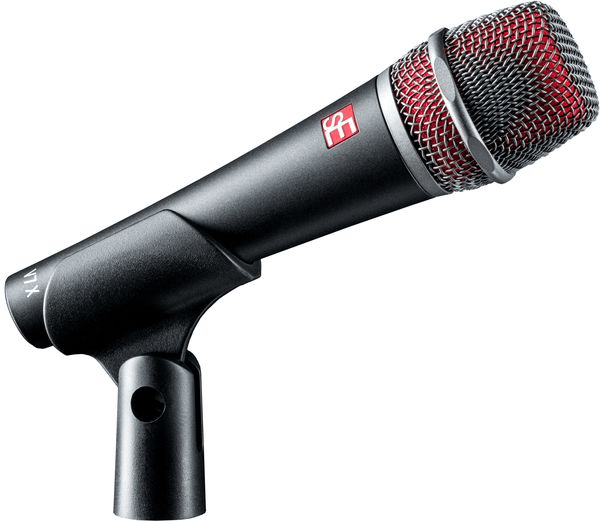
For snare and toms, Kristian has regularly used the sE Electronics V7 X. It occupies similar territory to the familiar Shure SM57, but he describes it as having a more modern, fast and snappy presentation.
More recently, he experimented with a Beyerdynamic clip-on condenser microphone. Compared with the usual dynamic tom mics, it sounded noticeably faster, brighter and more scooped. On large, low-tuned toms, that character produced a surprisingly mix-ready result.
The microphone picked up more cymbal bleed than some hypercardioid alternatives, but the quality of that bleed was less objectionable.
This is an important distinction. Bleed is not automatically a problem. Bad-sounding bleed is the problem.
An MD 421 may deliver an excellent tom sound, but depending on its position, the cymbals bleeding into it can become harsh and difficult to manage. A microphone with slightly less rejection may still be the better choice when its off-axis response sounds smoother.
Modern tools such as intelligent gates and bleed-reduction software also give us more freedom. We should still aim to capture the best possible sound at the source, but today’s processing can make unconventional microphone choices far more practical.

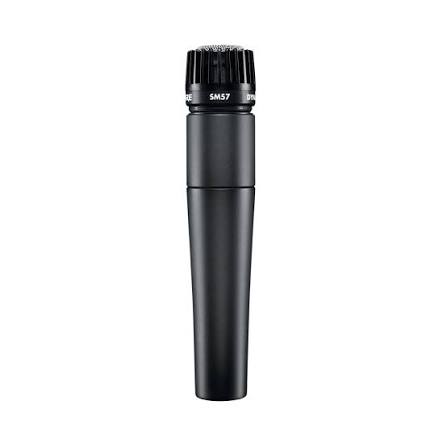
Why the SM57 Remains So Useful
The SM57 is not always the most exciting microphone in isolation. It may not capture the depth and openness of a large-diaphragm condenser on a snare, or the fullness of a ribbon microphone on a guitar cabinet.
What it does provide is familiarity, useful rejection and a sound that is extremely easy to shape.
The best snare sound I have ever sampled came from a U87 positioned slightly back from the drum. One hit contained the crack, body, rattle and air of the entire snare. It sounded enormous.
The problem is that placing a large-diaphragm condenser in that position during a full drum performance would also capture a great deal of the rest of the kit.
Recording is full of compromises. The microphone that gives you the most beautiful isolated sound may not give you the most usable track once the whole band begins playing.
That is why the SM57 remains such a reliable tool. It gives you enough of the drum, rejects a useful amount of everything else and can be manipulated into the sound you need.
Miking Bass Cabinets
Many modern bass productions begin with a clean DI. Engineers can duplicate that signal, preserve one version for the low end and process another through an amplifier, distortion pedal or amp simulator.
Kristian does not mic bass cabinets as often as he once did, but when he does, he is rarely looking to capture the lowest frequencies. The DI already provides those more cleanly.
Instead, he uses the cabinet to capture dirt, midrange, speaker movement and distortion.
He will often treat the bass cabinet like a guitar cabinet, sometimes even running the bass through guitar speakers. A conventional bass cabinet may reproduce too much extended high-frequency information, causing a distorted bass tone to become harsh. A guitar speaker naturally limits some of those frequencies and can make the distortion sit more comfortably in the track.
The microphone choice can then be similar to the microphones used on electric guitar.

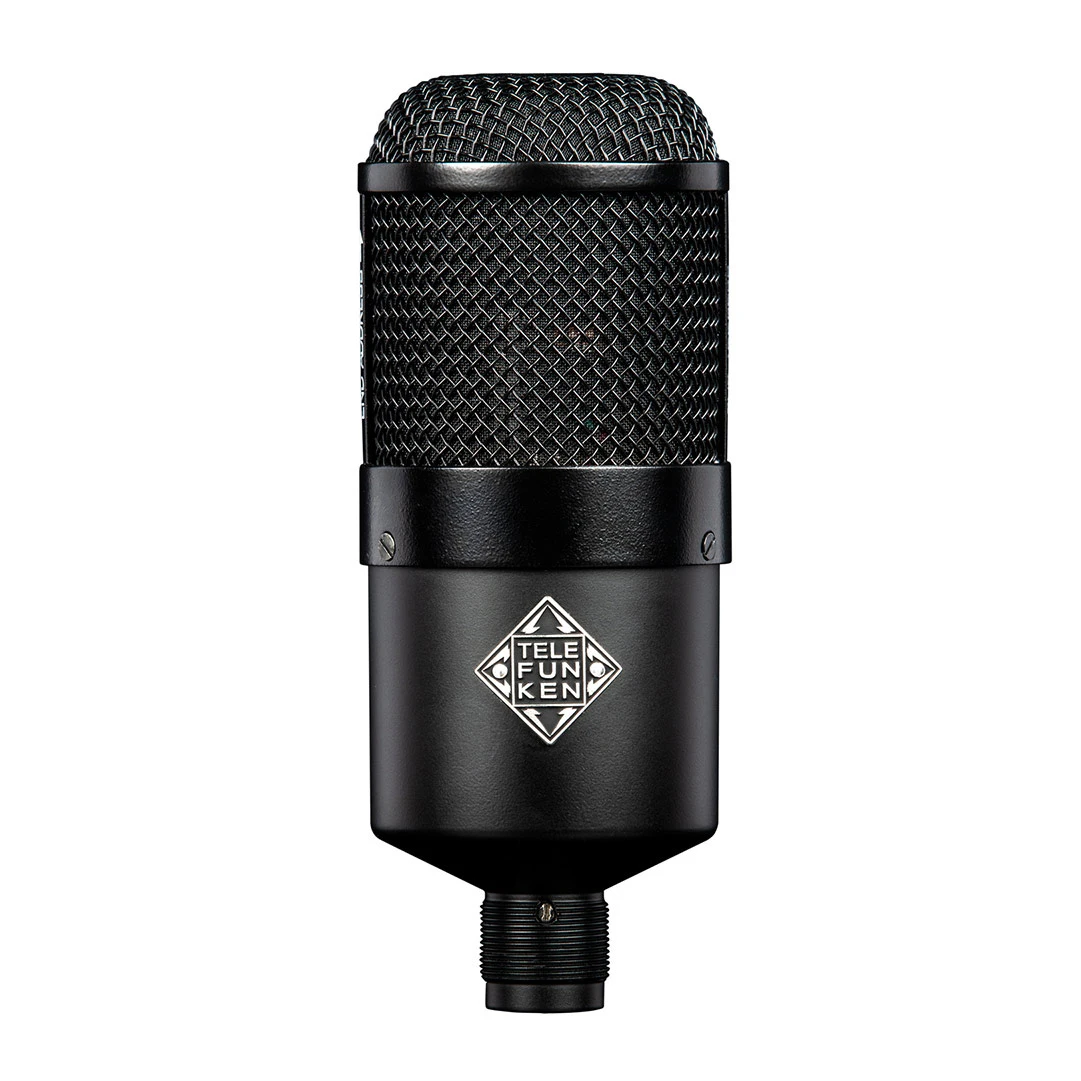
The Surprising Guitar Mic
Like many engineers, Kristian remains a great believer in the SM57 on guitar cabinets. We are all accustomed to the way a 57 presents a driven speaker. It produces a familiar midrange, handles extremely high sound-pressure levels and usually finds a place in the mix.
However, one of Kristian’s recent discoveries came from being encouraged to try a Telefunken M82 kick-drum microphone on a guitar cabinet.
His first instinct was that it would be too scooped and therefore unsuitable. With the microphone’s additional EQ switches disengaged, however, it produced an excellent guitar tone.
This is a perfect example of why microphone labels should be treated as suggestions rather than rules.
A “kick mic” does not know it is placed in front of a guitar cabinet. A broadcast mic does not know it is being used on a bass amp. A vocal microphone does not know it is being used as a drum room mic.
The only thing that matters is what comes out of the speakers.

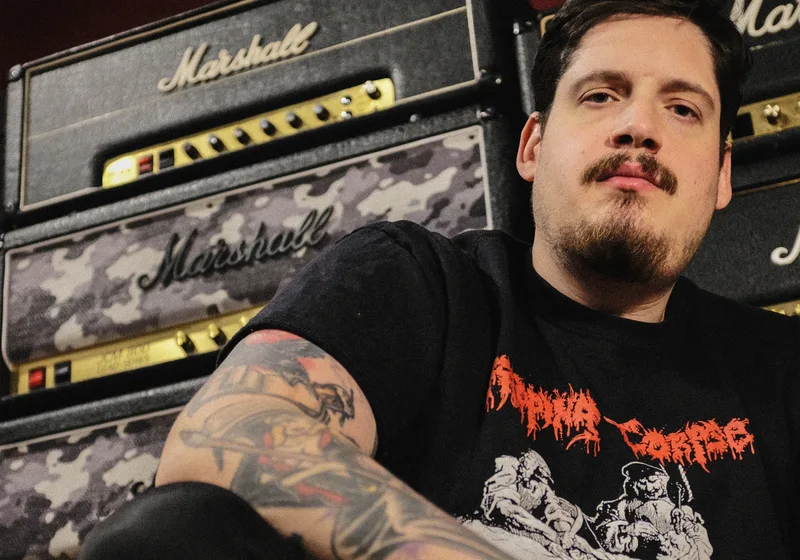
Learning from Unconventional Engineers
During a visit to Taylor Young’s studio, The Pit, Kristian saw an approach to guitar recording that challenged many of the usual metal conventions.
Taylor was miking the rear of open-backed cabinets, sending the same DI through multiple amplifiers, blending several cabinets and using microphones that Kristian had either never encountered or would not normally associate with guitar recording.
He used broadcast-style microphones and ribbon microphones from Extinct Audio. He was not relying on an SM57 or the familiar Celestion Vintage 30 combination.
The resulting tones were sludgy, aggressive, evil and instantly recognisable.
They were not generic modern metal sounds.
That matters because modern recording tools have made it relatively easy to create something technically impressive. Anyone can load a professional drum library, select a polished amp simulation and create a tight, powerful production.
The challenge is creating something with identity.
It is no longer enough for a production to be good. It needs character, style and attitude.
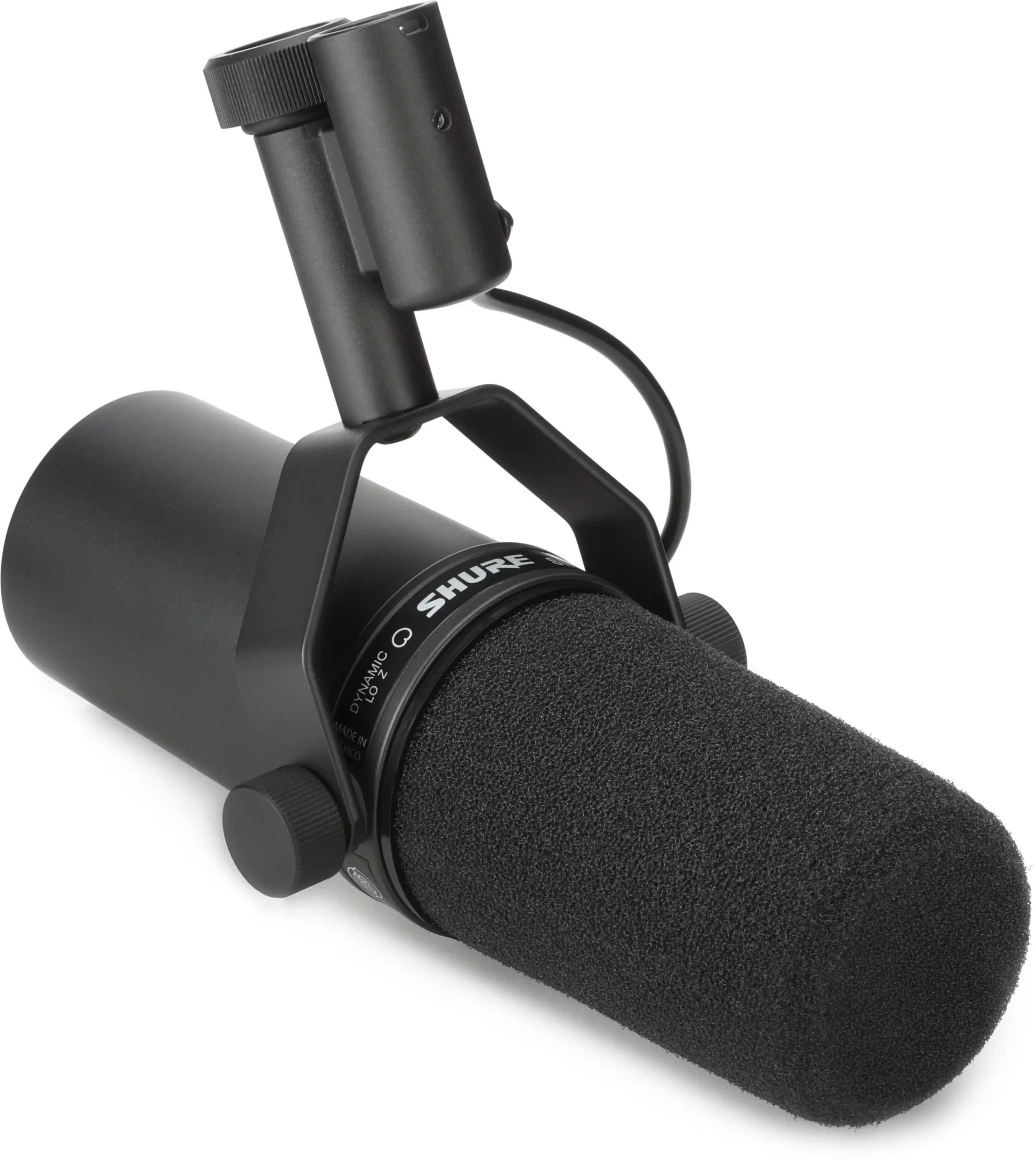

An extremely detailed vocal microphone is not automatically the best choice for an aggressive singer.
Extreme metal vocals can be raspy, piercing and full of complicated high-frequency information. A bright, airy microphone may exaggerate every unpleasant edge.
In those situations, a smoother microphone such as an SM7B or a relatively forgiving condenser can be far more useful.
The SM7B also allows the vocalist to get physically close to the microphone. Some singers perform better when they can hold the mic, move around and interact with it as they would on stage.
The distance between the grille and capsule also makes the SM7B more forgiving than many handheld microphones. It can tolerate movement and changes in proximity without becoming quite as inconsistent.
Even microphone cupping, distortion pedals and pitch-shifting effects should not be dismissed automatically. They may not create a conventional hi-fi vocal sound, but that may be precisely the point.
When the unusual technique is part of the artist’s identity, our responsibility is to capture it rather than replace it with something more respectable.

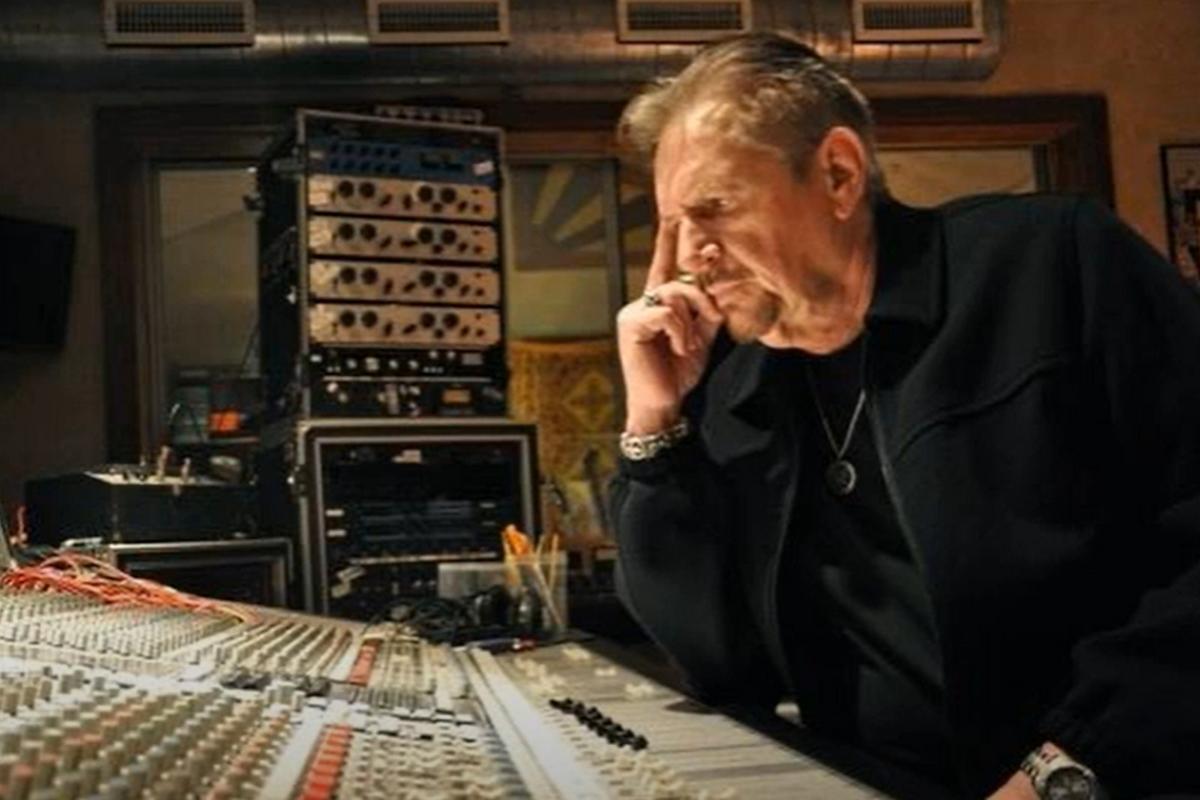
Capture the Artist’s Vision
One of the most important lessons experienced producers learn is how to deal with whatever the artist brings into the studio.
Early in our careers, many of us try to steer musicians toward combinations we already know will work. We have a reliable amplifier, speaker and microphone setup, so we push everyone in that direction.
That approach feels safe, but it can remove the very thing that made the artist interesting.
Dave Jerden once explained to me that he would record the sound the guitarist brought into the room, including their pedals, delays and effects. He was not automatically replacing the artist’s rig with studio equipment simply because the studio equipment was technically superior.
Successful engineers tend to listen first.
When an artist has a genuine vision, we should try to preserve it. Our job is not to force every musician through the same technically correct signal path. Our job is to help their idea translate through the speakers.

The Versatile Desert-Island Microphone
When engineers are asked which two microphones they could use to record an entire album, the answer is often some variation of a U87 and an SM57.
The combination makes sense. The U87 can handle vocals, acoustic instruments, rooms, percussion and many other sources, while the SM57 can be placed in front of drums, amplifiers and loud instruments.
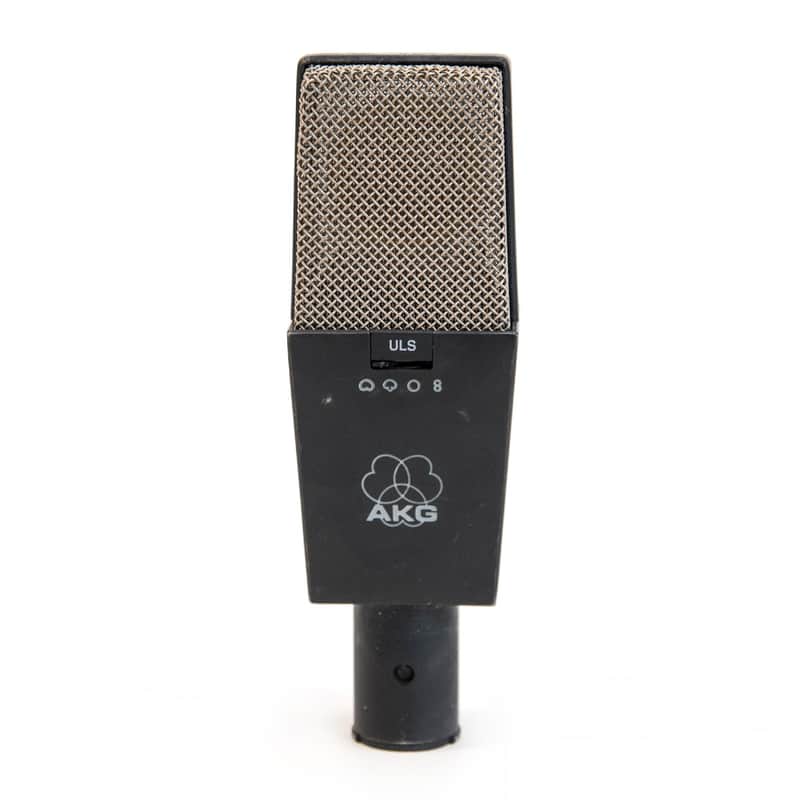
Kristian’s alternative would be a C414 and an SM57.
The C414 provides multiple polar patterns, pads and the ability to handle loud sources. It can be used on drum kits, guitars, vocals and room recordings. Kristian describes it as a forgiving microphone that may not always be the perfect choice, but rarely sounds completely wrong.
I have sometimes found the 414 less flattering on certain singers, particularly compared with microphones such as the U87. Kristian’s experience is different because many of the vocalists he records are naturally bright and aggressive. On those voices, the slightly smoother character of a 414 can be exactly what the production needs.
Again, there is no universal best microphone.
There is only the microphone that best complements the source.

Affordable Microphones Can Be Exceptional
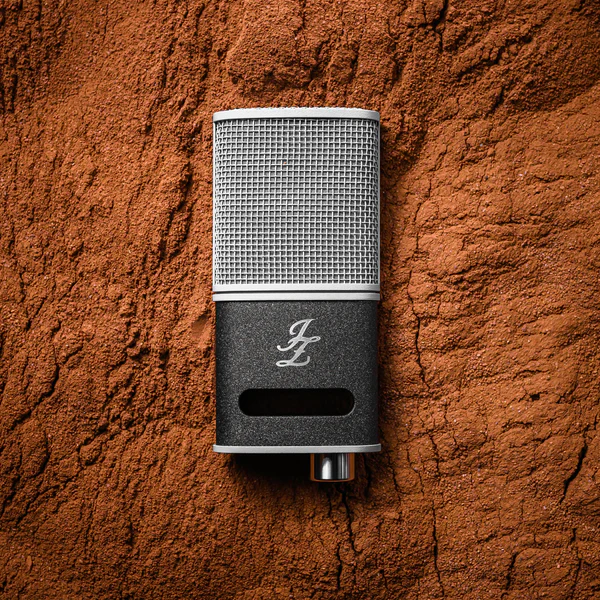
One microphone Kristian and I both admire is the JZ Microphones V67.
Kristian has used it as a drum overhead, room microphone, vocal microphone and even in front of guitar cabinets. I have had excellent results with it on acoustic guitar.
It is relatively affordable, uncomplicated and highly versatile. It may not have the status of a vintage U67, but that does not prevent it from producing professional results.
This is another useful reminder that appearance, prestige and price do not determine whether a microphone belongs on a record.
A microphone either supports the source or it does not.

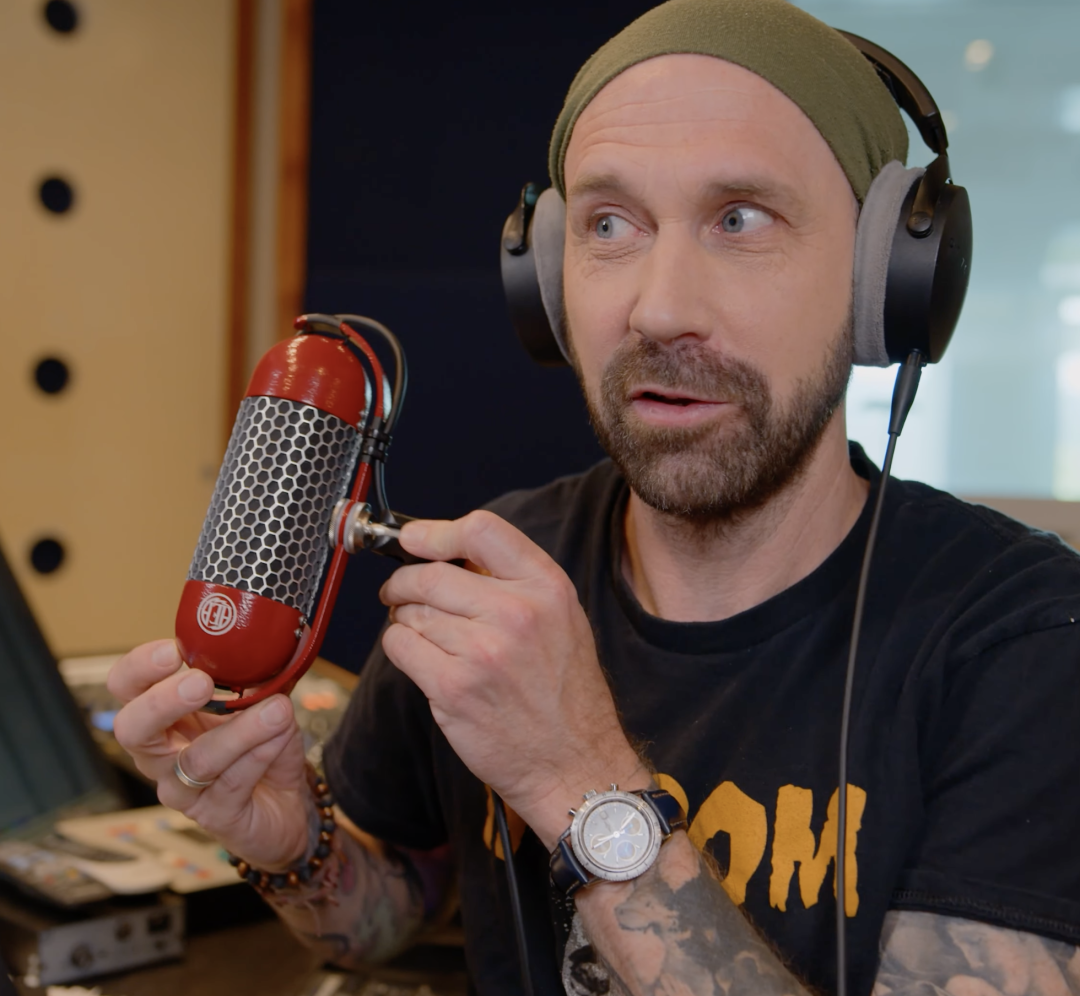
Kristian Kohle’s AEA Guitar Microphone
Kristian also revealed a prototype ribbon microphone he has been developing with AEA.
The microphone is called The Claw and is being voiced specifically for close-miking guitar cabinets. It is based on one of the late Wes Dooley’s designs, with further changes developed by Kristian and the team at AEA.
Although it has been designed around electric guitar, I will naturally want to try it on bass, acoustic guitar, drums and anything else that produces a sound.
That is the spirit in which microphones should be approached.
Use them where they are supposed to be used, then try them everywhere they are not.

Learn Heavy Music Production with Kristian Kohle
What makes Kristian such a valuable educator is that he is not approaching metal production from only one direction.
He understands how to record real drums, place microphones, capture amplifiers and get exciting performances at the source. At the same time, he knows how to program drums, reamp guitars, use amp simulations and combine modern production tools with traditional recording techniques.
Most importantly, Kristian is not interested in teaching everyone to make the same generic modern metal record. His focus is on helping producers develop their own sound, experiment with unusual techniques and create music with genuine character.
That philosophy is at the heart of the Kohle Audio Kult, Kristian’s academy dedicated to heavy music production.
The Kult features a huge and continually growing collection of in-depth courses covering songwriting, recording, microphone techniques, editing, mixing and mastering. Members can learn from Kristian and an impressive collection of producers and mixers working across rock and metal.
The academy also includes original multitracks, live Q&As, mixing challenges and practical training designed to help you understand the entire production process, not simply copy a finished preset.
You can learn how professionals approach real sessions, work with the original tracks and apply those ideas directly to your own productions.
Kristian’s strength is that he understands both sides of modern music production. He can show you how to capture a real amplifier and drum kit, but he can also demonstrate how to get professional results using amp simulations, programmed drums, reamping and hybrid techniques.
If you produce metal, hard rock or any form of heavy music and want to move beyond predictable sounds, I strongly recommend checking it out.
Explore the Kohle Audio Kult here:
https://www.kohleaudiokult.com
The Right Mic Is the One That Works
There are fundamental principles worth learning. Engineers need to understand polar patterns, proximity effect, off-axis response, sound-pressure limits, placement and how different microphone designs react to a source.
Those basics give us a reliable starting point.
Once we understand them, however, we should not become trapped by them.
A kick microphone may be the perfect guitar microphone. A condenser may produce the right tom sound. A bass cabinet may not be needed for bass frequencies at all. A singer cupping an SM7B through a pitch-shifting pedal may give the record exactly the character it needs.
Choosing the right microphone is not about proving that we know the rules.
It is about listening to the source, understanding the arrangement and capturing a sound that supports the artist’s vision.
The longer we do this, the more we realise that great engineering is rarely about finding one correct answer.
As always, it depends.