


Check Out Dan Weller’s Course Here: https://www.kohleaudiokult.com/courses/djent
The tools he genuinely cannot live without
There are plug-ins you try once, enjoy for a bit, then quietly forget about. And then there are the ones that end up on almost every session, every mix, every record, until they become part of how you hear music.
This is very much the second category.
Filmed in his London studio, Dan Weller walks through the plug-ins that have become essential to his workflow, pulling examples straight from a real session, not a demo project, not a clean slate. These are tools that have earned their place over years of records, revisions, and deadlines.
Here is a breakdown of Dan’s favourite plug-ins, and more importantly, why they matter.


Slate Trigger 2
Real drums, controlled power
If you are working with real drum kits, Dan is very clear, Trigger 2 is non-negotiable.
At its core, Trigger 2 allows you to blend, enhance, or completely replace recorded drum hits in real time. You can mix original audio with samples, adjust pitch, velocity curves, sustain, decay, phase, and dial in exactly how much “real” versus “sample” you want.
What makes it truly powerful, however, is the TCI system. These velocity-accurate trigger instruments respond dynamically to how the drummer actually plays, not just how loud the transient is. Soft hits trigger genuinely softer samples, harder hits trigger more aggressive ones, in a way that feels musical rather than mechanical.
Dan also highlights how critical the detail control is. Set incorrectly, and bleed from snares or ghost notes can cause chaos. Set properly, often with automation across song sections, and it becomes invisible but transformative.
His verdict is blunt.
He will not live without it.

Softube Transient Shaper
Punch and sustain, with precision
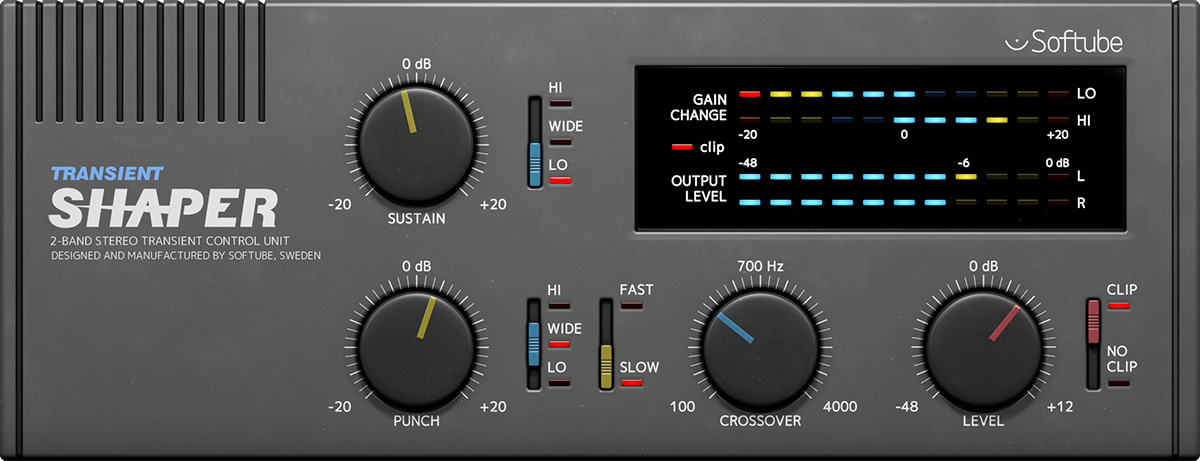
Transient designers are nothing new, however Softube Transient Shaper stands apart for one key reason, frequency control.
Instead of globally affecting a signal, this plug-in lets you focus punch and sustain on specific frequency ranges. For Dan, this is invaluable on room mics. Low-frequency bloom can be shortened while keeping cymbal detail alive, or the opposite, depending on what the track needs.
Punch controls the initial hit.
Sustain controls the tail.
Add in the crossover and frequency focus, and suddenly transient shaping becomes a surgical, musical tool rather than a blunt instrument.
Dan’s take is simple. It sounds better than the others, and it lets him fix problems without creating new ones.

Sonnox Oxford Inflator
Making things step forward in the mix
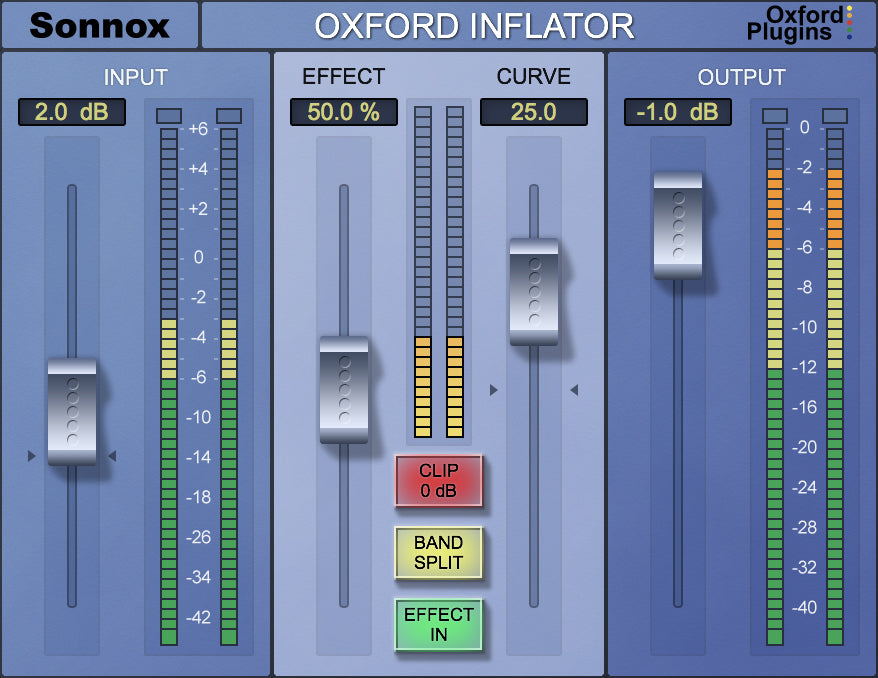
Few plug-ins inspire as much confusion as Oxford Inflator. What does it actually do? Is it a clipper, a limiter, a widener, a saturator?
Dan’s answer is refreshingly practical.
It makes things feel closer, louder, and more immediate, without obviously sounding processed.
Used on rhythm guitars, vocals, or anything that needs to sit forward without aggression, the Inflator’s Effect and Curve controls let you decide whether the enhancement feels transient-focused or broad and dense.
Dan treats it as a creative alternative to soft clipping. When something is technically fine but emotionally flat, Inflator often solves the problem in seconds.
Once you own it, it tends to end up everywhere.

McDSP Retro Compressor
Vocals that feel contained, not crushed
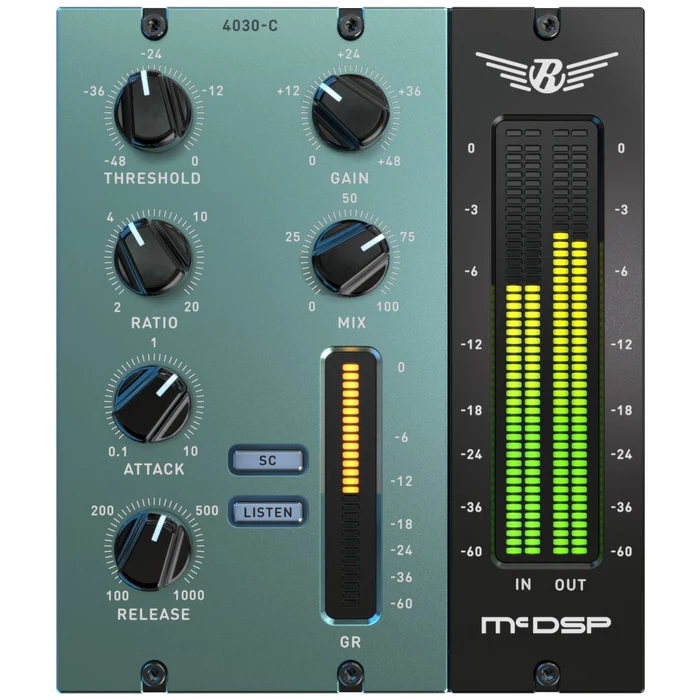
If you grew up using the Waves R-Comp, this will feel familiar, however smoother, warmer, and more forgiving. It excels at taming spiky mid-range and resonances that fatigue the ear, without stripping character.
Dan describes it perfectly.
It is squishy.
You can hit it hard, then blend it back using the mix control until you land in a sweet spot where the vocal feels solid, present, and controlled, without sounding over-processed.
For melodic vocals especially, it simply works.

Slate Fresh Air
Air without harshness
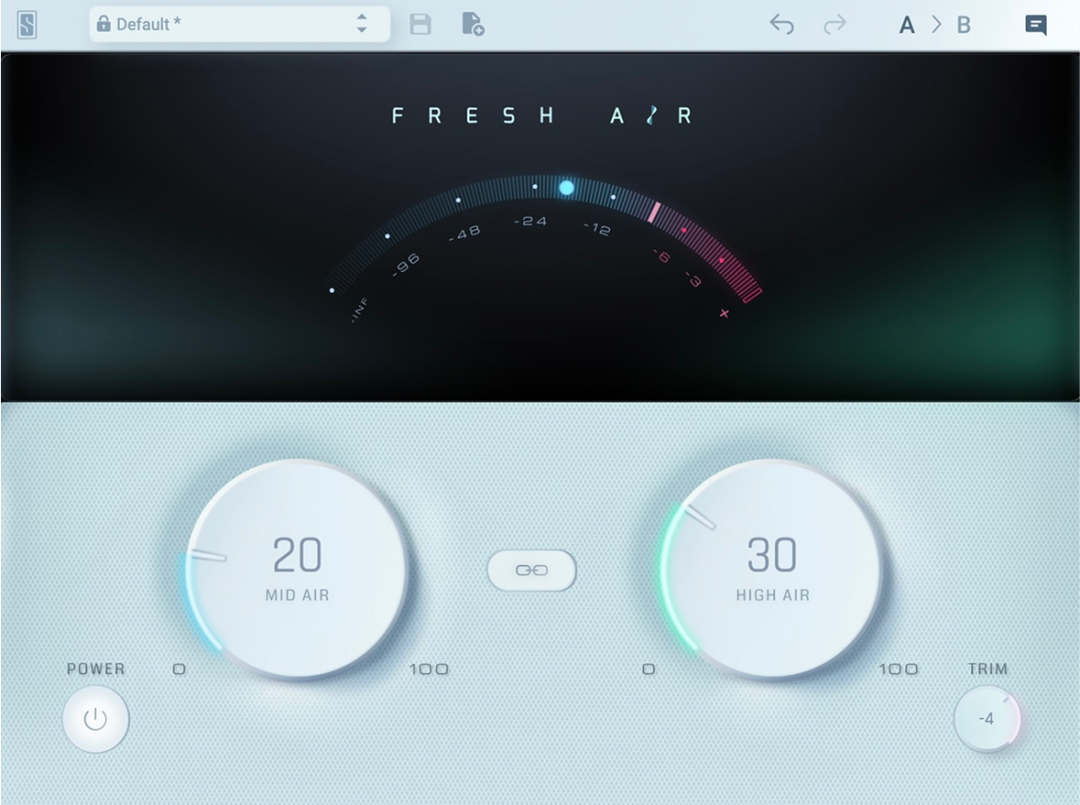
That glossy, airy top end heard on modern pop and rock vocals is notoriously difficult to achieve without brittleness. Dan has tried most of the usual suspects, and his favourite remains Fresh Air.
Fresh Air adds openness and clarity in two carefully chosen frequency bands, delivering sheen without edge. Crucially, Dan prefers to place it before compression, allowing the added air to drive the compressor more musically.
It is not just a vocal tool either. Snares, overheads, percussion, anything that needs lift without bite can benefit.
Dan uses it constantly, and openly admits he would struggle without it.
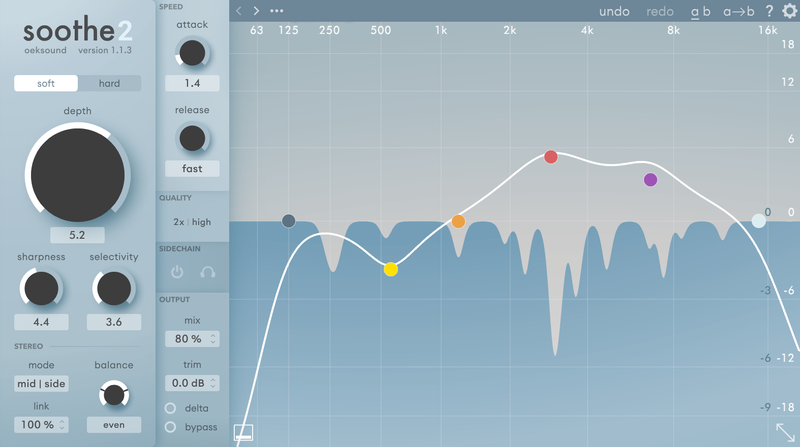

Oeksound Soothe 2
Control without destruction
Few modern plug-ins have reshaped mixing culture quite like Soothe 2. Dan is well aware of how easy it is to overdo it, especially on top end, however his favourite use is far more subtle and far more powerful.
Instead of traditional sidechain compression between kick and bass, Dan uses Soothe side-chained to the kick, targeting only the specific low-frequency areas that clash. Each kick hit dynamically suppresses those frequencies in the bass, leaving the rest of the instrument untouched.
No pumping.
No loss of character.
No unnecessary movement.
Because Soothe tracks changing resonances in real time, it adapts naturally to performance variations, something static EQ or standard compressors struggle with.
For tightening low end, Dan no longer goes back to traditional methods.
Final thoughts
What stands out most in Dan Weller’s plug-in choices is not brand loyalty or novelty chasing. Every tool serves a very specific musical purpose, solving real problems quickly, repeatably, and musically.
These are not plug-ins he uses because they are fashionable.
He uses them because they help records feel finished.
If your goal is clarity, impact, and control without killing emotion, this list is a very strong place to start.
And yes, Dan really does collect plug-ins. However these are the ones that survived.
Check Out Dan Weller’s Course Here: https://www.kohleaudiokult.com/courses/djent