
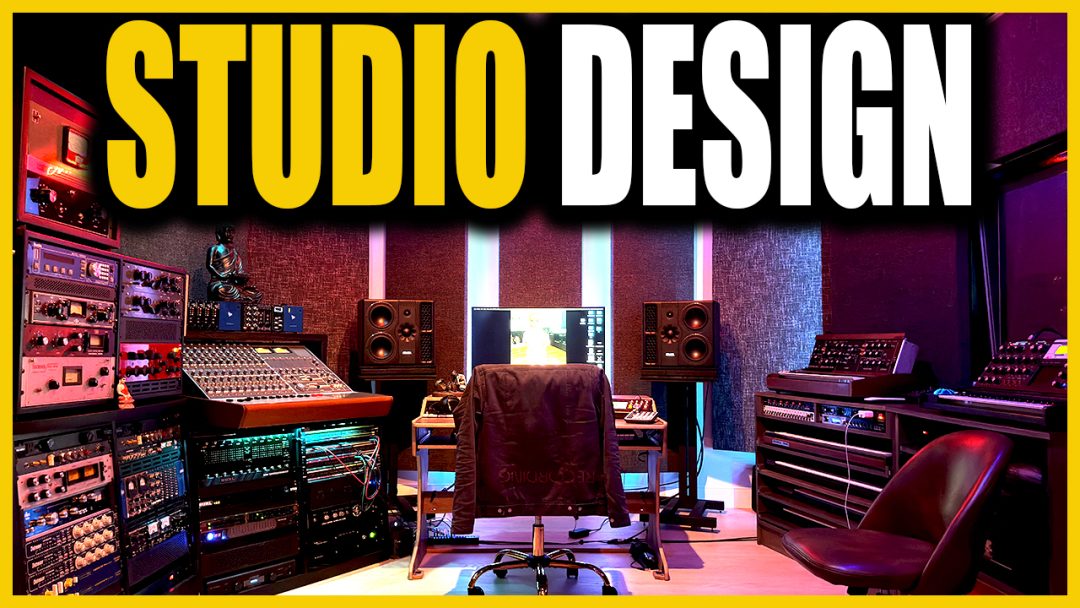

Welcome to an exploration of studio design and acoustics! Today, we delve into the world of studio setup, focusing on how to create an environment that enhances your music production experience. Our guide is Hush Paz, an expert in studio design and acoustics, who provides a wealth of knowledge on how to optimise your space for recording and mixing.

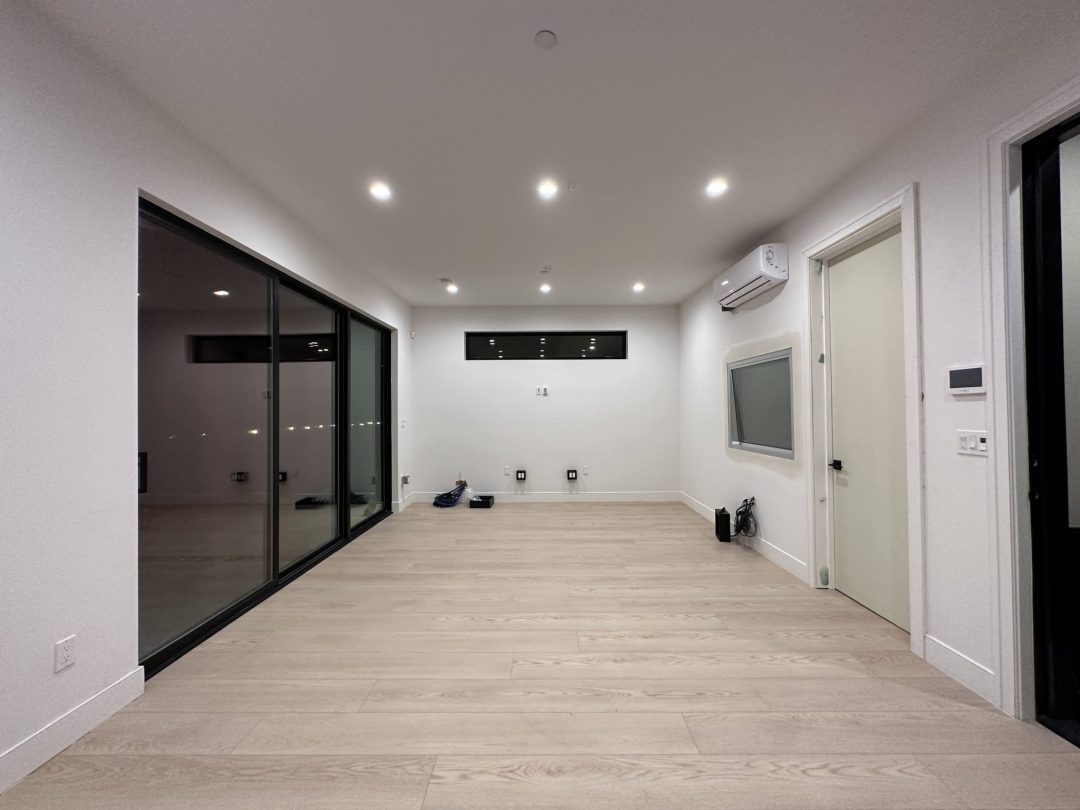
Understanding Workflow in Studio Design
When it comes to designing a studio, the first step is always to understand the workflow of the producer or engineer using the space. Hush emphasizes that studio design should serve your workflow; if it doesn’t, it can become a hindrance rather than a help.
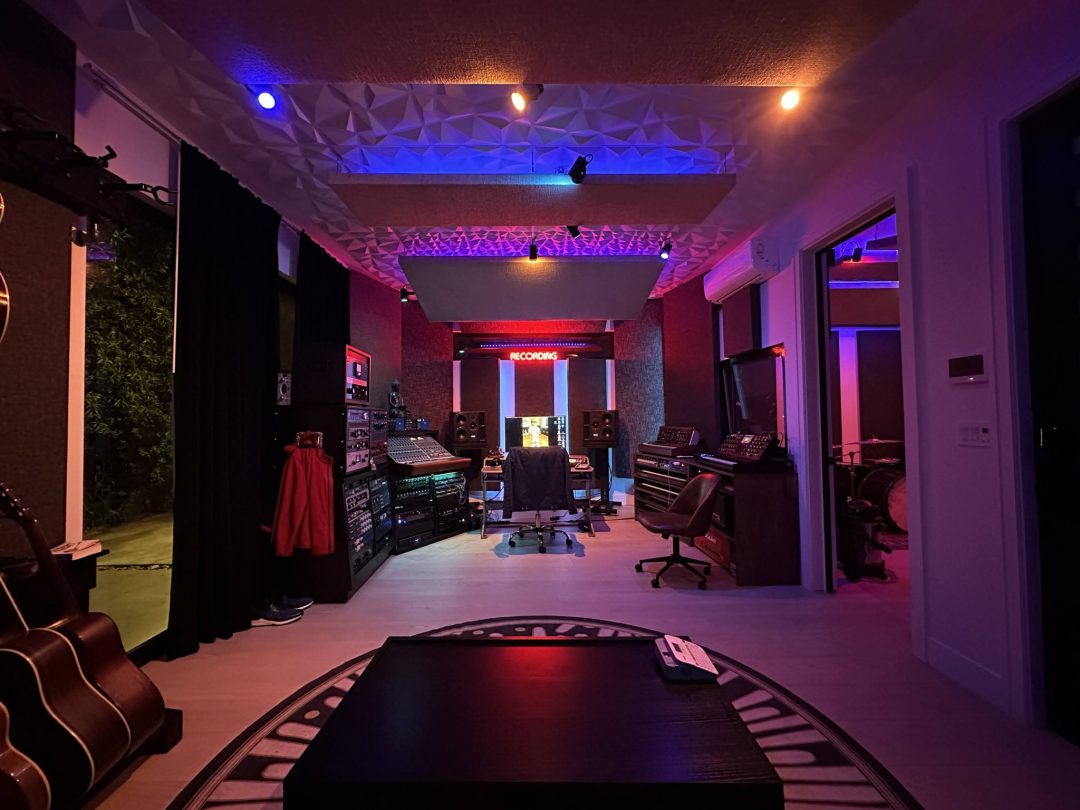
For example, when Hush was tasked with designing a studio for producer Jim Kaufman, he began by asking about Kaufman’s workflow. Kaufman shared insights about his previous studio experiences, including the types of instruments he records and his preference for live performances. This information was crucial in shaping the design of the new studio.


Several elements are essential in studio design, including:
- Racks and Gear Placement: Proper placement of racks and gear is critical for efficiency and accessibility.
- Acoustic Panels: These are necessary for controlling sound reflections and ensuring a balanced soundstage.
- Speaker Placement: The position of speakers significantly impacts sound quality and accuracy.
- Soundproofing: Effective soundproofing ensures that external noises do not interfere with recordings.
Determining the Layout Based on Workflow
Hush explains that the layout of the studio should facilitate the workflow. For Kaufman, who prefers recording and capturing live performances, the studio needed to be designed for real-time processing with minimal hindrance. Hush suggested consolidating all synthesizers and effects into one central location to streamline the workflow.
By ensuring that all gear was within reach, Kaufman could efficiently audition sounds and track performances without unnecessary delays. This approach minimises the time spent rearranging or reconnecting gear, allowing for a more fluid recording process.
The Importance of Speaker Placement
Speaker placement is one of the most critical aspects of studio design. Hush believes that the correct positioning of speakers can make a significant difference in the overall sound quality. He advocates for the “60-degree triangle” rule, where speakers create an equilateral triangle with the listener’s position.
Additionally, Hush emphasises that the geometry of the room plays a vital role in speaker placement. Factors such as room dimensions, the presence of reflective surfaces, and the listener’s position all contribute to how sound is perceived. Hush recommends avoiding placing speakers directly against walls to minimize unwanted reflections.

Acoustic Treatment: Balancing Absorption and Reflection
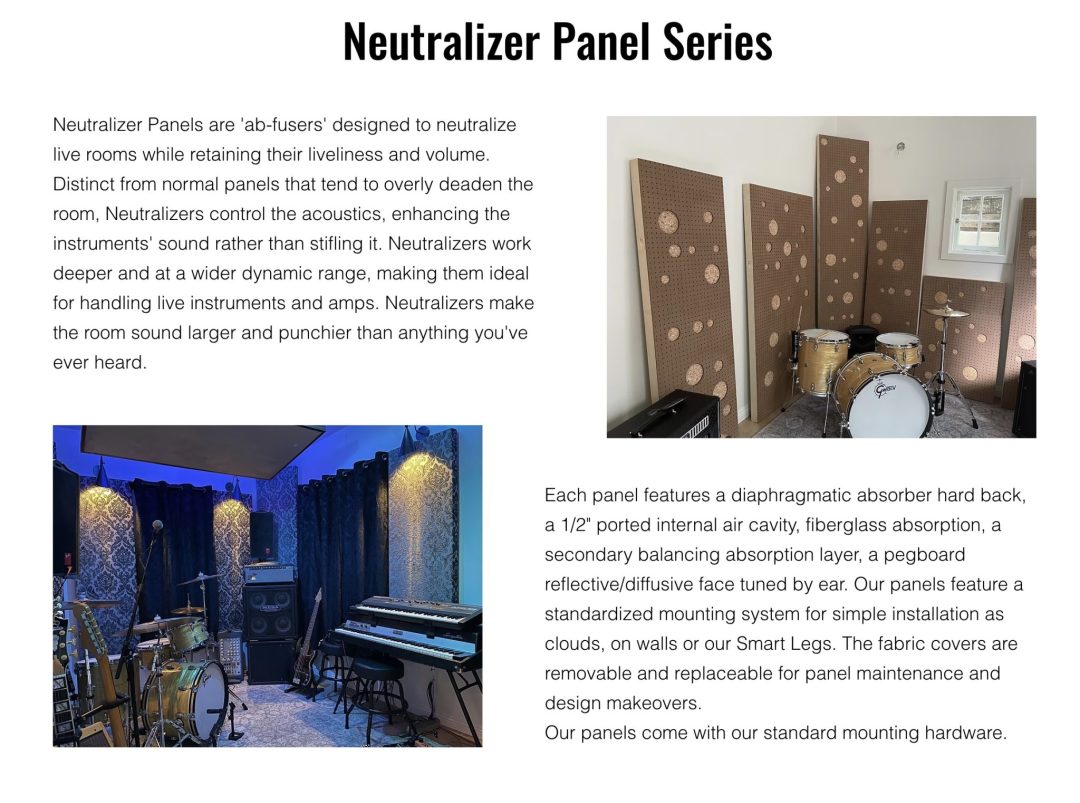
One of the challenges in studio design is achieving the right balance between absorption and reflection. Hush points out that while absorption is essential for controlling reverberation, too much can lead to a “dead” sound that lacks liveliness.
Hush’s solution involves using panels that are designed to absorb specific frequencies while allowing others to pass through, maintaining a natural sound. This approach ensures that the studio remains lively and conducive to recording live instruments.
Five Key Facts About Acoustical Design
- Sound Absorption vs. Sound Reflection – Acoustical design involves balancing materials that absorb sound (like carpets, foam panels, and fabric) with those that reflect sound (such as wood and glass) to control echo and reverberation.
- Room Shape Affects Sound – The shape of a room significantly impacts acoustics. Curved surfaces can cause unintended sound focusing, while rectangular rooms may create standing waves, leading to uneven sound distribution.
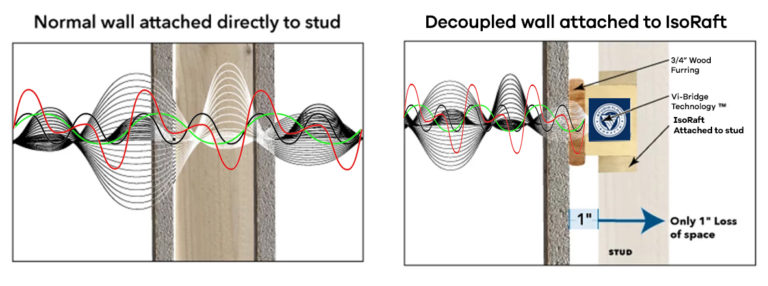
- Noise Control Strategies – Effective acoustical design includes sound isolation techniques such as using double walls, resilient channels, and soundproof doors to minimize external noise infiltration and prevent sound leakage.
- Reverberation Time Matters – The ideal reverberation time (how long sound lingers) varies by space. Concert halls aim for around 1.5 to 2.5 seconds for rich, full sound, while recording studios target much shorter times for clarity.
- Diffusion Enhances Sound Quality – Diffusers (panels with irregular surfaces) help scatter sound waves evenly across a space, preventing dead spots and excessive echo, making them essential in theaters, music studios, and auditoriums.

Custom Acoustic Panels: A Game Changer
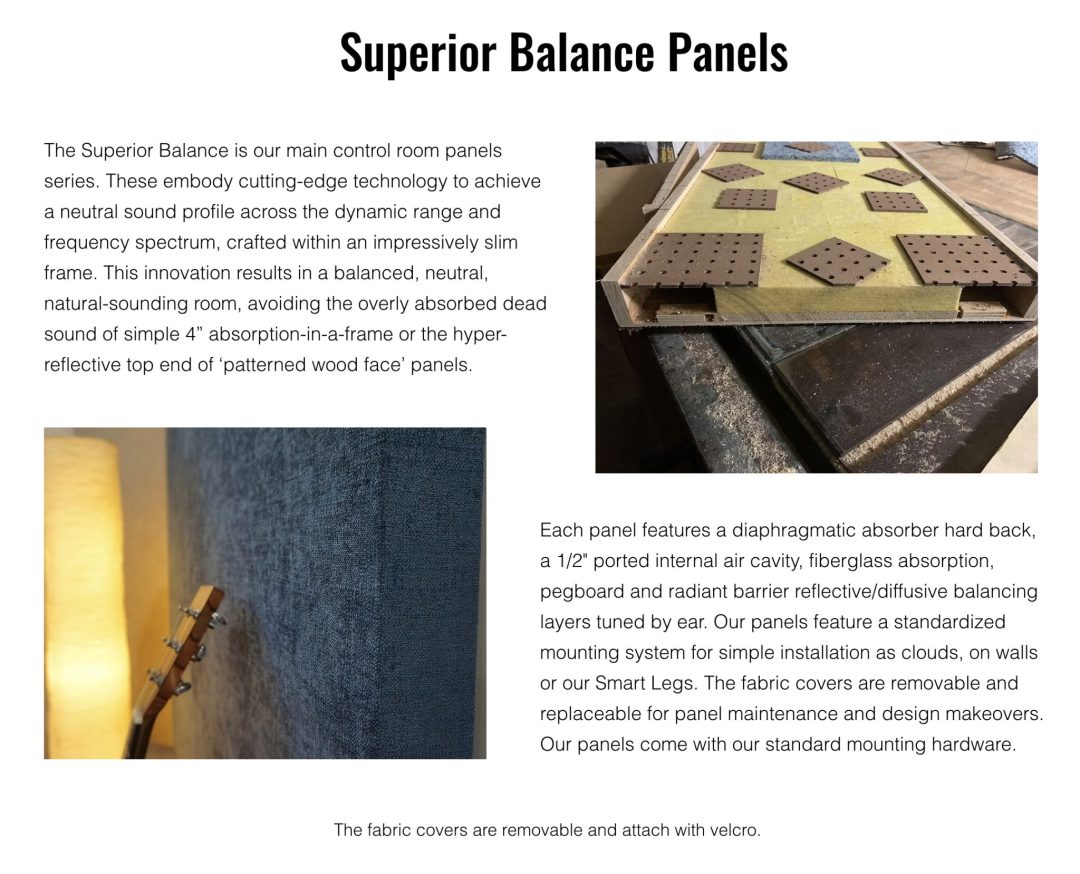
Hush has developed custom acoustic panels that offer a unique solution to common acoustic challenges. These panels are designed to absorb sound in a more balanced way, incorporating various materials to target different frequencies. This means that instead of using identical panels throughout the studio, Hush recommends strategically placing different panels based on their absorption capabilities.
For instance, Hush’s Superior Balance panels are designed to provide a neutral response across a range of frequencies, ensuring that the sound remains clear and balanced. This level of customization is essential for achieving high-quality recordings.
Managing Bass Response
When it comes to managing bass response, Hush challenges the traditional concept of “bass traps.” He argues that bass trapping often over-emphasises modal behavior, while the primary issue is often sound reflections causing cancellations and boosts in specific frequencies.
Instead of relying solely on bass traps, Hush focuses on strategically placing acoustic panels in areas where reflections occur. By doing this, he can mitigate the issues caused by bass accumulation in corners while still allowing for a balanced low-end response.

One common concern among producers is how to manage the gear in the studio without compromising sound quality. Hush likens studio design to solving a Rubik’s Cube; it’s about finding the right configuration that maximizes both functionality and acoustics.
For example, when positioning gear like racks and synthesizers, Hush emphasizes the importance of ensuring that reflections are redirected away from the listening position. This not only improves sound quality but also enhances the overall workflow.
The Role of Power and Signal Integrity
Another critical aspect of studio design is ensuring clean power and signal integrity. Hush discusses the importance of using high-quality cables and maintaining proper impedance matching between devices. This attention to detail helps to minimize degradation in sound quality, which can greatly affect the final mix.
Hush also highlights the significance of acoustic isolation when connecting different pieces of gear. By using isolated power sources and ensuring that gear is properly grounded, you can prevent unwanted noise from entering your signal chain.


Ultimately, the goal of studio design is to create a space that is both functional and inspiring. Hush encourages producers to think of their studio as a creative environment rather than just a technical space.
This means incorporating elements that inspire creativity, such as comfortable seating, good lighting, and visual aesthetics that resonate with the producer’s style. By creating a welcoming atmosphere, producers can feel more at ease and focus on making great music.
Final Thoughts on Studio Design
In closing, studio design is a multifaceted process that requires careful consideration of workflow, acoustics, and aesthetics. Hush P’s insights provide a valuable framework for anyone looking to optimize their studio space.
Whether you’re a seasoned producer or just starting out, understanding the principles of studio design can significantly impact your recording quality and overall experience. Remember, the aim is to create an environment that not only sounds great but also inspires creativity and fosters collaboration.