

Mixing is the combination of art and technique and a solid understanding of effects, reverbs, and delays satisfies both of these requirements. In this video and associated blog, we will explore the essential effects for mixing guitars, pianos, synthesizers, and more. By the end, you will have a better grasp of how to create depth and character in your mixes using various tools and techniques.
Understanding Effects in Mixing
In the world of music production, effects are crucial for shaping the sound of individual instruments and creating a cohesive mix and frankly fun! Each instrument has its unique sonic characteristics, and applying the right effects can enhance these qualities. While every mix is different, having a solid foundation of effects will help you start your mixing journey effectively.
When mixing guitars, pianos, and synthesizers, consider the following types of effects:
- Reverb: Adds a sense of space and depth.
- Delay: Creates echoes that can add both depth and rhythmic interest.
- Chorus and Flanging: Great for creating width and depth to one dimensional sounds, adding movement and texture.
- Compression: As an effect it not only controls dynamics, it can exaggerate transients (attack) and add sustain.
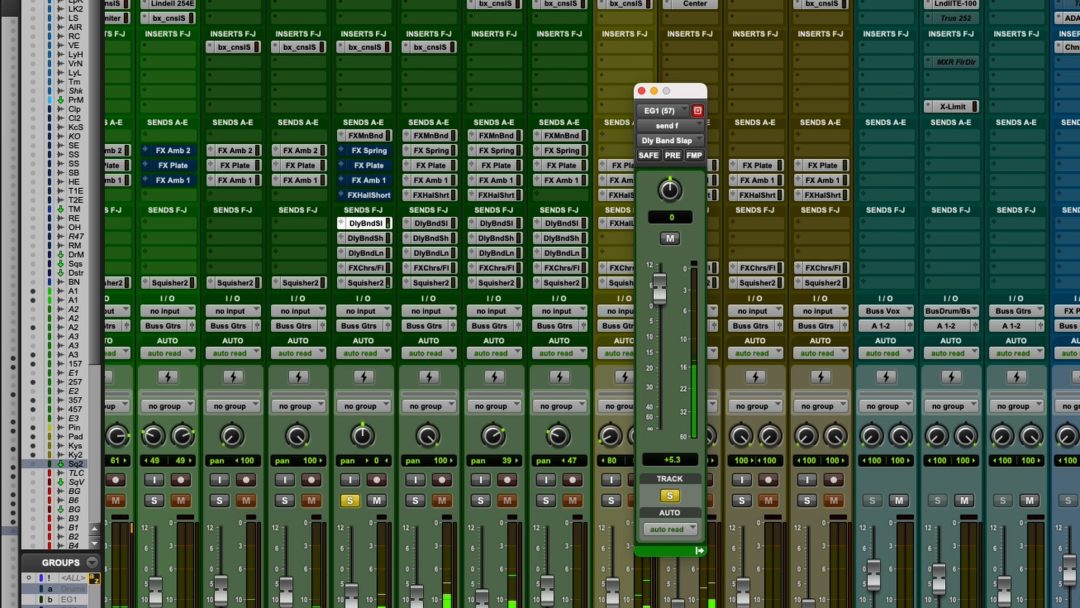
Before diving into mixing, creating an effects template that you can reference throughout your mixing process will help you move quickly leaving more time for creativity. This template should include a variety of effects that you commonly use. Here’s a breakdown of the effects to include:
- Reverb Types: Plates, halls, springs, and ambient reverbs.
- Delay Types: Short delays for slap effects and longer delays for rhythmic fills.
- Chorus and Flanging Effects: For added depth and movement.
By having these effects readily available, you can make quicker decisions while mixing, allowing you to focus more on creativity rather than searching for effects later.
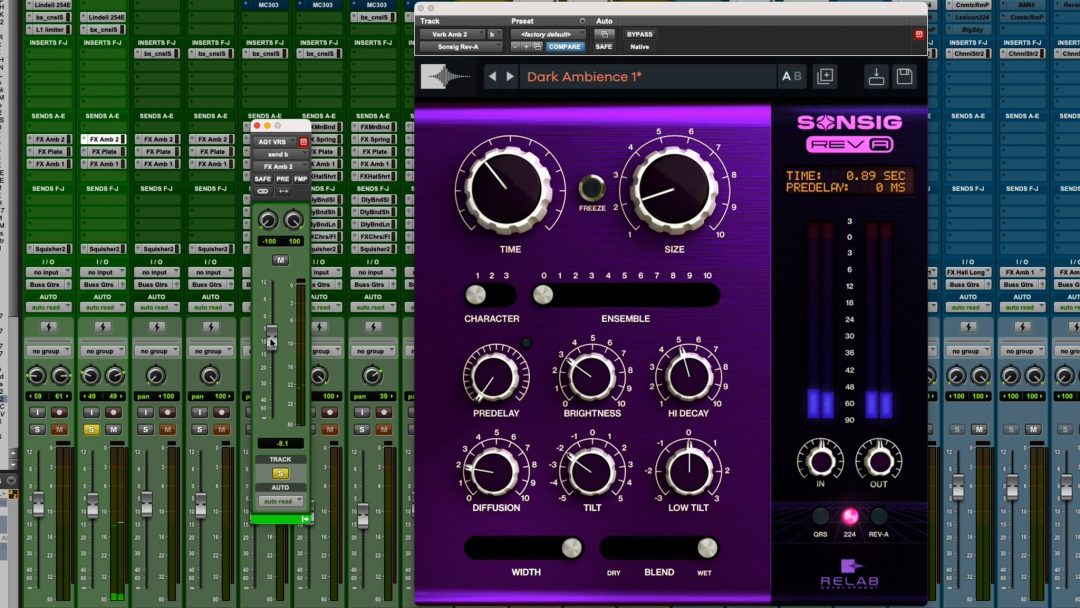
When mixing guitars, both electric and acoustic, the choice of effects is crucial. Let’s explore some effective approaches:
Acoustic Guitars
For acoustic guitars, the goal is often to create a warm, natural sound that sits well in the mix. Here are some recommended effects:
- Ambient Reverb: Use a short ambient reverb to place the guitar in a realistic acoustic space without overwhelming the sound.
- Plate Reverb: A longer plate reverb can add warmth and sustain to the guitar notes.
- Compression: Apply gentle compression to control dynamics, exaggerate attack and enhance sustain.
Electric Guitars
Electric guitars often benefit from a more aggressive approach to effects. Here are some tips:
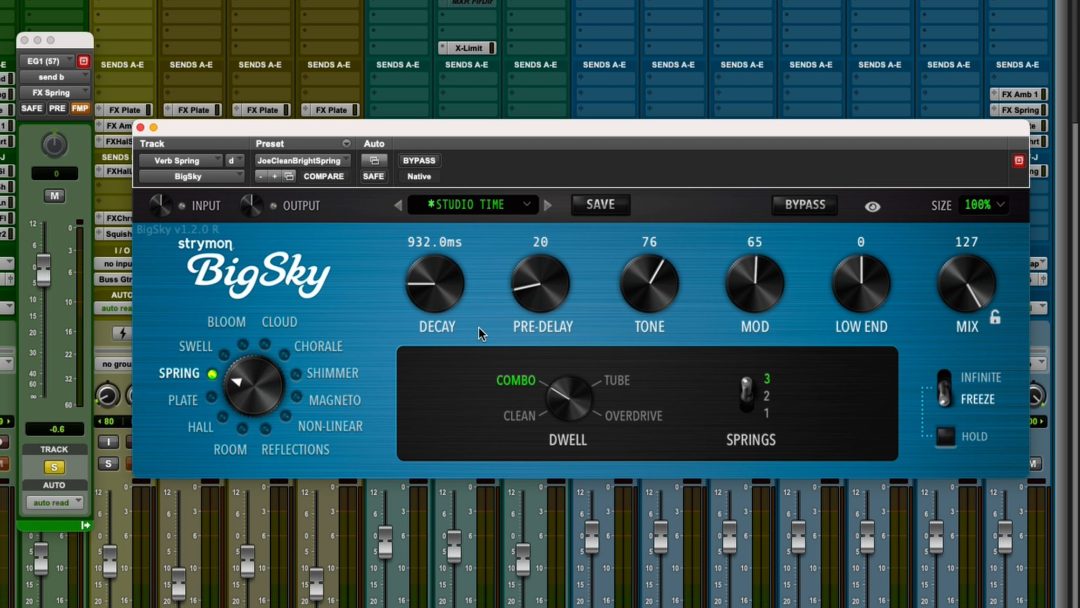
- Spring Reverb: This classic effect adds a distinctive character to electric guitars, especially in rock genres.
- Chorus: Adding a chorus effect can create a lush, wide sound that enhances the guitar’s presence.
- Delay: Use short delays to create depth/thickness and longer delays to add rhythmic interest.
Pianos and synthesizers require different approaches when it comes to effects. Here’s how to effectively mix these instruments:
Pianos
For pianos, the focus should be on maintaining clarity while adding depth:
- Hall Reverb: A rich hall reverb can create a sense of space, making the piano sound larger than life.
- Early Reflections: This effect can help position the piano in the mix without adding too much tail.
- Compression: Use compression to even out dynamics, increase or decrease attack and enhance sustain.
Synthesizers
Synthesizers can be highly versatile, and their effects can vary widely:
- Chorus and Flanging: These effects can add movement and richness to synth patches.
- Delay: Experiment with different delay settings to create rhythmic patterns and textures.
- Reverb: Use reverb to add depth and space to synth sounds, enhancing their atmospheric qualities.
Utilising Delays in Mixing
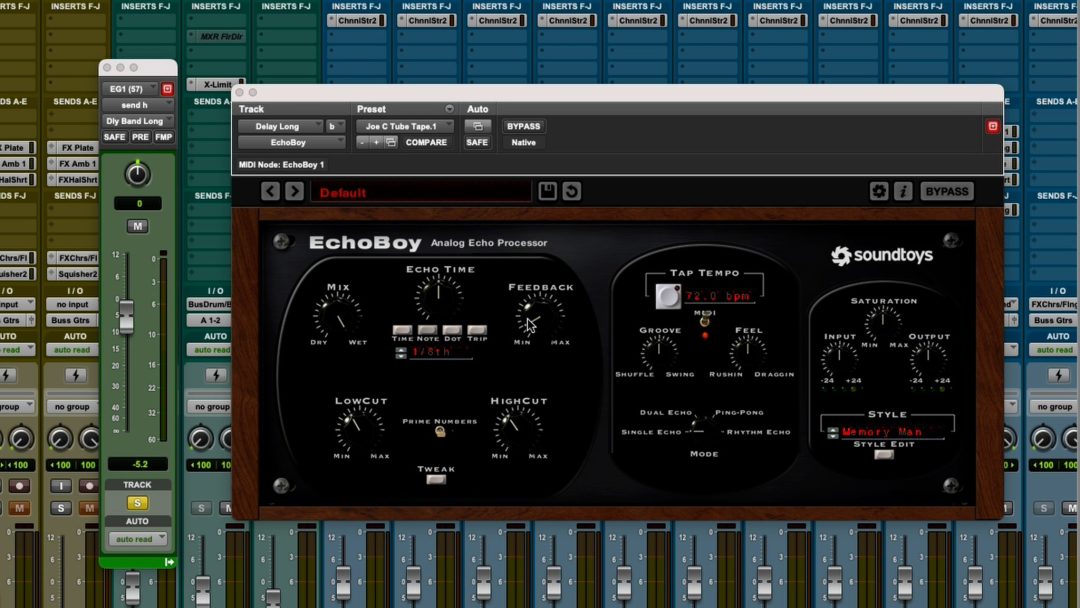
Delays are an essential tool in mixing that can significantly impact your sound. Here’s how to effectively use delays:
- Short Delays: Perfect for creating slap-back effects, especially on guitars and vocals.
- Long Delays: Useful for adding rhythmic interest and depth to synths and guitars.
- Feedback Control: Adjusting feedback levels can help create a more pronounced effect or a subtle background texture.
To further enhance your mixes, consider implementing some creative techniques:
- Using Reverb on Delay Sends: Sending delays to a reverb can create a lush, spacious sound.
- Automating Effects: Automate effects like reverb and delay to create dynamic changes throughout the song.
- Layering Effects: Combine different effects to create a unique soundscape that stands out in your mix.
Final Thoughts
Mixing guitars, pianos, and synthesizers requires a thoughtful approach to effects. By setting up an effective template and understanding how to apply various effects, you can greatly enhance your mixes. Remember, every song is unique, so don’t hesitate to experiment and find the perfect sound for your production.
Happy mixing!