

In the vibrant city of Berlin, a hub for some of the most influential music genres like synth-pop, Experimental, Avant-Garde, Techno and Electronic Music, we had the opportunity to delve into the intricacies of drum recording. This city, known for its rich musical history, is home to the legendary studio Hansa Studios, where iconic artists like David Bowie, U2, Iggy Pop and Depeche Mode have recorded. Our guide for this Drum Production and Engineering journey was our friend, Moses Schneider, a highly respected engineer who honed his skills at Hansa. In this blog post, we will explore the techniques Moses uses to capture the perfect drum sound, with the help of Lewitt Audio microphones.
The Importance of Eye Contact in Live Recording
This session was a live recording of the band, the instruments were isolated from each other and the vocals were captured live with the singer, SAFI, in an isolation booth performing live vocals and electric guitar. One of the first things Moses highlighted during our session was the significance of eye contact in live recording settings. To facilitate this, the drum kit was positioned slightly forward, ensuring that the drummer and the rest of the band could maintain visual connections. This setup is crucial for a cohesive live performance, allowing musicians to react to each other intuitively.
Microphone Setup: Sometimes More is More
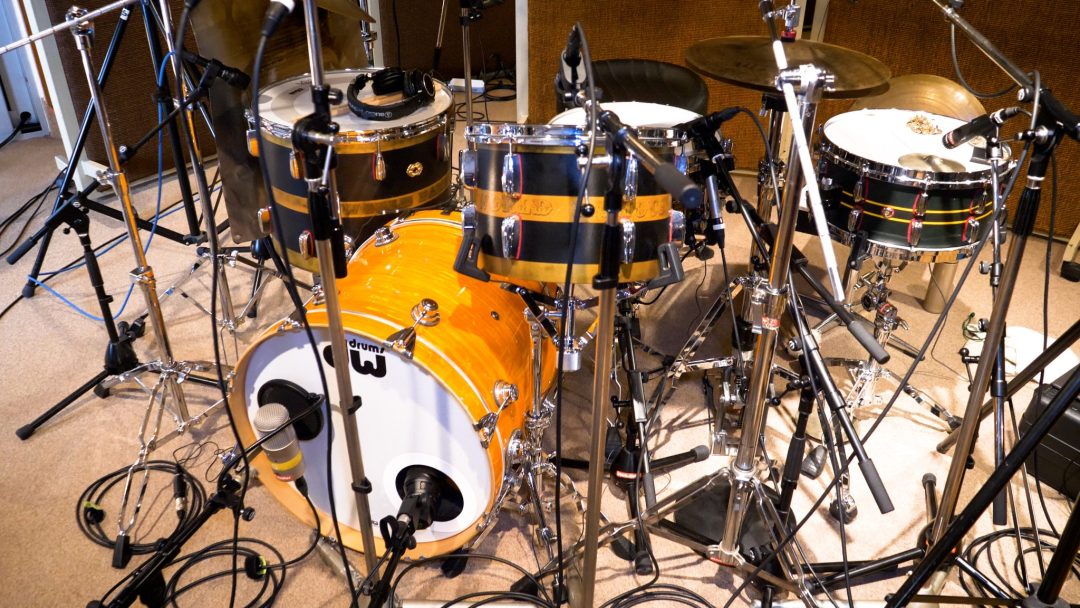
Moses advocates for using multiple microphones on the drum kit, explaining that having a variety of mics opens up a myriad of sonic possibilities. He notes that while sometimes only one or two mics suffice, using many allows for richer, more colourful recordings and in the mix process favouring one sound over another in different sections creates far more sonic interest. The more micing techniques you have, the more options you have during the mixing process.
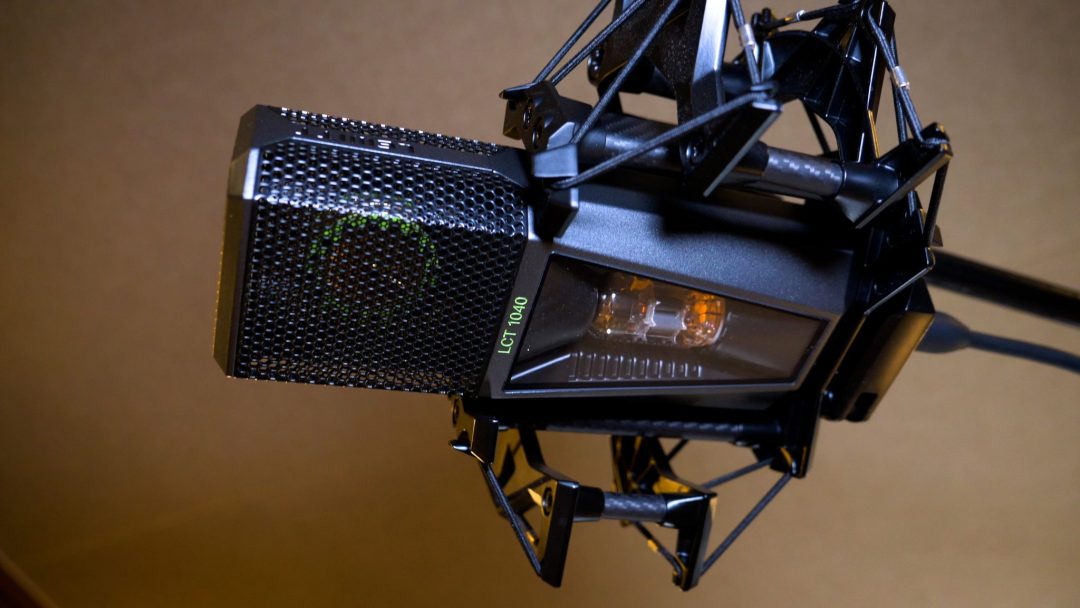
For overhead mics, Moses used a pair of the Lewitt Audio LCT 1040 flagship tube/valve microphones, which are large condenser mics equipped with a remote control on the power supply to switch between various tonal options. In his setup, he uses an AB configuration rather than the typical XY or ORTF (a microphone placement technique designed to capture stereo sound in a way that closely resembles human hearing) setups. This choice allows him to capture the cymbals and high-hat more effectively while ensuring the snare and toms are well represented in the mix.
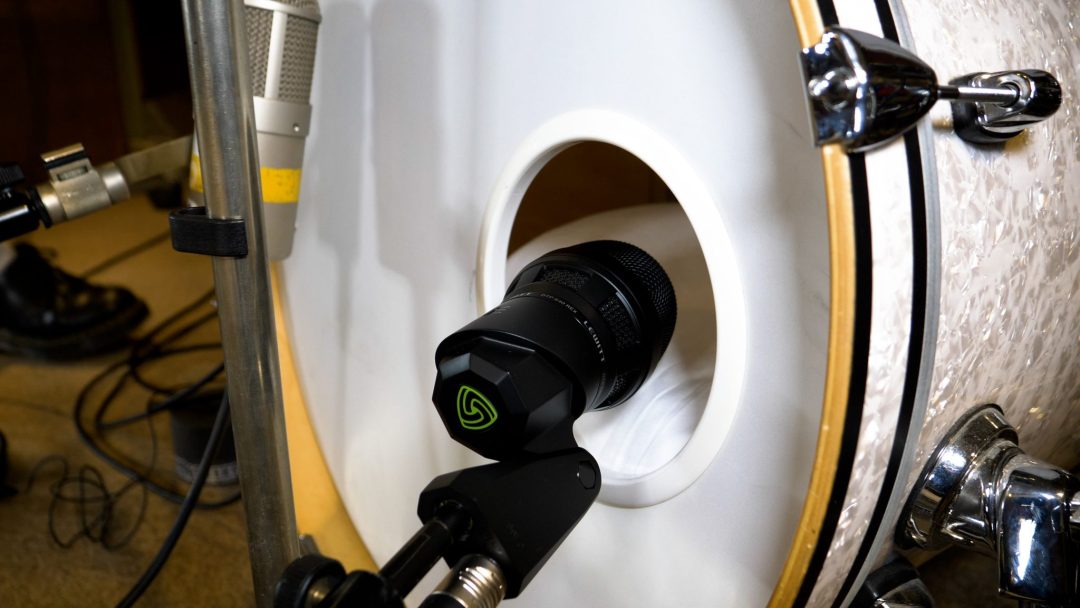
For the kick drum, Moses employs the Lewitt Audio DTP 640 REX, which features both dynamic and condenser capsules. This dual-capsule design eliminates phase issues that typically occur when using multiple mics. The dynamic capsule provides a punchy, modern sound, while the condenser captures the sub frequencies, resulting in a well-rounded kick drum sound.
When it comes to toms, Moses opts for narrow cardioid mics from Lewitt Audio DTP340, specifically designed to minimize bleed from the cymbals. This setup ensures that the toms can cut through the mix without unwanted noise. Additionally, he often removes the resonance head from the toms, which allows for a tighter sound, especially when using heavy compression.
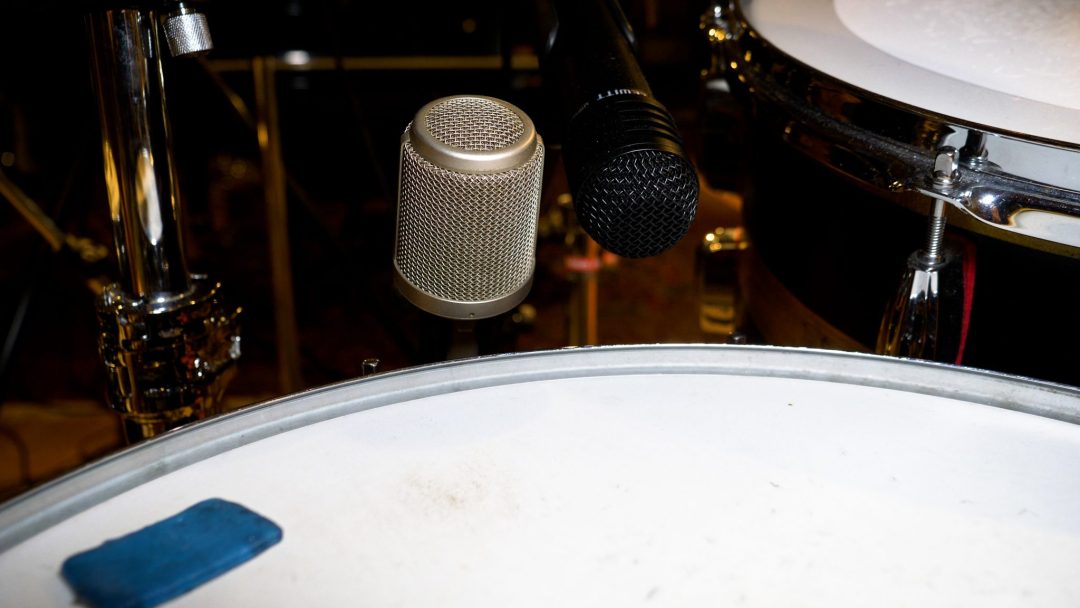
The snare drum is a focal point in any drum recording, and Moses uses two mics for it. His standard choice, the SM57, here is swapped for a Lewitt Audio MTP440 DM mic, which offers a different tonal character that he finds refreshing. Alongside this, he employs a Neumann KM86, a mic that he believes adds a unique quality to the snare sound.
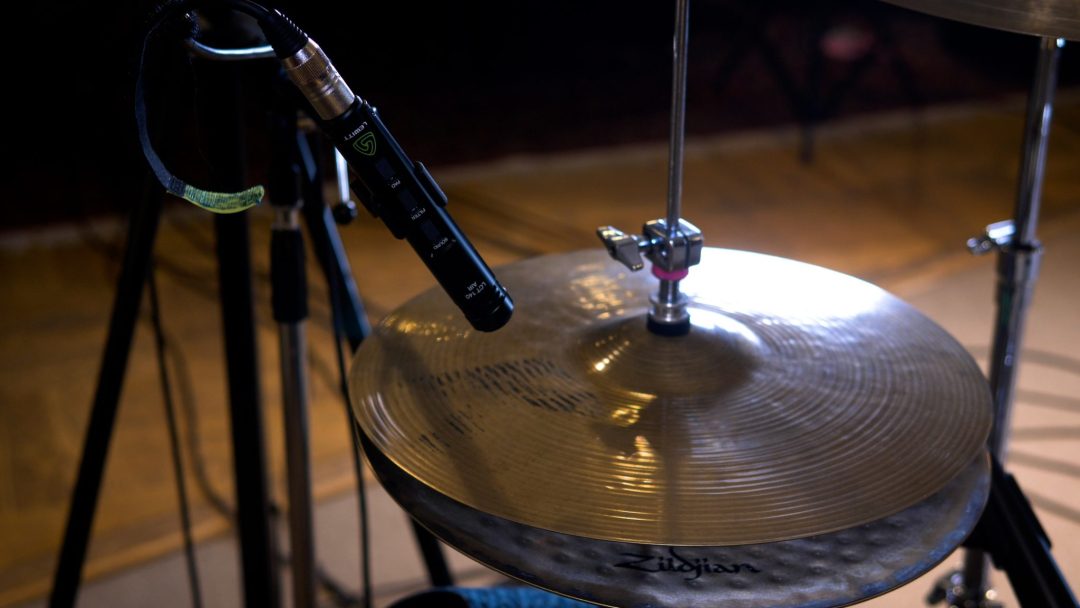
Used not only to bring up High-Hat character but because this captures enough bleed from the Snare it’s used by Moses as an extra mic for character. Using The Lewitt LCT 140 AIR
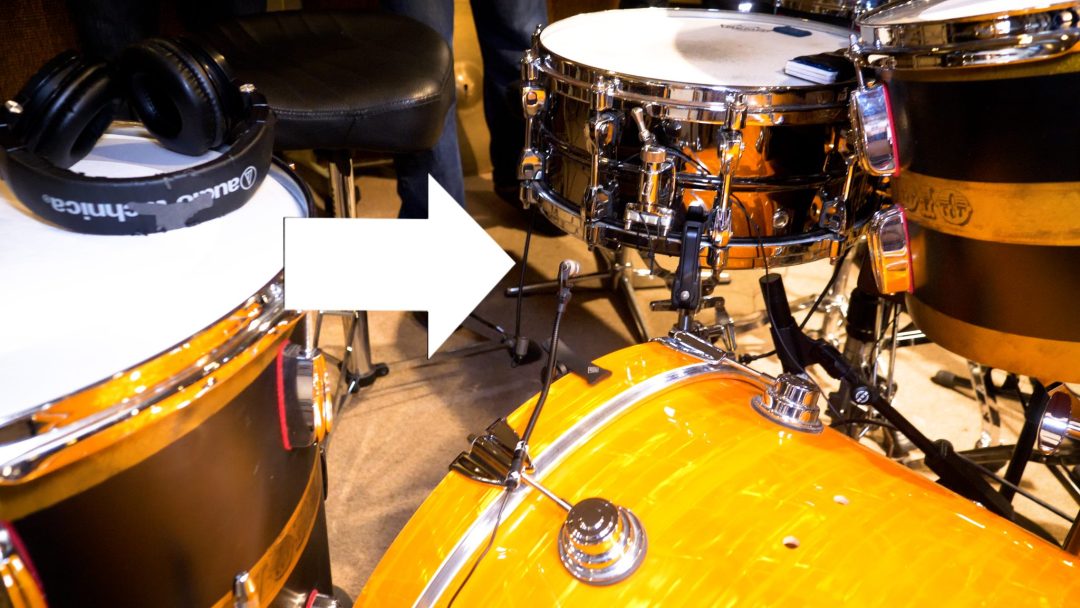
Moses is a proponent of using character mics to capture distinct drum sounds. He recalls a time in the early ’90s when he was inspired by a big band recording that utilised a dynamic mic placed directly in front of the kit. This led him to experiment with a similar setup, which he affectionately calls the “wurst” mic. This mic captures the essence of both the kick and snare while allowing for distortion and compression to refine the sound. This mic in context of the drum mix brings a ton of energy and can be used as a mono drum sound of the full kit.
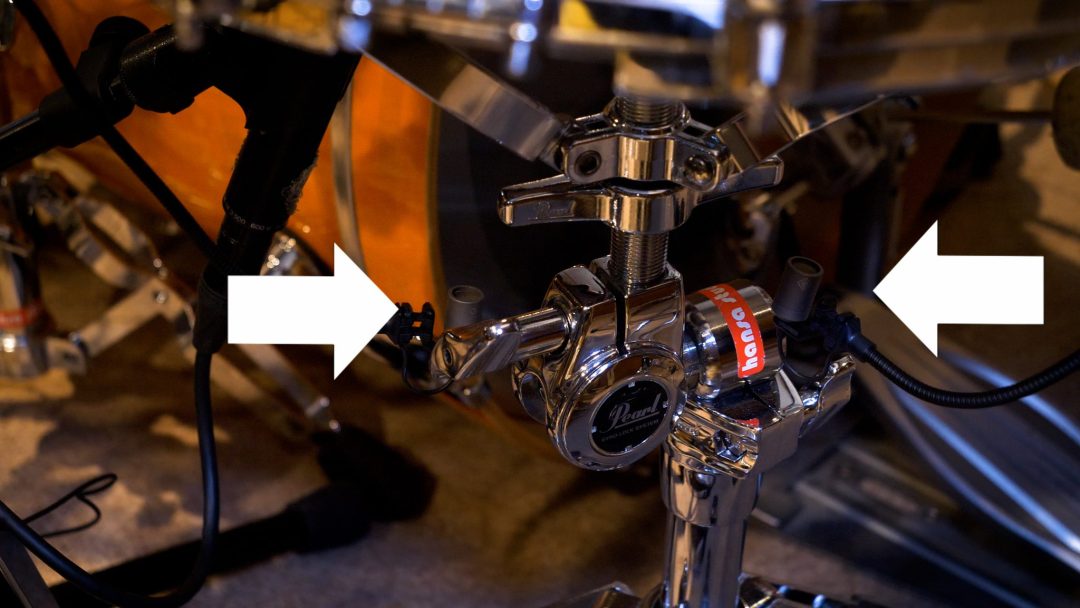
To create a more defined stereo image, Moses utilises two omnidirectional mics positioned under the snare drum, this techqniue he calls the ‘Snareo’. These mics capture the nuances of the kick and snare while maintaining a balanced sound. The distance from the snare ensures that both elements are equally represented in the mix.
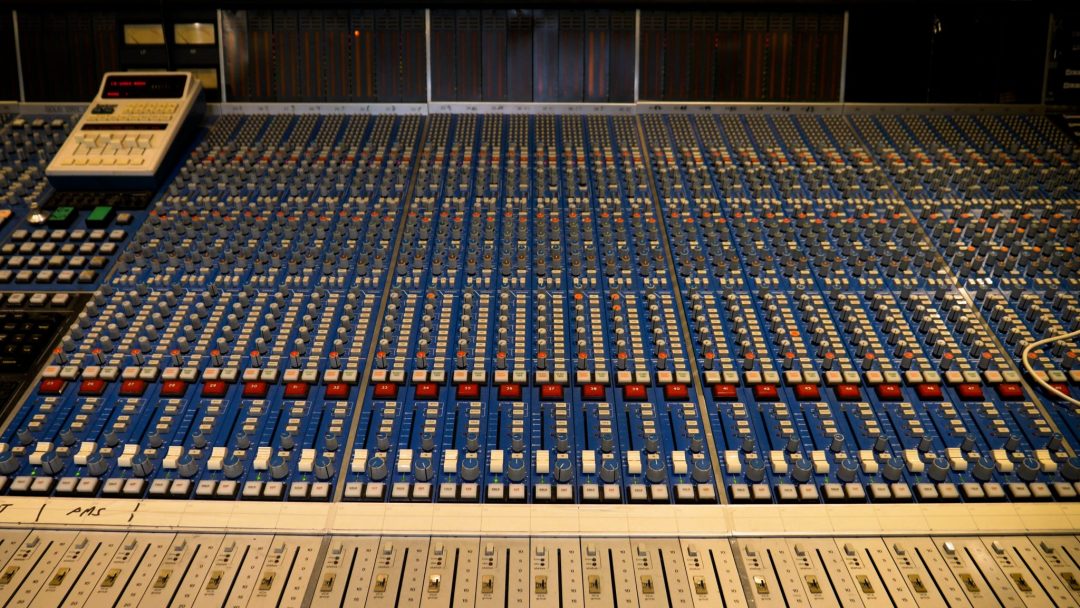
Moses emphasises the importance of compression in his recording process. He often applies heavy compression to various elements of the drum kit to achieve a punchy and controlled sound. By compressing the snare and kick, he can bring out the attack while minimising unwanted resonance.
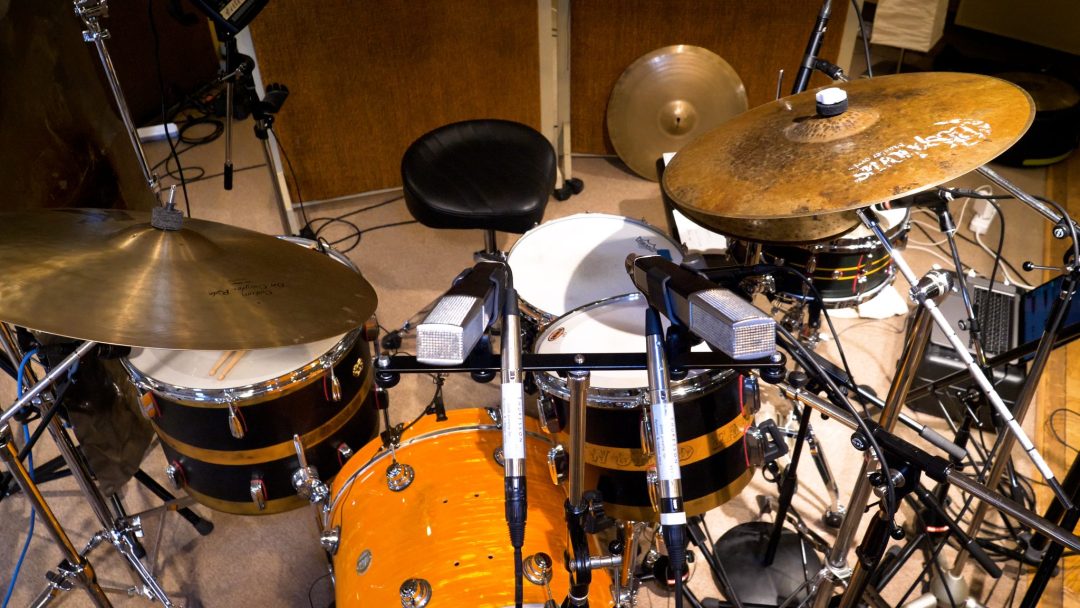
In addition to close miking, Moses also explores the use of room mics to capture the overall ambience of the space. He places these mics, that he calls ‘Droom’, strategically in the null point of the mics, in front of the cymbals pointing out to the room away from teh kit, to avoid picking up too much cymbal noise while still capturing the essence of the room. By blending these room mics with the close mics, he can create a fuller, more dynamic drum sound.
Final Thoughts on Drum Recording Techniques
Moses Schneider’s approach to drum recording is a testament to the art of capturing sound. His willingness to experiment with different mics and positions allows him to achieve a unique sonic palette. By focusing on the interplay of mics, compression, and the physical setup of the drum kit, he creates recordings that resonate with character and depth.
Whether you’re a seasoned engineer or a budding music producer, there’s much to learn from Moses’s techniques. The combination of well-chosen equipment, thoughtful positioning, and creative experimentation can transform your drum recordings into something truly special. The ‘snareo’, ‘wurst’ and ‘droom’ although create unique drum sounds that can either enhance your close mics or replace them.
As we continue to explore the world of music production, it’s clear that the techniques shared by professionals like Moses who are commiting sounds in the recording process Schneider are invaluable. Embracing the complexities of sound and the technology available to us can lead to remarkable creative outcomes.