



The album “Super Unknown” stands as a testament to the power of collaboration, creativity, and the intricate details that go into producing a groundbreaking record. In this discussion with the album’s Producer, my friend, Michael Beinhorn, we delve into the nuances of its creation, from the initial ideas to the final mix, highlighting the contributions of the band members and the producer. Here’s an in-depth exploration of the journey behind this iconic album.
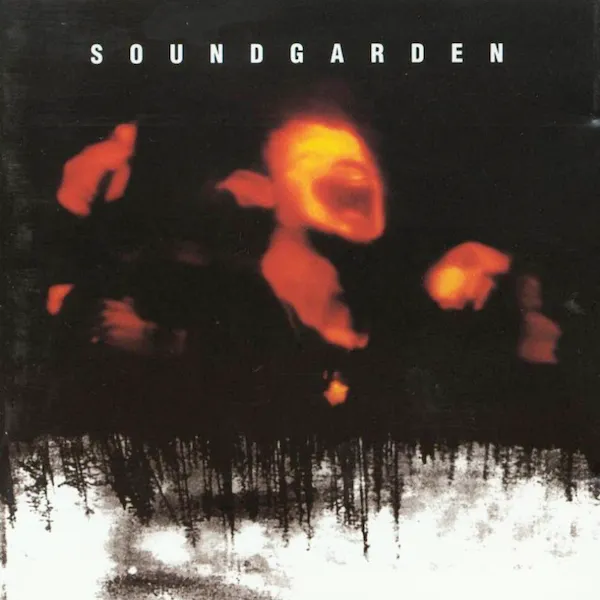

The Origin of the Album’s Name
The album title Superunknown by Soundgarden originated as a play on words and a reflection of the album’s dark, surreal, and introspective themes. It was inspired by a twisted sense of discovery and exploration beyond what is known or understood.
The title itself came from a misreading of the title Superclown, which was a video tape owned by bassist Ben Shepherd. Shepherd thought the tape read Superunknown, and the term stuck as it resonated with the band’s vision for the album. The idea of the “unknown” aligned with the introspective, experimental, and often mysterious tone of the songs on the record.
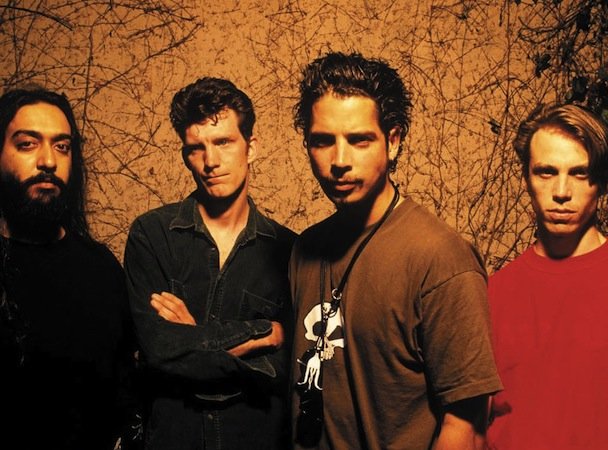

Initially, it was just a name, but as the album progressed, the imagery and themes began to encapsulate the essence of the music. The surreal elements in the album’s visuals complemented the emotionally charged atmosphere that Chris was experiencing at the time.
Selecting The Studio
The recording sessions for Superunknown took place from July to September 1993 at Bad Animals Studio in Seattle, Washington. Chris Cornell explained the choice of location, saying, “There was never a decent studio in Seattle, and now there’s one with a Neve console, so it seemed obvious to use it.” Jason Corsaro engineered the album, Bad Animals’ resident engineer Adam Kasper assisted with Michael Beinhorn co producing with the band.
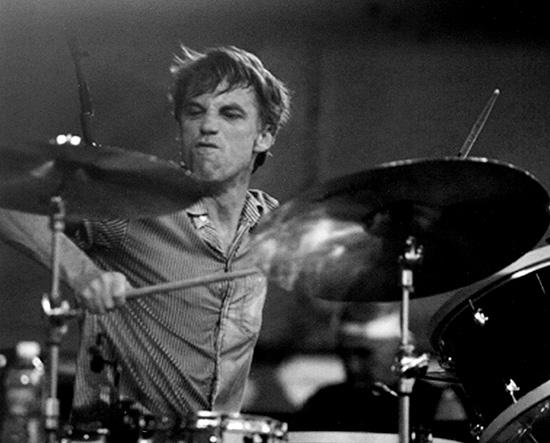

Drums play a pivotal role in any rock album, serving as the foundation of the sound, the bigger and better thd rums sound the bigger and better everything has to be to match, when this alnum came out it pushed the boudarioes of what Rock albums should sound like. The process of achieving the perfect drum sound involved meticulous planning and experimentation.
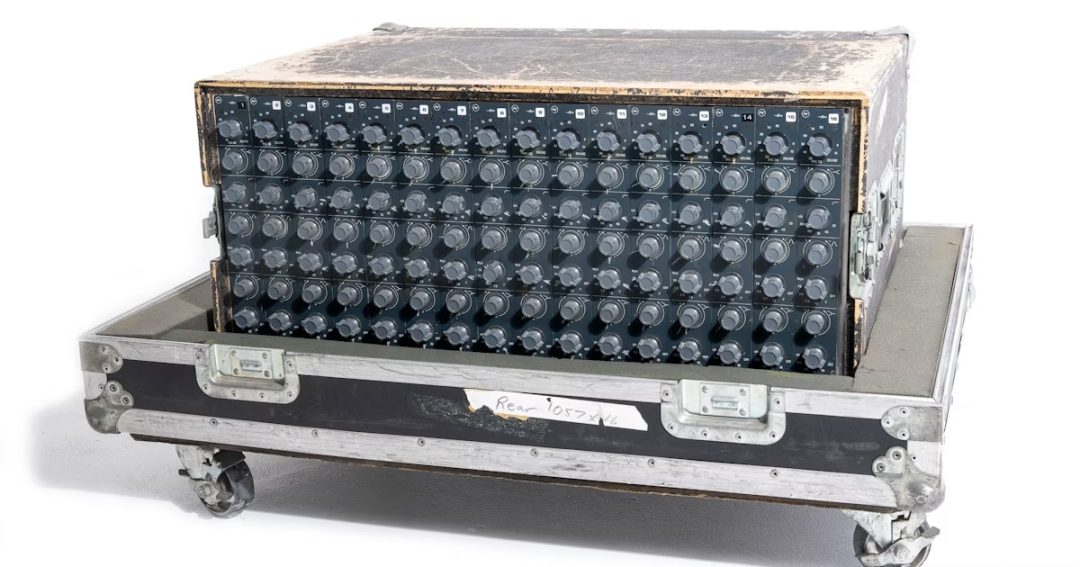
The team spent days finding the right spot in the room for the drum kit, trying different microphone placements, drum heads, and symbols. This rigorous approach led to a unique sound that defined the album. Along with the Bad Animals Neve console, Michael Beinhorn brought his collection of Neve 1057 mic pres which helped contribute to the unique sound of the drum recording.

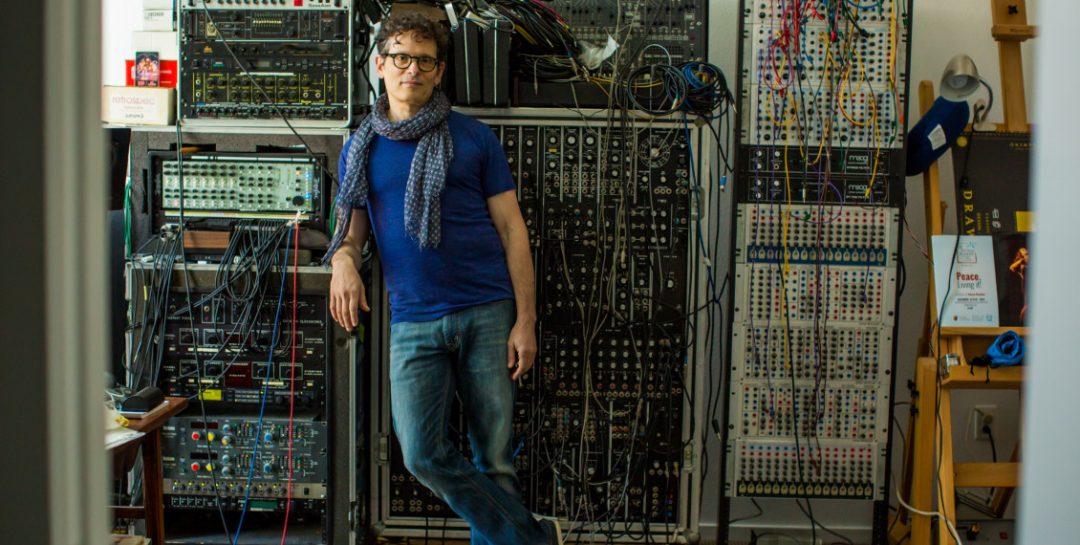

The drum sounds on Superunknown by Soundgarden are widely regarded as some of the best in rock production, thanks to the
meticulous recording techniques of producer Michael Beinhorn and engineer Adam Casper. While exact details of the microphones used haven’t been officially documented in full, we can piece together a good idea based on interviews, studio practices of the time, and Adam Casper’s general approach to drum recording.
Here’s a likely rundown of the mics used on the drums:
Kick Drum
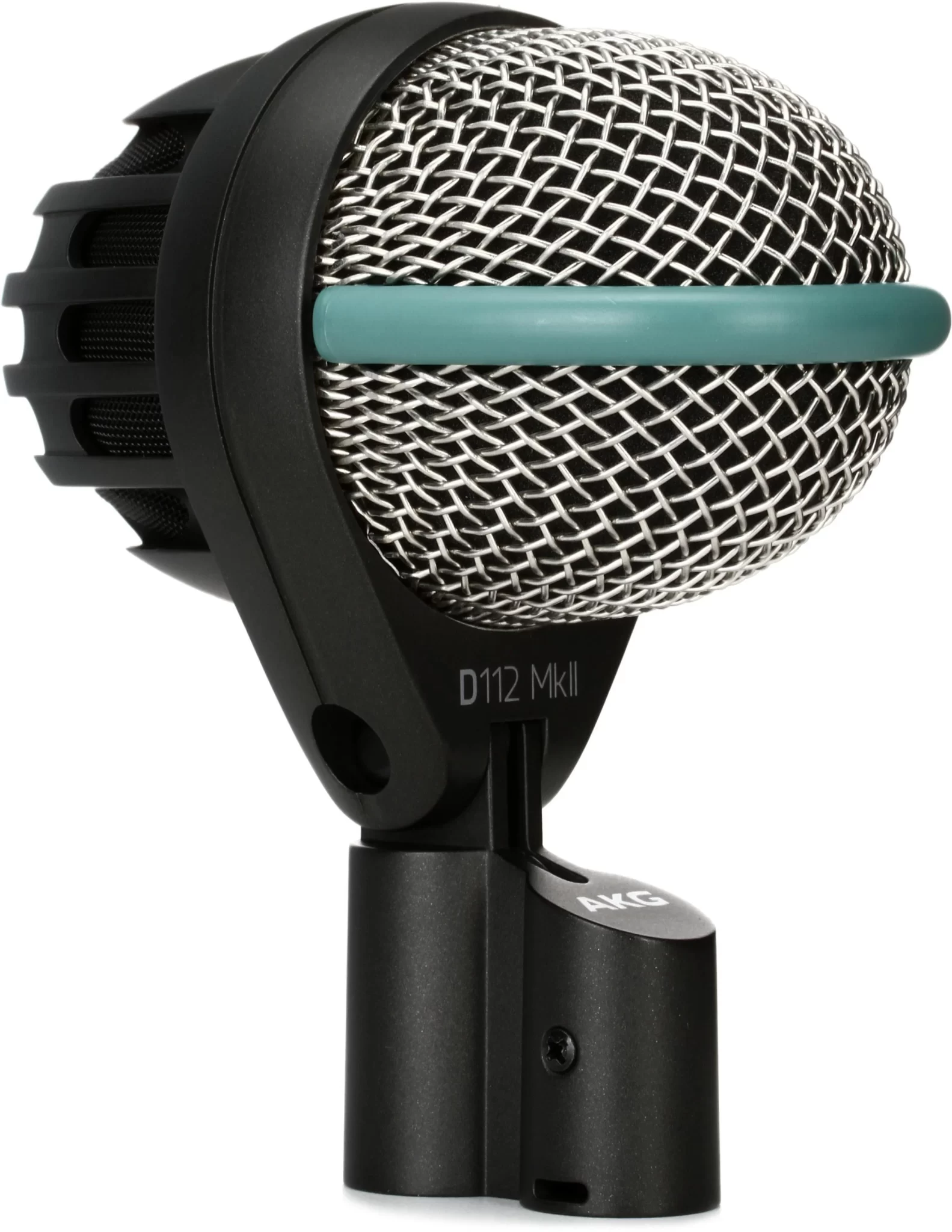
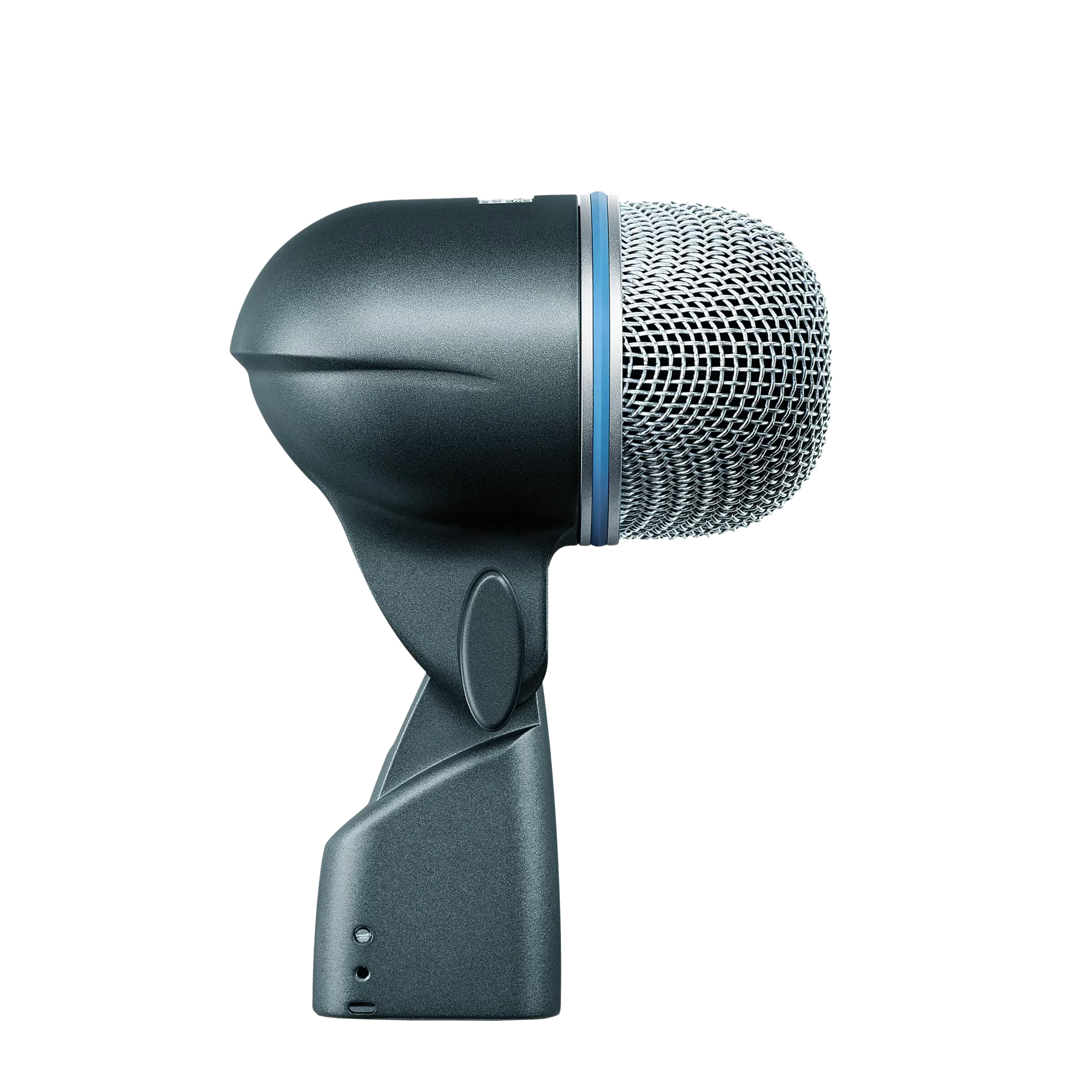
Shure Beta 52 or AKG D112: Popular choices for capturing the low-end thump and punch of a kick drum.
Electro-Voice RE20: Sometimes used for a more balanced, natural kick sound.
A second mic may have been used inside the drum for attack, with one outside for the sub frequencies.


Snare Drum
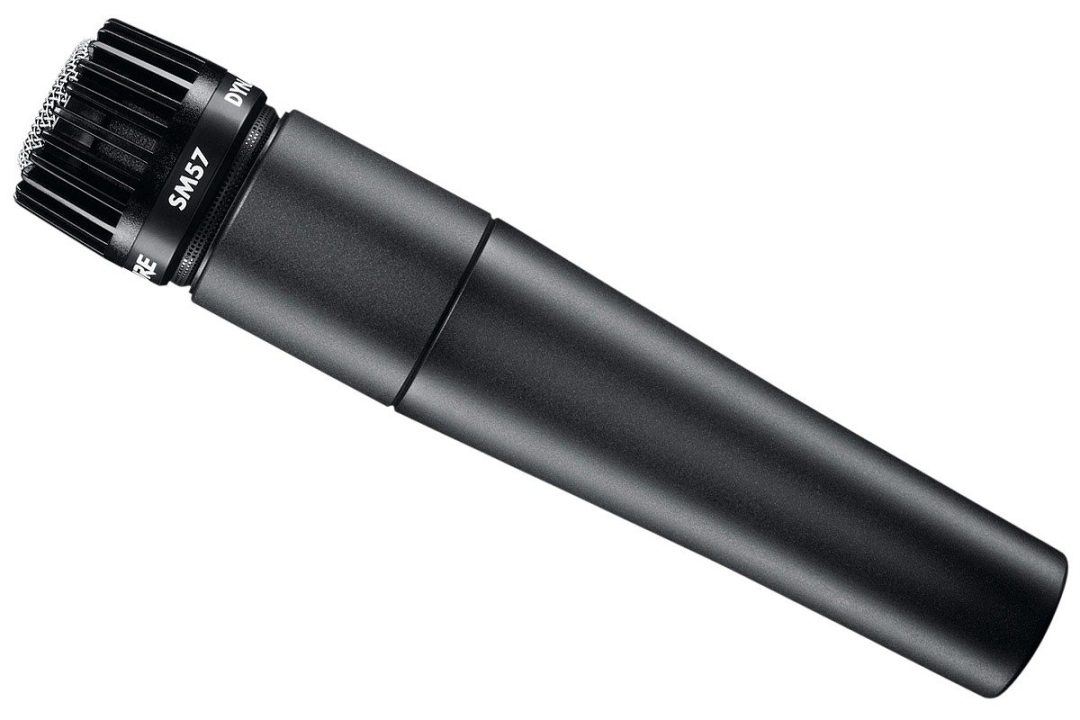
Shure SM57: A classic for capturing the snare’s snap and presence on the top head.
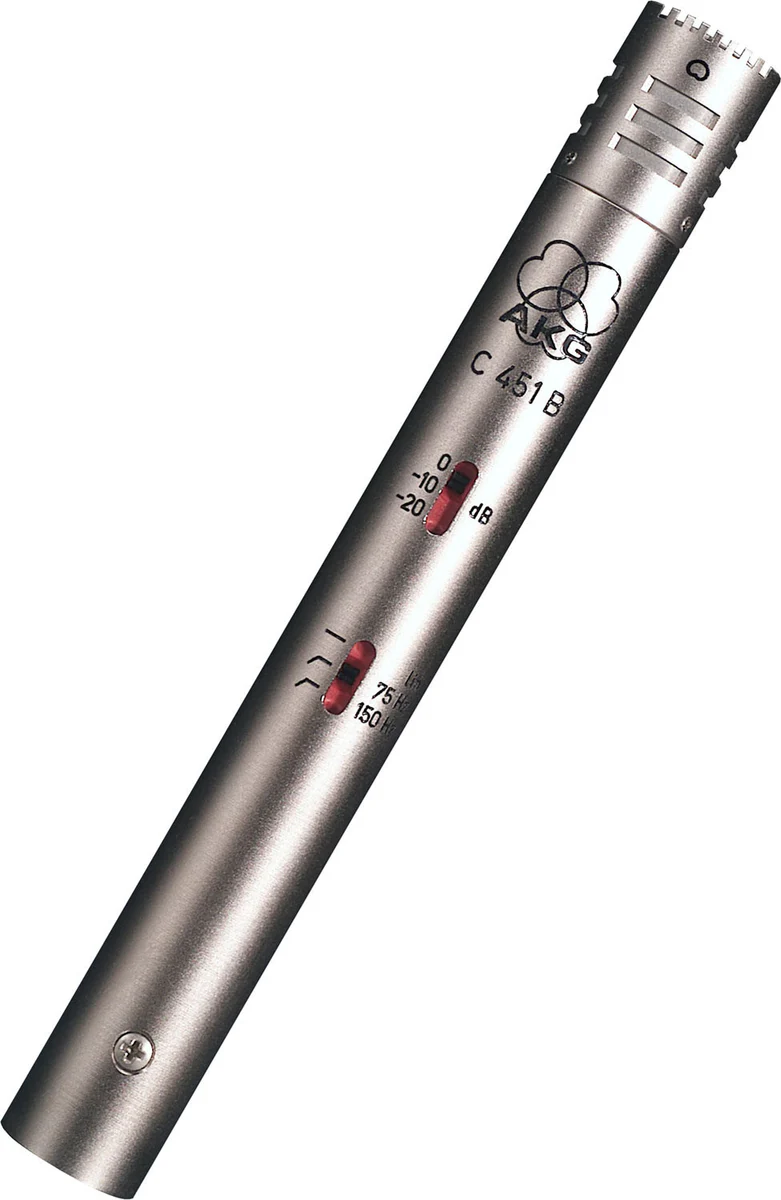
AKG C451 used as an under-snare mic for added detail and rattle.

Toms
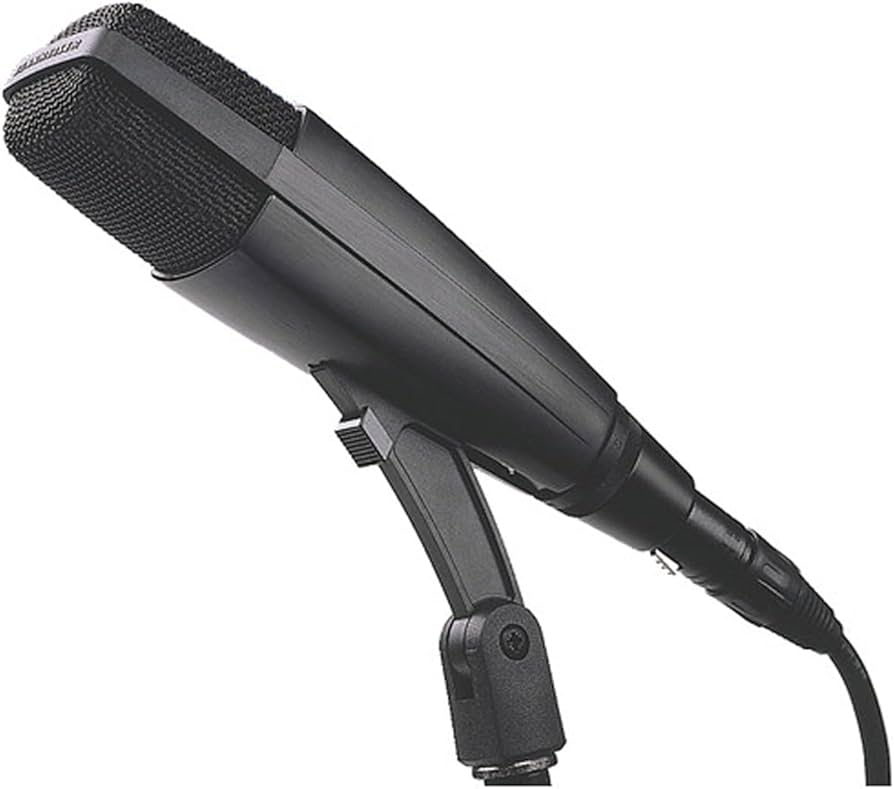
Sennheiser MD 421: Used on the toms, given their reputation for handling low and mid frequencies while maintaining clarity.

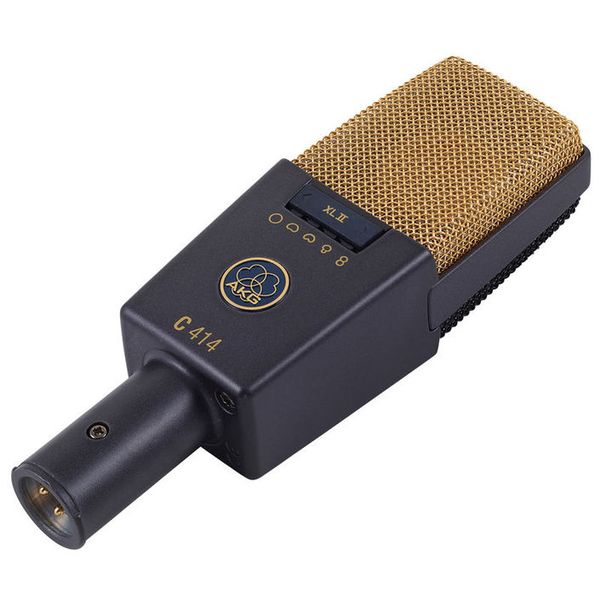
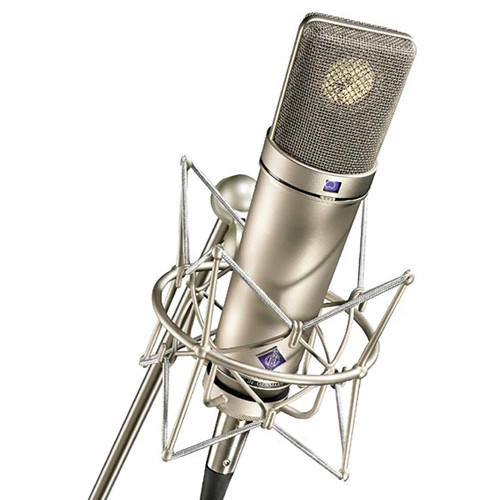
Neumann U87 or AKG C414: Large-diaphragm condensers like these were probably used as overheads to capture the cymbals and overall kit ambiance.
Ribbon mics, such as Royer R-121, might have also been used for their smooth high-end response.

Hi-Hat
AKG C451 small-diaphragm condenser: captures the crispness and detail of the hi-hat.

Room Mics
Neumann U67/Coles 4038 (ribbon mics): Used to capture the massive room sound that adds depth and ambiance to the drums.
The live room at Bad Animals Studio (Seattle), where much of Superunknown was recorded, contributed significantly to the overall sound.
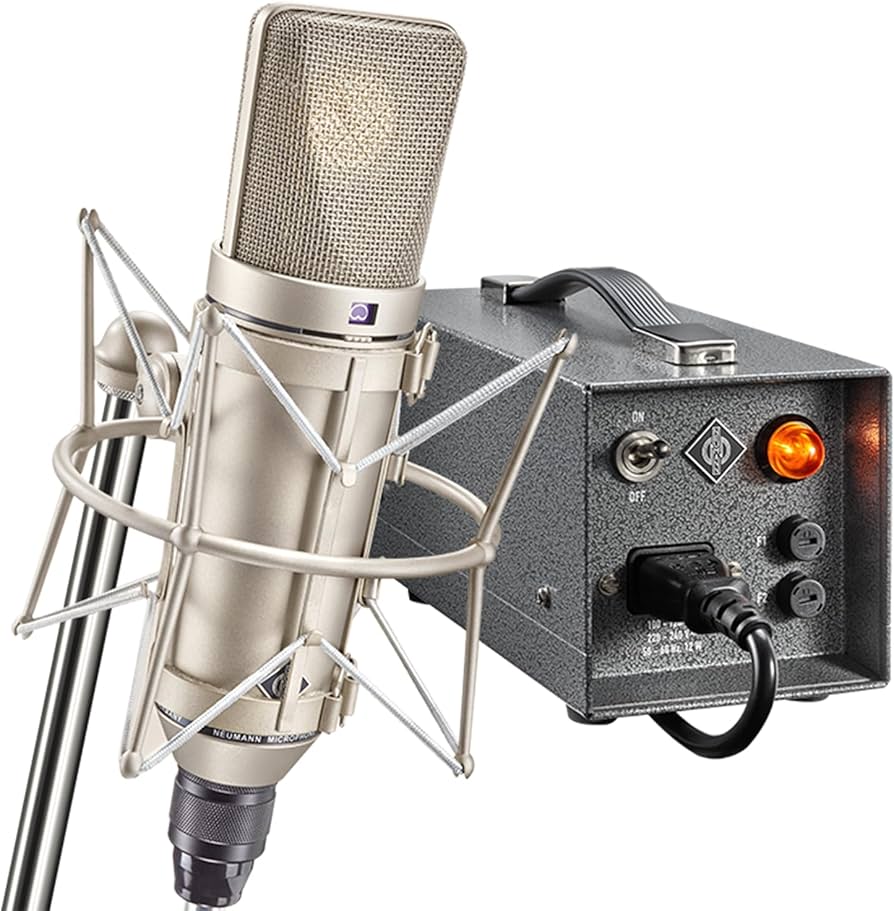

Michael Beinhorn is known for experimenting with mic placements to achieve larger-than-life drum sounds. This could have included
placing mics at unusual distances to capture natural reverb or even gating room mics to create a more dramatic sound.
While the specific gear list might vary slightly, the combination of high-quality mics, precise placement, and creative processing resulted in the massive, polished, yet exciting and aggressive drum tones that defined the album.
Experimenting with Drum Kits
The team experimented with various drum kits, tuning them differently, and even selected multiple snares to find the best fit for the sound they wanted. Matt Cameron stated in the June 1994 issue of Modern Drummer magazine that “Gregg Keplinger was in the studio this time to help me out with things, changing heads and putting up cymbals. But one of the biggest things to me was that he would play the drums while I went into the control room and helped dial in the sounds. That saved a lot of time and kept me fresh when it was time to do a take.’ One of the snares used on the album, was a prototype from Gregg Keplinger, became integral to the recording of tracks like “Black Hole Sun.” This experimentation was essential in creating such a unique sound that has continued to stand out in the rock genre to this day. The drum sounds are a benchmark that all other rock drums since have been judged against.
Capturing the Right Vocal Performance
Vocal recording presented its own challenges. Chris was known for his powerful voice, Michael had to find the right microphone setup to capture its nuances. This involved testing numerous microphones to ensure they could handle the intensity of Chris’s singing without distortion. The final choice came down to the U47 for softer singing and a U87 for when he was doing his most dynamic singing.
The Neumann U87, a widely-used large-diaphragm condenser microphone prized for its warm, detailed sound and versatility. The U87 is known for its ability to capture the nuances of a vocalist’s performance, making it ideal for Cornell’s powerful and dynamic voice. Chris’ power was so great that he blew out a handful of U87s diaphragms!
On ‘Black Hole Sun’ for instance, Producer Michael Beinhorn was so meticulous about the vocal production and realising that Chris wanted to immerse himself in the vocal recording he left him to record the vocals by himself, only having Michael hear when he was satisfied.


Michael would then comp these takes together to create the best performance. Chris was always focused on emotional delivery, and he would not hesitate to reject takes that didn’t resonate with him. This level of self-awareness and commitment to quality played a significant role in the album’s success.
Mixing: Finding the Right Balance
Brendan O’Brien mixed the album. Brendan is highly respected producer and engineer is his own right, who is known for his work with major rock acts like Pearl Jam, Stone Temple Pilots, and Rage Against the Machine. O’Brien brought his expertise in creating powerful, polished mixes that retain the raw energy of the performances.
His mixing played a crucial role in balancing the album’s dense layers, from the intricate guitar riffs and heavy basslines to Matt Cameron’s dynamic drumming and Chris Cornell’s soaring vocals. O’Brien’s work ensured that each element had clarity while contributing to the album’s expansive, atmospheric sound, helping Superunknown achieve its iconic status.
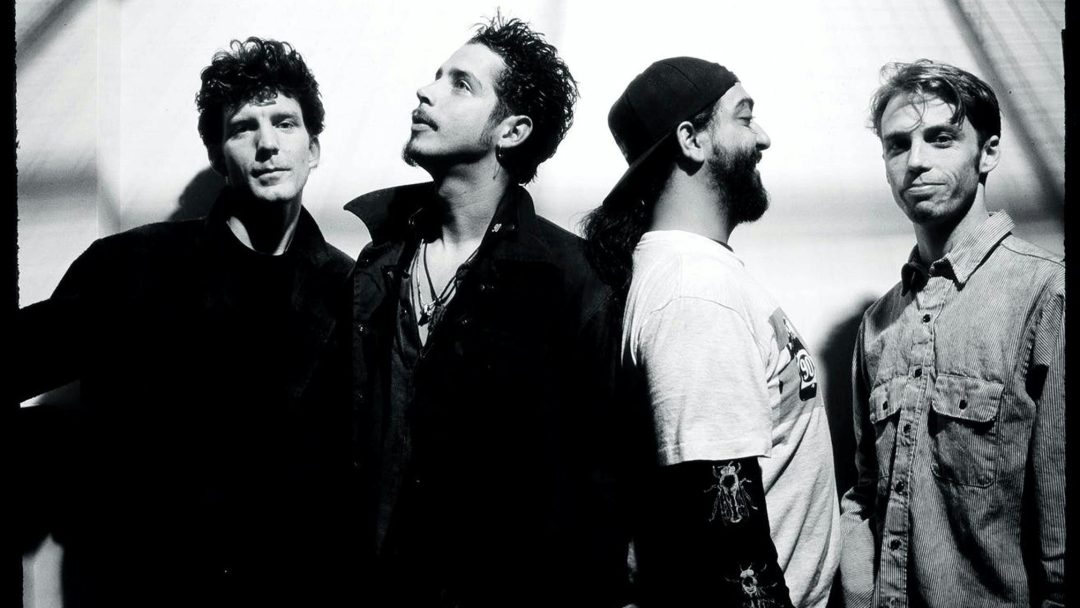

As the album came together, it became evident that every element played a significant role in its success. From the initial concept to the
intricate details of recording and mixing, “Superunknown” is a product of creativity, collaboration, and a relentless pursuit of excellence. The album’s legacy continues to influence musicians and producers alike, showcasing the beauty of a well-crafted rock record.
Conclusion
Superunknown solidified Soundgarden’s place in rock history, influencing countless bands with its innovative approach to songwriting, arrangement, and production. The album’s success helped push the boundaries of what grunge and rock could achieve, making it a benchmark for the genre.
Its combination of creative ambition, technical excellence, and emotional depth ensures its lasting impact and status as one of the greatest rock albums of all time.