


In the heart of San Francisco, the legendary Studio D inside Hyde Street Studios serves as a backdrop for a fascinating conversation with Otis McDonald, also known as Joe Bagale. More than just an artist, he is a multifaceted producer, mixer, and educator who has leveraged technology and streaming platforms to build an audience in unconventional ways. This blog delves into Otis’s journey, his passion for music, the iconic studio where he creates, and his innovative approach to distribution in the digital age.


Meet Otis McDonald
Born in 1983 in Rochester, New York, Otis McDonald grew up in a musical household. His father taught music theory, composition, and recording, fostering an environment where he and his brothers became multi-instrumentalists. His first major musical epiphany came at 11 when he watched The Beatles Anthology documentary. “They were the number one influence for me,” he recalls.
Like many young musicians, he started in high-school bands, playing covers of Weezer, Nirvana, Led Zeppelin, and The Beatles. But his talent extended beyond performance—he was already writing and recording his own material. By high school, he had honed his drumming skills under Rich Thompson, a former drummer for the Count Basie Orchestra, leading him to study at the Eastman School of Music in Rochester.
His musical journey took a pivotal turn when he moved to San Francisco, drawn by the city’s rich history of funk and R&B. “I moved here 22 years ago because I was obsessed with all of Herbie Hancock’s funk records,” he says, noting the influence of Bay Area legends like Sly Stone and Tower of Power.

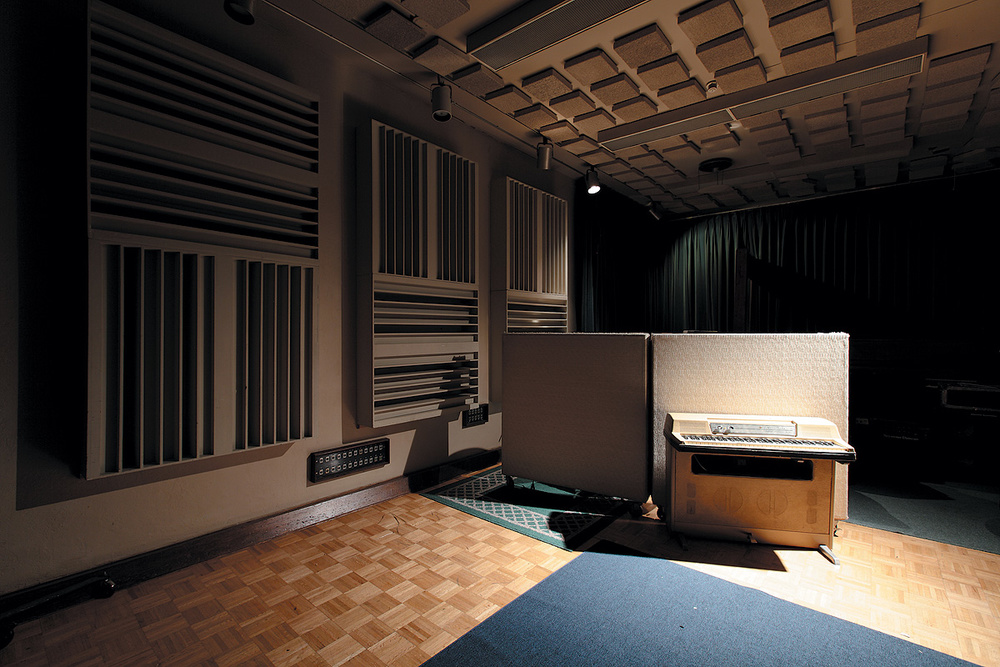
Studio D: A Historic Space
Otis’s creative hub, Studio D, is steeped in history. Located inside Hyde Street Studios, he found it through Craigslist, an almost fated discovery that aligned with his passion for vintage recording spaces. “I came here with my two-month-old son in his stroller, and I walked right in and was like, ‘Oh man, this feels like a Bill Putnam room.’”
Designed by Wally Heider, a protégé of Putnam, the studio mirrors the acoustics of EastWest Studios’ Studio 3, where numerous classic records were made. With its carefully crafted, reflection-free environment, Studio D allows Otis to achieve the warm, rich sound he’s known for.
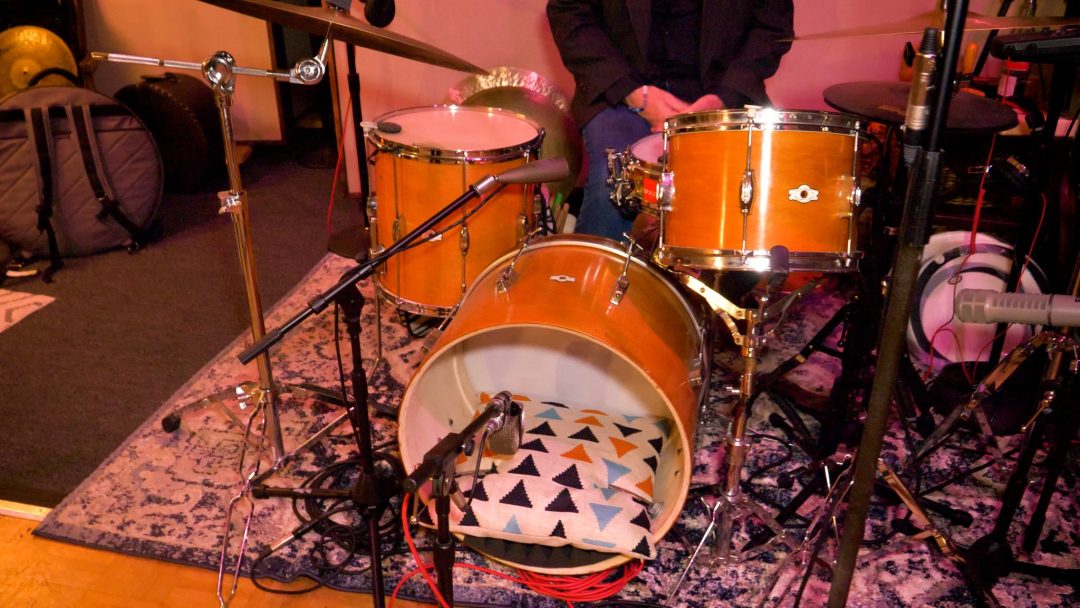
His arsenal of gear includes vintage RCA microphones—once used on The Tonight Show—as well as a treasured Camco drum set he’s played since childhood. His collection also features a ’67 B15N bass amp and a Princeton Reverb, further shaping his signature sound.

From Studio to Streaming: The YouTube Experiment
Otis’s journey took an unconventional route when he embraced YouTube as a tool for audience-building and income generation. His introduction to the platform came through friends in New York, who showed him its potential as an artistic hub.
At the end of 2013, fresh from a tour playing keyboards and singing for Mickey Hart of The Grateful Dead, Otis needed a new way to sustain himself financially. When YouTube’s royalty-free audio library was in its trial stage, he saw an opportunity. He submitted music for approval, and once accepted, his tracks became available for blanket use on the platform.
His reasoning was strategic: “YouTube being the biggest streaming service, it would be in my best interests to make the music as top quality as possible because it was almost like handing out a bunch of business cards—literally millions of business cards!”
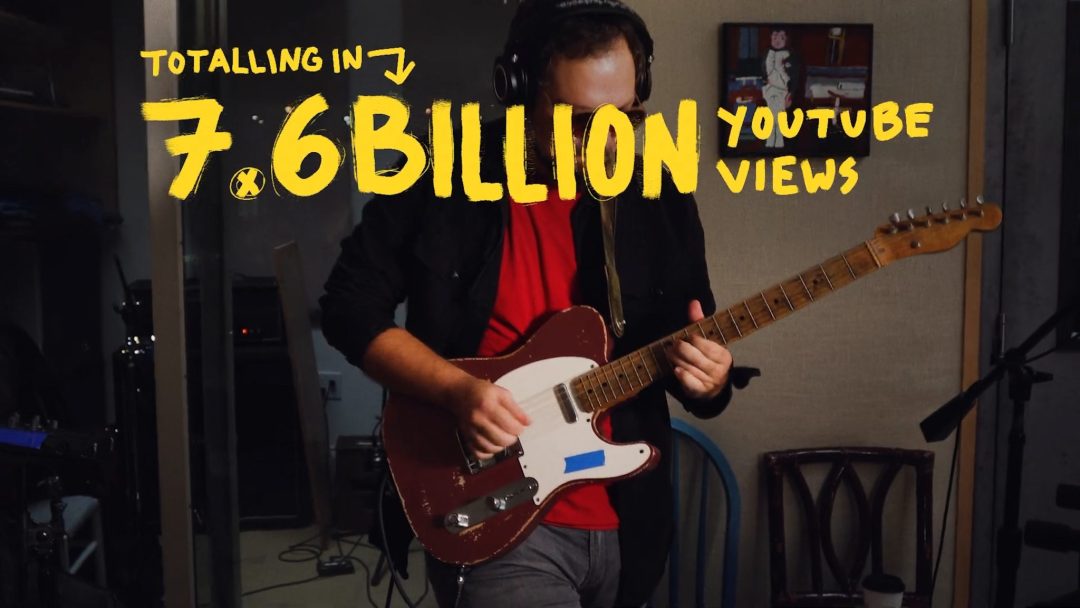
The strategy worked. His music has been used in over 3.5 million YouTube videos, accumulating more than 7.6 billion views. Despite not demanding attribution, his audience took it upon themselves to credit him, linking back to his site and YouTube channel, driving traffic to his full-length tracks on Spotify and Apple Music.

Creating Music: The Process
Otis employs a unique workflow, using Ableton to turn his studio into a giant looping pedal. He controls everything with Touchable Pro on his iPad, recording sections of music in real-time. “I lay down 16 bars, and to me, that’s not a loop; it’s a section of music,” he explains. This spontaneous method allows him to retain the organic energy of a live performance while enjoying the control of a studio setting.
The Value Gap Debate: A Musician’s Perspective
Otis’s success raises interesting questions about the so-called ‘value gap’ in streaming. The EU Copyright Directive sought to address issues surrounding platforms like YouTube, which, despite paying royalties, often compensate less than services like Spotify. For many artists, this disparity is a major concern.
However, Otis takes a pragmatic approach. “I get into pretty heated discussions with other musicians as to whether or not this is ‘devaluing’ music by raising the quality of royalty-free music. The question then is: what is the value of music?” he asks.
For him, the answer lies in exposure. “There is significantly more value in more people hearing music than me making $10 from CDs for 100 people.” Comparing his work to commissioned paintings, he sees his role as an artist who creates for wide consumption, ensuring his name is always attached.
“YouTube is my shop window,” he states. “How would millions of people have heard my music if I held it back and distributed it traditionally? At least I am getting paid to make something and get it out there.”

Balancing Family and Music
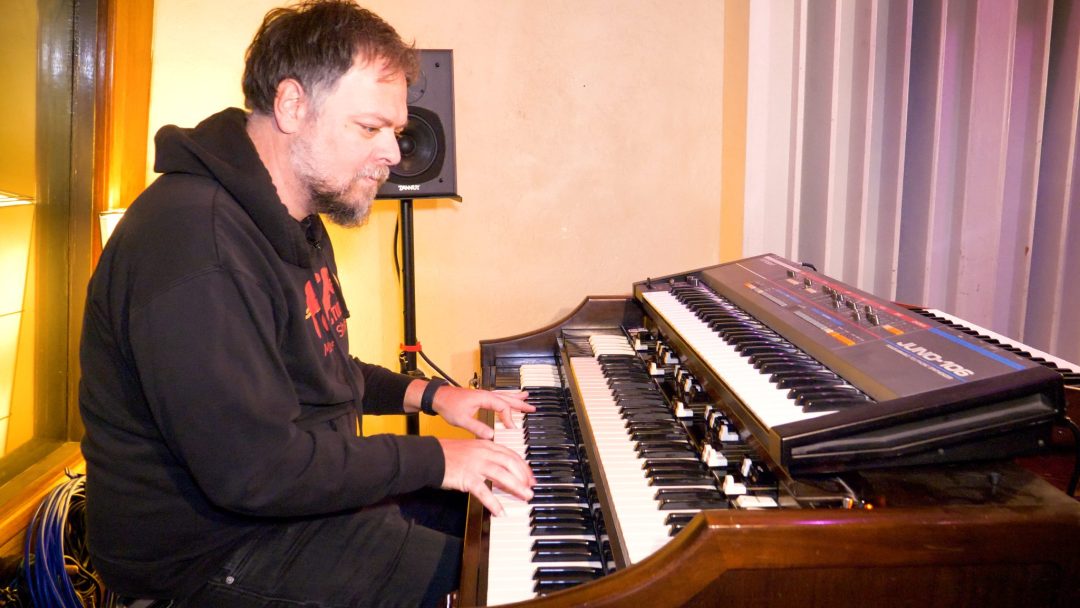
A father of two, Otis balances his musical career with family life in Petaluma, where he and his family have lived for 14 years. “Somehow, we have two kids, we live here, and we’re eating,” he jokes, appreciating the support that allows him to continue pursuing his passion.
While no longer teaching at the California Jazz Conservatory, he remains an educator at heart, sharing insights via YouTube and live-streaming his creative process. “I like to make samples and chop them up,” he says, showcasing his love for sonic experimentation.
Embracing Change and Innovation
Always one to experiment, Otis has tested YouTube as a proxy A&R platform. By releasing a snippet of a new song every week for 15 weeks, he let audience engagement determine which tracks made it onto his next album. “I love Choose Your Own Adventure books, and this felt like the musical equivalent,” he explains.
Looking ahead, he continues to release a new song every Friday on Spotify, adapting to the fast-paced nature of modern music consumption. “You’ve got to do all the jobs a label would do for you,” he says, reinforcing his DIY ethos.

Conclusion: The Heart of a Musician
Otis McDonald embodies the modern independent musician—blending passion, innovation, and adaptability to navigate an evolving industry. His journey from Rochester to San Francisco, his dedication to his craft, and his embrace of technology offer a compelling blueprint for artists looking to make their mark in the digital age.
For those eager to explore the world of music production, his story serves as both inspiration and a roadmap. “Check me out,” he says, inviting listeners to join him on his ever-evolving musical journey.