

Hi everybody, hope you are doing marvellously well.
This FAQ Friday was filmed at Sensible Music in Status Flow’s studio, which is a lovely sounding room and a really good real world example of how a modern working space can be set up. In this session we dug into four things people ask all the time:
-
Reverb on the master bus
-
When something is “too compressed” or “too EQ’d”
-
The smartest way to buy your first bit of hardware
-
How to match your monitors to your room
Let us dive in.

1. Reverb On The Master Bus: Madness Or Magic?
The question was, “What are your thoughts about reverb on the master bus?”
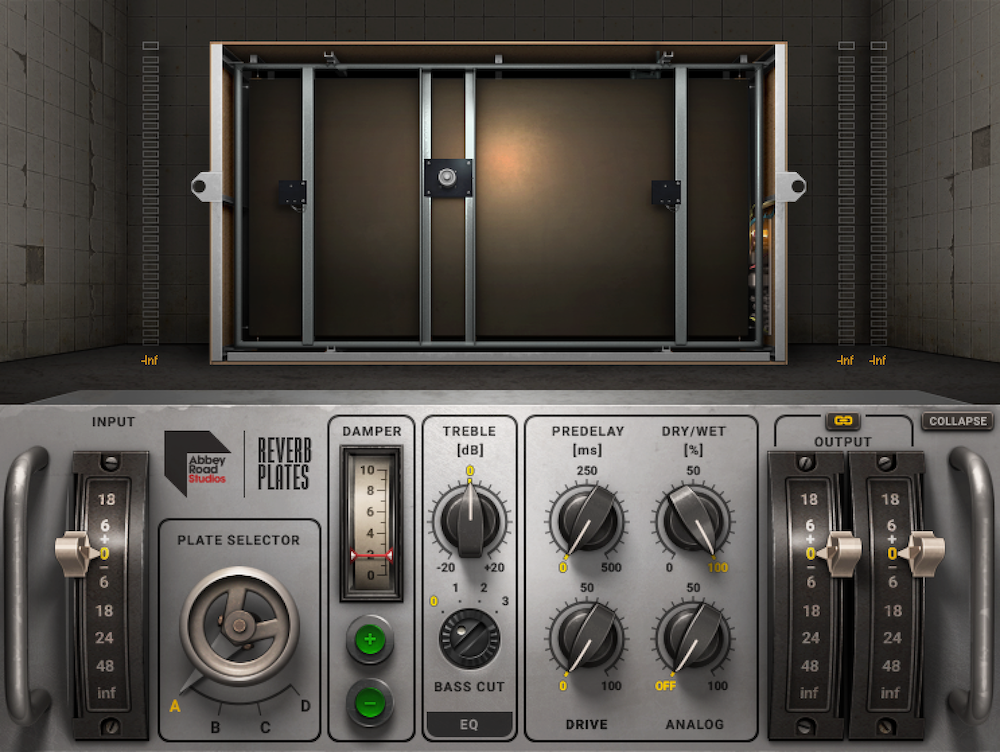
My first reaction was, “I never do that.” Then I remembered that I actually have. On “Bootstraps” we mixed in a hybrid fashion through my SSL, then decided we wanted even more glue and space. So we did something very simple.
-
We took the finished mix
-
Sent that stereo mix to a reverb
-
Brought that verb back on a pair of returns
-
Blended it in subtly with the full mix
So yes, there is literally reverb on the entire mix. Not swimming, not an obvious effect, just enough to make everything feel like it lives in the same space.
Would I do it every day? No. That might be the only time I have ever done it. However if you want that “everyone in the same hall / plate / room” feeling, treating the whole mix with a single reverb can be a really cool stylistic choice.
The takeaway:
Reverb on the mix bus is not a rule or a crime. It is a flavour. If it serves the song, do it. If not, do not.

2. “Too Compressed” Or Just Badly Compressed?
The phrase “too compressed” gets thrown around a lot, especially online. People complain that modern music is “too compressed” then you pull up a classic record from the seventies and it is absolutely smashed in the best possible way.
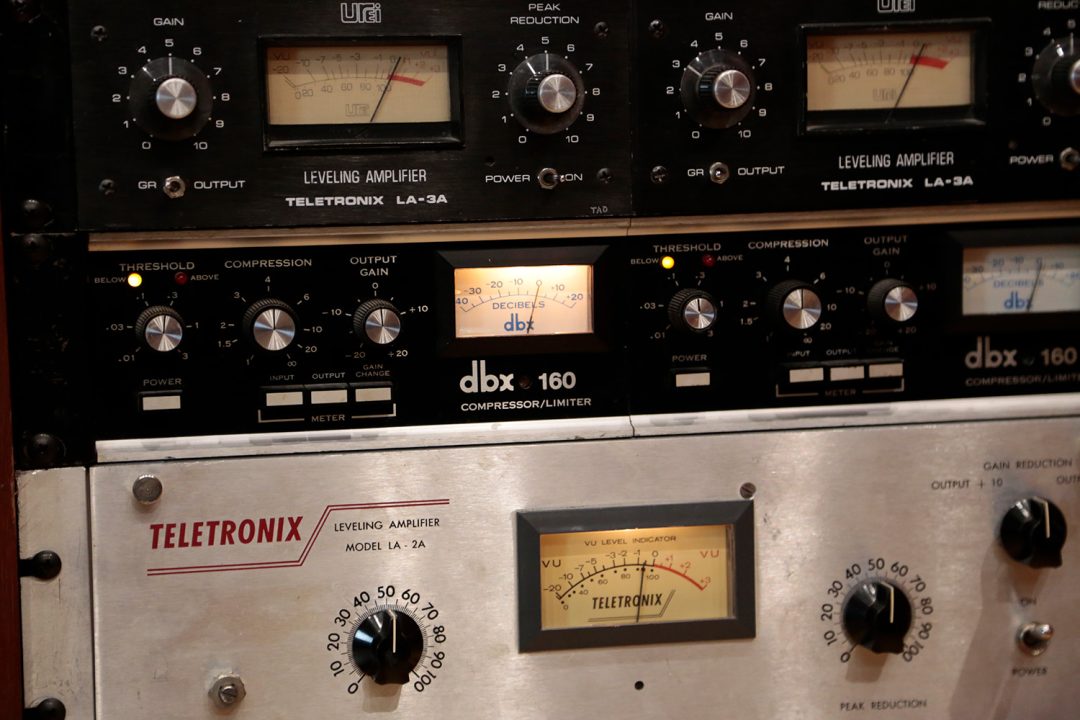
I have been lucky to work with people like Jack Douglas, Shelly Yakus and Jay Messina, guys who made many of those records. They would stack compressors on a single source and the signal would still sound massive and full of character. Jack has made me use more compressors on one track than I had ever done in my life and it sounded enormous.
So the real problem usually is not “too compressed”, it is badly compressed.
Signs something is badly compressed
-
The transient pops through, then the rest of the sound collapses
-
A vocal goes “waaa” then immediately ducks and feels like it is choking
-
The mix feels small because a limiter is squashing every transient on the master bus
You can absolutely use a lot of compression and still keep punch and movement if you:
-
Use serial compression: a few dB on each stage instead of one unit doing all the work
-
Set attack and release times so the transients breathe, not disappear
-
Think tone and density rather than “how much gain reduction can I get”
A great example is bass guitar. Often I want that part very controlled so every note feels even. I might use two or three compressors in a row, each doing a small amount. When it is right the bass feels like a piano: solid, powerful notes with clear attack and sustain, not a lifeless blob.
So rather than asking “Is this too compressed?” ask:
“Does it feel choked or does it feel bigger and more controlled?”
If it feels bigger, you are probably fine. If it feels like someone is putting their hand over the speaker, you have gone into “badly compressed” territory.

3. When Is An EQ Move “Too Much”?
EQ has its own version of “too compressed”.
One of the big problems I hear is people finding a frequency they like, then boosting it far too narrowly and aggressively. The result is often:
-
Pointy
-
Nasal
-
Weirdly focused on one tiny band rather than the whole sound
A simple rule of thumb that works surprisingly often:
-
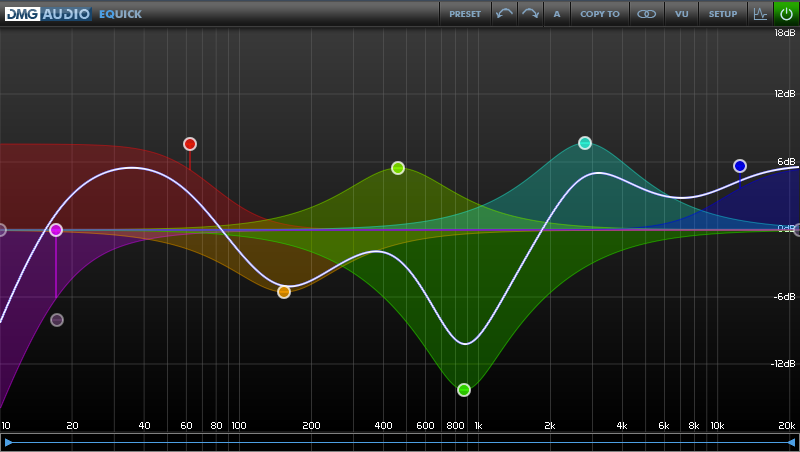
Broad boosts, narrow cuts
If something is ripping your head off at 3 kHz, go in with a fairly tight Q and pull it out. If you want more brightness in general, use a wider band or a shelf and lift the whole area, not a tiny spike.
Same with low end. If you just slam a narrow 60 Hz boost on a kick drum it can sound horrible and boomy. However if you:
-
Add a broader lift in the lows
-
Roll off extreme sub stuff at 30–40 Hz if needed
-
Take a little dip around 80–100 Hz to make space for the bass guitar
you end up shaping the whole low end in a musical way rather than building one ugly hump.
Also remember that heavy EQ moves affect phase relationships between frequencies. Sometimes that extra aggression or oddness is exactly what you want, sometimes it just makes everything sound harsh.
So ask yourself:
“Does this EQ move make the instrument sound more like itself or more like an EQ curve?”
If you hear the gear more than the source, pull it back.

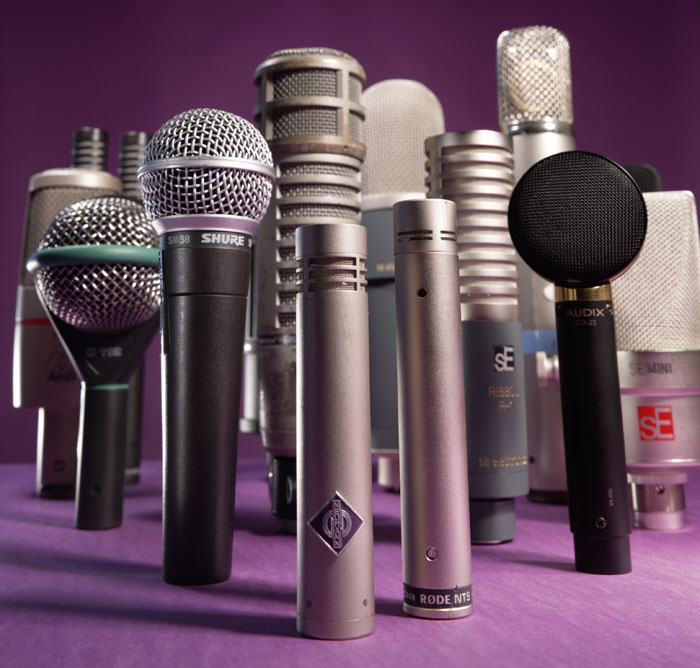
4. Your First Bit Of Hardware: Where To Start
Another question was about getting into hardware for the first time and making wise purchases.
The honest answer is that 90 percent of what you will record can be beautifully handled with:
-
One really good mic preamp
-
One really good compressor
Most interfaces already have built in pres, so an external pre is about flavour and quality, not simply necessity. Pair that with a solid compressor and you can:
-
Shape vocals on the way in
-
Do guitar overdubs
-
Mic a mono piano or acoustic guitar
-
Track bass through DI plus mic pre and compressor
I love compressing on the way in. On many of the multitracks we give away, people are surprised how little processing we do in the mix because the sound is already gently shaped at the recording stage.
Typically it is something like:
-
Mic into a nice preamp
-
A little EQ or high pass if needed
-
Into a compressor doing a few dB
-
Then into your interface / DAW
That subtle shaping means when you push the faders up everything already sounds like a record, rather than a collection of problems waiting to be fixed.
If your budget only allows one purchase, start with a good preamp. As funds allow, add a compressor to live on your main vocal / instrument chain. Those two boxes can serve you for years.

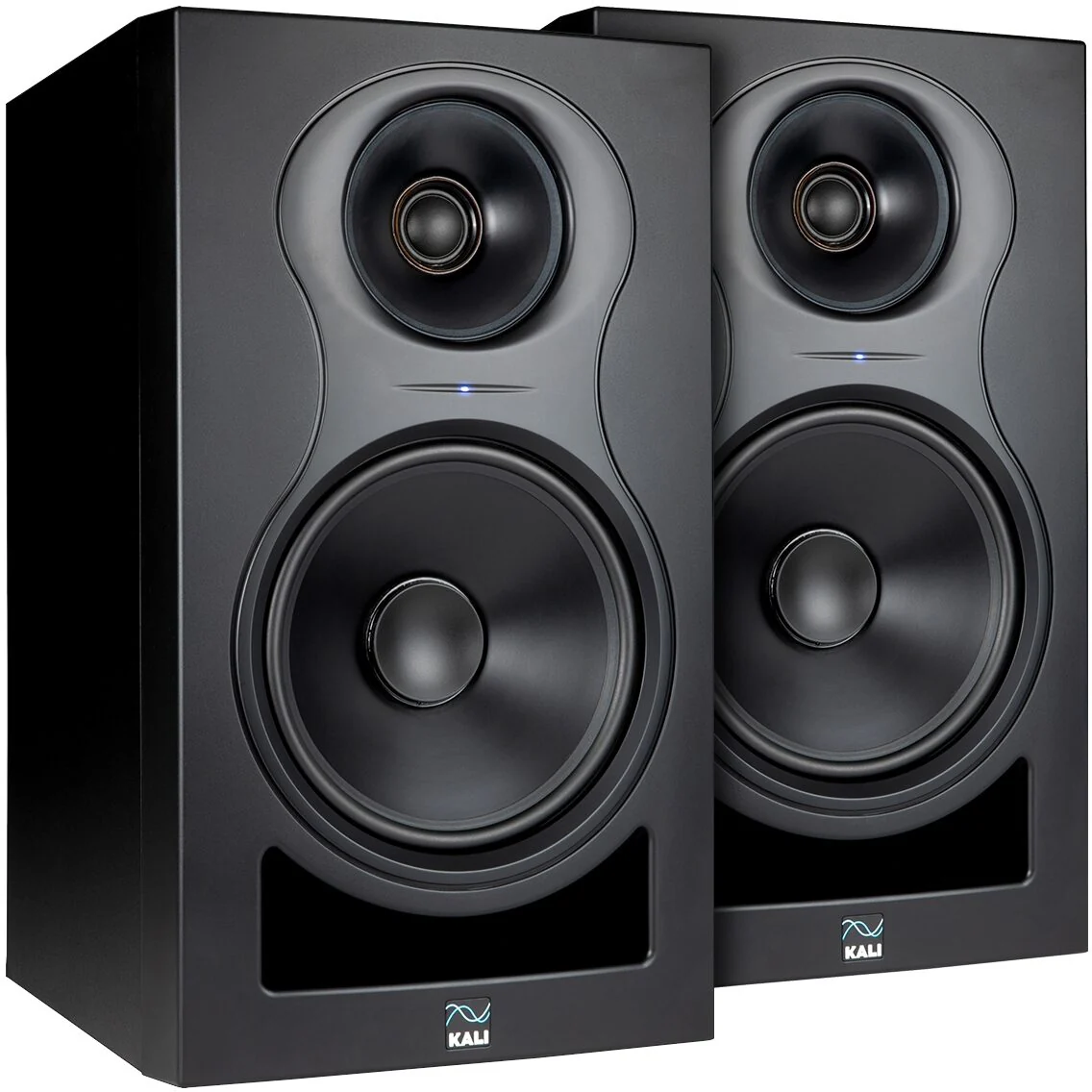
5. Choosing Monitor Size For Your Room
Last question: how do you know what size monitors are right for your room?
In Status Flow’s room there were twin Focals that looked like 6 inch drivers plus a pair of Avantones on top. In a space around 12 by 15 or 12 by 18 feet, that felt completely usable, and I would happily sit in there with 8 inch speakers as well.
Here is a simple way to think about it.
Rough guide
-
4–5 inch
-
Very small rooms or a mixing setup in the corner of a room
-
You will almost certainly want a sub if you need to judge low end properly
-
-
6 inch
-
Small bedrooms and tighter spaces
-
Great for nearfield work
-
Often benefit from a sub if you need to hear the bottom octave
-
-
8 inch
-
Most average sized rooms and home studios
-
Good balance of low end and control
-
A sub is still helpful if the room is treated and you want to feel true sub information
-
-
10 inch and above
-
Larger control rooms
-
Great if you are sitting a bit further back and need to impress a band with volume
-
The other factor is how you handle the low end. In a bigger room you can absolutely get away with 6 inch speakers if you high pass them a bit and hand the deep lows to a properly placed sub. That can be a very flexible and musical setup.
So think in terms of:
-
Room size
-
Listening distance
-
Whether you will add a sub and manage it correctly
rather than just “bigger is better”.
Final Thoughts
These questions all come back to the same idea. There are no sacred rules, only results that either serve the song or get in the way.
-
Reverb on the mix bus can be beautiful if it fits the aesthetic
-
Compression is not the enemy, bad settings are
-
EQ is at its best when you shape broadly and cut precisely
-
A single great preamp and compressor chain can transform your recordings
-
Monitors should match your room, not your ego
Trust your ears, be willing to experiment and do what makes the music feel exciting.
Have a marvellous time recording and mixing.