
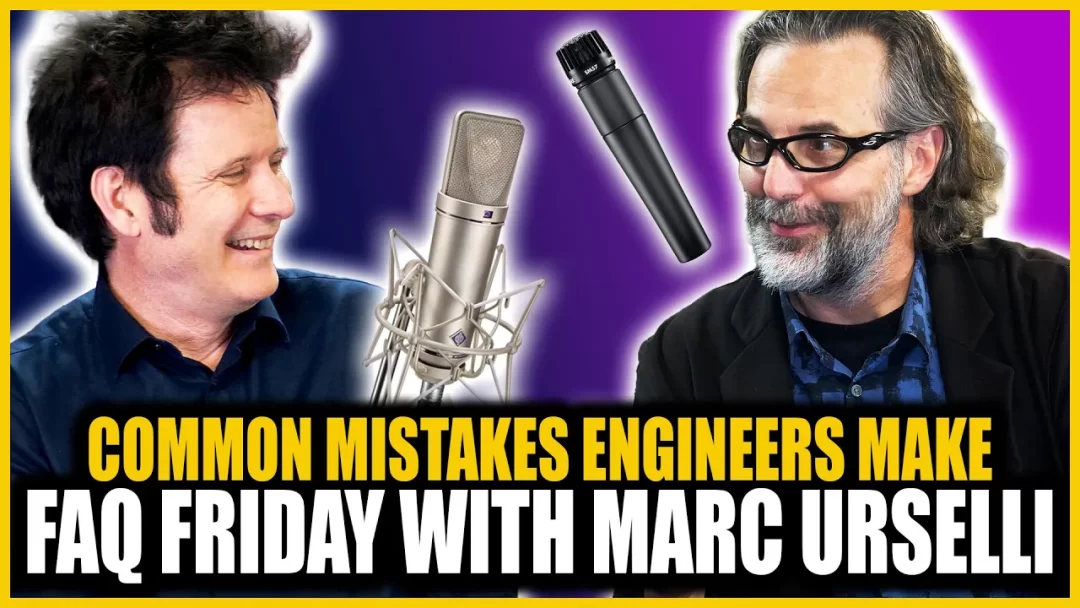

Grammy Award-winning recording and mixing engineer Marc Urselli has worked with an extraordinary range of artists including Les Paul, U2, Sting, Eric Clapton, Keith Richards, Foo Fighters and Nick Cave.
For this edition of FAQ Friday, Marc joins Warren Huart to answer some of the most frequently asked questions about recording, preparation, studio etiquette and earning an artist’s trust.

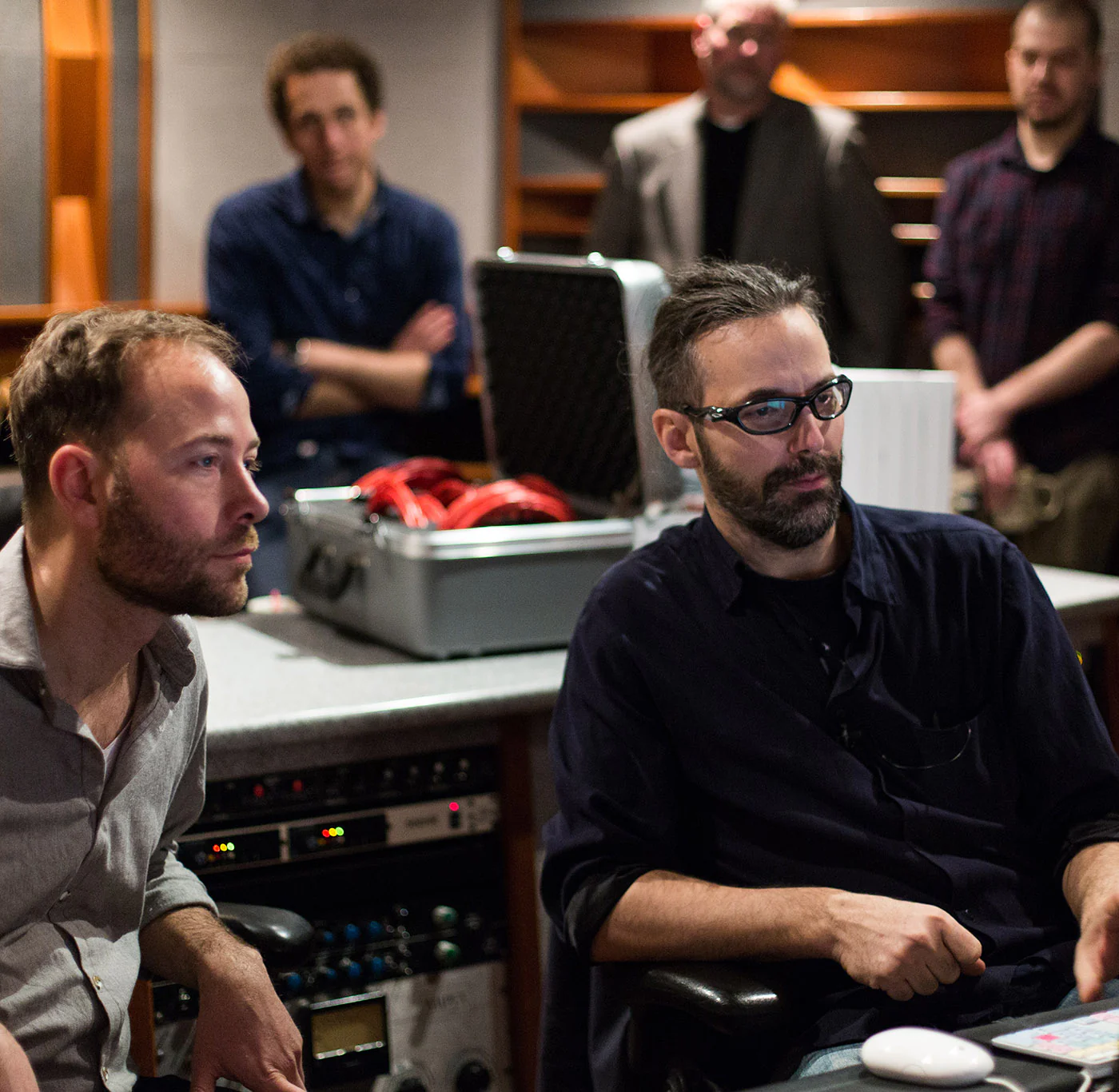
What Separates a Good Engineer From a Great Engineer?
For Marc, the answer begins long before anyone presses record.
A great engineer needs focus, preparation and the ability to remain completely present during a session. That means understanding what is coming through the studio door before the artist arrives.
Marc tries to speak with the artist or producer ahead of every session. He wants to know how many musicians will be attending, which instruments they will bring, how many songs they hope to record and what they expect to achieve.
Sessions almost always take longer than people anticipate. The more information the engineer has beforehand, the better prepared they can be when the clock starts running.
Good personal habits matter too. Sleep, mental clarity and avoiding anything that compromises concentration can have a direct effect on the engineer’s ability to perform.
How Do You Stop Technology Getting in the Way of the Music?
Once again, Marc’s answer is preparation.
The studio should be ready before the musicians arrive. The engineer should know where everything is, understand how the equipment works and have control over the technical environment.
If a technical problem appears during a session, the engineer’s attention immediately shifts away from the music. They are now solving a problem while the artist is waiting and the studio clock is running.
The more technical decisions that can be handled in advance, the more attention the engineer can give to performances, arrangements and the emotional direction of the music.
Technology should support creativity rather than interrupt it.

How Do You Prepare to Record an Instrument You Have Never Seen?
Even after decades in the business, Marc still encounters instruments he has never recorded before.
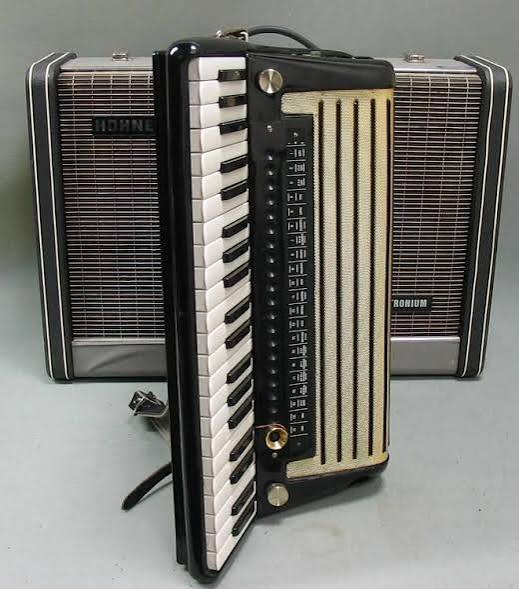
While working on a record with Erica Mancini of Gogol Bordello, he encountered an Electronium. The instrument resembles an accordion but has no traditional bellows. It uses its own speaker and contains electronic circuitry that essentially makes it an early tube-based synthesiser.
Marc has also worked with Wally De Backer, better known as Gotye, whose projects include collections of rare and unusual electronic instruments.
In situations like these, it may be impossible to know exactly how the instrument will sound until it is in the room. However, some practical preparation is still possible.
Marc asks for photographs and technical information in advance. He wants to know where the sound comes from, whether the instrument has an internal speaker, whether it has a direct output and how many microphones might be required.
You may not be able to predict the sound but you can prepare for how you are going to capture it.
What Is One of the Most Common Mistakes Engineers Make?
One of the biggest mistakes an engineer can make is offering opinions when there is already a producer in the room.
Marc admits that he made this mistake when he was younger. Engineers naturally want to help and share what they have learned but that does not always mean their opinion is required.
The producer may be deliberately allowing the artist to discover an idea independently. An engineer interrupting with a suggestion can disrupt that process even when the suggestion itself is positive.
Marc recently worked with a film director who had stopped using another studio because an assistant continually made comments during the sessions. The remarks were not necessarily negative but they created an unwanted distraction.
When Marc is engineering for a producer, he is careful not to offer creative opinions. When artists ask him directly, he will often refer them back to their producer.
Understanding your role is an essential part of professional studio etiquette.

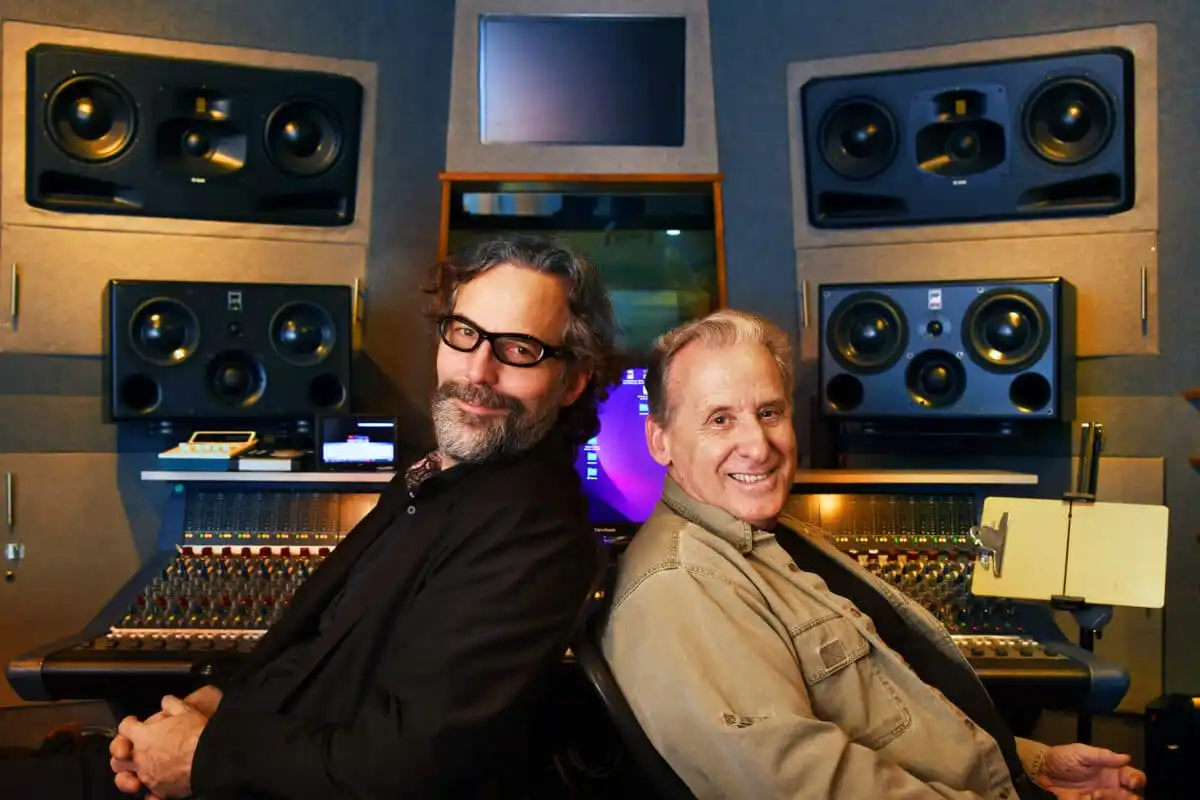
How Do You Keep a Session Moving Without Sacrificing Creativity?
Maintaining momentum is not always about working faster.
Marc watches the energy in the room. When people begin to lose focus, he may suggest a break, make fresh coffee or check whether everyone is comfortable.
Artists need an environment where they can remain creative without becoming distracted by fatigue or discomfort.
The engineer still needs to be tactful. Pushing musicians too aggressively can damage the atmosphere but allowing the energy to disappear completely can also waste valuable studio time.
Sometimes the best way to keep a session moving is to stop briefly, reset the room and return with renewed focus.
Which Two Microphones Would Marc Use to Record an Album?
Warren has asked this question of many legendary producers and engineers.
Ed Cherney, Steve Lillywhite and Hugh Padgham all gave the same answer: an Shure SM57 and a Neumann U 87.
Marc’s answer is slightly different.
He would choose an SM57 and his own Marc Urselli MU-1 microphone.
That combination would give him access to three different microphone characteristics: dynamic, ribbon and large diaphragm condenser.
The SM57 provides the familiar sound and versatility of a classic dynamic microphone while the MU-1 offers multiple tonal possibilities within a single microphone.
The Marc Urselli MU-1 is now available for presale directly from JZ Microphones: https://intshop.jzmic.com/products/mu-1 Use code PLAP10 for an additional 10% off the preorder price.

What Would Marc Save if the Studio Was on Fire?
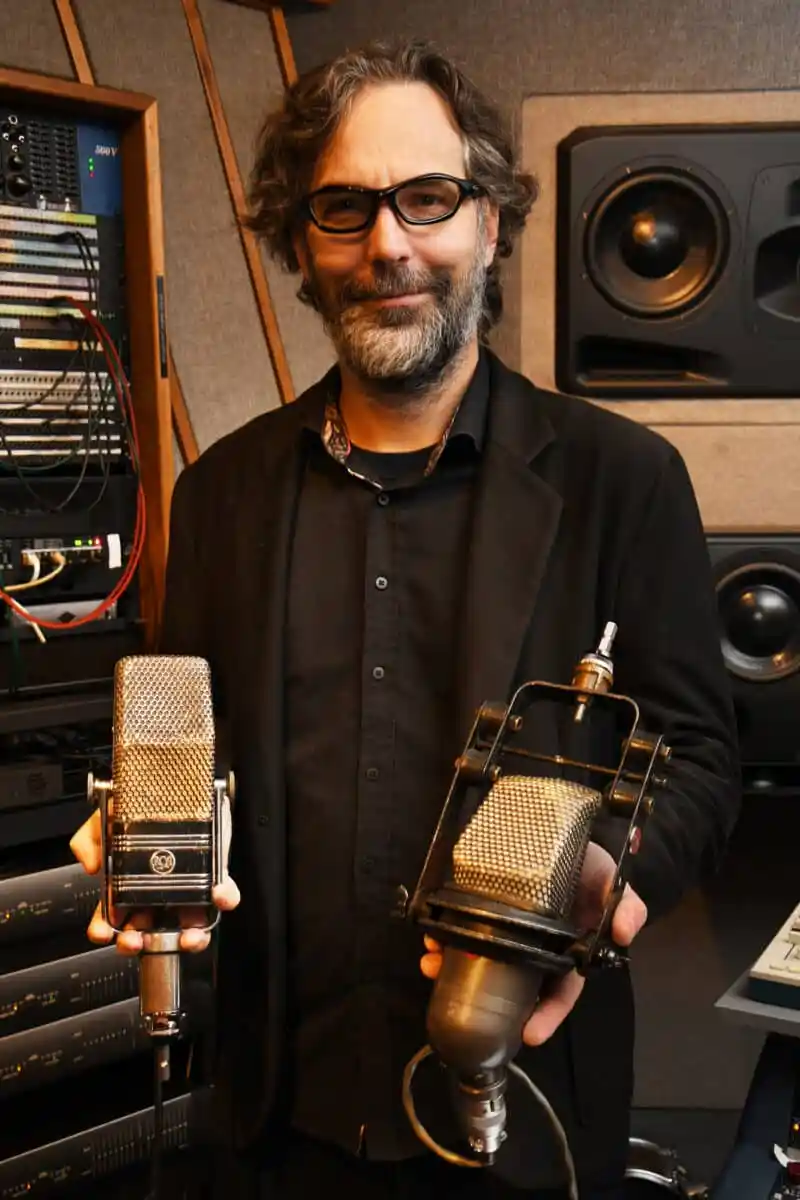
Marc owns a remarkable collection of rare microphones including several historic RCA models.
If he could save one item, he would probably reach for one of the oldest and rarest microphones in the studio.
However, protecting the recordings would be equally important.
Marc’s practical solution is simple: he has two hands. One would carry a rare microphone while the other would carry the hard drives.
Vintage equipment may be irreplaceable but the music and performances stored on those drives are equally precious.
How Do You Earn an Artist’s Trust?
Artists often arrive at Marc’s studio because they already trust his work, reputation or a recommendation from somebody they respect.
Once the session begins, Marc reinforces that trust by recording immediately.
While the musicians are setting up and checking sounds, he keeps the system running. He never wants to discover that the unexpected first performance was the magical take but nobody recorded it.
He will then invite the artist into the control room to hear what has been captured.
Once musicians hear that their instruments sound good and are being recorded properly, they can stop worrying about the technical side of the session. They can concentrate entirely on playing.
Trust comes from demonstrating that the artist and their performance are safe in your hands.

What Was the Most Memorable Recording Experience of Marc’s Career?
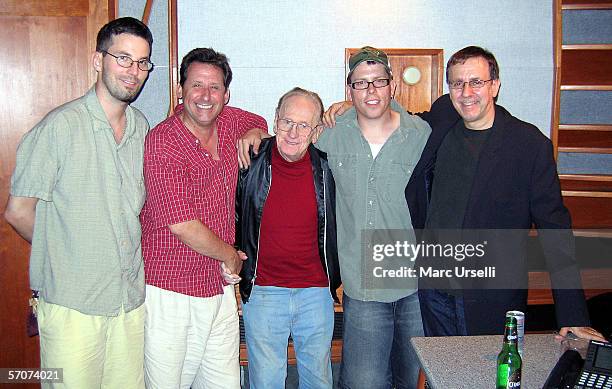
Working with Les Paul stands above almost everything else Marc has experienced.
The album featured an astonishing collection of musicians including Eric Clapton, Sting, Joss Stone, Keith Richards and Buddy Guy. Marc had the opportunity to record and mix these artists while spending months in the company of Les Paul.
For Marc, being in the room with someone who had played such an enormous role in the development of multitrack recording and the solid body electric guitar was profoundly humbling.
Les had a story connected to almost every subject. Whenever somebody mentioned a moment in musical or technological history, Les seemed to have been there.
The sessions began at Capitol Records in Los Angeles before continuing at EastSide Sound in New York. Marc later mixed the album at EastSide.
Because Les was approaching his 90th birthday and did not always want to travel from his home in New Jersey, Marc and the team also brought a laptop and an Mbox to his house to record guitar overdubs.
One particularly memorable moment came when somebody suggested using distortion. Les, one of the most influential electric guitarists in history, explained that he had never played through distortion and barely recognised the concept.
For Marc, the project was far more than another recording session. It was an opportunity to spend time with one of the people whose ideas helped create the modern recording industry.
Preparation Creates Freedom
A clear theme runs through Marc Urselli’s answers.
Preparation is not the opposite of creativity. It is what allows creativity to happen without interruption.
Know who is arriving. Understand the instruments. Prepare the equipment. Record everything. Respect the producer’s role and pay attention to the atmosphere in the room.
When the engineer takes care of those responsibilities, the artist can forget about the studio and concentrate on making music.
That may be the real difference between a good engineer and a great one.