
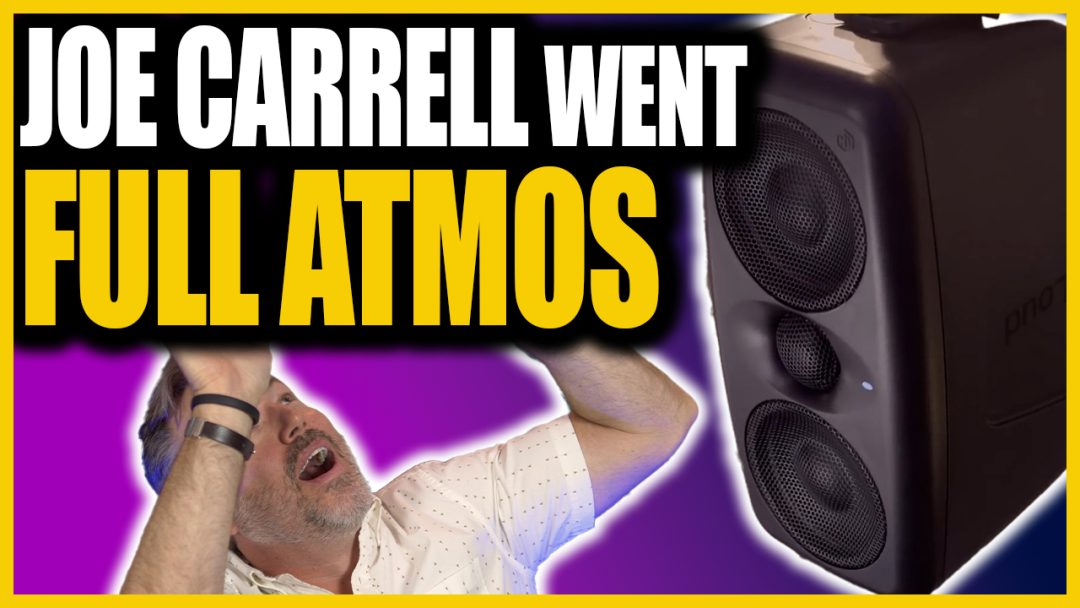

Our dear friend and mentor Joe Carroll has taken a bold and inspiring leap—transforming his already brilliant Nashville mix room into a full Dolby Atmos immersive environment. This upgrade isn’t just about gear (though there’s plenty of that), it’s about embracing the future of music delivery without losing touch with what makes stereo so timeless.


Now, if you know Joe, you know he doesn’t chase trends for the sake of it. He’s always been about what actually works, both sonically and practically. So when he decided to go Atmos, it wasn’t because someone told him he had to. In fact, Joe admits he had his own doubts at first:
“Some of us are just mad that the world is changing. I get it—I’ve spent my whole life mastering stereo. But here’s the thing: Atmos isn’t coming… it’s already here. And if you want to keep working in this business—especially when independent artists are being asked to deliver immersive mixes for playlists—you’ve got to at least understand it.”


Joe’s approach was all about building something powerful and accessible, starting with the speakers. He’d already been impressed by the IK Multimedia iLoud MTM MKII monitors after doing a video for Produce Like A Pro, and their small size and big sound made them the perfect choice for overheads—especially given his room’s angled ceiling. Once those were locked in, he went all-IK with the base layer, choosing the iLoud Precision series to create a consistent, unified tonal character across his 7.1.4 system.


Controlling it all is the Audient ORIA, which Joe calls a game-changer for its affordability, flexibility, and iPad integration. It let him keep his beloved Dangerous Music stereo controller, while still handling Atmos without the usual price tag or hardware hassle.
But this wasn’t just about gear—it was about making it work in a real-world space. Joe was open about the pitfalls: the cost of retrofitting ceiling power, the frustration of hiding cables after the fact, the surprise complexity of sourcing custom-length threaded pipe to hang ceiling speakers safely. His advice? If you’re building a room, plan for Atmos now, even if you’re not ready to implement it yet. A bit of forethought will save you a mountain of time, money, and headaches.
And here’s where Joe gets candid again:
“It kind of made me mad, learning this new stuff. I know Pro Tools. I know stereo. I don’t want something else on my plate. But I had to admit—once I heard mixes, especially my own, in my own room in Atmos, it hit me. This is special. There’s a reason the tech companies and the labels are throwing money at it.”
That experience—the moment you hear your mix wrap around you, with space, depth, and clarity—is what sold him. It’s not just marketing hype. It’s real.
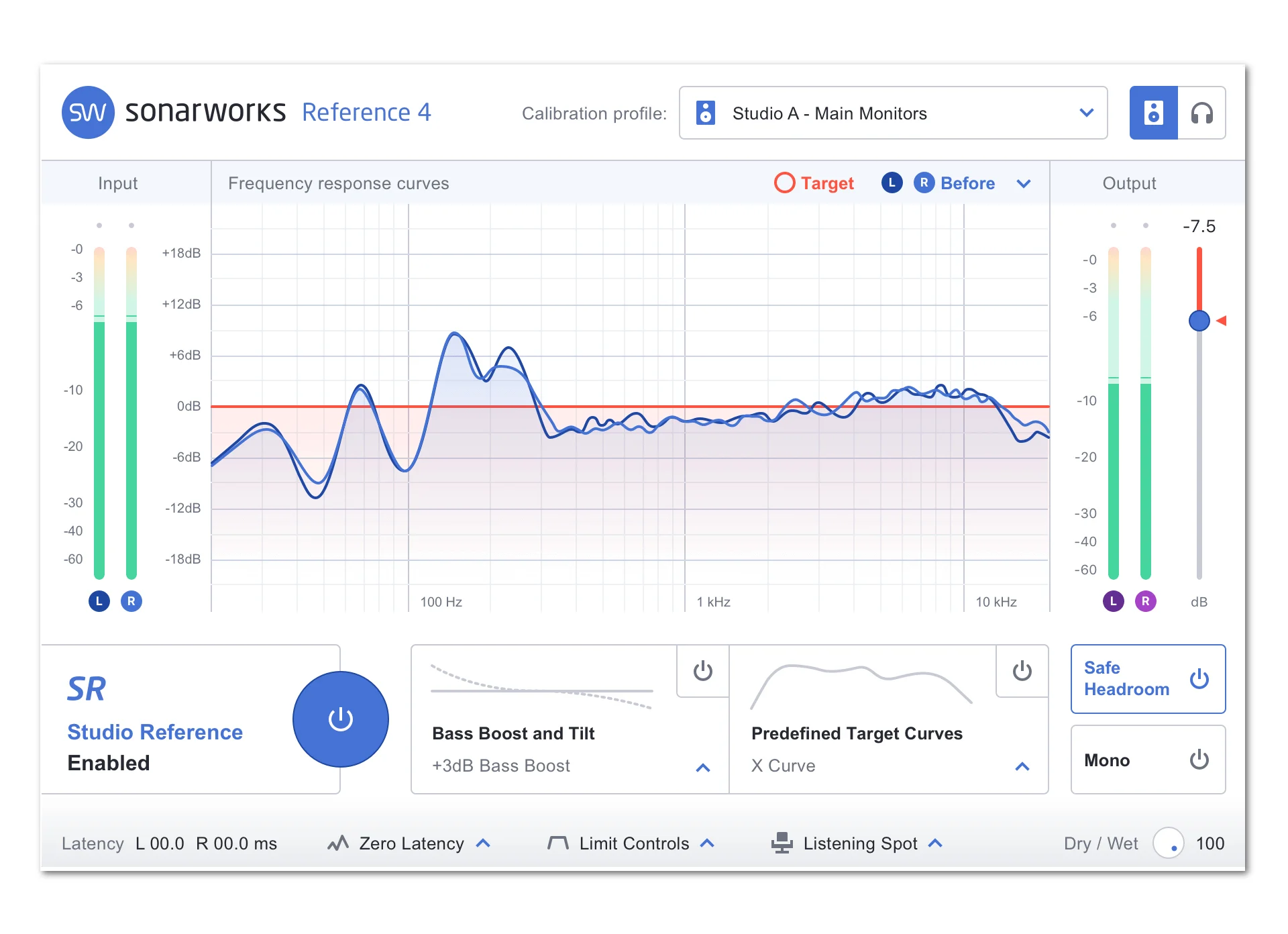

Joe’s also been using Sonarworks SoundID Reference (included with the ORIA) for tuning, alongside the onboard room correction tools in the IK Multimedia speakers. The result? A tuned and timed immersive space that’s accurate, musical, and inspiring to work in.
And for anyone hesitant to dive into immersive mixing inside Pro Tools or Logic, Joe has a word of encouragement. He’s been using Harrison Mixbus 11 to print stems and experiment with Atmos in a more intuitive way—buying himself time to learn the deeper tech without slowing his workflow down.


In the end, Joe didn’t just upgrade his studio. He upgraded his mindset. He found a way to embrace Atmos on his terms, without abandoning the stereo skills that built his career.
“It’s not about Atmos replacing stereo—it all still has to fold down. A great stereo mix is still essential. But if you want to be ready for the next chapter in music, this is a pretty exciting place to start.”
Here’s to Joe Carroll—always honest, always forward-thinking, and always rooted in what matters most: making music sound amazing.

