
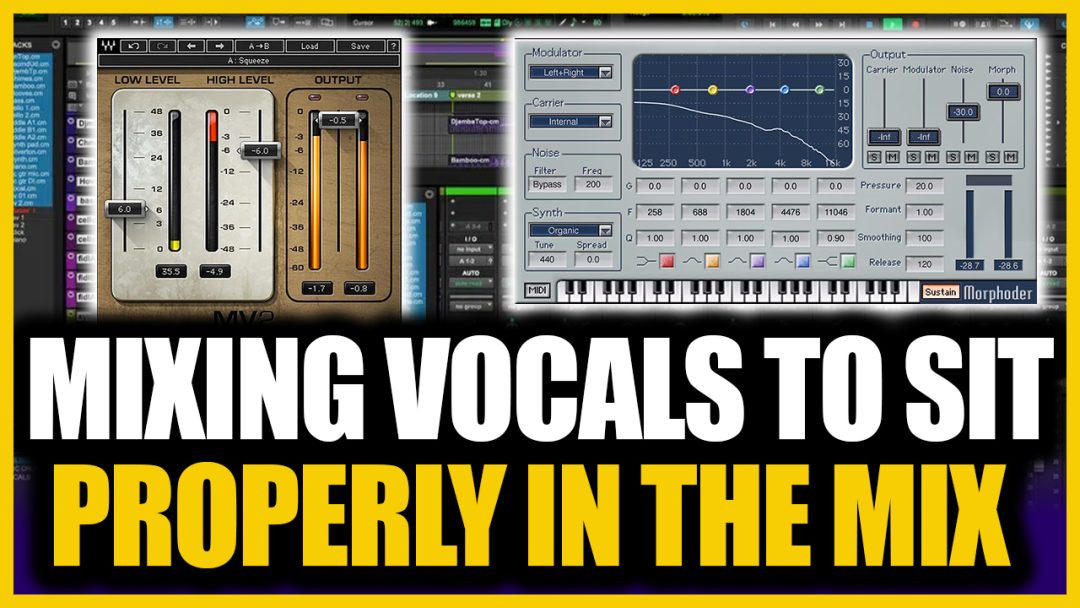

One of the very first videos I ever released on the Produce Like A Pro channel, over ten years ago now, was all about vocal mixing. Back then, I was teaching from the trenches, using the tried and tested methods I had honed through years of production. And while those foundational techniques still absolutely hold up today, we are now lucky to have an array of modern tools that make vocal mixing more musical, more efficient, and more forgiving.
For example, tools like Soothe 2 by Oeksound have transformed how we tame harshness. Where I once had to use multiple de-essers layered carefully, Soothe 2 can dynamically carve out those abrasive frequencies, letting me brighten a vocal beautifully without adding sibilance or fatigue. That is the kind of leap forward we have seen in just a decade.
However, the heart of mixing vocals has not changed, it is all about emotion, performance, and presence.

Start With the Performance
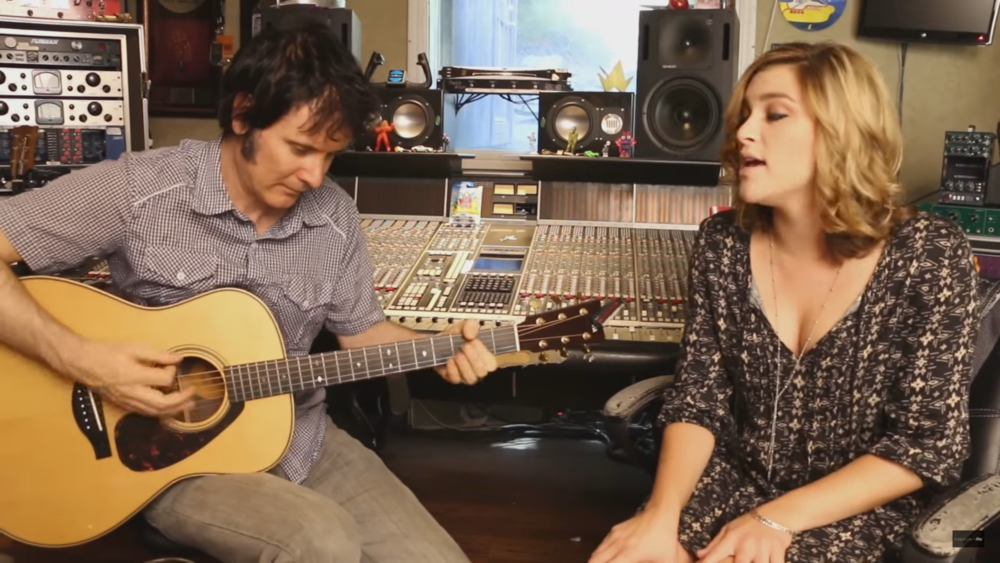
When I began mixing “It All Comes Back Around” by the wonderful Blair, I deliberately kept her first line untouched. Her voice had a rawness, a bit of rasp from a long day of singing, that reminded me of John Lennon singing “Twist and Shout”after a 17-hour session. It was not technically perfect, but it was deeply human, and that is what makes a vocal truly shine.
In mixing, charisma always trumps clinical perfection. I start with vocal comping that favours emotion, the phrasing, the breath, the imperfections that draw you in.


Volume Automation is King
Before diving into EQ, compression, or effects, I automate the vocal volume manually. Every phrase, every whisper, every breath, these get pushed or pulled so that the vocal stays emotionally present.
This approach mirrors what the great engineers of the ’50s and ’60s did. They would sit at the desk with the lyrics in front of them, physically riding the fader in real time to match the performance. We replicate that today with volume automation, crafting a smooth and engaging journey for the listener.
Subtle Compression Chains
Once the automation is set, I use multiple stages of gentle compression, often layering tools like:
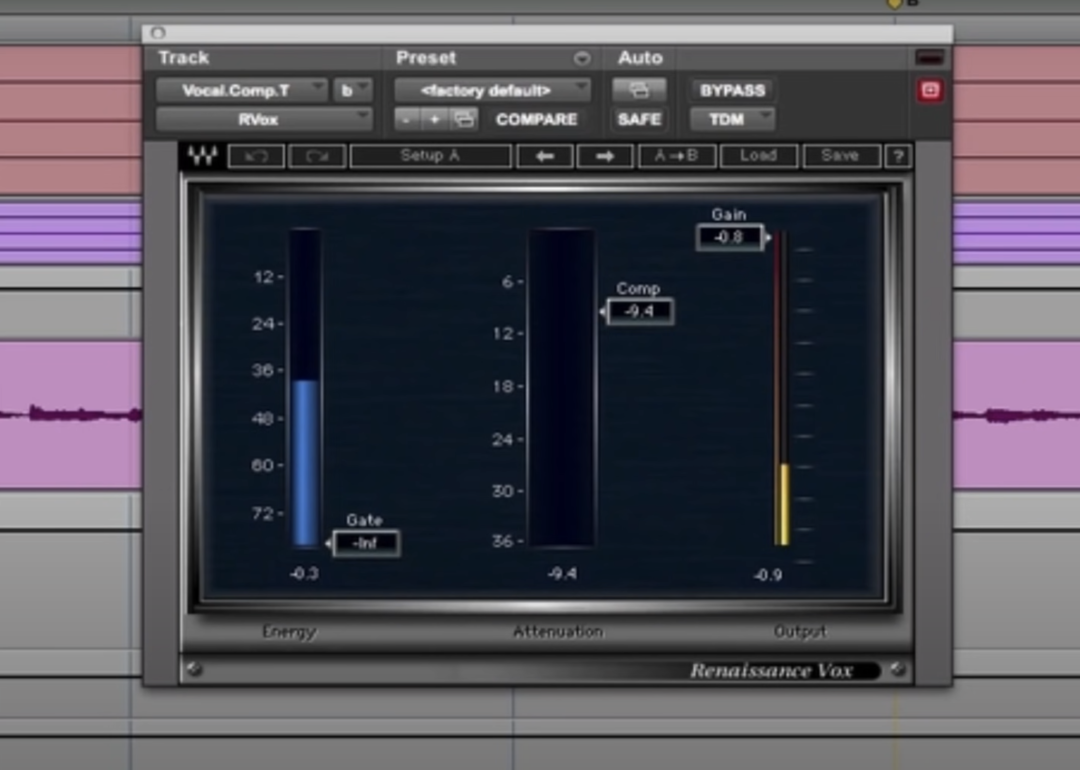
- Waves Vocal Rider to subtly reinforce the automation
- A light optical compressor (like an LA-2A) for smooth levelling
- A fast compressor (like an 1176) to catch peaks
The idea is to do a little bit of work at each stage. Instead of one plugin doing all the heavy lifting, this method gives a more natural, controlled result.

EQ with Purpose, Not Aggression
EQ is another place where subtlety wins. I will use two or even three EQ plugins to gently shape the tone:
- Pull out low-mid build-up (e.g. 300 to 500 Hz) that might clash with piano or bass
- Add a touch of presence around 7 to 10 kHz for clarity
- Apply a gentle high-pass filter, nothing aggressive, just enough to clean without thinning
I avoid harsh filters unless absolutely necessary. Acoustic instruments and vocals deserve to breathe.


Sibilance Control: Then vs Now
Ten years ago, I used stacked de-essers to tame sibilance introduced by EQ boosts. Now, I use Soothe 2 to dynamically target those areas. It is intelligent, musical, and saves so much time.
That said, I still follow up with a traditional de-esser for fine-tuning. Soothe might take the edge off, but a de-esser helps refine exactly how the vocal presents in the mix.


Add Colour, Character and Dimension
Once the vocal sits well dynamically and tonally, I will add layers to give it dimension:
- A parallel distortion bus to add grit and presence, inspired by techniques used by Jack Douglas on Lennon vocals
- A subtle octave below, almost inaudible, to thicken the body
- A little modulation, such as a chorus or micro pitch shift, to widen and lift
Each of these layers is blended gently behind the lead vocal, so you feel them more than you hear them.
Final Thoughts
Whether you are mixing with vintage outboard gear or modern plugins, the goal remains the same, make the listener feel something. A vocal should sit in the track, not on top of it. It should be present without being overpowering. It should move the listener.
That is why I still teach automation and performance-first mixing ten years on. The tools may evolve, thankfully, but the art of capturing human expression is eternal.
Have a marvellous time mixing, and as always, leave your questions and thoughts below. Let us keep learning and improving together.