
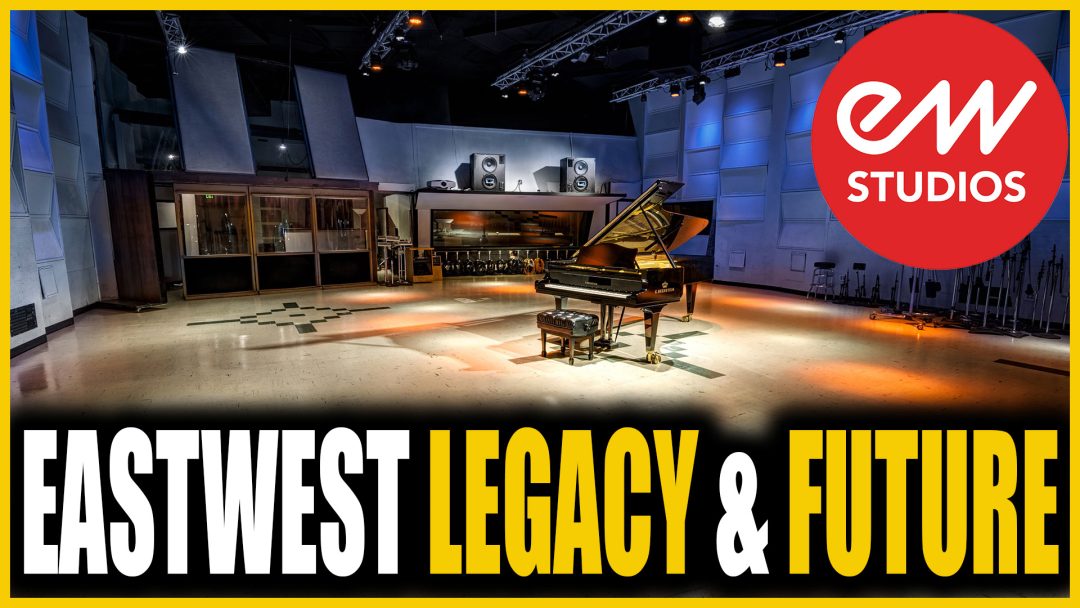

When EastWest launched ComposerCloud, they weren’t just releasing a product, they were redefining how composers and producers access professional-grade instruments. Today, with over 43,000 instruments available on tap, it has become one of the most comprehensive virtual sound libraries on the planet. However, this evolution didn’t start in the cloud. It began nearly four decades ago, with a visionary recording engineer and a passion for premium sound.

From Tape Reels to the Cloud
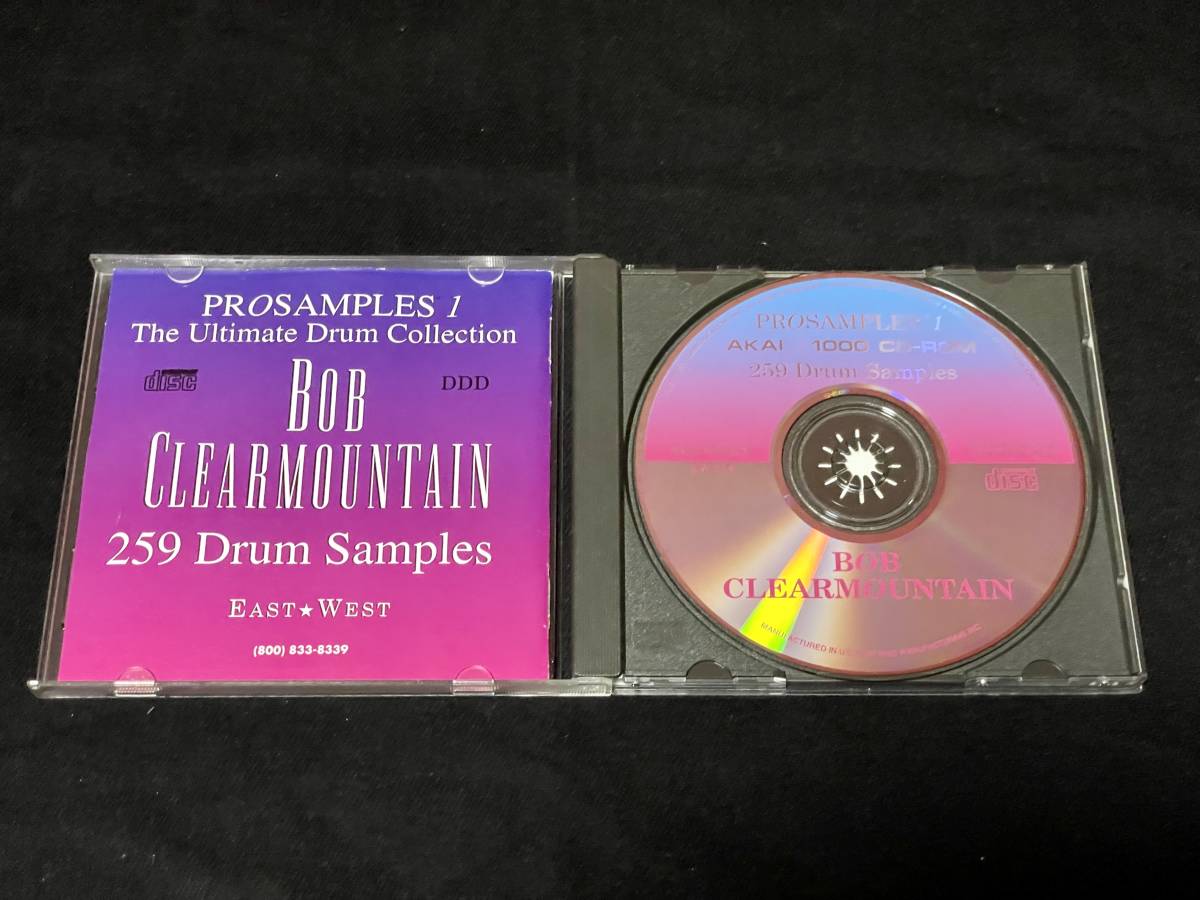
EastWest Sounds was founded in 1988 by Recording Engineer/Producer Doug Rogers. The original mission was simple, to bring high-fidelity sampled instruments into the hands of musicians. The company quickly gained traction, thanks in part to its early collaborations with mixing legend Bob Clearmountain, whose Bob Clearmountain Drumssample collections became commercial hits in the early 1990s.
In the early 2000s, Rogers joined forces with Two Steps From Hell co-founder Nick Phoenix to create the EastWest/Quantum Leap Symphonic Orchestra. The team recorded this landmark library in a 2,200-seat concert hall with Grammy-winning engineer “Prof” Keith O. Johnson, a painstaking process that took more than a year of editing and programming after tracking was completed.
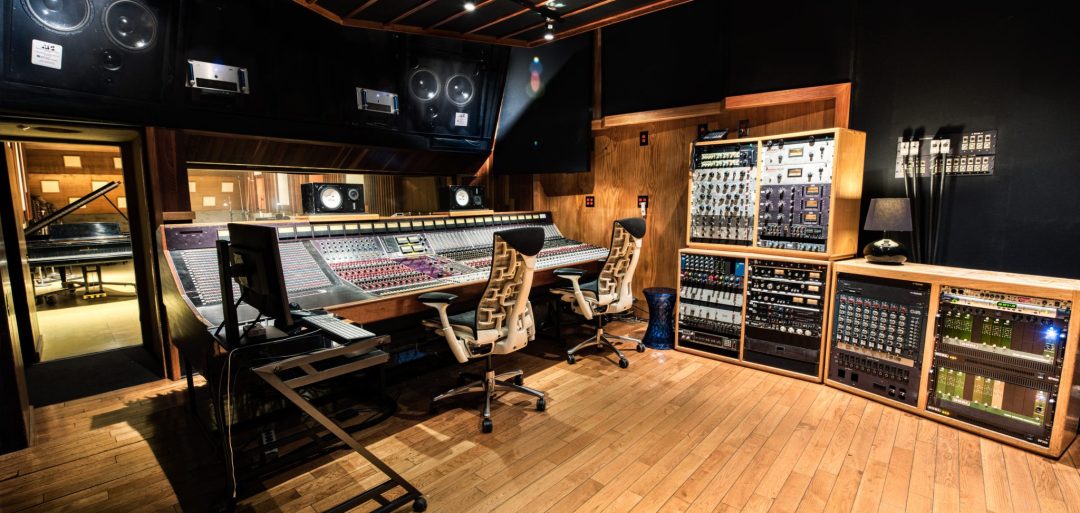
Then, in 2006, EastWest acquired the legendary Cello Studios, once home to classics from the likes of Frank Sinatra and The Beach Boys. This move gave EastWest its own permanent home base for recording, where they have since crafted everything from their Hollywood Orchestra series to genre-specific collections across EDM, hip hop, jazz, and more. Notably, Hollywood Orchestra was recorded in Studio 1 by Oscar-winning engineer Shawn Murphy, with Hollywood’s top session players. In many ways, the history of modern sampling technology runs directly through this very building.

With that legacy firmly established, EastWest didn’t rest on its laurels. In 2015, they made their most radical move yet, launching ComposerCloud, a subscription model designed to give creators of all levels instant access to their entire library. “We wanted to open up the market,” Rogers explained. “For twenty bucks a month, or less during a deal, you could access orchestral, hip hop, EDM, world instruments, everything.”
It wasn’t just about access. It was about relevance. The lines between composer, producer, and beatmaker have blurred. Today’s creators need to hop between genres with agility, and ComposerCloud was built with that reality in mind. “The people doing the best work in our studios,” he said, “are the ones who understand what sounds good, regardless of genre.”
The result is a living, breathing ecosystem where creativity is always one click away, and collaboration is seamless thanks to a shared sonic language.

Powered by Opus, and Vision
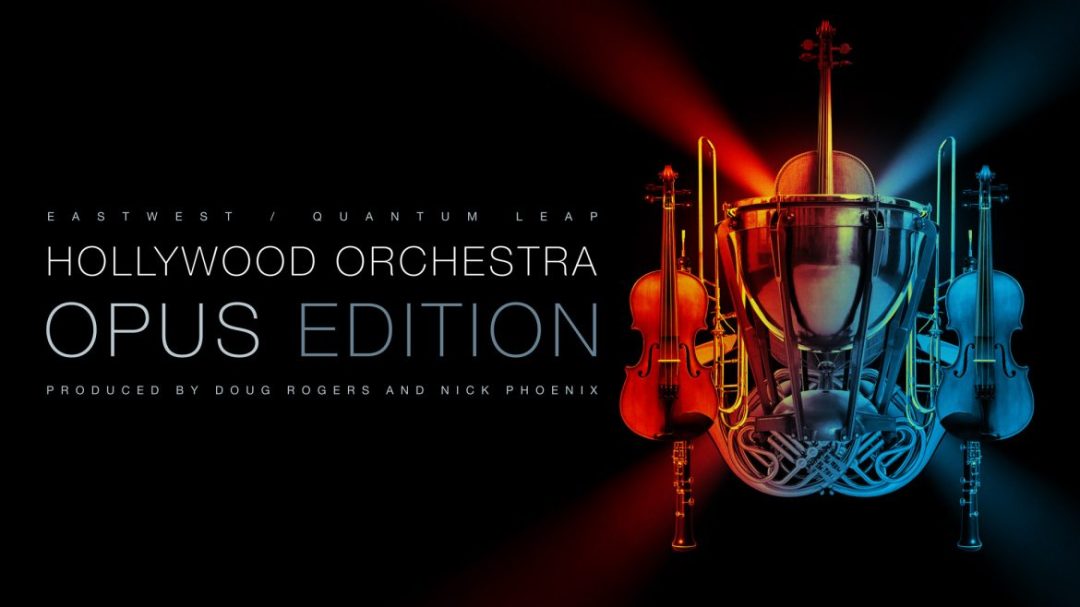
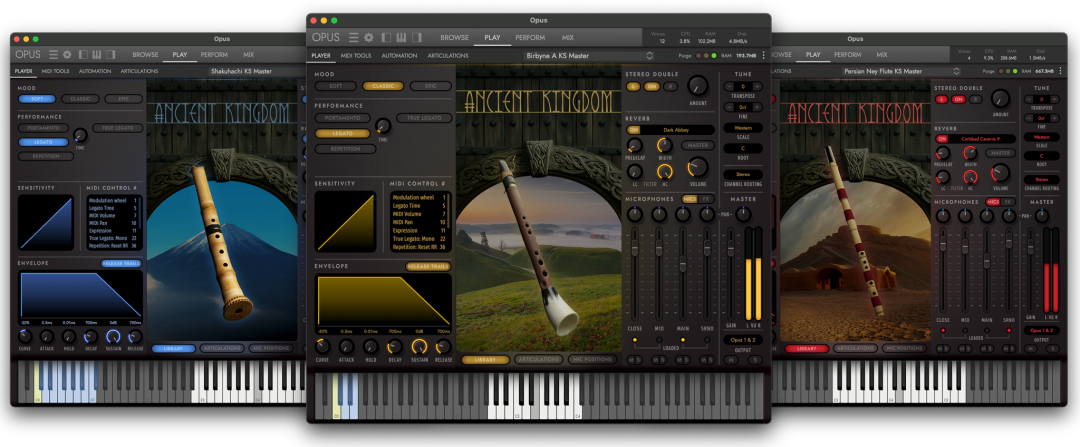
Behind the scenes, EastWest developed the Opus engine, built with legendary developers Wolfgang Kundrus and Wolfgang Schneider, known for their work on Kontakt, Studio One, and Cubase. “We’re biased,” Rogers admitted, “but we think it’s the best sampler out there.” With Opus as the backbone, EastWest is now looking toward the next decade of innovation, filling creative gaps, developing new tools, and staying ahead of what musicians need before they know they need it.

A Thoughtful Approach to AI in Music
No conversation about the future of music escapes the topic of AI. EastWest is already exploring AI, not to replace musicians, but to support them. “We’ll never use AI to generate finished music. That’s not what we’re about. We’re focused on helping people realise the music in their head more easily,” Rogers said.
Still, Rogers is candid about the risks. From shaky legal territory around dataset usage to the emotional disconnect of AI-generated music, he sees real limitations.
Blake offered a sharp perspective: “Even in an EDM tent at Coachella, people are looking at the DJ. There’s still a human in control of that experience.” He pointed to the ABBA Voyage hologram show as a compelling fusion of tech and legacy, but was quick to note that such examples rely on the emotional capital of real artists. “ABBA works because they were ABBA. You can’t fake that kind of resonance with an AI act.”
Where Music, and the Industry, Goes From Here
Despite massive technological change, EastWest believes the most important aspect of music remains the same, human creativity. And creativity needs tools. It needs access. And, ideally, it needs a fair economic model, something the industry is still grappling with.
“Who’s going to spend a million dollars making an album like The Seeds of Love when you get $7.82 for 100,000 streams?” Rogers asked. Today’s labels sign 360 deals, streaming pays pennies, and even breakthrough artists need touring and merchandise to stay afloat. Against that backdrop, ComposerCloud offers something rare, high-end sound design, without the high-end cost.
As I said at the end of our conversation, “It’s always great to meet like-minded people who love the same music, for the same reasons.” That shared love for sound, for creation, and for the tools that enable it, is what has driven EastWest for nearly 40 years, and what will continue to power its future.
And if the past four decades are anything to go by, the next one is poised to be just as transformative.