

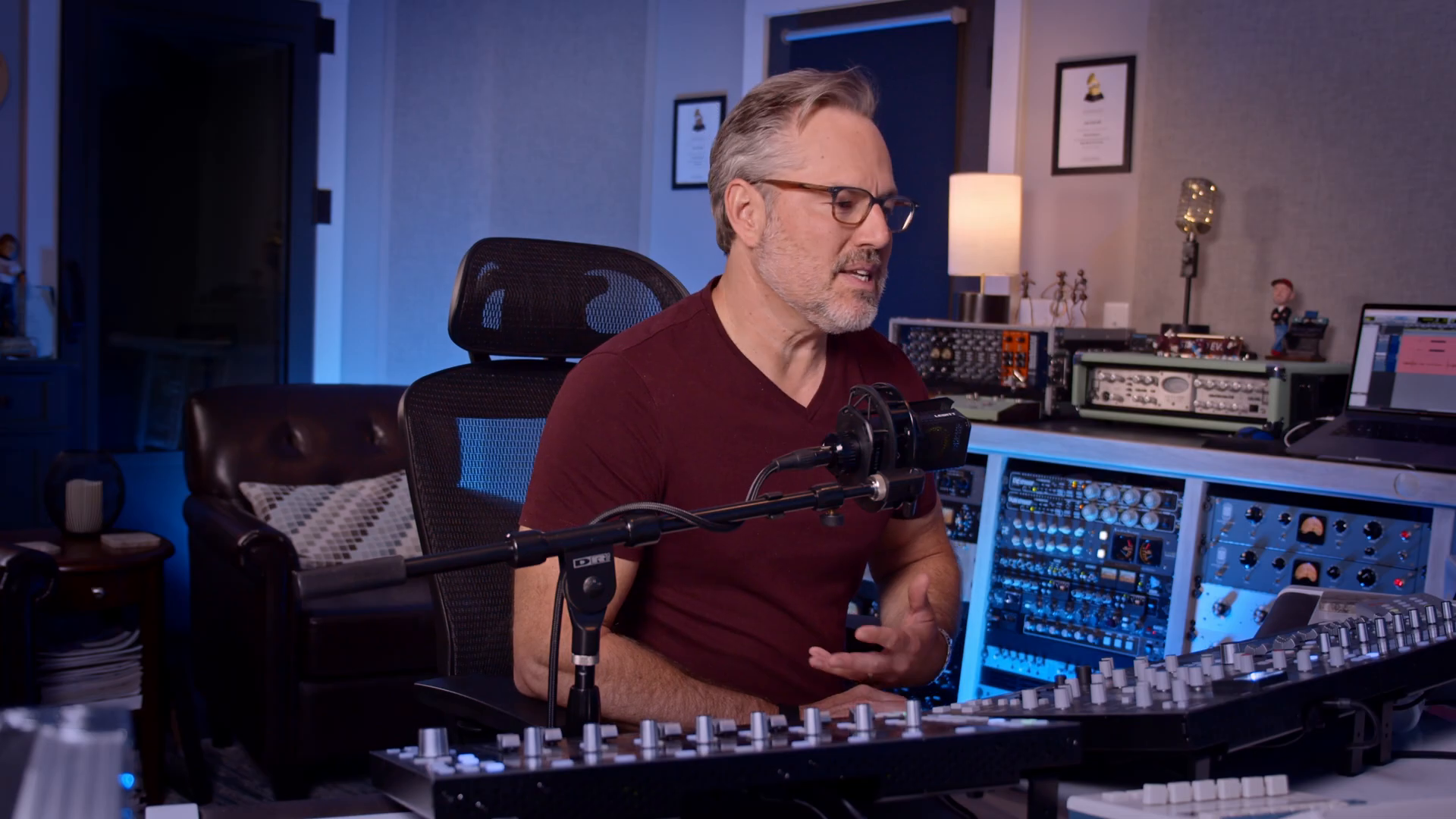
Questions about Mixing low-end is the number one request I get! Proper frequency management can be a challenging yet rewarding task. The ability to achieve a tight and consistent bottom end is crucial for creating a professional-sounding mix. In this blog post and the video with Joe Carrell we will explore various techniques and tools used to effectively manage low-end frequencies, particularly focusing on the relationship between kick drums and bass guitars.
Understanding the Low End
The low end of a mix typically involves frequencies ranging from 20 Hz to around 250 Hz. This range is essential for establishing both the rhythm and the fullness of a track. However, achieving a good low end is not a one-size-fits-all approach. Each song presents unique challenges and requires a tailored strategy.
When mixing, it’s important to understand the role of both the kick drum and bass guitar. Sometimes the kick serves as the driving force, while other times the bass takes center stage. The key is to ensure that both elements work harmoniously without overshadowing each other. Here are some key considerations:
- Identify the primary focus of the track.
- Determine whether a warm, round sound or a more percussive bass is needed.
- Build a mixing template that allows for quick adjustments based on the song’s needs.
Creating the Kick Drum Sound
The kick drum is the foundation of the low end. Depending on the genre, it can be powerful and punchy or subtle and supportive. For the song in focus, the kick drum should be strong enough to be heard but not overpowering, allowing the atmospheric elements to shine through.
To achieve this balance, consider the following techniques:
- Use a high-pass filter around 20 Hz to eliminate unnecessary low-end rumble.
- Apply a low-pass filter at around 6-7 kHz to remove high-frequency noise.
- Utilise compression to tighten the sound, making it punchy without being too aggressive. Slower attack times allow for sharper transients.
- Cut excessive low mids in the 250-450hz area, typically a wide cut at 350hz
- Cut any excessive buold up around 100hz

Working with Bass Guitar
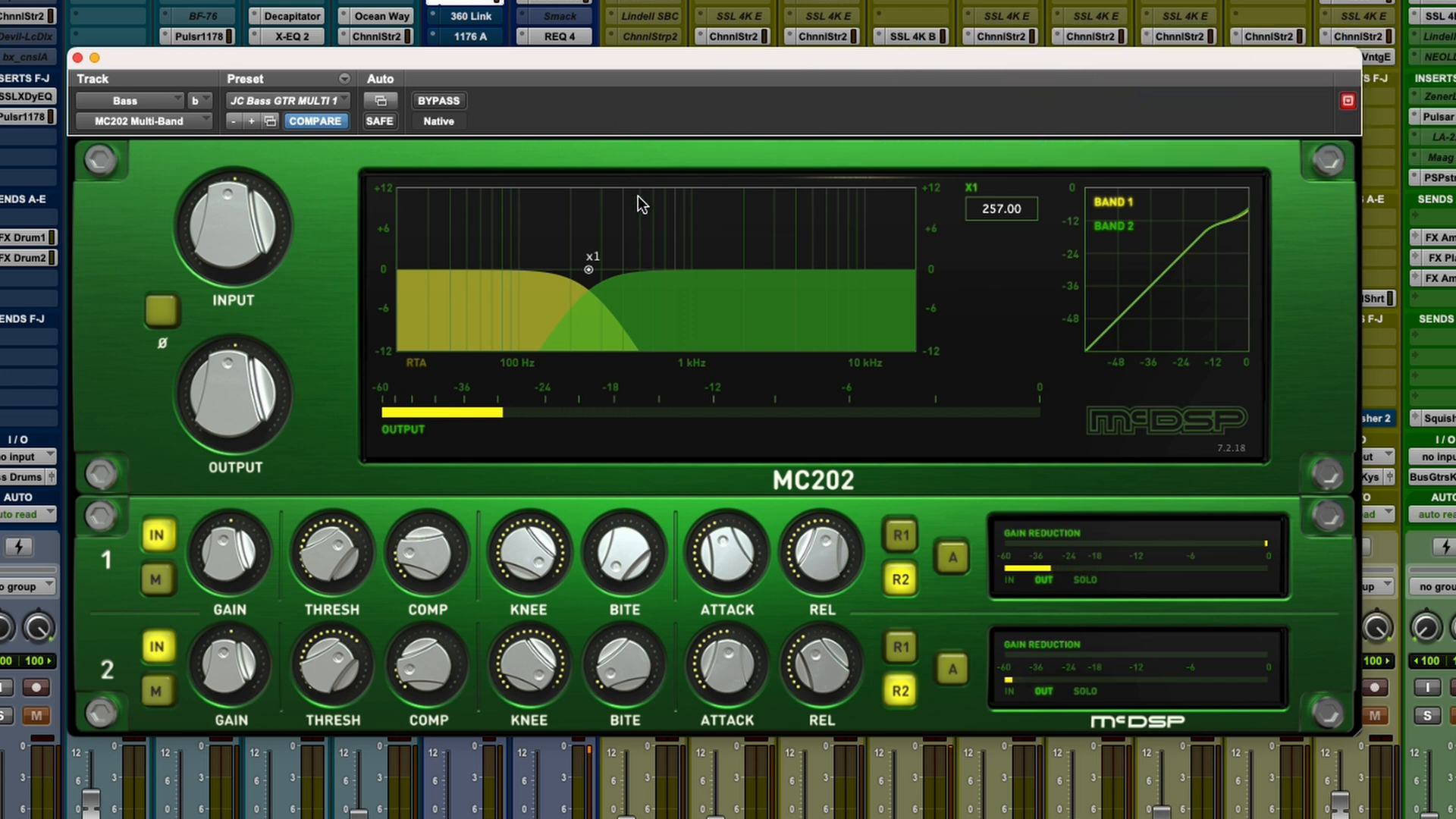
The bass guitar compliments the kick drum and adds depth to the mix. However, it can often be too round or fluffy, smother the kick, leading to a lack of definition. Here are some strategies to improve the bass sound:
- Start with a high-pass filter at around 50 Hz to keep the low end clean, away from the low lows of the kick drum.
- Utilise tools like tape saturation to add warmth and character.
- Experiment with multiband compression to control dynamic peaks and tighten the low end.
- 80-100hz gives body to the bass guitar, 750hz, 850hz, 1k and 1.5k give the bass a ‘nose’ that helps ot cut through.
- 3k is great for exaggerating the pick attack and grit of the bass. Low passing above 3.5k gets it out of the way of other instruments.
Achieving Clarity and Separation
One of the most common challenges in mixing low-end frequencies is achieving clarity and separation between the kick and bass. Techniques such as side-chaining can be invaluable in this regard. By ducking the bass guitar slightly when the kick drum hits, you can create space for both elements to coexist without conflict.
Here’s how to implement this technique:
- Set up a sidechain input from the kick drum to the bass guitar track.
- Adjust the threshold and ratio to control how much the bass is ducked when the kick plays.
- Fine-tune the attack and release settings to ensure a smooth transition.
Using Soothe 2 and Multi Band Compression for Low-End Management in Kick and Bass:
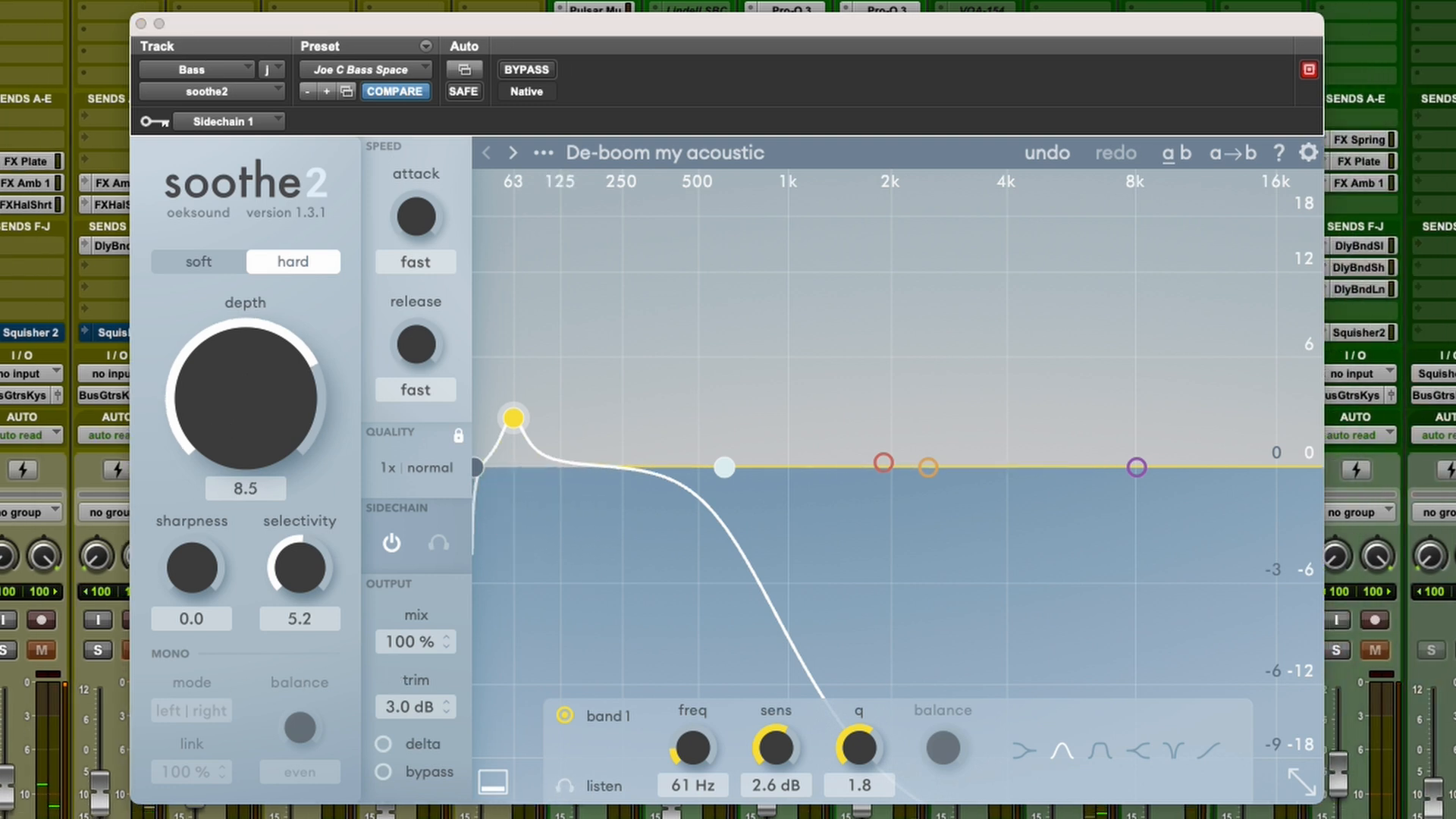
- Frequency Range: You can set Soothe 2 (normally associated with vocals) and other Multi Band compressors to target specific frequencies, so if there’s a boomy or muddy frequency in the low end, Soothe 2, dynamic compressors and Multi Band compressors can dynamically reduce that resonance.
- Subtlety: Because the low end (bass frequencies) are crucial for power and warmth in a mix, overuse of these tools in this range can make the mix sound thin or lifeless. It’s essential to apply it subtly. Use these tools to tame not remove unwanted frequencies.
- Sidechain Mode: Using the sidechain mode can help in targeting specific elements in the mix, like bass or kick drum, to ensure that the low-end frequencies are controlled without affecting other elements too much. For instance, you can do a light cut in the 80-100hz range in the kick whenever the bass plays at the same time as it. The reverse could work at 60hz and below being cut in the bass every time the kick plays. Experiment to see what gets you the best results. Subtly is the key!
Utilising Compression and Distortion
Compression is an essential tool for managing low-end frequencies. It can help control dynamics and add punch to the kick and bass. However, it’s crucial to avoid over-compression, which can lead to a lifeless mix. Start with light compression and gradually increase as needed.
Additionally, distortion can add warmth and presence to the bass guitar. Using plugins that emulate tape or analog gear can enhance the tonal qualities of the bass without overwhelming the mix.
Final Touches and Mixing Decisions
As you mix, keep in mind that the goal is to create a cohesive sound that translates well across different playback systems. Regularly check your mix on various speakers, including smaller monitors to make sure the definition of the kick and bass cuts through enough and you’re not just relying on the low end only. For instance mid range from 750hz to 3k on the bass guitar gives the bass definition, allows us to identify it in the mix. 1.5k, 2.5k and even as high as 7k (on Metal kicks!) gives the kick drum definition so it too can ne identiofied in the mix. Testing in multiple environmentys outside of your studio, which can be headphones, other playback machines, including boom boxes and your car will ensure the low end is consistent and balanced.
Ultimately, trust your ears. If something doesn’t sound right, don’t hesitate to adjust your approach. Remember, every mix is unique, and what works for one track may not work for another.
Conclusion
Mixing low-end frequencies requires a combination of technical skills and creative intuition. By understanding the relationship between kick drums and bass guitars, utilizing effective tools and techniques, and continually refining your approach, you can achieve a tight and powerful low end that enhances your music. Happy mixing!