


Mixing vocals is always a unique challenge, as no two vocal tracks are the same. Issues like resonant frequencies, boominess, harshness, and sibilance can make it tough to achieve that perfect fit within a mix. Tackling these problems takes precision, patience, and accurate monitoring.
In this post, I’ll share my approach to vocal mixing, focusing on how I’ve used innovative tools like Waves Silk and Curve Equator to simplify the process and deliver polished results. I’ll walk you through my techniques, settings, and the creative decisions that help me bring out the best in every vocal performance.
Understanding Vocal Mixing
For me, vocal mixing is about ensuring that the vocals not only stand out but enhance the overall track. It’s about balancing clarity, warmth, and presence while eliminating distractions like unwanted frequencies or harsh tones. A great vocal mix can elevate a song, while a poorly mixed vocal can detract from the entire production.
Techniques like dynamic EQ, compression, and de-essing have been game-changers in my workflow. These tools help me craft a sound that feels polished yet retains the raw emotion of the performance.
My Experience with Waves Silk
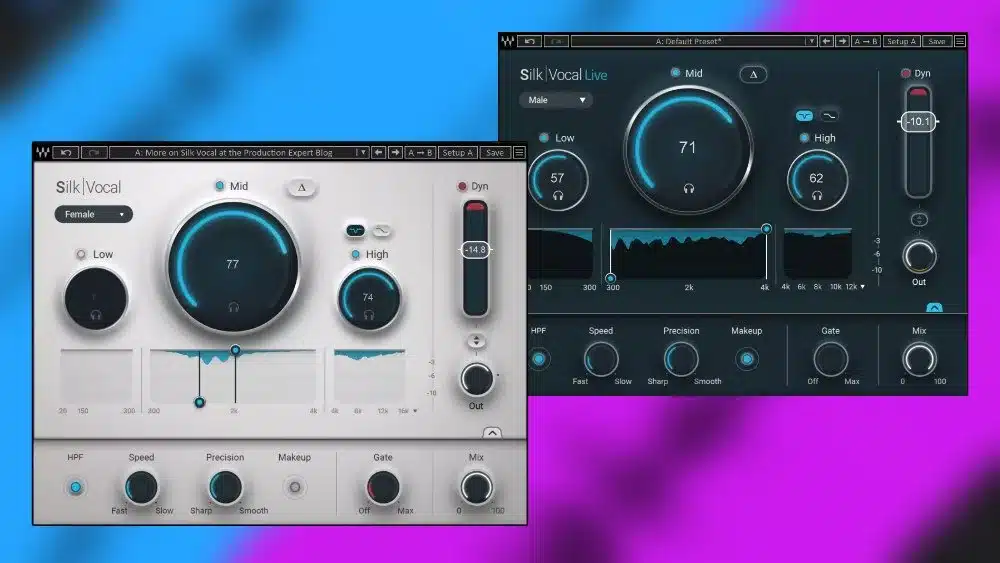
One of the plugins that completely transformed my process is Waves Silk. It simplifies vocal processing with dynamic controls over the low, mid, and high frequencies, making it a powerful all-in-one solution for clarity and presence.
Previously, I relied on multiple plugins to manage harshness and balance the tone. With Silk, I discovered that one plugin could replace the four or five I typically used. This streamlined my workflow and allowed me to focus on the creative aspects of the mix.

How I Use Waves Silk
I always start with a clean slate, disabling all other effects to hear the raw vocal. This helps me identify problem areas. With Silk, I then apply targeted adjustments:
- Low Control: Tightens up any boominess while maintaining warmth.
- Mid Control: Smooths out harsh tones without losing character.
- High Control: Tames sibilance and sharp treble frequencies for a balanced top end.
After applying Silk, I refine the mix further with a high-pass EQ to clean up sub frequencies below 100 Hz, ensuring the vocal feels clear but full.
Exploring Curve Equator
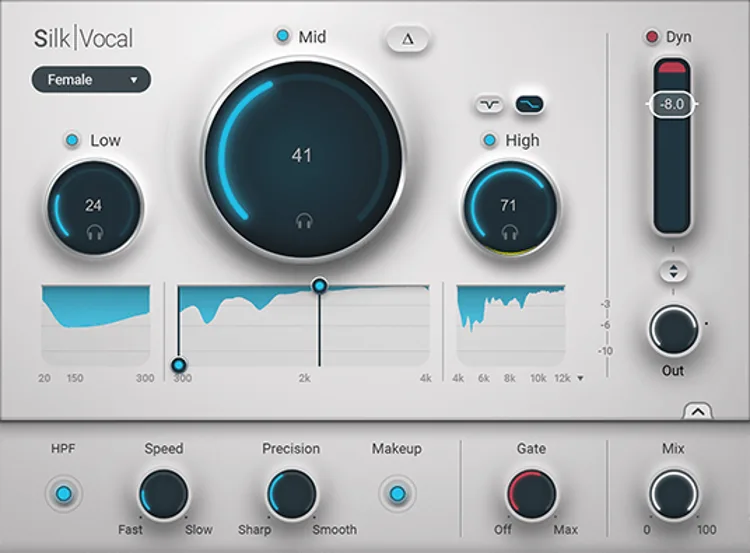
Another tool I’ve found invaluable is Curve Equator. It offers a unique approach to EQ and dynamics, with features that adapt settings to the track’s specific needs. Its learning mode is particularly useful—it analyzes the vocal and suggests adjustments, saving time while delivering tailored results.

Key Features I Rely On
- Learning Feature: Analyzes the audio and provides a solid starting point for adjustments.
- Sensitivity Control: Lets me fine-tune how responsive the EQ is to the vocal’s dynamics.
- Tilt Control: Helps me easily shift the tone to brighten or warm up the sound.
This plugin complements Silk perfectly, allowing me to refine details without overloading the mix with unnecessary processing.
My Approach to Refining a Vocal Mix
One of my guiding principles in vocal mixing is the “less is more” philosophy. Over-processing can strip away the natural emotion of a performance, so I aim to use fewer plugins to achieve the desired effect.
Tips I Follow
- Listen Critically: Solo the vocal to identify problem frequencies, but always return to the full mix to ensure the vocal fits seamlessly.
- Mix Sections Independently: Adjust EQ and effects for different parts of the song. A chorus might need more brightness, while verses may benefit from a warmer tone.
- Maintain Balance: Strive for clarity without losing warmth. Dynamic EQ is my go-to for controlling peaks and maintaining a smooth sound.
Conclusion: The Art of Vocal Mixing
Mixing vocals is as much about creativity as it is about technical precision. Tools like Waves Silk and Curve Equator have helped me simplify my process, but ultimately, great vocal mixing comes down to understanding the performance and enhancing it in a way that connects with the listener.
Experiment with these techniques and tools, and don’t be afraid to trust your ears. The key to success lies in finding what works best for your unique style and vision.
Happy mixing!