
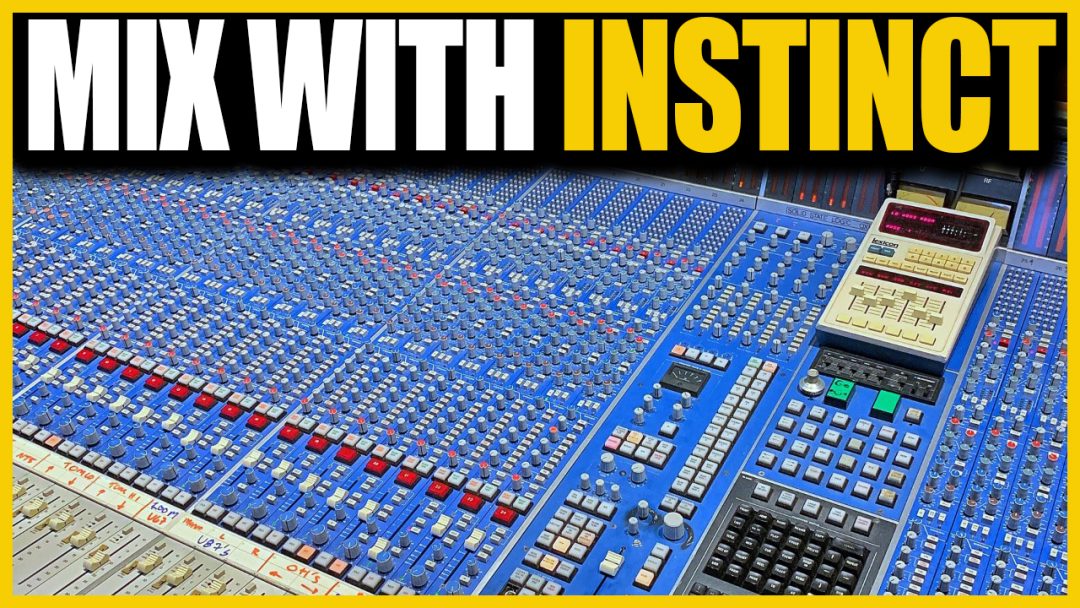


If there’s one message I wish every engineer would take to heart, it’s this: use your ears. In a world flooded with visual tools, specs, and plugins packed with readouts, it’s easy to forget that mixing isn’t a visual discipline. It’s an aural one. The meters, graphs, and presets? Helpful, sure. But they don’t tell you what your ears will.
I’ve worked with countless engineers, producers, and musicians over the years, and the best ones—the ones whose work gives you goosebumps—are always those who trust how something feels. They’re not obsessing over whether they’re boosting 3 dB at exactly 10.2 kHz. They’re listening, responding, reacting. Mixing with instinct.

Beyond the Numbers
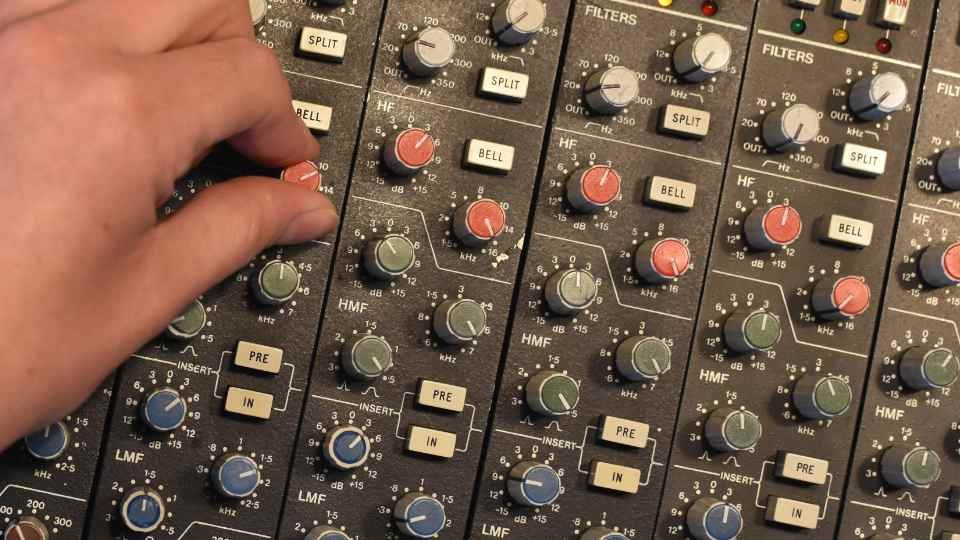
We’ve all done it: staring at an EQ curve, nudging a band up 2 dB because that’s what the chart says. But if you’ve ever found yourself deep into a mix that looks good on the screen but sounds lifeless, you already know: the numbers can lie.
That’s because mixing is about interaction—how one element plays off another. You can’t solve that with numbers alone. You’ve got to trust your gut and, more importantly, your ears. Especially when you’re working with analogue gear. There’s a tactile, almost musical response you get from twisting real knobs. You’re not clicking a value—you’re feeling it.

Play Your Gear Like an Instrument
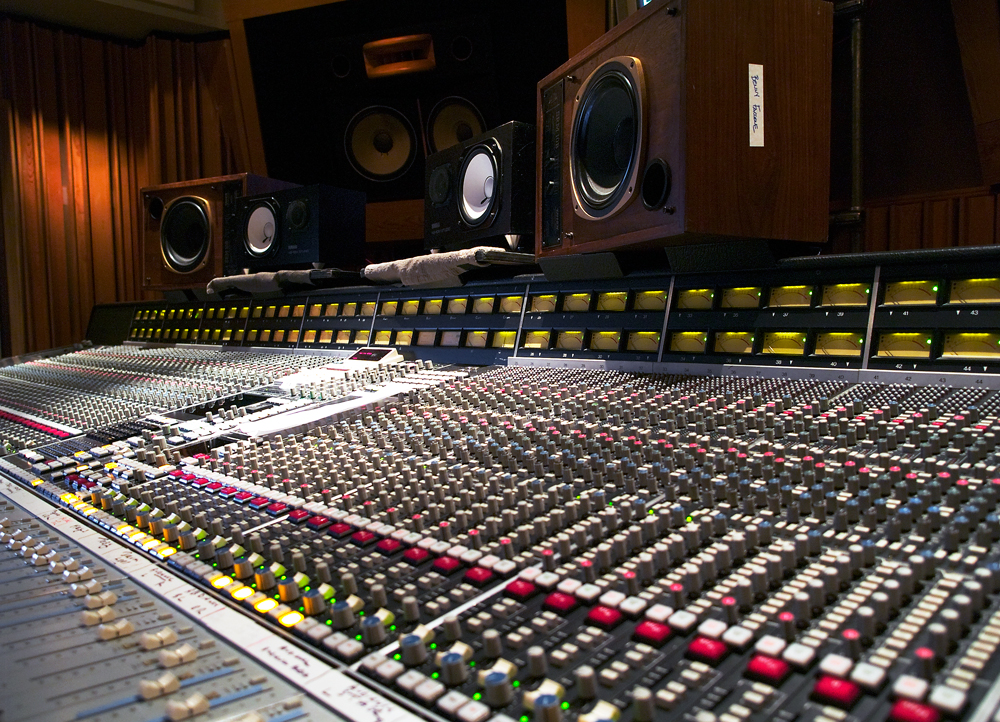
The turning point for many engineers comes when they stop treating gear like a set of controls and start treating it like an instrument. Real artistry begins when you’re not thinking about settings—you’re responding to the music.
I’ve seen great engineers nudge a vocal EQ just because the snare changed slightly in energy. They’re not thinking in terms of presets or rules. They’re reacting. That’s when gear becomes expressive. That’s when you’re mixing with instinct.
Boost What You Hear—Not What You See
Ask yourself this: why are you boosting that frequency? Is it because a guide said “10k adds air”? Or is it because you heard something in the vocal that needed lifting?
One of the most important habits to build is asking why you’re making each move—and letting the answer be “because I heard it.” You can know every frequency chart by heart, but if you’re not critically listening to how a boost is shaping the whole mix, you’re just guessing with a manual in hand.
Train Your Ears, Not Just Your Eyes
Critical listening isn’t just a skill—it’s a superpower. When you start hearing how small changes in level, EQ, or compression shape the emotion of a mix, everything changes. Suddenly, the gear becomes secondary. The sound is the conversation.
And like anything worth learning, this takes time. Listen to your favourite records. Try to isolate what makes the drums slam or the vocal sit just right. Get inside the mix. You’ll start noticing patterns. Techniques. Instincts. And you’ll carry those into your own sessions.


The Room Matters More Than You Think
No matter how golden your ears are, if your room is lying to you, you’re working against yourself. Your environment plays a huge role in what you perceive. Untreated reflections, dodgy monitor placement, and bad bass response can all colour your judgement.
Treat your space with care—acoustics matter. But even more importantly, learn how your room translates. Learn what a “good” mix sounds like in your environment, then trust that. You’ll get better at making choices that hold up outside your studio.
Let Instinct Lead
Mixing by instinct doesn’t mean ignoring science or skipping technical foundations. It means letting your ears lead and using knowledge as a support system, not a rulebook.
Want to break a rule because it sounds better? Do it. Want to pan the kick hard left because it feels great in this song? Why not? Some of the most iconic mixes in history defied convention. And they worked because someone trusted their ears and had the courage to follow them.
Your Sound is Yours Alone
As you grow in confidence, you’ll start to hear you in your mixes. Your choices. Your balance. Your colour. That’s your sonic fingerprint—and it’s worth protecting. No plugin can generate that. No AI can replicate it. It’s your instinct, your taste, your years of listening deeply and responding honestly.
So don’t just aim for “correct.” Aim for compelling.

Final Thought: Mix With Instinct
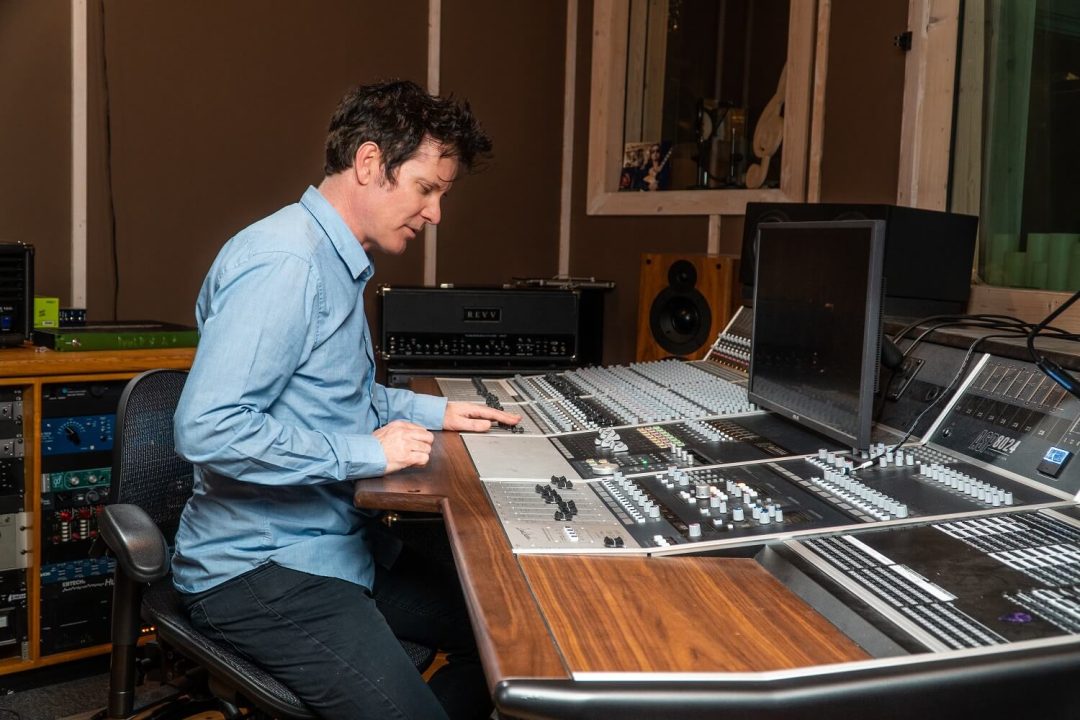
At the end of the day, the most powerful tool in your studio isn’t your interface, your monitors, or your DAW. It’s your ears—and the instinct you’ve built around them. So the next time you’re tweaking a compressor or fine-tuning an EQ, don’t ask, “Is this right?”
Ask, “Does it feel right?”
And if it does?
That’s the mix.