
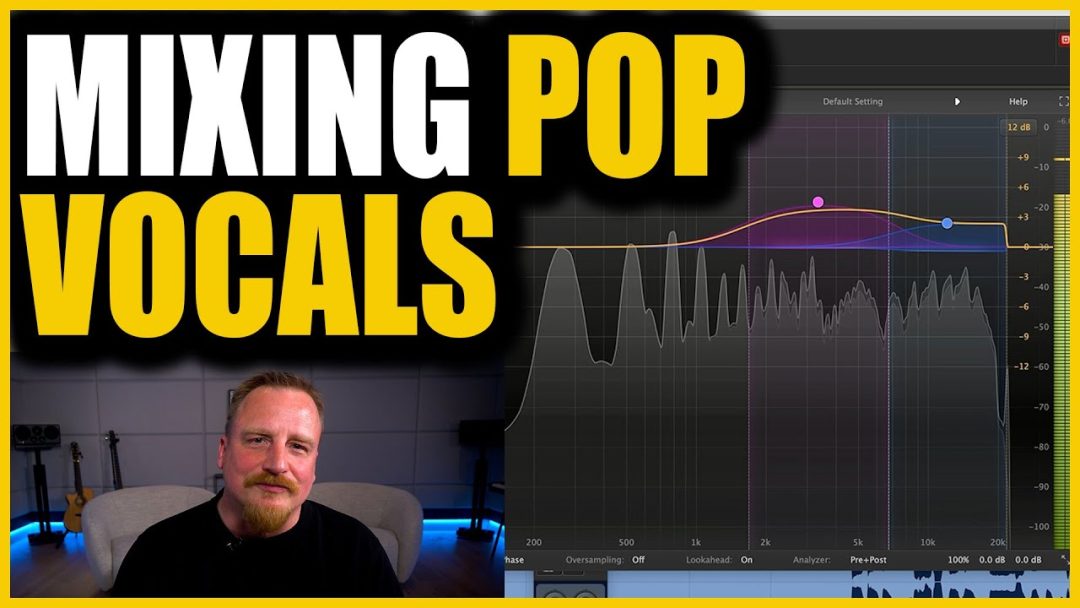

When it comes to mixing pop vocals, there’s a world of techniques and insights that can elevate your tracks from good to great. Here, with Richard Furch, we dive deep into the nuances of mixing vocals, exploring the choices and processes that can bring out the best in your recordings.
Understanding Vocal Effects – Get The Cleanest Vocal Track Available
Let’s start with the foundation: the vocal itself. Often, a lead vocal track comes with some effects already applied. However, it’s crucial to request the clean vocal track as well. Why? Because as engineers having access to the raw vocal allows for better blending and processing. Unique effects, that the producer may have used, that you don’t have ink your arsenal, like a specific spring reverb, can be integral to a track’s character. So, if you can get those effects separately, do it.
The beauty of mixing is that everyone has their unique approach. Each engineer brings a different perspective to the table, which is an exciting part of the process. Plus frankly if the effects are baked in and you need an upfront vocal that you won’t easily be able to do this without using fancy plug ions that may reduce the quality of the vocal.


Utilising Effects Wisely
Let’s talk effects. When mixing, Richard often looks for ways to enhance the vocal without losing its essence. For instance, using a specific reverb, like the LX480 Buckram Reverb Preset, can add space without overwhelming the lead vocal. This reverb is reminiscent of a plate reverb but with a quicker decay, making it suitable for pop vocals. It’s all about creating that ‘expensive’ sound that makes the vocal shine.
Delays of course can give the vocal a very specific mood as well, we associate certain delay types with certain genres, short slap back instantly brings the ’50s to mind, such as early Rock and Rock, Rockabilly or Blues.
Exploring Different Vocal Delays
Delays play a crucial role in shaping the space around a vocal. There are several types to consider:
- Slapback Delay: A short, single echo that adds depth and energy, often used in rock and pop to create a sense of immediacy.
- Ping-Pong Delay: This delay alternates between the left and right channels, creating a wider stereo effect that enhances vocal movement in the mix.
- Tape Delay: A warm, slightly degraded echo that can add character and vintage flavour to a vocal.
- Quarter-Note or Eighth-Note Delays: These are commonly used rhythmic delays that subtly reinforce the vocal and make it sit better in a dense mix.
By strategically using these delay types, you can create space and energy around the vocal while keeping it clear and defined.
Building Depth and Space
Creating depth in a mix often involves using slight ambiences behind specific instruments. With vocals, this means placing them in a space that feels natural. The goal is to add dimension without making the vocal sound distant. For example, if you have a vocal that feels too upfront, adding a subtle ambience can push it back just enough to create a balanced mix.
It’s often in the small details that we find the magic. A little ambient effect can make a vocal sound fuller and more integrated with the rest of the instrumentation. Layering these effects carefully can create a depth that enhances the listening experience.


Re-engineering Tracks – Enhancing The Vocal With EQ
As mix engineers, we often inherit tracks that may not be perfect. Whether the vocal was recorded with a certain mic preamp or processed in a specific way, it’s our job to re-engineer those tracks to match our vision. For example, if a vocal sounds too thin or dark, applying EQ with a gentle roll-off can help bring out the warmth and presence that’s needed.
When working with vocals, Richard typically starts with EQ adjustments. A gentle boost in the low-mid frequencies, around 200-300Hz, can add warmth and body without making the vocal muddy. A slight dip around 400-500Hz can help remove boxiness, while a presence boost around 3-5kHz can add clarity and definition. To add air and openness, a subtle high-shelf boost around 10-12kHz can be effective. It’s all about shaping the vocal so it cuts through the mix while still sounding natural and polished.
Finding the right balance ensures that the vocal sits perfectly in the track, complementing the instrumentation without being overpowering or lost in the mix.


Dynamic Control with Compression
Compression is another key tool in the mixing process. Applying mild compression can help control the dynamics of a vocal track, making it more consistent and polished. For instance, Richard often uses a CL1B compressor, which provides a lean sound while still allowing the vocal to maintain its natural character.
Using parallel compression can also be an essential technique. By blending a heavily compressed version of the vocal with the original, you can retain the dynamic range while adding punch. This technique allows for a more lively and engaging vocal performance, adding fullness and giving you the ability to bring the vocal very forward if necessary. Be careful though, it’s very easy to fall in love with this and you might yourself change your tail trying to get every instrument to sound the same way, when everything is forward nothing is forward!
Enhancing Clarity and Presence
In pop music, clarity and presence are paramount. Often, Richard will apply a slight lift in the high frequencies to bring out the brightness of the vocal. This can be achieved with a high-shelf EQ boost around 12kHz. It’s a subtle adjustment that can make a world of difference in how the vocal cuts through the mix.
Another technique Richard finds effective is to automate EQ settings throughout the track. By adjusting the EQ dynamically, you can highlight specific phrases or words, ensuring that the most critical parts of the vocal are always present and clear.


Final Touches: The Mixdown
As we approach the final mixdown, it’s essential to listen critically. Richard often turns off all effects to hear the raw vocal and assess what is truly needed. This allows him to identify areas where the mix may feel imbalanced or where the vocal may need additional support.
When everything is in place, and the vocals sit nicely in the mix, it’s time for the final touches. This might include adding a touch of reverb or delay to tie everything together or even some additional EQ adjustments to ensure the vocal shines in the final product.

Take Your Mixing Further with Richard Furch
For those looking to deepen their understanding of vocal mixing, Mixing Pop Vocals: Insights and Techniques with Richard Furch is an essential resource. Richard Furch, an acclaimed mix engineer known for his work with Usher, Prince, and Frank Ocean, shares his in-depth approach to mixing pop vocals. This course covers everything from EQ and compression to creative vocal effects and automation, providing you with practical techniques that can elevate your mixes. Whether you’re a seasoned professional or just starting, this course offers valuable insights to help you achieve polished, radio-ready vocal mixes.
Conclusion: The Art of Mixing Pop Vocals
Mixing pop vocals is a nuanced art that requires attention to detail and a deep understanding of the tools at your disposal. By exploring different effects, using compression wisely, and always listening critically, you can create vocal tracks that not only stand out but also blend seamlessly into the overall mix.
Remember, each mixing session is a learning experience. Embrace the process, experiment with different techniques, and most importantly, trust your ears. Happy mixing!