

Mixing vocals is an art that requires a keen ear and a deep understanding of the tools at your disposal. In this blog, we’ll dive into the mixing process, exploring techniques that can elevate your vocal tracks to the next level. Join me, Joe Carrell, as we unpack the intricacies of vocal mixing, using the song “Blue Honey” as our canvas.
🎸 Unlock Pro Mixing Secrets with Joe Carrell: Create Pro-Level Country Rock Mixes Today! 🎸
Dreaming of mixes that hit with the same energy and emotion as Fleetwood Mac’s iconic sound? Now’s your chance to make it happen. Joe Carrell—an 11-time Grammy-nominated producer and mixing engineer—is pulling back the curtain on his process to help you craft professional, radio-ready mixes from your home studio.
Whether you’re mixing Indie, Americana, or Country Rock, this step-by-step masterclass will show you how to add depth, warmth, and clarity—all using Pro Tools and affordable plugins. No expensive outboard gear needed!
🚀 Join now for just $37 and transform your tracks with techniques you’ll use for a lifetime.

Starting with the Raw Tracks
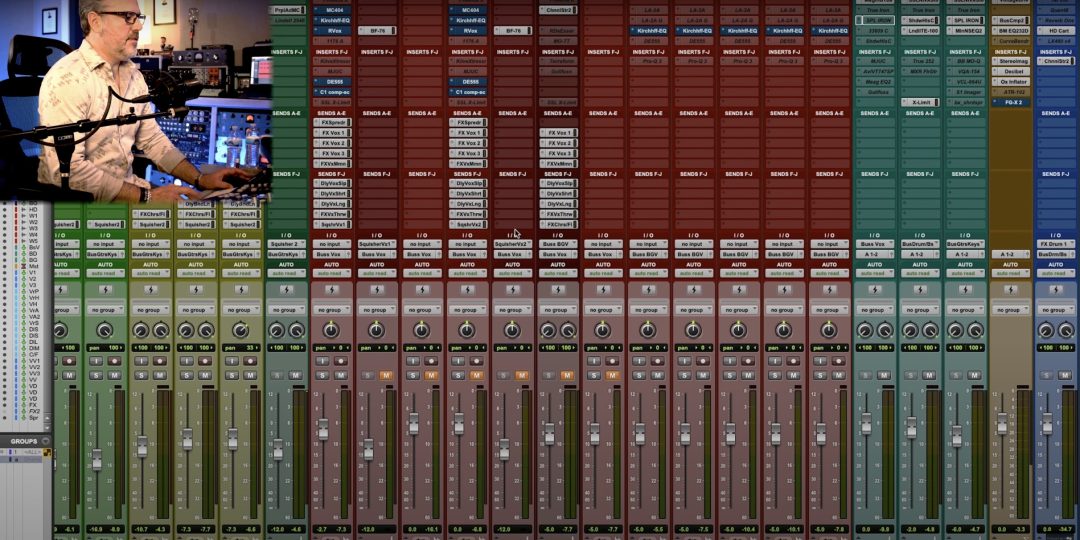
When mixing vocals, it’s essential to start with a solid foundation. The raw multitracks we have for “Blue Honey” feature a husband-and-wife duo, reminiscent of the harmonious sounds of Fleetwood Mac. With acoustic instruments and intertwined vocal lines, our goal is to bring out the best in their performance.
Before diving into EQ and compression, it’s crucial to assess the initial levels. I like to keep the levels safe and manageable, ensuring that we have headroom for processing. This means making sure our tracks are hitting at a reasonable level before applying any effects.
🎛️ What You’ll Master with Joe Carrell
In this 3+ hour course, Joe will guide you through mixing Blue Honey’s powerful track, “August Without Us,” teaching you techniques that work for any genre.
– ✅ Create a 3D Soundscape: Add depth and atmosphere that immerses your listeners
– ✅ Vocals that Shine: Transform raw vocals into showstopping performances
– ✅ Analog Warmth Without Analog Gear: Achieve that ’70s vibe with digital tools
– ✅ Drums That Punch: Make your drum tracks hit with energy and drive
This isn’t theory—it’s hands-on, actionable advice from a pro who has worked with the best in the business.

Applying Compression
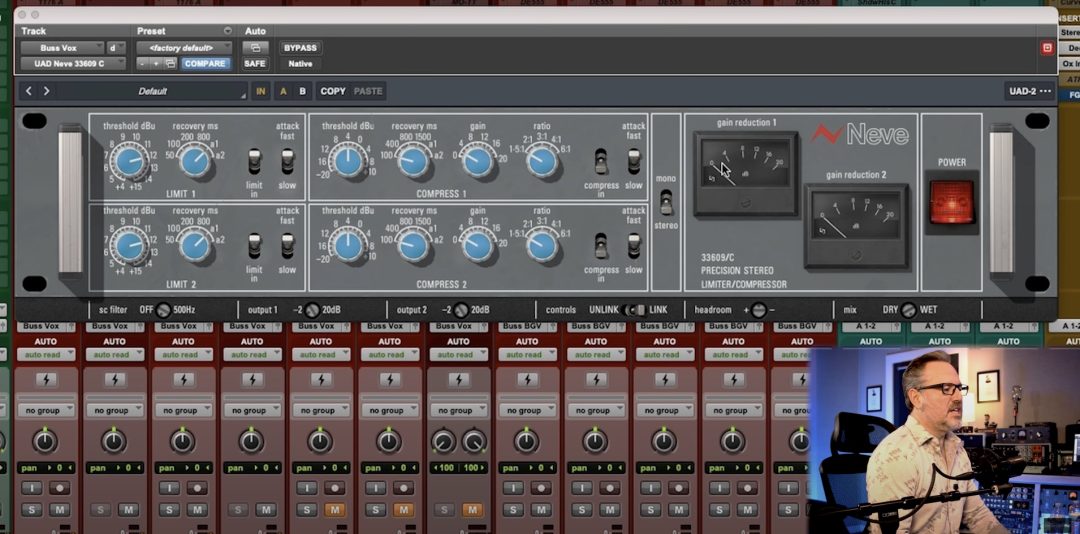
Compression is a powerful tool in vocal mixing. Initially, I turn off my compression on the vocal group to hear the raw sound. I then engage a bit of tube flavor and decide on the type of compression to use. For this mix, I opt for the NE diode bridge, which provides a nice warmth to the vocals.
As we start mixing, I listen closely to the aggressive sections of the song. My first stage of compression is crucial, as it helps to control the dynamics while maintaining the energy of the performance. I aim for a balance where the vocals feel present but not overbearing, allowing them to sit well in the mix.

EQing for Clarity
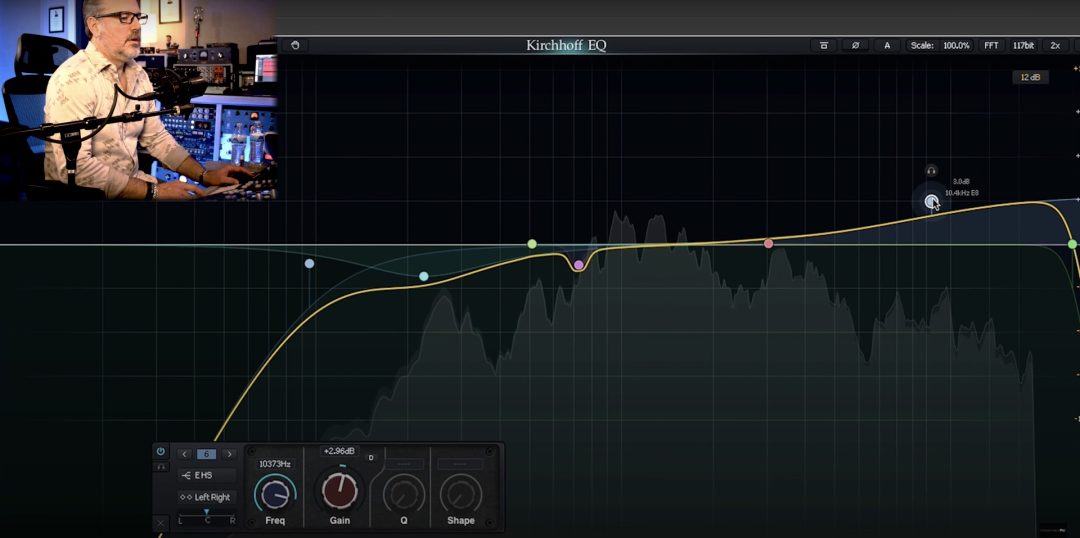
Once compression is applied, I turn my attention to EQ. High-pass filtering is one of my go-to techniques to remove unnecessary low frequencies. I typically set my high-pass filter around 85 Hz to eliminate any low-end rumble that could muddy the mix.
Using plugins like FabFilter or SSL E-Channel, I can sculpt the vocal tone further. I pay specific attention to the mid-range, making subtle cuts around 2 kHz to reduce any harshness that may arise, especially during more aggressive vocal deliveries.

Addressing Sibilance
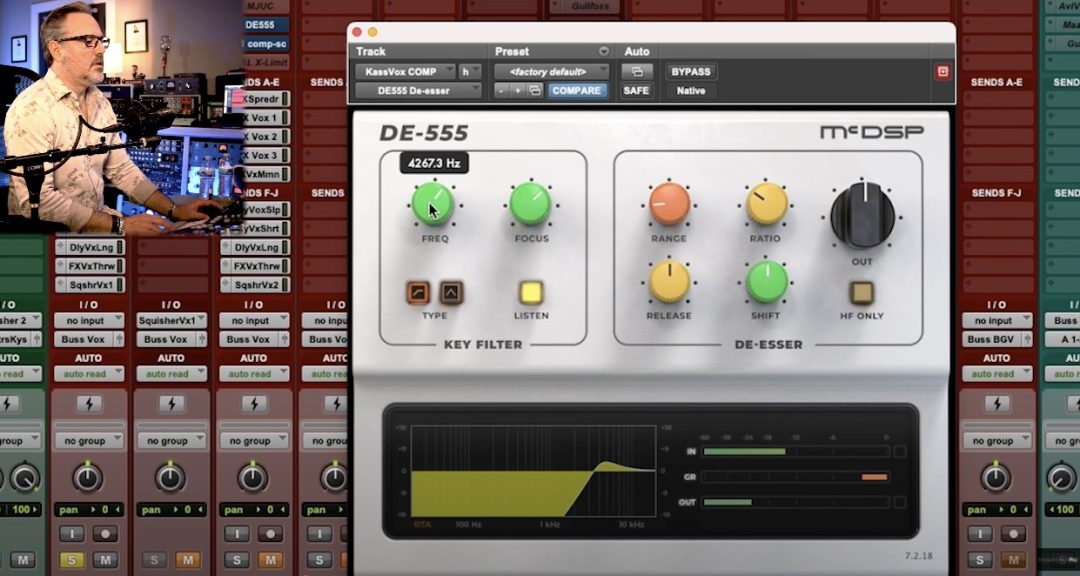
Sibilance can be a vocal mixer’s worst enemy. In this track, I notice some sibilance issues, particularly in the female vocals. To tackle this, I might employ a de-esser to tame those harsh “s” sounds, ensuring they don’t distract from the overall performance.
In addition to de-essing, I also consider using parallel compression. This technique allows me to blend a compressed version of the vocal with the original, enhancing presence without sacrificing dynamics. The result is a vocal that sits beautifully in the mix, clear and engaging.
🎵 Channel Strips & Bus Compression: Build a rich, cohesive sound
Best of all? These techniques work seamlessly across any DAW—Pro Tools, Logic, Ableton, Cubase, Reaper, Studio One, and more.
🔥 Hands-On Practice: Mix Your Own Version of Blue Honey’s Track 🔥
We’re not just showing you what to do—we’re giving you the tools to do it. Download the full multitrack session from Blue Honey and apply Joe’s techniques yourself. Practice makes perfect, and this is your chance to develop pro-level skills.

Creating Spatial Depth
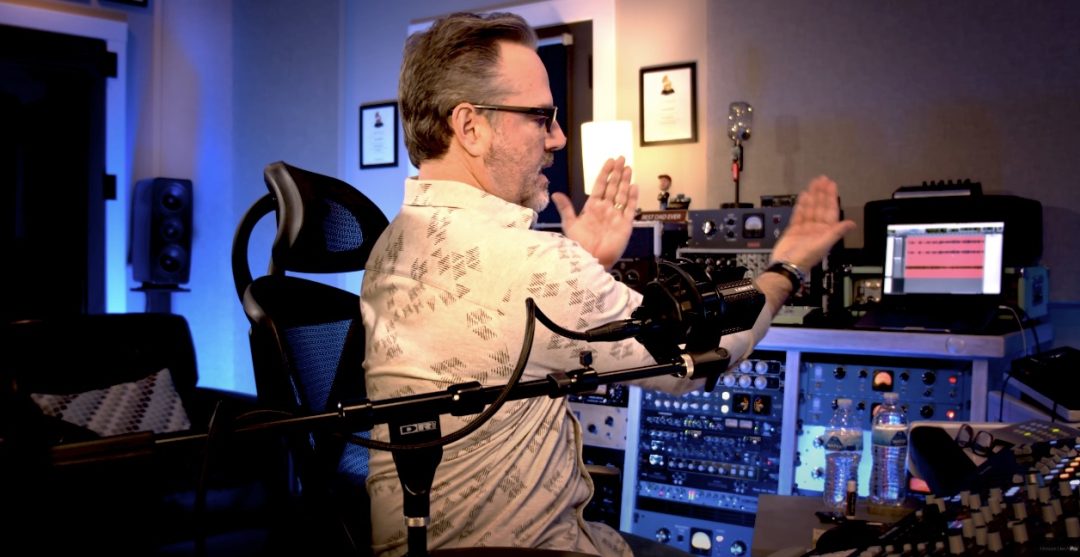
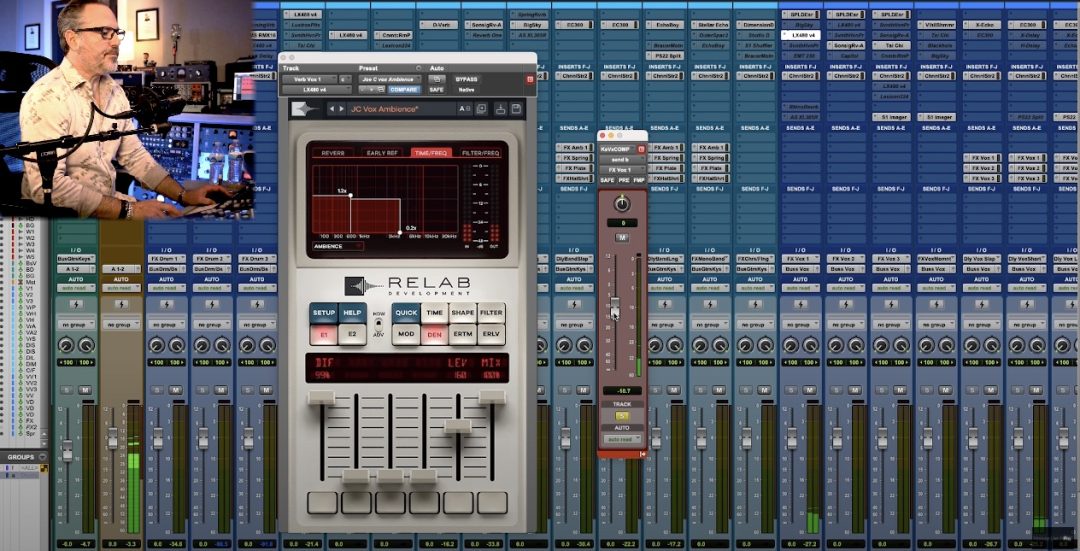
Once the vocals are sounding good, I like to add some spatial effects. Reverb and delay can create depth, making the vocals feel larger than life. For this mix, I use a plate reverb for its smooth characteristics, along with a slap delay to add a bit of texture.
When applying these effects, I ensure they don’t overpower the vocals. It’s essential to find the right balance. I often send vocals to a bus for reverb, allowing for more control over the effect without cluttering the main vocal track.
Automation for Dynamics
Automation plays a significant role in vocal mixing. By automating the vocal levels, I can bring out nuances in the performance. For instance, during the verses, the vocals can be slightly lower in volume, creating a dynamic lift when the chorus hits.
This technique not only enhances the emotional impact of the song but also ensures that the vocals remain engaging throughout. I often adjust the levels based on the performance, making sure they are always in the spotlight when needed.

Final Touches and Mastering
As we approach the final stages of mixing, I take a step back to listen to the entire track. It’s crucial to ensure that the vocals blend seamlessly with the instrumentation. This is where reference tracks can be invaluable, allowing me to compare and make necessary adjustments.
Once I’m satisfied with the vocal mix, I focus on the stereo bus treatment. A gentle compression and a touch of EQ can help glue the mix together, ensuring that everything sounds cohesive. Finally, I apply a limiter to prevent any peaks and to bring the overall level up for mastering.
🚀 Elevate Your Sound Today: Here’s What You’ll Gain
– 🎵 Smooth, layered vocals that stand out
– 🥁 Drums with punch and depth
– 🎧 A polished, radio-ready mix that sounds professional
💥 BUY NOW FOR JUST $37 and gain lifetime access to Joe Carrell’s mixing secrets.
🔗 [Click Here to Get Instant Access]
Conclusion: The Art of Vocal Mixing
Mixing vocals is a nuanced process that combines technical skills with artistic intuition. By employing techniques such as compression, EQ, spatial effects, and automation, you can create a vocal sound that is not only polished but also emotionally resonant.
🎶 Bonus: Joe’s Insider Mixing Tips
Learn how to review, refine, and perfect your mixes so they sound fresh, dynamic, and ready for the airwaves. Joe’s approachable teaching style ensures you’ll feel confident as you apply these techniques.
🎧 Your next great mix is just a click away. Are you ready to make magic happen? 🌟