

How to produce rhythm sections that breathe, move, and feel unforgettable.
We live in an age of pristine production, where everything can be snapped perfectly to the grid and polished to a mirror shine. Yet, when you talk to people about the songs they truly love—the ones that give them goosebumps or bring back memories—it’s rarely about technical perfection. It’s about feel. It’s Stevie, Aretha, Zeppelin, MJ, Motown, Prince, The Stones, Chaka Khan, and Joni Mitchell… music with humanity, tension, swagger. So, where’s the disconnect? Why are we surrounded by flawlessly produced songs, yet still chasing the magic of records made decades ago? It’s time to look at what those classics did so right—especially in the rhythm section—and how we can bring that same groove and feel into our own productions.

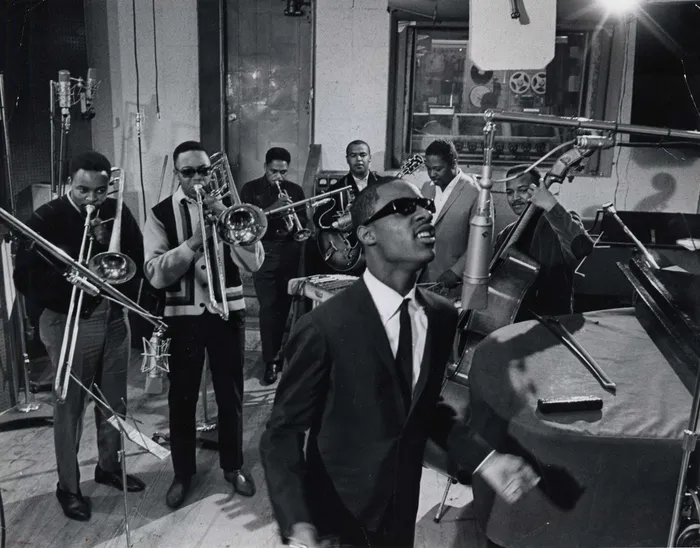
Understanding how to create groove and feel in music is essential for any producer. The interaction between bass and drums is crucial, and getting this right can elevate your track from ordinary to extraordinary. It’s not just about technical alignment—it’s about groove, feel, and excitement in the performance. When bass and drums are working together with intention and energy, they inject life into the track, making it feel like it’s moving and breathing. In this post, we’ll explore how to achieve that perfect groove-feel connection by honing in on the emotional and rhythmic relationship between bass and drums—and how subtle timing choices can completely change how a song feels.
The Importance of the Bass and Drum Relationship
The relationship between bass and drums is one of the most vital components in music production. When they’re locked in, they form a tight, driving foundation that feels inevitable—like the song couldn’t exist any other way. However, when they’re just on the grid, you risk ending up with a track that feels mechanical or uninspired.
Groove and feel don’t come from perfection. They come from intention. And intention lives in the space between the notes—how the bass and drums talk to each other, support each other, and move the track forward emotionally.

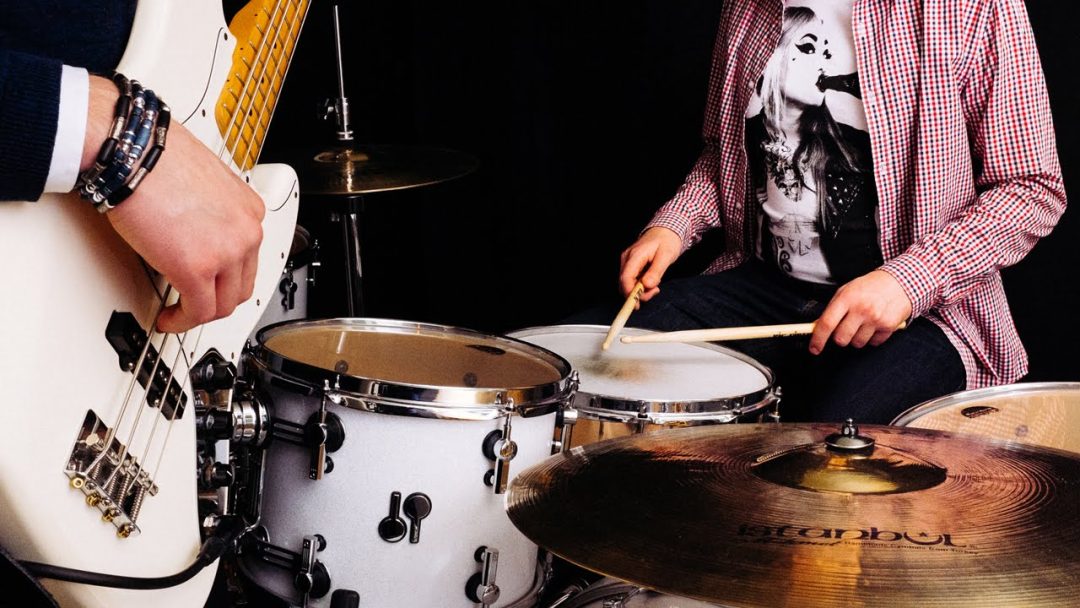
Push and Pull: Creating Emotion with Timing
One of the most overlooked elements in groove and feel creation is the emotional push and pull that comes from micro-timing.
When the bass plays just ahead of the drums, especially the kick, the track instantly feels more urgent and aggressive. It’s subtle, but it creates this forward-leaning momentum that pulls the listener into the track. The key is nuance—too far ahead and it sounds disjointed, not far enough and it loses its edge.
Conversely, when the bass lays back slightly, especially behind a punchy kick, the track feels more relaxed, swampy, or groovy. You can create tension and release simply by how the parts lean into or away from the beat.
This kind of push-pull is not just theoretical—it’s what gives a verse its swagger and a chorus its lift. For example, drum fills that subtly rush into a downbeat, followed by a bass that lands just a tick late, can make the chorus feel heavier, grander, and more emotionally impactful. It’s a small shift with a massive result.

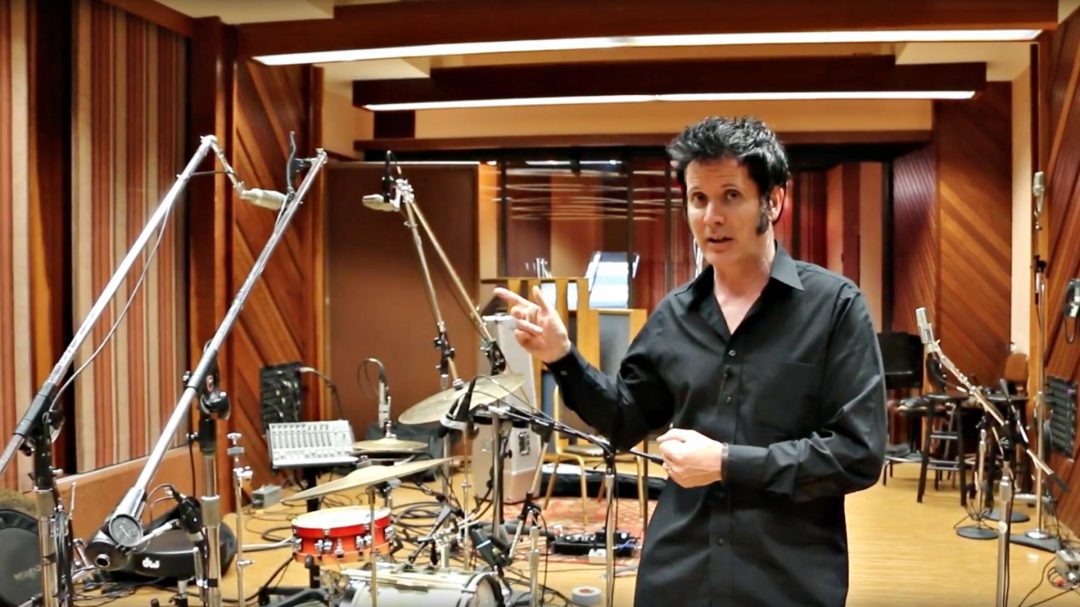
Producing the Rhythm Section: Tracking Bass and Drums Together
When you’re producing a band, the most effective way to capture groove and feel is to have the bass player and drummer track together. There’s a unique energy that comes from two musicians reacting to each other in real time—something that’s nearly impossible to replicate when parts are recorded in isolation.
One powerful approach is to track the rhythm section with scratch instruments, especially vocals, acoustic guitar, or piano. Even if those scratch parts aren’t keepers, they provide essential context. The rhythm section needs to hear where the vocal leans—when it surges forward or pulls back—so they can lock into that emotional timing. Without it, you risk a technically tight performance that misses the song’s feel entirely.
Yes, you can (and often should) use a click track, but don’t treat it like a ruler. Rushing and dragging against the click is not a mistake—it’s the human push and pull that creates feel. A locked groove doesn’t mean robotic timing. It means intention, where every note breathes with the song’s pulse.
Don’t be afraid to introduce tempo changes between sections if that’s what the music needs. A chorus might want to lift slightly. A bridge might land heavier if it slows down just a touch. One of the simplest ways to get this right is to have the vocalist record a live guide vocal to acoustic guitar or piano, without a click. Then, you can create a tempo map from that performance—letting the natural pace of the vocal dictate the framework for the rhythm section.
As a producer, your job is to make space for this kind of musical interaction. Start by setting up the room or headphone mixes so the musicians can see and feel each other. Then, after a few takes, bring them into the control room. Sometimes, just stepping out of the tracking space and listening back together shifts everyone’s perspective. It takes them out of performance mode and into the mindset of collaborators shaping a groove. You’ll often find that bassists and drummers hear things they didn’t notice while playing—small pushes, little lags, the way they’re lining up on transitions.
These conversations in the control room—watching reactions, pausing to point out moments that feel good—are often where the real breakthroughs happen. Groove and feel are rarely found under pressure. Change the environment, remove the headphones, and listen to the performance as music, not just parts.
Here are a few tracking tips that bring it all together:
- Encourage Communication: Talk through the emotional shape of the song. Where should it push? Where should it settle in?
- Use Full Passes: Avoid piecing it together. Let the players find their feel across whole sections or entire takes.
- Match the Vocal’s Feel: Make sure the rhythm section locks into the vocal phrasing, especially on key entrances and transitions.
- Build a Tempo Map: If the vocal leads, follow it. Create a tempo map to guide the rhythm players through a natural performance arc.
When it works, you won’t just hear the groove—you’ll feel it. The band will sound unified, like they’re breathing together. That’s when you know the foundation is there, and the song has room to come alive.

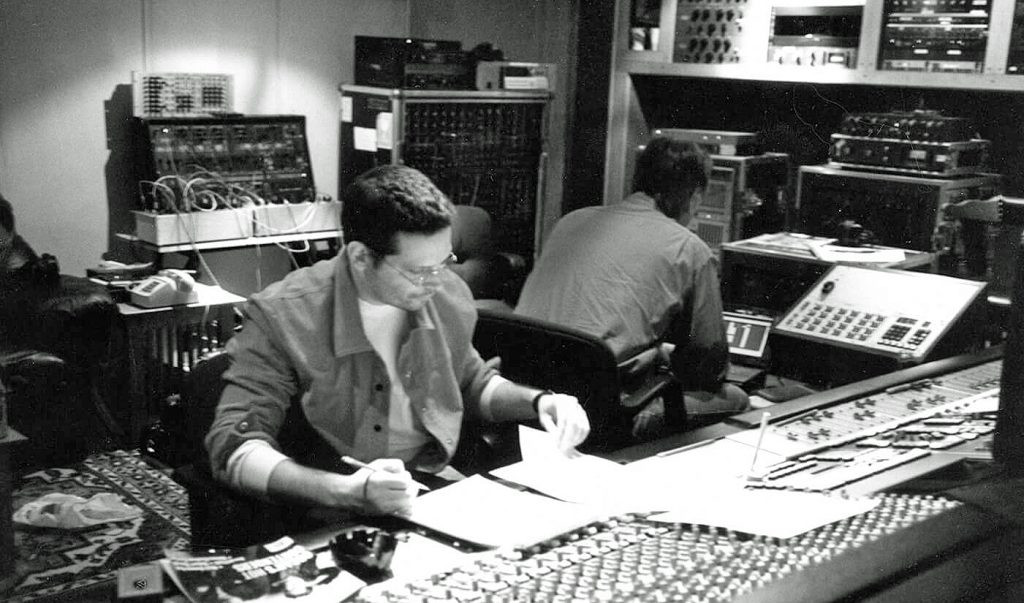
Pushing Bass for Impact: Michael Beinhorn’s Approach with Hole
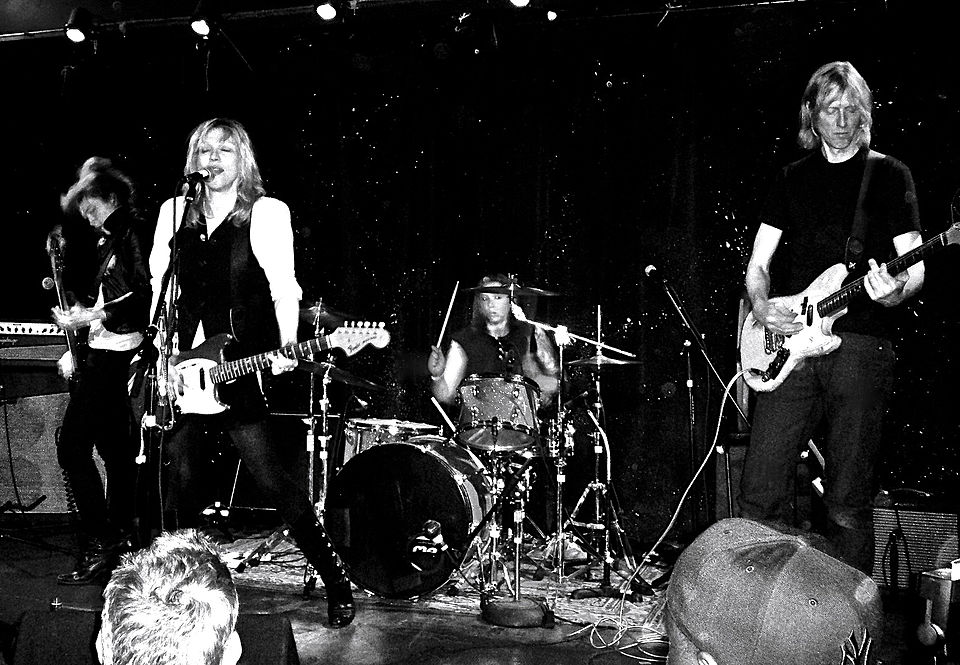
Legendary producer Michael Beinhorn shares a powerful example of how timing nuance in the rhythm section can change everything. While producing Celebrity Skin by Hole, he works closely with bassist Melissa Auf der Maur to fine-tune her feel. He notices that many tracks are losing momentum because the bass is sitting right on top of the drums—or even slightly behind—resulting in a flat, lifeless groove.
To combat this, Beinhorn encouraged Melissa to push the bass ahead of the drums, just slightly. The result? A noticeable lift in the track’s energy. That subtle forward motion gives the music a kind of nervous tension, an urgency that suits the band’s dynamic edge perfectly.
The challenge, as he describes it, is finding the sweet spot—where the bass leads just enough to inject excitement, without sounding disconnected from the drums. When done right, the bass doesn’t sound early, it just feels alive. It’s that delicate manipulation of time that can turn a solid track into something unforgettable.
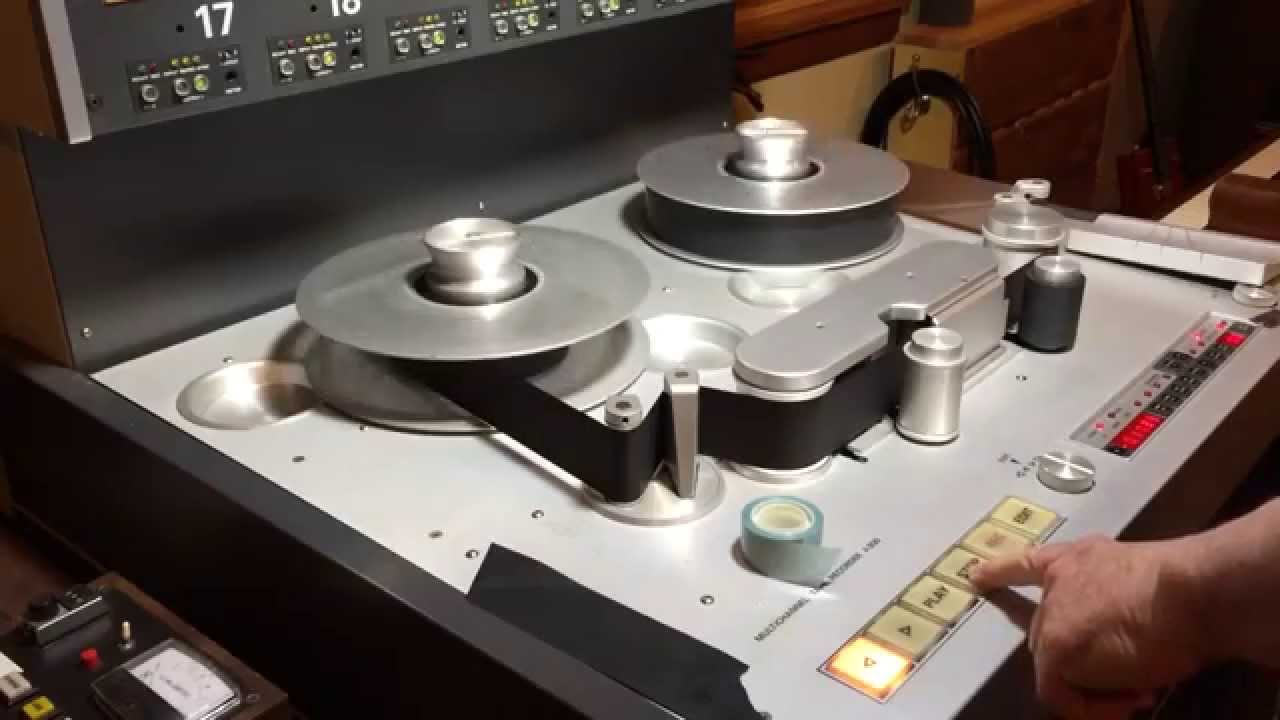
Think Like a Tape Machine
Before the convenience of digital editing, producers had to rely on performances—not playlists full of comps and micro-edits—to create feel. If something wasn’t quite right, the fix wasn’t in a mouse click, it was in the next take. That mindset can still serve us today.
Instead of nudging notes around in the DAW, encourage the musicians to listen to each other. Are the bass and drums breathing together? Is the feel slightly ahead where it needs energy? Is it laying back in the verse for weight? These are performance questions, not Pro Tools questions.
Tape allows for slight timing variation in a natural, musical way. The takeaway? You don’t need tape—you need the mindset. Think like a tape machine. Get the feel right at the source. Use multiple takes if needed, but always aim to capture a musical conversation in real time. Don’t train your players to rely on editing to “fix it.” Train them to listen, adjust, and lock in together.
In the long run, the groove you capture will feel more intentional, more alive—and far more satisfying than anything quantised after the fact.

Play with Velocity and Dynamics
Timing is only half the story—feel is deeply tied to dynamics. Musicians naturally slow down when they play softer and speed up when they dig in. Embrace that. Encourage performances that breathe with dynamic contrast. It’s not just about loud and soft—it’s about how that intensity shapes the groove.
Pushing into a section often makes the tempo lift slightly, while playing with restraint can pull the feel back and make the groove sit deeper. These small shifts, driven by emotion and touch, can add more excitement than any automation or quantisation ever could.
The Role of Drums in Establishing Groove and Feel
The drums are the heartbeat, but it’s not just about keeping time—it’s about delivering feel. The way your drummer (or programmed drums) interact with the bassline determines the track’s emotional DNA.
Here are a few ways to enhance that relationship:
- Vary Your Kick Patterns: A straight four-on-the-floor will lock the groove, but syncopation or small rhythmic variations can give your bass more room to shine.
- Use Ghost Notes: These soft snare hits between the main beats add nuance and glue the rhythm section together.
- Watch Your Drum Fills: Slightly speeding up a fill into a chorus and then letting the downbeat land just a hair late can add enormous weight and anticipation to a section.
Fine-Tuning Your Mix
Once your timing feels right, you need to make sure your bass and drums sound like they belong together. Here’s how:
- Use EQ Wisely: Carve out space so the kick and bass don’t fight each other. Low-mid clarity is key.
- Compression: Use buss compression or parallel compression to glue the rhythm section together, creating a unified pulse.
- Check Your Levels: The kick should support the bass, and vice versa—keep an ear out for balance, not just volume.

Conclusion: The Art of Groove and Feel
Creating a compelling groove and feel is an art form that takes patience, experimentation, and ears that listen between the lines. Groove isn’t just about being in time—it’s about knowing when not to be.
The interplay between bass and drums is where the soul of the track lives. A bass that pushes the beat can create adrenaline and edge. A drum fill that pulls into a chorus can create drama and payoff. These are the details that make a song feel human—and unforgettable.
So whether you’re building your next single or just jamming out in your studio, treat the rhythm section like a conversation, not a machine. Because when bass and drums speak to each other with emotion, groove, and excitement in the performance, the rest of the track dances.