
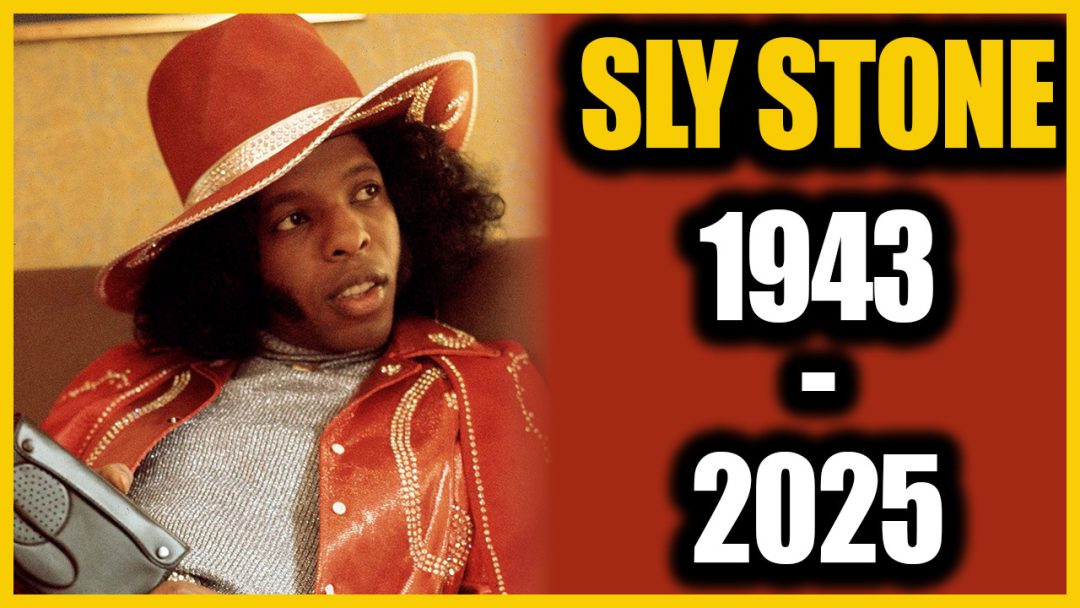
Sly Stone has left the building. And if you ever truly listened to Sly, you know that sentence hurts far more than words should. His passing today at the age of 82 marks the end of a chapter in music history that cannot be overstated, because he wrote so much of it.
For those of us who grew up on his records, studied his arrangements, stole his chord voicings, tried (and failed) to emulate his rhythms, today is not just about the loss of a great musician. It is about saying goodbye to one of the most human voices in recorded music. Because that is what Sly was, a voice. Not just in terms of lyrics, politics, race or culture, although he was absolutely all of that. But vocally, sonically, he could do it all. He did not sing on the mic, he became part of it. Whether falsetto or scream, a sermon, a whisper or a spoken word groove, every syllable was drenched in emotion and meaning. He did not perform songs, he channelled them.
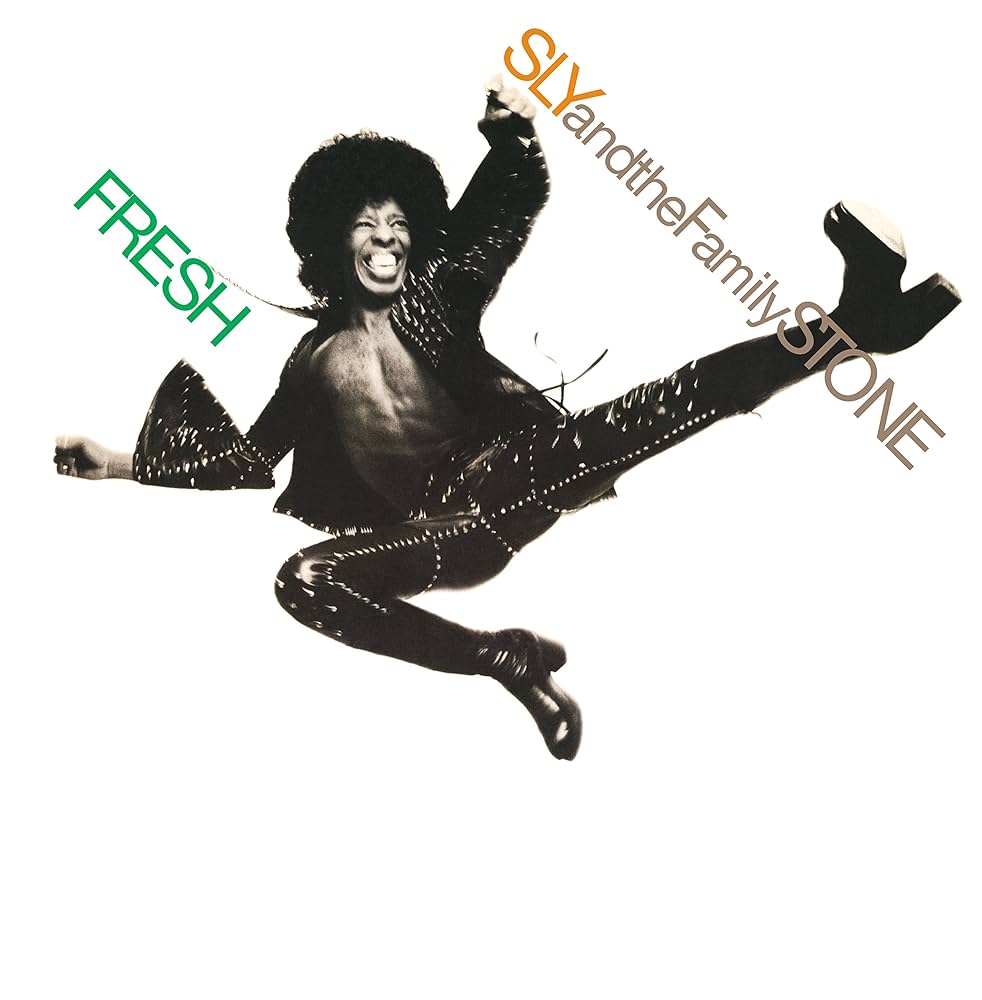

When we made the second Fray album, we recorded at the same studio where Fresh was cut. That mattered to me. Deeply. Just knowing that album had come from those walls was part of why we went there. You cannot quantify that kind of influence, but you feel it. Sly had a way of infecting spaces with soul. The ghosts of his grooves linger. Sylvester Stewart, Sly, did not just form a band, he summoned a revolution with Sly and the Family Stone. A multi-racial, multi-gender explosion of musical brilliance at a time when the world desperately needed it. From Dance to the Music to There’s a Riot Goin’ On, he did not just soundtrack the times, he challenged them. He took gospel, rock, funk, soul, psychedelia, and turned it into something new, something free.
As has been said many times before, James Brown may have invented funk, but Sly Stone perfected it. He also surrounded himself with innovators. Visionaries. People who could elevate the already boundaryless. Larry Graham, the godfather of slap bass, funk’s low-end prophet. Andy Newmark, whose feel and finesse behind the kit would go on to anchor everyone from John Lennon to Roxy Music. And these were just two names in a galaxy of Sly disciples. He knew how to find genius because he was genius. He did not look for stars, he saw them before they saw themselves.

One of the greatest recent glimpses into Sly’s raw power comes from Questlove’s brilliant documentary Summer of Soul. Throughout the film, you feel the tension, the mounting anticipation for Sly and the Family Stone’s arrival. And when they finally take the stage, it does not disappoint. It erupts. In that moment, all the myth and magic come to life, the groove, the charisma, the message, the rhythm, the truth. That performance is more than a highlight, it is a reminder of what genius looks like when it hits its stride.
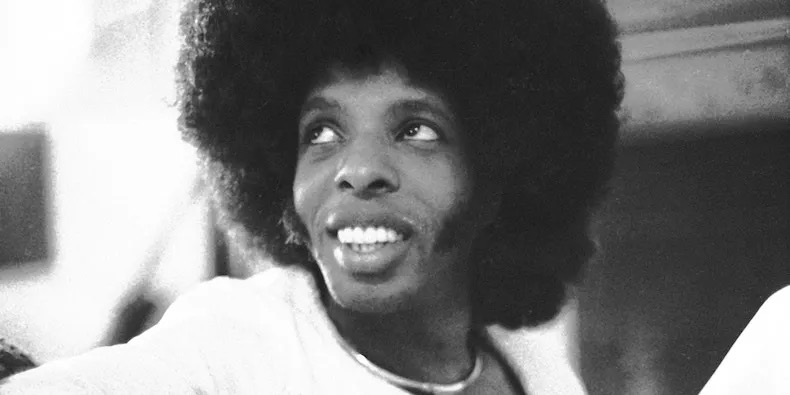
What is staggering is how early and how completely he had mastered music. By eleven he could play anything. By his twenties he was shaping the entire sound of the Bay Area, onstage, on record, and on the airwaves as a DJ, spinning The Beatles and Marvin Gaye back to back while preaching soul as something you live, not just listen to. It was not always a clean path. The later years were messy, troubled, and at times painful to witness. However, Sly’s flame never dimmed creatively, it just flickered in a world not built for that kind of brilliance. And somehow, even in his most reclusive, unpredictable moments, we all still waited, hoped, for one more note.
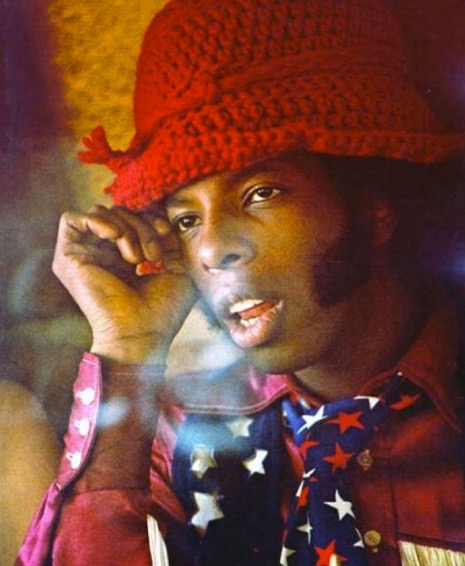

He gave us so many. “Everyday People,” “Family Affair,” “If You Want Me to Stay,” “Stand!”, anthems that said something real, wrapped in melodies you could not forget. And when you go back and listen, really listen, the message was always this, we are better together. Black, white, male, female, loud, soft, strange, divine, the Family Stone was all of us. He made us dance to the music, but he also made us see one another.
At thirteen I discovered Sly and Betty Davis within two weeks of each other. Just wow. The funkiest time of my life, etched on my mind forever. Thank you, Sly, for making me a believer in just how good music can be. So thank you, Sly. For the screams and the silences. For the slinky basslines and the broken drum machines. For making the impossible feel inevitable. You did not just change music. You changed people.
Rest in rhythm.
Warren Huart