
In my conversation with Ken Scott, one idea comes through loud and clear. The artist is in the studio for one reason, to create. Everything else, from gear choices to opinions in the control room, is secondary to protecting that creative space.
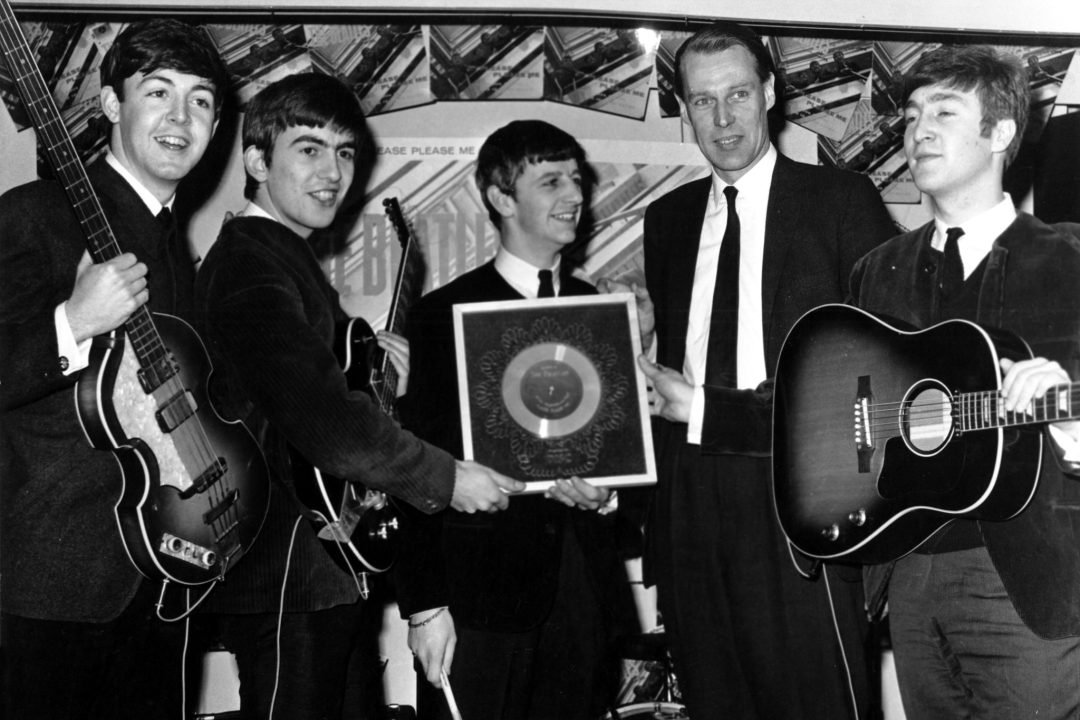
Ken frames this beautifully by contrasting two iconic producers. George Martin, the elder statesman, often heard music through a more orchestral and experimental lens. That perspective served The Beatles extraordinarily well, however it also explains why sessions like The White Album proved challenging. Martin, understandably, was still hearing the world through the prism of Sgt. Pepper’s Lonely Hearts Club Band, while the band themselves were moving somewhere far looser and more fractured.
By contrast, Gus Dudgeon brought a more direct rock and roll sensibility into the room. Not better, not worse, just different. And that difference matters. Producers hear differently depending on their background, age, taste, and experience. The mistake is thinking that one way of hearing should override the artist’s instinct.
Ken’s point is a gentle reminder rather than a criticism. Great producers do not impose, they listen. Their job is not to force yesterday’s masterpiece onto today’s session, however to recognise what the artist is trying to become right now, and help them get there.
At its best, the studio is not a place of control. It is a place of permission.