
Featuring Phil Allen
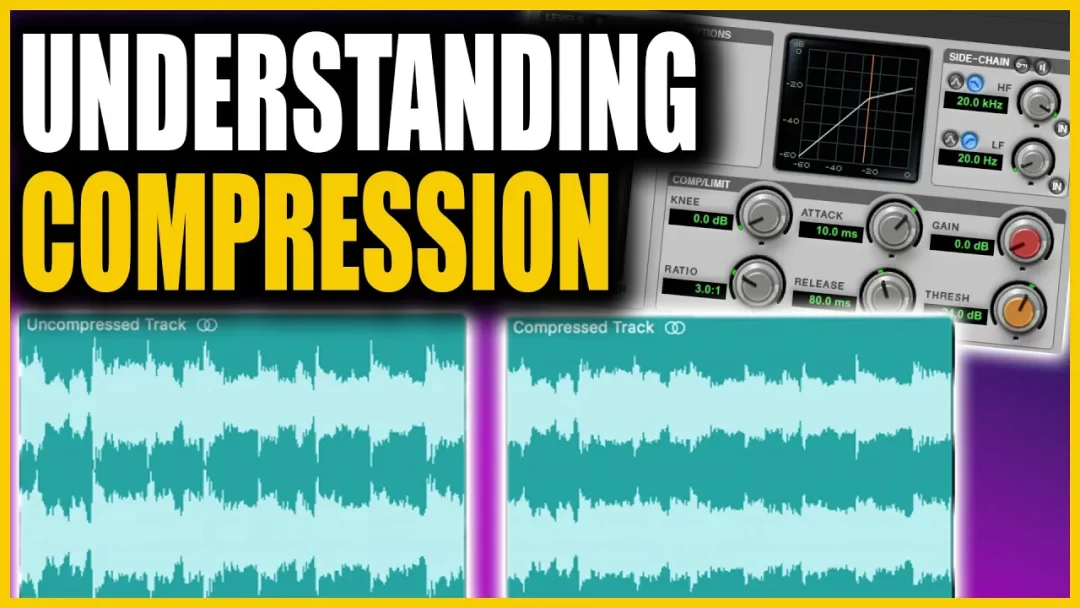
Compression can feel intimidating when you are first learning to mix, however as Phil Allen demonstrates in this lesson, it is far more straightforward than people imagine. At its heart, compression is simply volume control over time. When you understand that, everything else becomes musical choice rather than mystery.
Phil’s walkthrough is one of the clearest, most practical introductions to compression you will find. He strips away the jargon and focuses entirely on what you hear and why it matters, helping you move past guesswork and into confident, intentional mixing.
Download the Multitracks and Follow Along: https://producelikeapro.lpages.co/understanding-compression-with-phill-allen-form/

What Compression Really Does
Phil begins with the simplest possible definition:
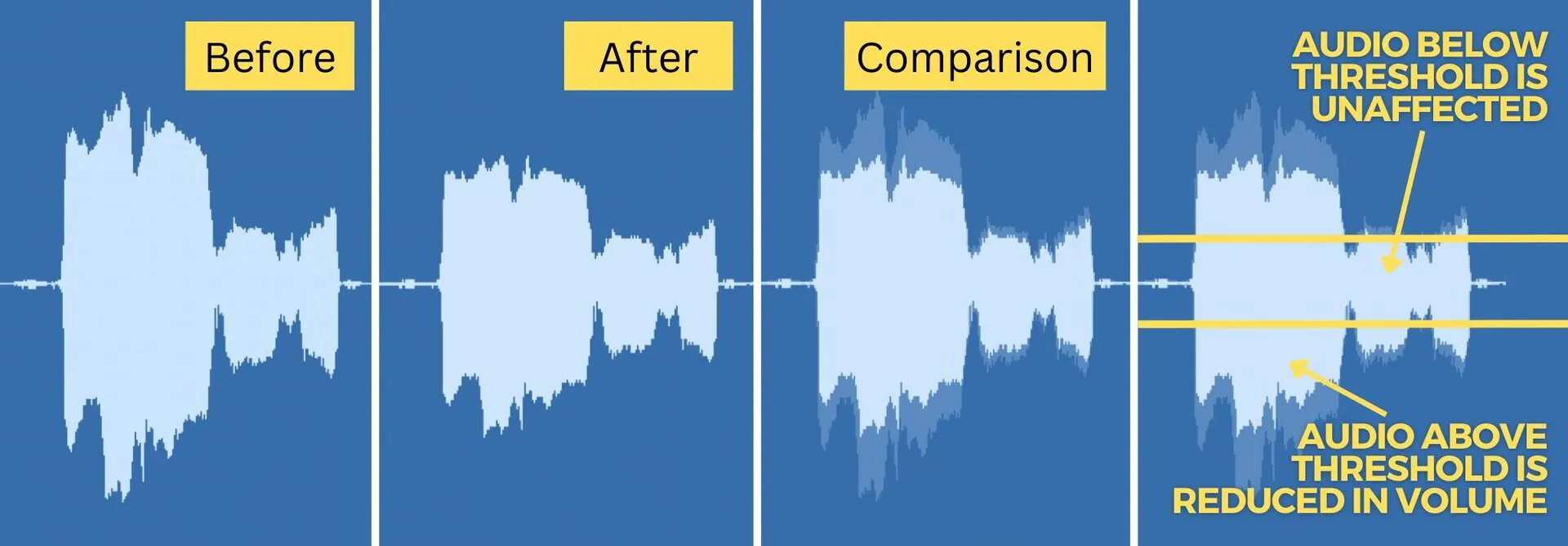
A compressor turns something down when it gets too loud.
That is the whole job. No magic, no secret sauce, no “pro trick.” Before compressors existed, engineers manually rode levels by hand. Compressors simply automate that process with more speed and consistency than a person ever could.
Phil makes a crucial point early on: compression was never designed to flatten performances, it was designed to supportthem. When used well, it helps the listener stay emotionally connected to the vocal, the instrument, or the groove.
Why We Use Compression in Mixing
Performances often have a wider dynamic range than a mix can comfortably hold. A singer may whisper one line and belt the next. A drummer may tap lightly in a verse then strike full power in a chorus.
Phil demonstrates how compression narrows that dynamic gap just enough so every phrase and hit remains audible, expressive and musical. This is not about controlling the performer. It is about presenting them clearly and consistently.
His guiding principle is simple: “Compression should enhance emotion, not erase it.”
Breaking Down the Controls
Phil explains each compressor parameter not as a piece of technical machinery, rather as a musical decision.
Threshold – When It Starts Working
Lower threshold = more of the performance is affected. Higher threshold = only the loudest peaks are touched.
Phil describes threshold as choosing where you want the compressor to pay attention.
Ratio – How Much It Turns Down
- Light ratios like 2:1 sound natural and transparent.
- Higher ratios clamp harder and are useful for controlling big peaks or creating effect-style compression.
Phil often recommends starting gently and increasing only if the performance requires it.
Attack – How Quickly It Responds
Attack shapes transients.
- Fast attack smooths and softens the front of the sound.
- Slow attack keeps the punch, allowing drums or vocals to feel more alive.
Phil often uses slower attacks on drums to preserve impact.
Release – How Fast It Lets Go
Release determines the compressor’s rhythm. Fast release breathes with the music. Slow release smooths and levels.
A highlight of Phil’s explanation is listening for the release to “pump” in time with the song so the compression feels musical rather than mechanical.
Trusting Your Ears, Not the Meter
Phil’s demonstration emphasises something every mixer eventually learns: Compression is heard, not seen.
Meters can mislead you. Two compressors showing the same gain reduction may sound entirely different. Phil’s workflow is wonderfully practical:
- Lower the threshold until you clearly hear the compressor working.
- Shape the attack and release until the tone and movement feel right.
- Back the threshold off until the compression supports the performance naturally.
This approach makes beginners confident and helps intermediate mixers stop second-guessing themselves.

Different Compressors, Different Personalities
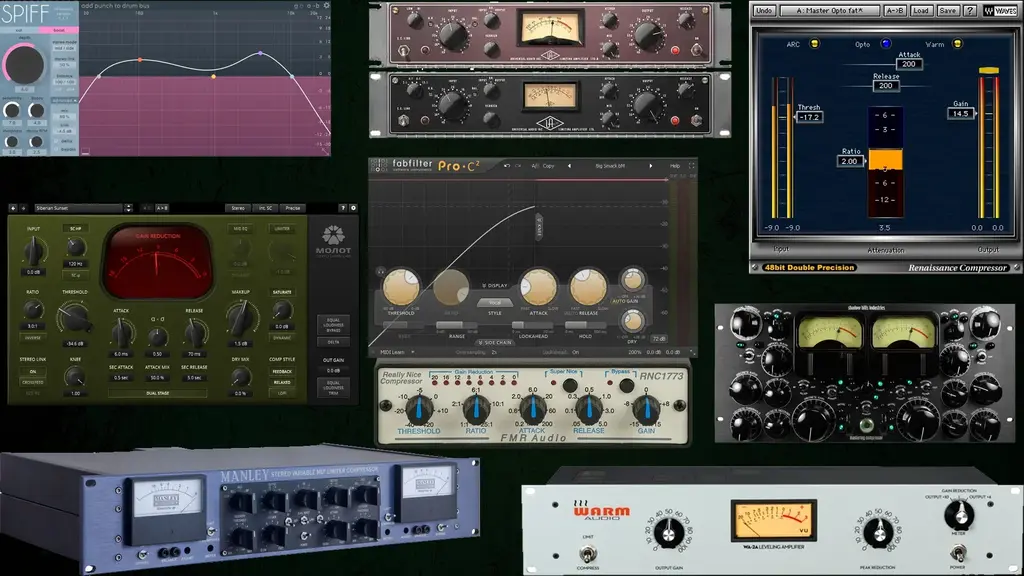
Phil outlines the major compressor types and why they matter.
Optical (LA-2A style)
Smooth, musical, perfect for vocals and bass.
FET (1176 style)
Fast, punchy, aggressive. Great for drums, guitars or energetic vocals.
VCA
Precise, consistent, flexible. Excellent for buss work and modern pop production.
Vari-Mu
Warm, rounded and vintage-leaning, often beautiful on mix buss or strings.
Phil treats compressors like musicians. They all play the part, however each brings a different feel. Choosing a compressor is as much about tone as it is about control.
Parallel Compression: Power Without Losing Dynamics
Phil also demonstrates parallel compression, blending a heavily compressed signal underneath the original.
The uncompressed track keeps clarity. The compressed track adds density, presence and sustain.
On drums, this can make the kit feel explosive. On vocals, it can lift them forward without sounding crushed. On bass, it creates authority and solidity.
Phil often leaves the parallel path extremely compressed because the blend knob gives him all the finesse he needs.
Knowing When Not to Compress
Phil closes with wisdom rarely discussed in tutorials: Sometimes the best compression is none at all.
If a vocal is controlled, a bass performance is even, or an acoustic guitar already sits perfectly, compression may do more harm than good. In those cases, automation preserves dynamics without altering tone.
Phil’s philosophy is refreshingly musical: Use compression when it helps the song. When it doesn’t, move on.
Final Thoughts: Compression as a Musical Conversation
Phil’s teaching makes compression feel accessible, intentional and musical. It is not a technical hurdle you must conquer. It is simply another way of shaping emotion and energy.
Learn the behaviour. Listen closely. Adjust boldly. Reset fearlessly. The compressor is your collaborator, not your enemy.
Understanding it is one of the most empowering steps in becoming a confident mixer.
Have a marvellous time recording and mixing
Download the Multitracks and Follow Along: https://producelikeapro.lpages.co/understanding-compression-with-phill-allen-form/