

As producers and mix engineers, we all chase the same things:
Clarity. Punch. Energy. Emotion.
Yet when we compare our mixes to professional releases, something often feels different.
The low-end feels more controlled. The drums feel tighter. The guitars feel wide without being harsh. The vocal sits perfectly — even in the loudest chorus.
So what’s actually happening under the hood?
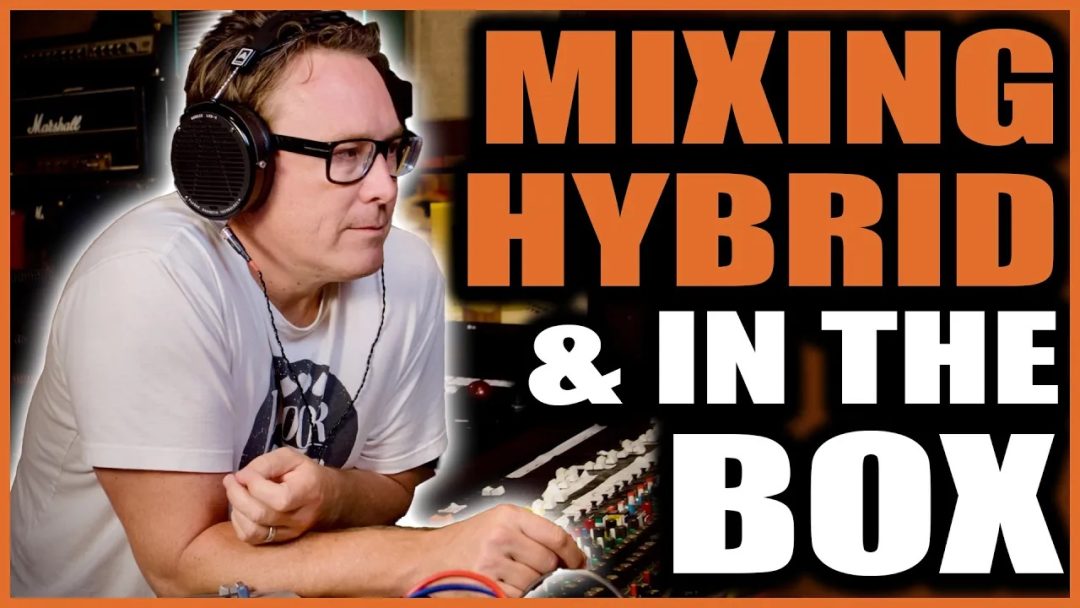
Recently inside Pro Mix Academy, we released a 4-hour deep dive with Grammy-winning producer and mixer Cameron Webb that explores exactly that question.
You can find the course here: https://promixacademy.com/course/mixing-modern-rock-with-cameron-webb/
Rather than offering generic “tips,” Cameron breaks down two complete modern rock productions from start to finish:
• Sailors Songbook – No One Lives Forever • Star Zero – King Saul
What makes this course particularly valuable is not the tools used.
It is the decision-making.
https://promixacademy.com/course/mixing-modern-rock-with-cameron-webb/


1. Mixing Is About Commitment
One of the recurring themes throughout the course is committing early.
Instead of endlessly tweaking:
- Print tones that work
- Subgroup drums for control
- Make confident EQ decisions
- Move forward
That mindset accelerates workflow and builds confidence. Many engineers struggle not because they lack plugins, but because they hesitate to commit.
2. Low-End Is Leadership
Rock mixing lives or dies in the low frequencies.
Cameron demonstrates:
- How to manage the relationship between kick and bass
- How to check phase properly
- How to filter intelligently without thinning the record
- How monitoring choices affect perception
Low-end is rarely about boosting more. It’s about organisation and clarity.


3. Width Comes from Contrast, Not Volume
Stacking identical guitar tones does not create width. It creates congestion.
In the course, Cameron walks through how contrasting amp tones, performance choices, and frequency placement create dimension without harshness.
It’s production thinking applied during mix.
4. Vocals: Control Without Killing Emotion
Heavy rock vocals demand power, but too much processing removes life.
Cameron shows how to:
- Layer compression rather than overdrive a single stage
- Use delay throws creatively
- Keep reverbs cohesive
- Enhance aggression without introducing brittleness
It is a masterclass in balance.


5. Psychology in the Control Room
Perhaps the most important lesson is not technical at all.
Great mixing also requires:
- Clear communication
- Respect for the artist’s vision
- Confidence without ego
- Efficiency under pressure
Artists return to mixers who elevate their work without compromising identity.


6. Hybrid and In-the-Box Workflow
Another important strength of this course is that it showcases both hybrid and in-the-box approaches.
Some sections demonstrate mixing entirely inside the DAW using plugins. Others incorporate analogue summing and hardware processing as part of a hybrid workflow.
What makes this valuable is perspective.
You see:
- What truly makes a difference
- What is workflow preference
- What translates regardless of tools
Whether you are working fully in the box or incorporating hardware, the principles remain applicable.
If you mix rock, guitar-driven music, or dense arrangements of any kind, this 4-hour breakdown offers practical insight into professional workflow and decision-making.
You can explore the full course here: https://promixacademy.com/course/mixing-modern-rock-with-cameron-webb/
The goal is simple:
Make records that hit — and understand why they hit.
Have a marvellous time recording and mixing.