
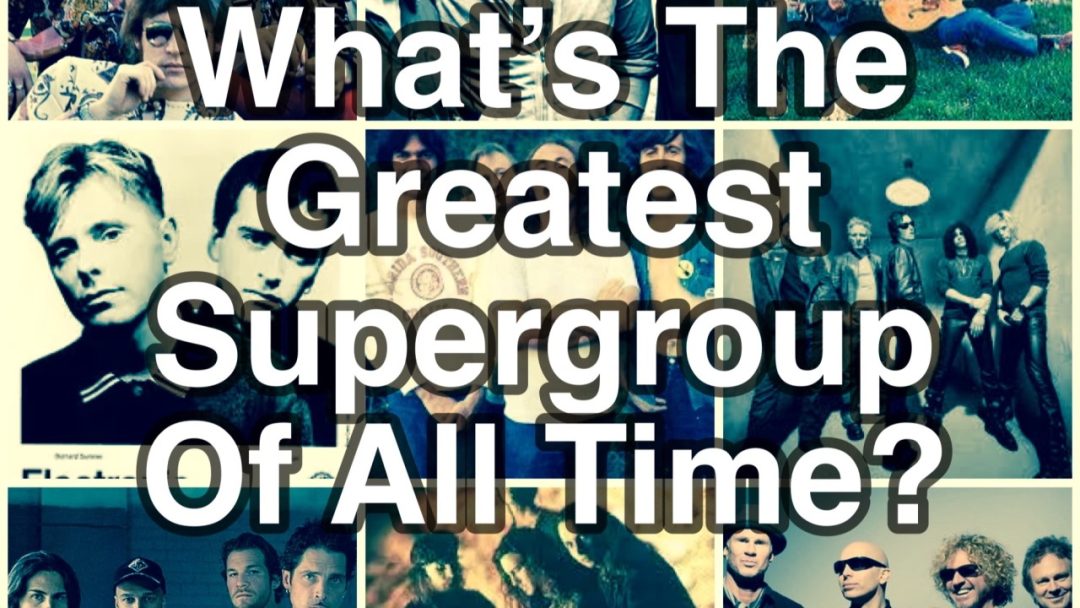
What Is a Supergroup?
A supergroup is a band formed by musicians who are already famous or accomplished from previous projects, whether as solo artists or members of other successful groups. Unlike typical bands that rise together, supergroups are born from existing star power — a kind of musical all-star team. These collaborations often generate intense excitement, as fans wonder what magic might happen when icons share the same studio or stage. Sometimes it’s a one-off experiment, other times it becomes a lasting force. What makes a supergroup truly great is not just name recognition, but what they create together — the songs, the chemistry, and the ripple effects across music culture.
So… what was the greatest supergroup of all time?
Let’s look at eleven iconic contenders. And yes, I’ve agonised over this. Especially because one of these bands changed my life.

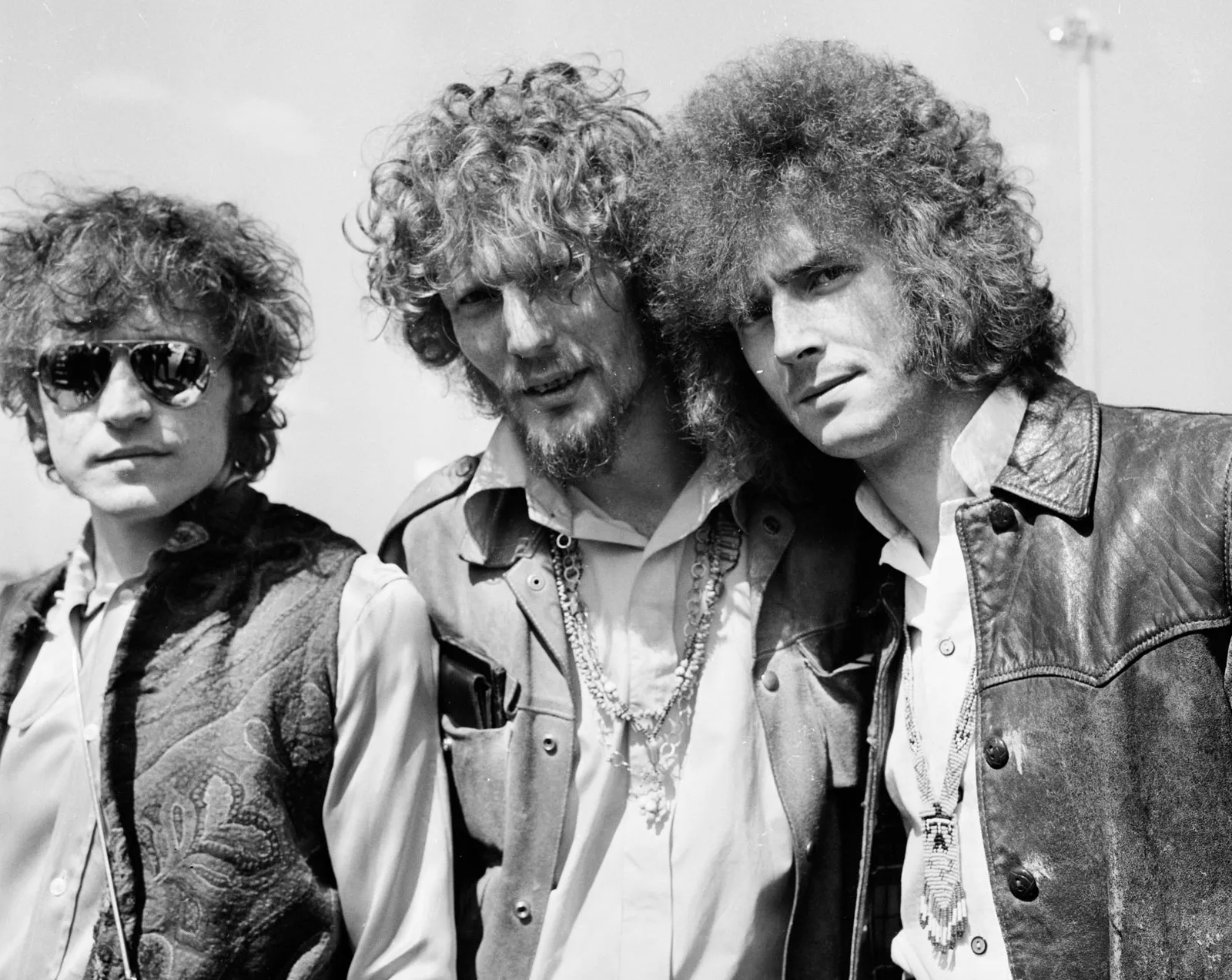
1. Cream
- Members: Eric Clapton (Yardbirds, John Mayall), Jack Bruce (Graham Bond Organisation), Ginger Baker (GBO)
- Hits: Sunshine of Your Love, White Room, Badge, Crossroads (Live)
- Why They Matter: Cream were the template. The first real supergroup. They pushed boundaries with blues-based improvisation and unfiltered live energy. And for me personally? I used to sit for hours with a guitar, trying to capture every inflection of Clapton’s playing — every bend, vibrato, and tone shift. The live version of “Crossroads” still stands, in my opinion, as one of the greatest displays of live guitar playing ever recorded. It’s not just technique. It’s communication. Clapton, Bruce, and Baker were in a kind of psychic union on stage. That’s what supergroups can do at their peak.

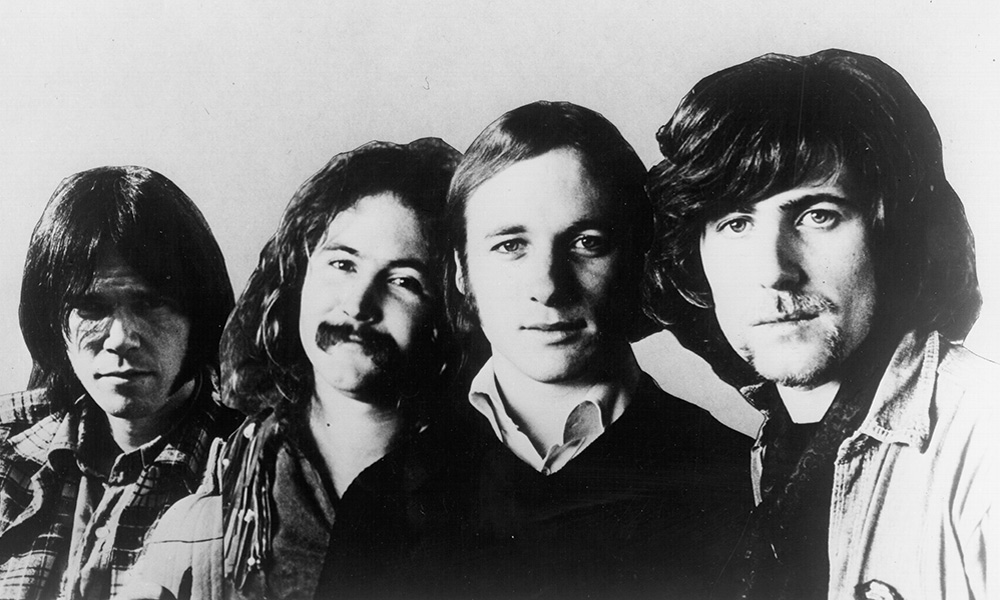
2. Crosby, Stills & Nash (and sometimes Young)
- Members: David Crosby (The Byrds), Stephen Stills (Buffalo Springfield), Graham Nash (The Hollies), Neil Young (intermittently)
- Hits: Suite: Judy Blue Eyes, Teach Your Children, Woodstock, Ohio
- Why They Matter: Crosby, Stills & Nash (and Young) brought the songs. At a time when The Beatles ruled the world, here was a band that could create music that genuinely rivalled the best — in craft, in harmony, and in spirit. Their harmonies were heavenly, their lyrics thoughtful, and their overall vibe had this feel-good, sun-drenched West Coast energy that helped define the late ’60s and early ’70s California sound. They gave voice to a generation, and with Neil Young as part of the group, the dynamic shifted again — adding a raw, emotional edge that only sharpened their relevance.Their harmonies were heavenly, but their message was grounded in social reality. They gave voice to a generation, and with Neil Young as part of the group, the dynamic shifted again — adding a raw, emotional edge that only sharpened their relevance.

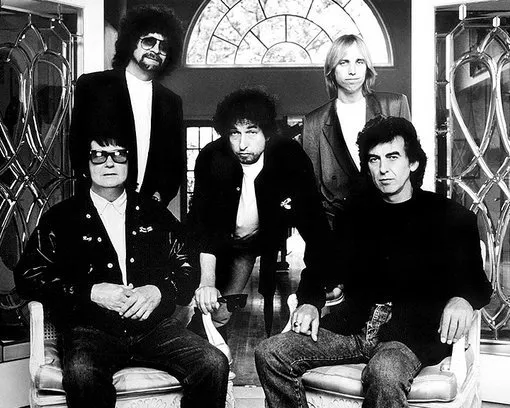
3. The Traveling Wilburys
- Members: George Harrison (The Beatles), Bob Dylan, Tom Petty, Jeff Lynne (ELO), Roy Orbison
- Hits: Handle With Care, End of the Line, Wilbury Twist
- Why They Matter: This is as close as we’ll ever get to a Mount Olympus of singer-songwriters. Yet their songs weren’t grandiose — they were warm, clever, and human. The Wilburys were a masterclass in humility from five giants who didn’t need to prove anything. And for me, their influence was personal. I came to the US to make my first album in 1995, and we chose to work with Don Smith — and a huge reason for that decision was his work with the Traveling Wilburys. There was a sound and a spirit in those records that we wanted to touch. Don had that rare ability to make things feel relaxed and organic, and the Wilburys’ records captured that perfectly. They sounded like friends sitting in a room, having fun, and creating timeless songs — and that was the energy we were chasing in our own sessions.

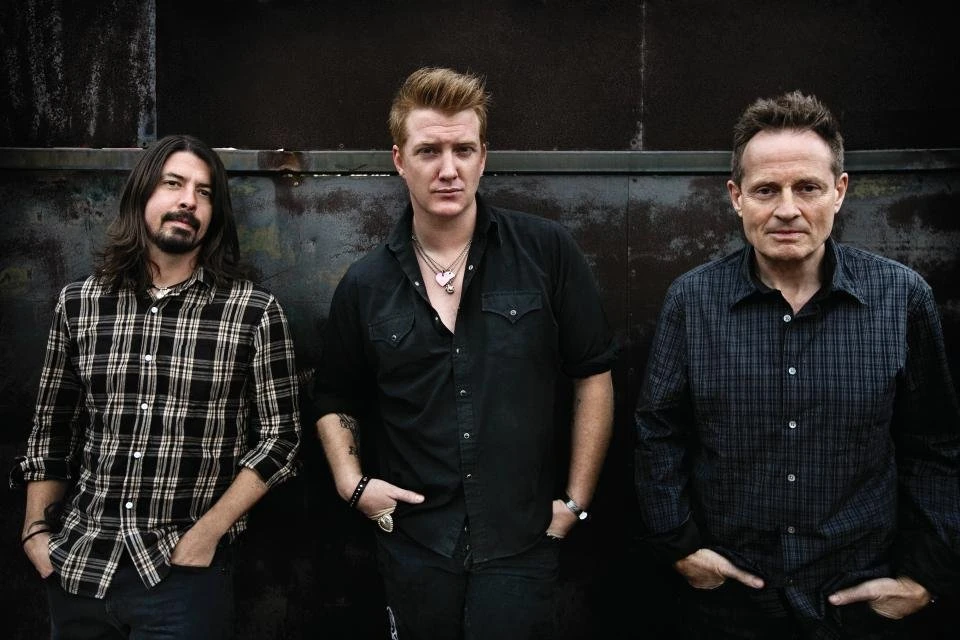
4. Them Crooked Vultures
- Members: Josh Homme (Queens of the Stone Age), Dave Grohl (Nirvana, Foo Fighters), John Paul Jones (Led Zeppelin)
- Hits: New Fang, Mind Eraser, No Chaser, Scumbag Blues
- Why They Matter: A gritty, unfiltered meeting of groove, riff, and swagger. This band was a rare convergence of three musical powerhouses, each with a huge legacy: Grohl brought the fire and drive of Nirvana and Foo Fighters, JPJ brought the historic depth of Zeppelin, and Homme brought the modern desert rock cool of Queens of the Stone Age. They didn’t just create something new — they brought musical generations together, proving that rock could still be forward-looking, inventive, and dangerous. They made rock feel relevant and current, not nostalgic. Where are the bands like this now? We need more of this spirit — fearless, collaborative, and rooted in genuine musicality. This band was a rare convergence of three musical powerhouses, each with a huge legacy: Grohl brought the fire and drive of Nirvana and Foo Fighters, JPJ brought the historic depth of Zeppelin, and Homme brought the modern desert rock cool of Queens of the Stone Age. They didn’t just create something new — they brought musical generations together, proving that rock could still be forward-looking, inventive, and dangerous. They made rock feel relevant and current, not nostalgic. Where are the bands like this now? We need more of this spirit — fearless, collaborative, and rooted in genuine musicality.A gritty, unfiltered meeting of groove, riff, and swagger. JPJ reminded the world that he was Zeppelin’s secret weapon — not just a bassist, but a composer and arranger with wild left-field ideas.

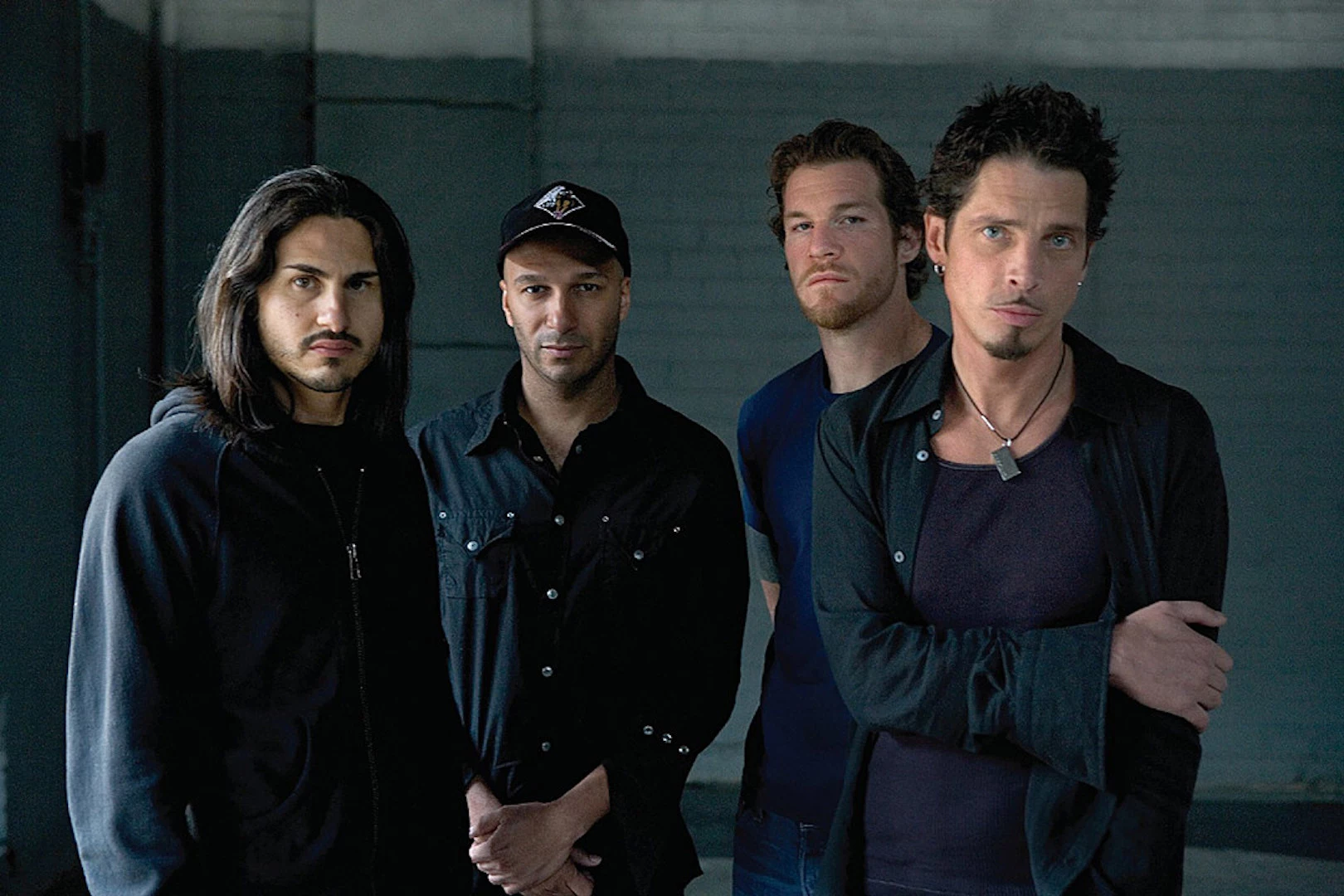
5. Audioslave
- Members: Chris Cornell (Soundgarden), Tom Morello, Tim Commerford, Brad Wilk (Rage Against the Machine)
- Hits: Like a Stone, Cochise, I Am the Highway
- Why They Matter: Well, need I say more? Chris Cornell is without a doubt one of the greatest rock singers who ever lived — right up there with Freddie Mercury, Robert Plant, and the other greats. His voice had range, soul, power, and pain — often all in the same line. Tom Morello, Tim Commerford, and Brad Wilk brought the sounds of LA street art rock, fearless, funky, and full of fire. They had something to say, and they weren’t afraid to say it. Audioslave didn’t just combine bands — they merged philosophies, sonic signatures, and identities into something bold and uniquely their own.They managed something rare — combining the emotional depth of grunge with the fire and precision of politically-charged funk metal. Cornell’s voice soared, and Morello stretched his sonic palette even further.

6. Electronic
- Members: Bernard Sumner (New Order), Johnny Marr (The Smiths), with Neil Tennant (Pet Shop Boys – guest)
- Hits: Getting Away With It, Disappointed, Feel Every Beat
- Why They Matter: Bernard was the perfect blend of Joy Division’s bleak post-punk intensity, New Order’s defining synth-pop aesthetic, and Johnny Marr’s left-of-centre, inventive guitar playing. A stylish, subtle supergroup. They weren’t loud about it, but they quietly shaped the future of electro-indie. And let’s talk about Johnny Marr for a moment — because in the middle of an era dominated by whammy bars, dive bombs, big hair, and non-stop tapping, Marr reminded us of Chet Atkins. His playing was intricate, melodic, and clean — a kind of musical literacy that stood out precisely because it wasn’t showy. He gave a generation of guitarists permission to be tasteful. Electronic might not have made the loudest splash, but their ripples are still felt today.A stylish, subtle supergroup. They weren’t loud about it, but they quietly shaped the future of electro-indie. And let’s talk about Johnny Marr for a moment — because in the middle of an era dominated by whammy bars, dive bombs, big hair, and non-stop tapping, Marr reminded us of Chet Atkins. His playing was intricate, melodic, and clean — a kind of musical literacy that stood out precisely because it wasn’t showy. He gave a generation of guitarists permission to be tasteful. Electronic might not have made the loudest splash, but their ripples are still felt today.


7. Velvet Revolver
- Members: Slash, Duff McKagan, Matt Sorum (Guns N’ Roses), Scott Weiland (Stone Temple Pilots), Dave Kushner
- Hits: Slither, Fall to Pieces, Set Me Free
- Why They Matter: Velvet Revolver were a breath of fresh air. A potent mix of Scott Weiland’s punky, grungey edge, Slash and Matt’s ’70s-infused blues/rock DNA from the GNR days, and Dave Kushner’s punk-funk groove playing gave them a sound that was tight, gritty, and totally their own. They were unpredictable, combustible — and that’s what made them exciting. They weren’t trying to recreate GNR or STP, but they did summon that primal, sleazy edge that had been missing from mainstream rock for years.

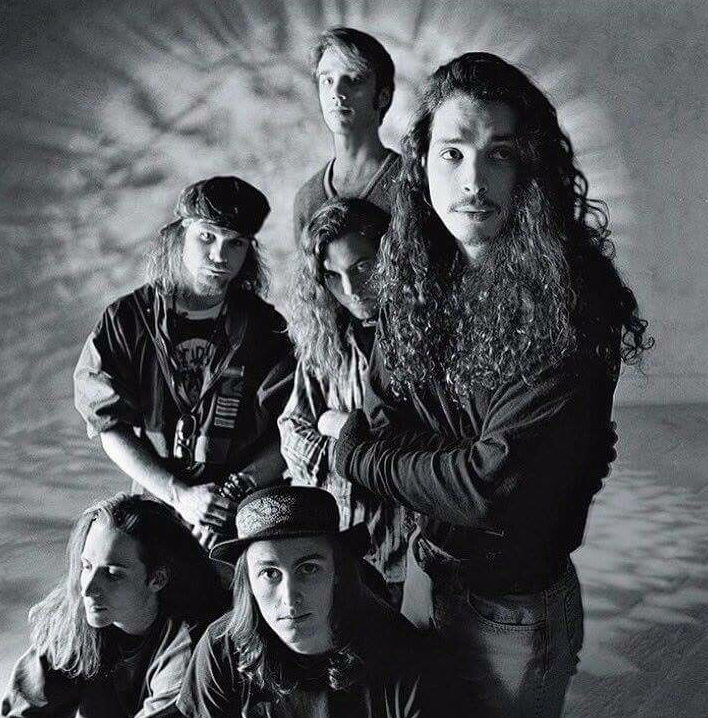
8. Temple of the Dog
- Members: Chris Cornell (Soundgarden), Eddie Vedder, Stone Gossard, Jeff Ament, Mike McCready (Pearl Jam), Matt Cameron
- Hits: Hunger Strike, Say Hello 2 Heaven
- Why They Matter: More than a band, Temple of the Dog was an emotional reckoning — a farewell, a welcome, and a time capsule. The fact that it helped launch Pearl Jam is just part of the story. The songs still ache with purpose. When I first heard Temple of the Dog, I thought: this is the perfect extension of Zeppelin. A band that took what was best about late ’60s and ’70s rock and gave it a modern twist. It was raw, emotional, powerful — and full of that same sense of mystery and scale. It didn’t feel like nostalgia. It felt like evolution.

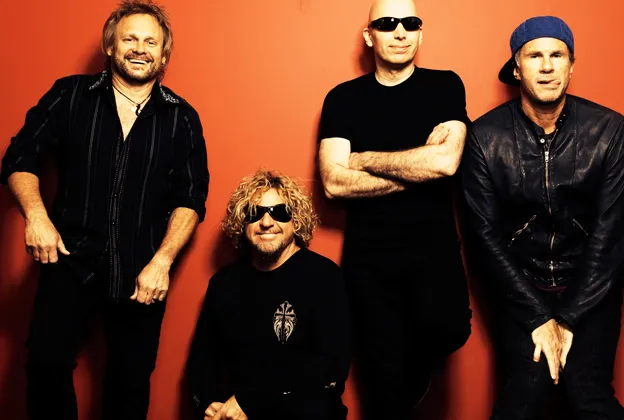
9. Chickenfoot
- Members: Sammy Hagar (Van Halen), Joe Satriani, Michael Anthony (Van Halen), Chad Smith (Red Hot Chili Peppers)
- Hits: Oh Yeah, Soap on a Rope, Big Foot
- Why They Matter: This was unapologetically fun — four absolute pros letting rip with fat grooves and monster solos. Satriani’s presence turned it from a side project into something more formidable. And I have to say, I used to own a recording and rehearsal studio in LA where the Red Hot Chili Peppers would rehearse and do pre-production. Chad was a machine — a groove machine — and such a lovely fellow. Watching him play up close was a lesson in rhythm and power. He wasn’t just keeping time, he was driving the whole ship with feel and authority.

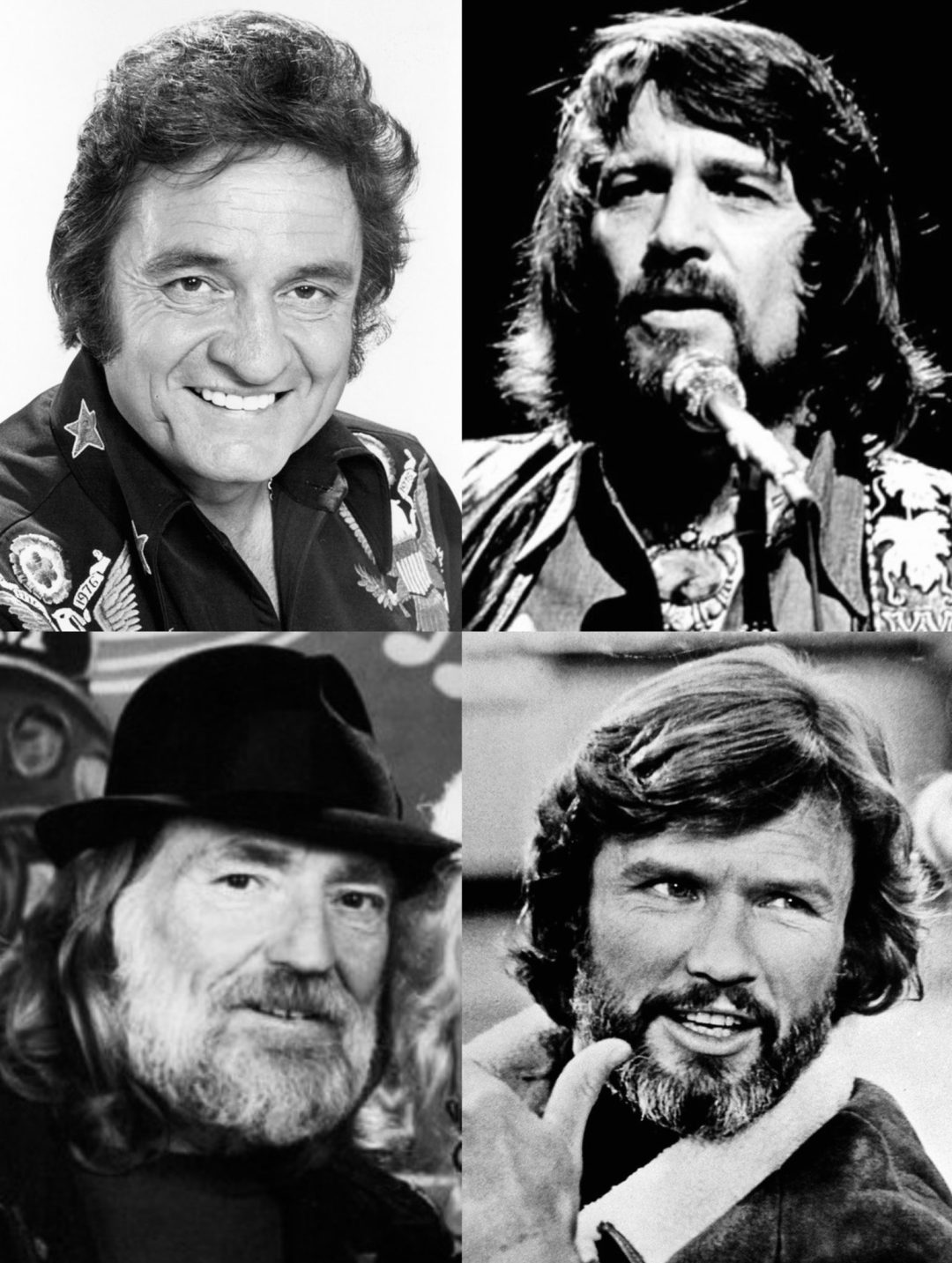
10. The Highwaymen
- Members: Johnny Cash, Willie Nelson, Waylon Jennings, Kris Kristofferson
- Hits: Highwayman, Desperados Waiting for a Train, Silver Stallion
- Why They Matter: They carried their legacies with humility and pride, each man a master storyteller. Together, they honoured the road-worn poetry of country music’s outsider tradition. These were four of the greatest songwriters of all time. Just consider the legacy: Johnny Cash with Folsom Prison Blues and I Walk the Line, Willie Nelson with Crazy and On the Road Again, Waylon Jennings with Luckenbach, Texas and Good Hearted Woman, and Kris Kristofferson with Me and Bobby McGee and Sunday Mornin’ Comin’ Down. All four had deeply distinctive, characterful voices — rough-edged, weathered, and completely authentic. Voices that carried experience and conviction. It’s something sorely lacking in much of modern music. You heard one phrase and you knew exactly who it was. No filters, no polishing — just raw, lived-in truth set to melody.

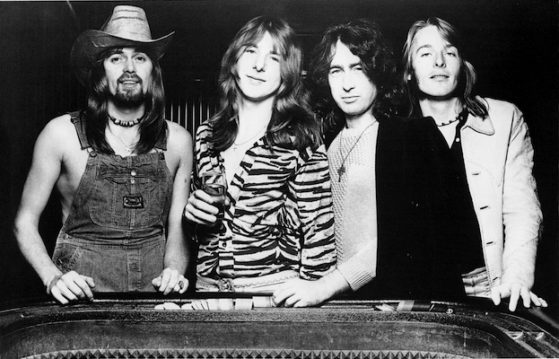
11. Bad Company
- Members: Paul Rodgers (Free), Mick Ralphs (Mott the Hoople), Simon Kirke (Free), Boz Burrell (King Crimson)
- Hits: Can’t Get Enough, Feel Like Makin’ Love, Shooting Star
- Why They Matter: Bad Company were something special. They weren’t just blues-rock — they were the most amazing-sounding rock/pop band of their era. Their music was soaked in British blues, yet it had this unmistakable American radio feel — wide, open, and stadium-ready. And for me, this one’s personal. Free were my band. I adored Paul Kossoff’s guitar playing — the space, the phrasing, that slow, aching vibrato. His feel taught me that less could be so much more. And then there’s Paul Rodgers. That voice. Still, to this day, one of the greatest rock vocalists ever to touch a mic. He didn’t need to scream — he could breathe fire with control and soul. Bad Company took that heart and gave it muscle. They made blues emotional and commercial, which is no easy feat. They didn’t sound like anyone else at the time — and they still don’t.
So, Who’s The One?
Cream might have started it all, and CSN gave voice to a generation. The Wilburys were pure magic in a room. Audioslave and Velvet Revolver made it all feel vital again in the 2000s. The Highwaymen redefined what legends could do together.
But if you ask me? Cream were the ones. Because I lived it. I studied it. I sweated over those songs, note for note, chasing the ghost of Clapton’s phrasing in Crossroads like it was a rite of passage. That kind of impact doesn’t fade.
And that’s what makes a supergroup truly great — not just what they were, but what they sparked in the rest of us.