

So… this is a first for me.
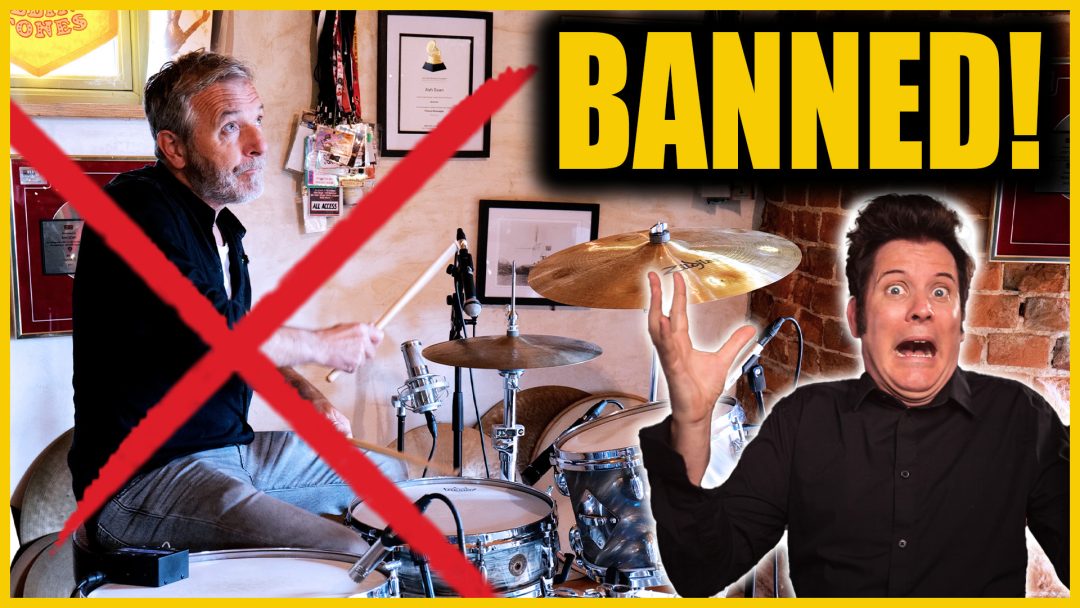
In over 3,500 videos on the channel, I’ve never done a rant video. Not once. But after a phone call with the great Ash Soan, following his conversation with a producer friend, we decided it was time. Because this situation? It’s too ridiculous not to talk about.
We posted a fantastic new video with Ash just a couple of days ago. In it, he demonstrates a generic retro hip hop style drum beat, nothing lifted, no sample, just a one-handed 16th note groove to illustrate tone. You know, dry, crunchy, classic hip hop drum sound. And then… boom. Copyright strike.
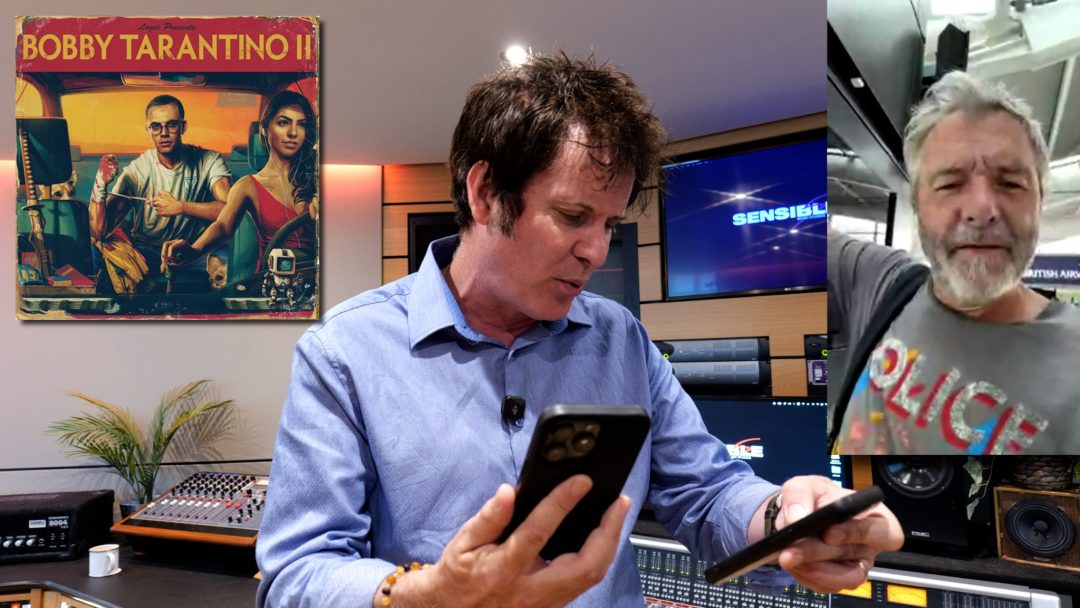
Not from the artist who might have inspired the sound. Not even from the label. No, this came from an automated system that decided Ash’s beat sounded too much like a track by Logic (Indica Badu, featuring Wiz Khalifa), not because of the composition, not because of a melody, but because the beat had a similar tempo and tone.
That’s it. No kick pattern lifted. No snare placement cloned. Just a vibe.
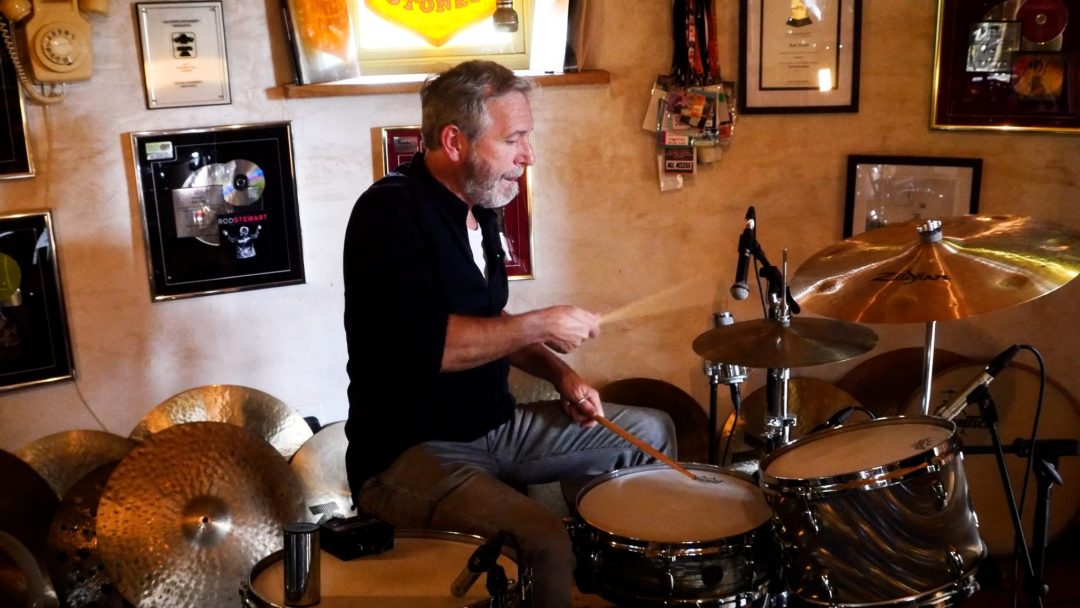

Now, Ash was at Terminal 5 at Heathrow when I called him to tell him we’d been struck. He couldn’t believe it. And neither could I. And after speaking with his producer friend about how ridiculous it was, we decided to do something I never do, make a rant video.
The whole thing is comedy gold, really. We can’t even play the clip of Ash’s beat or the Logic track in this article or video, because doing so would just trigger another copyright strike. Imagine that. YouTube’s systems are so sensitive that the tone of a drum kit can be enough to lose monetisation.
And this is where things get even weirder.
Over the years, I’ve posted a lot of covers, songs by Sabbath, Zeppelin, and more, always expecting that the original artist (or their estate) would claim the income. That’s fair. But lately, I’ve been getting claims not from the artists, but from cover bands claiming they own the rights to their cover version of a song I’m covering.
You read that right. I covered Paranoid by Black Sabbath, and the copyright strike came not from Sabbath’s publisher, but from someone else who had also covered Paranoid. Same thing happened on a Zeppelin track, a cover band claimed the revenue.
We’ve now entered a world where the algorithm doesn’t just flag music, it confuses influence with infringement. Where a dry snare drum and a shuffled groove can be enough to trigger monetisation for someone else.
And that leads to a bigger question, Are we now saying that drum beats, even generic ones, are copyrightable?
Ash raised this during our conversation. What happens when someone downloads one of his free grooves (linked below), writes a new song around it, and then gets hit with a claim from an artist who thinks the groove sounds like theirs? Is that where we’re heading?
Don’t get me wrong, I absolutely believe legends like Clyde Stubblefield and John Bonham’s estate should be compensated. Their grooves are iconic and foundational. But this isn’t that. This is a modern software system hearing a similar vibe and deciding it’s the same song. And that’s just absurd.

Hopefully, AI might eventually help fix this. If machine learning can actually tell the difference between inspired-by and rip-off, between “same feel” and “same recording,” then we might restore some sanity to this space.
Until then, we’ll keep doing what we do, teaching, creating, celebrating great music, and, in this case, laughing at the madness of it all.
So yes, Ash, you’re officially to blame for my first ever rant video. But I think it was worth it.
What do you think? Should drum grooves be copyrightable? Has the algorithm gone too far? Let us know.
— Warren Huart
Produce Like A Pro
Note
- Watch the video featuring Ash’s rant about copyright issues. [https://www.youtube.com/watch?v=W7P6zuI9T-g]
- If interested, download Ash’s groove used in the video. [https://producelikeapro.lpages.co/ash-soan-drum-grooves-form/]