

Before YouTube, if you heard something amazing on a record, you couldn’t just look it up. You had to figure it out. That’s exactly what Ash Soan did.
As a teenager, Ash heard Stewart Copeland’s drumming on Reggatta de Blanc, specifically a part drenched in Space Echo. At 14 or 15, he had no idea what a Space Echo was, only that it sounded incredible and otherworldly. So he tried to copy it.


What he didn’t realise was that the part’s complexity came largely from the delay itself. The echo was rebounding off Stewart’s simple performance and creating this hypnotic rhythmic swirl. But Ash, unaware of that, thought all of it was being played. So he set about recreating what he heard.
And in doing so, by mimicking not just the playing but also the effect, he developed a deeper rhythmic sensitivity. He sharpened his timing, touch, and internal sense of groove. He was chasing a ghost, and in the process, he got better.
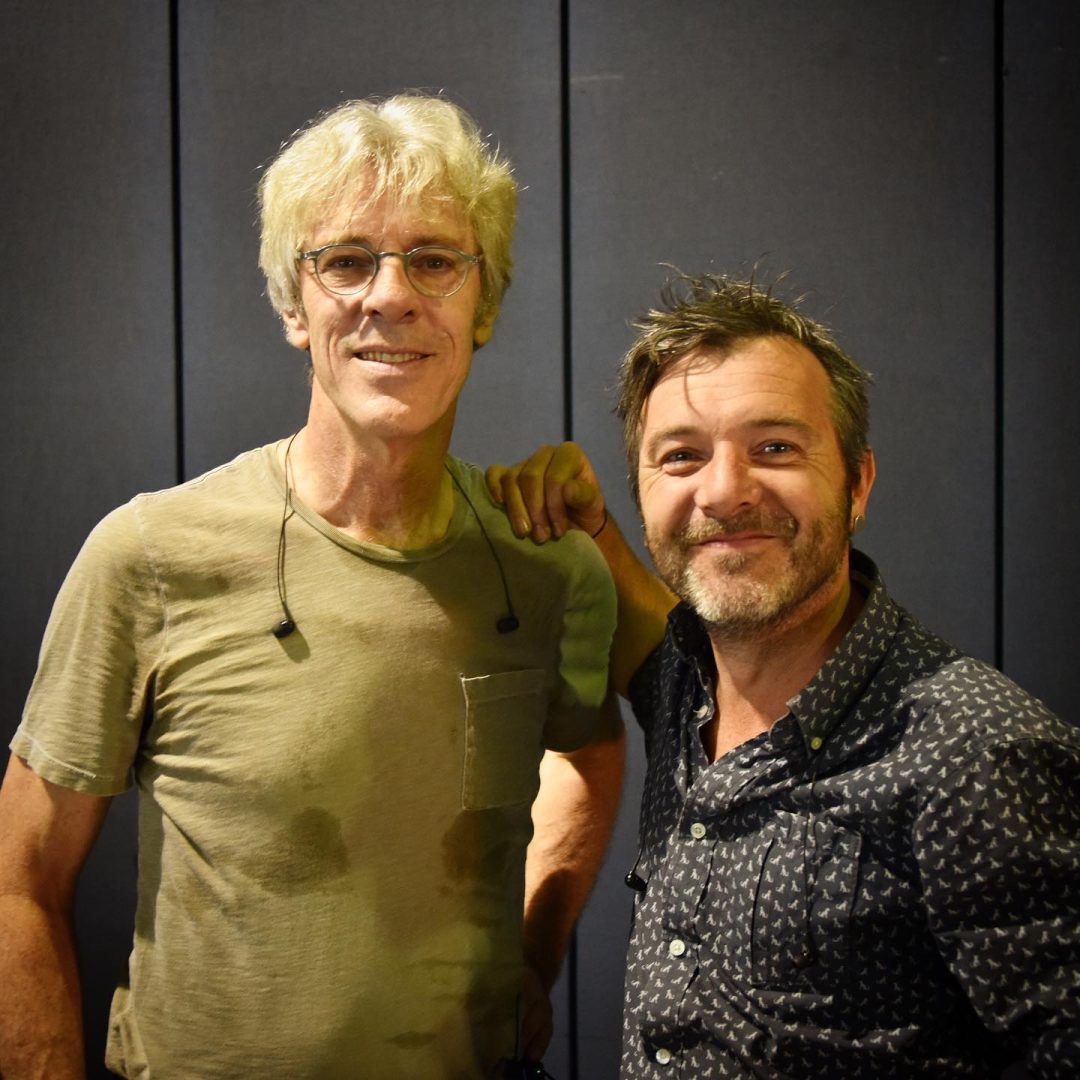

Later on, he played it for Stewart Copeland, who responded, “Holy, you figured that out.” Ash simply replied, “I kind of had to.”
That is the beauty of working under limitations. No tutorials, no breakdowns, just ears, instinct, and imagination. When the information isn’t handed to you, you internalise it. You live inside it. You grow through the challenge of not knowing.
Constraints like that don’t just teach you how to replicate, they teach you how to understand. And they often lead to unexpected breakthroughs. In Ash’s case, the lack of access pushed him to play beyond his years, to absorb not just the notes but the feel, the space, the vibe.
Creativity thrives under pressure. It feeds on gaps, on guesses, on mistakes that turn into style. Sometimes, the less you have, the more you become.