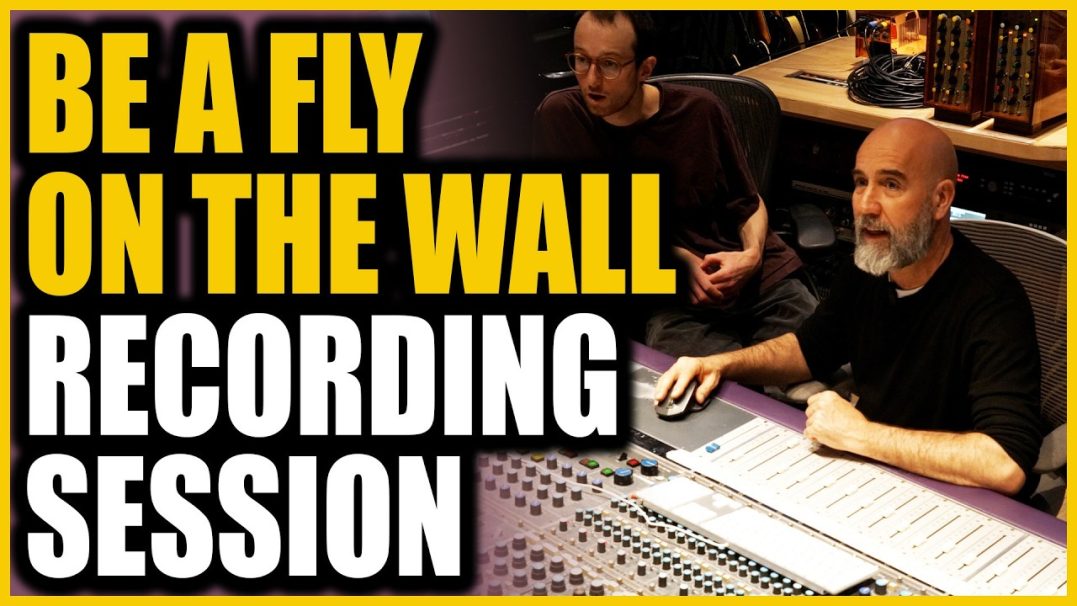
When people talk about influential producers and songwriters, certain names are obligatory: George Martin, Brian Eno, Rick Rubin. Yet there is another whose breadth of influence, creative vision and relentless reinvention has helped shape the modern musical landscape as much as any of them: Dave Stewart.
Known to most as half of the Eurythmics, Stewart is a man whose musical journey defies categories. He is a producer, songwriter, and artist in his own right, whose career spans psychedelic folk clubs in Sunderland, pop alchemy with Annie Lennox, psychedelic tea with Daryl Hall, and global campaigns alongside Nelson Mandela. His story is one of intuition, invention, and a refusal to play by the rules.
Sweet Dreams and DIY Beginnings
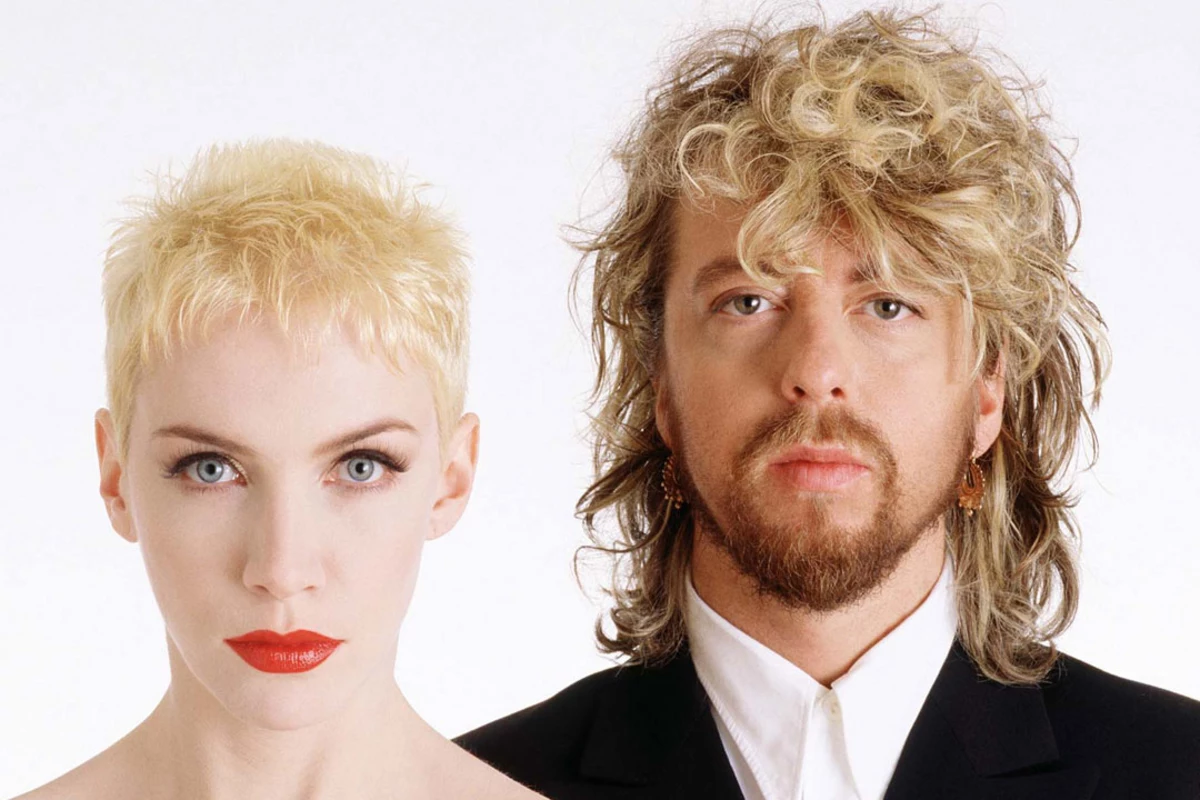
When Sweet Dreams (Are Made of This) hit in 1983, it did not just sound different, it was different. The song broke open the British music scene with its minimal electronic beat, stark aesthetic, and haunting vocal. It was the sound of the future, but made with tools of the underground.
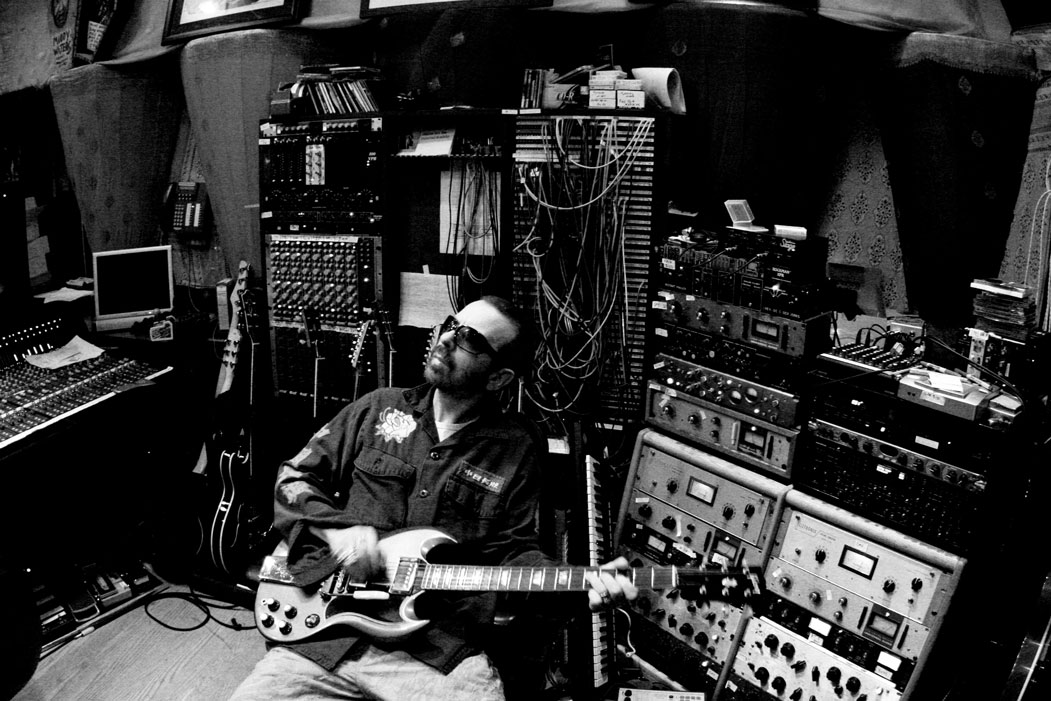
The track, and the album, were largely produced in the upstairs eaves of a picture-framing factory, using gear bought secondhand after Stewart and Lennox convinced a bank manager to give them a £4,800 loan. “Annie thought this was never going to work,” Stewart recalls, but he walked into the bank with clippings, a pitch, and the conviction that a DIY studio could empower them to create music on their own terms.
The set-up was cobbled together with early synths and sequencing gear like the Wasp, Caterpillar, and a custom-built drum computer finished, literally, while Stewart and his team slept on a stranger’s floor. That rough, home-brewed combination became the foundation of Sweet Dreams, a record now enshrined in the Rock and Roll Hall of Fame.
The Epiphany
The real story, though, begins in a hospital bed. Following a major operation, Stewart emerged with what he describes as a kind of rebirth. “Everything had changed in my mind,” he says. “I put down the guitar and decided to make strange experiments in my bedroom.”
These were not the bedroom productions of today. There were no laptops or DAWs. Stewart’s experimentation involved rewiring hardware synths, looping tape echoes, and mimicking didgeridoo drones on suitcase-carried gear. “Necessity was the mother of invention,” he says, and his DIY ethos helped write the playbook for the home recording revolution that followed.
A Career Without Borders
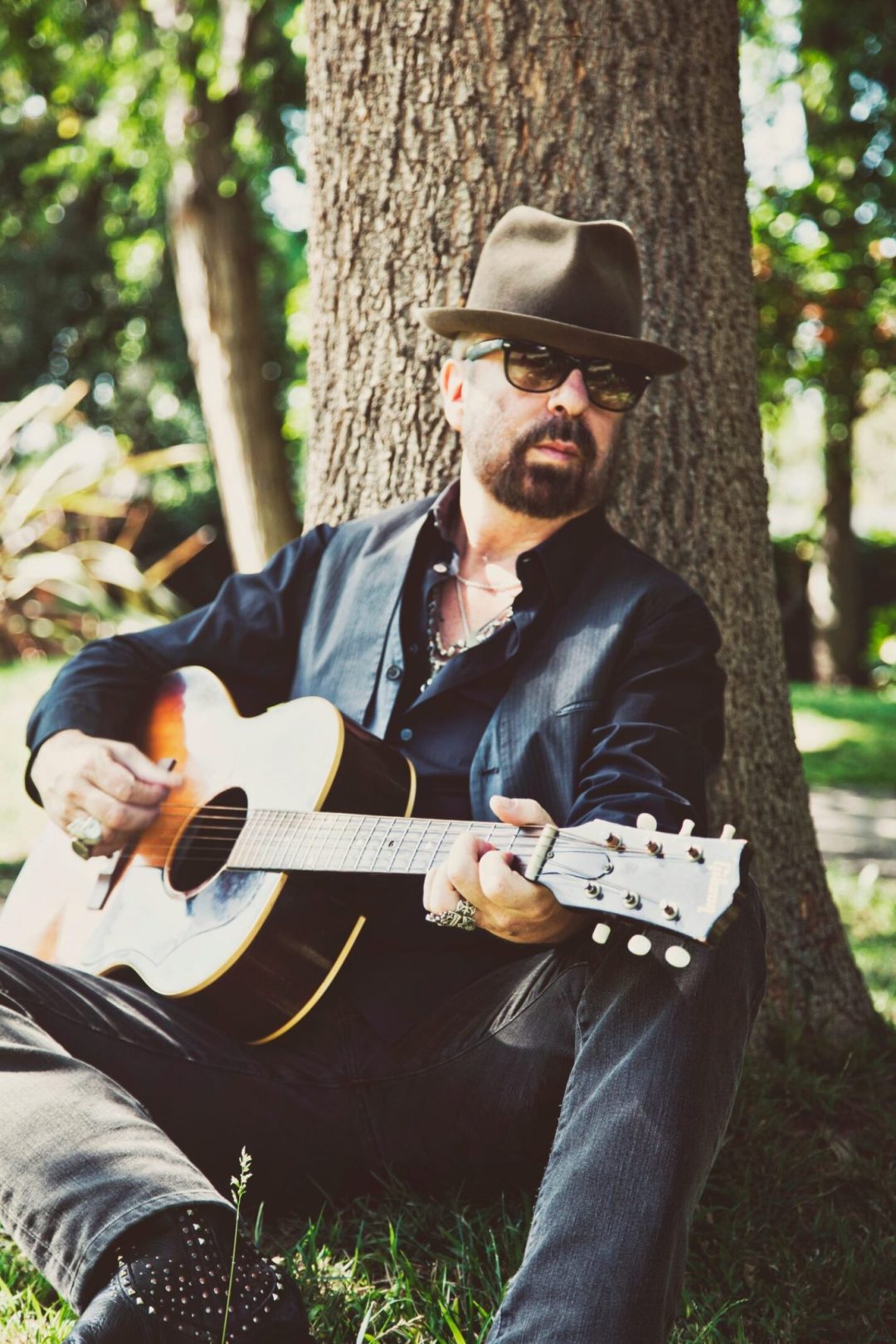
Within two years of Sweet Dreams, Stewart was co-writing Don’t Come Around Here No More with Tom Petty. The song, written in a hotel room using a four-track recorder and a coral sitar, was never intended to sound conventional. Petty kept Stewart’s original demo and sang right on top of it, preserving its unrepeatable strangeness.
That kind of spontaneity defines Stewart’s career. From collaborating with Daryl Hall on psilocybin tea-fuelled sessions, to recording bamboo percussion in Japanese forests with producer Conny Plank, his approach has always favoured adventure over perfection.
He credits his method to a whiteboard. On one side: what he and Annie Lennox loved (Stax soul, Motown, electronic music). On the other: what they did not. “If we wandered into the wrong column, we would stop,” he explains. “It kept us focused, even as we could make any kind of music.”
Songs, Theatre and Storytelling
The breadth of Stewart’s work is staggering. From the high-concept electronic album Savage to theatrical scores like Ghost: The Musical, and co-creating Songland with Ryan Tedder, Stewart is equally at home in musicals, TV, folk ballads, or synth pop.
His recent Bob Dylan covers project might surprise some fans, but not those who know the full arc. Stewart started playing Dylan songs in folk clubs as a teenager. “So for me, it is not that strange,” he laughs, describing how his iPhone-recorded covers turned into a vinyl LP.
Collaborations and Life Philosophy
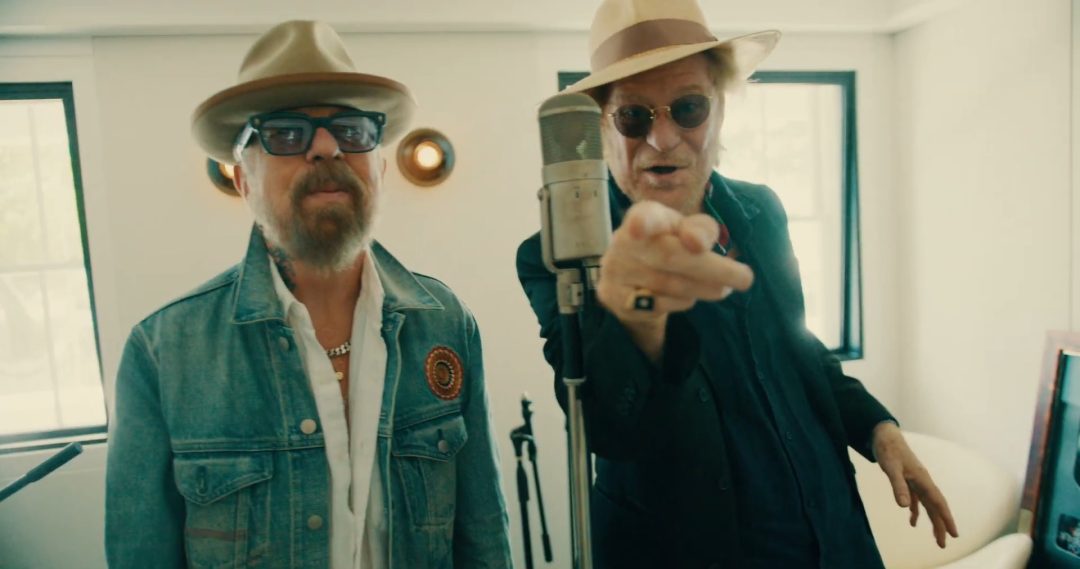
What ties it all together is Stewart’s gift for collaboration. Whether with Mick Jagger, Stevie Nicks, Bono, or Beyonce, Stewart is never just the producer in the background. He is an instigator, a co-creator. That collaborative spirit also extended to humanitarian work, most notably his co-creation of the 46664 campaign with Nelson Mandela.
“He wanted to turn the most negative number of his life, his prison ID, into something positive,” says Stewart. The resulting global campaign included exclusive music accessed via phone lines, concerts with Queen, and unforgettable moments with world leaders, musicians, and activists.
Advice for the Next Generation
What would Stewart say to a young artist starting out today?
“Don’t chase TikTok views. Don’t try to become an influencer. Go out and play to real people,” he says. “If ten people like what you do, they’ll each tell five more. That’s how it builds. That’s how it always did.”
He urges aspiring artists to live a full life. “You don’t want to be on your deathbed thinking about a great business meeting,” he jokes. “You want to remember the music, the children, the chaos, the joy.”
Legacy and Forward Motion
Dave Stewart’s story is not about nostalgia. It is about possibility. A five-string guitar in Sunderland. A four-track recorder in a hotel room. A synth in a smoky Château. A whiteboard and a shared vision. It is about saying yes to the strange, trusting your instincts, and turning ideas into records, movements, and memories.
As the industry grows more corporate and algorithmic, Stewart’s legacy feels more vital than ever. Not just because he made some of the most memorable records of the past 40 years, but because he did it on his own terms, and continues to.
He did not just dream. He plugged in a Wasp synthesiser, looped a tape, made a call to Annie Lennox, and hit record.
Check out Dave Stewart’s new album Dave Does Dylan a stripped-back tribute to his longtime friend and hero Bob Dylan, featuring 14 one-take acoustic covers originally recorded on his iPhone. Released on vinyl for Record Store Day 2025, the album captures Stewart’s deep connection to Dylan through raw, intimate performances praised for their emotional honesty: https://open.spotify.com/album/32lfmO0Jipch0MqFmCNlwZ