In the world of music production, mastering is often considered a mysterious art. With many aspiring engineers looking to elevate their skills, it’s crucial to gain insights from experienced professionals. This post explores a conversation with Stefan Brown, a mastering engineer at the legendary Abbey Road Studios, where he shares his journey, techniques, and experiences in the industry.
Starting Out in Mastering
Stefan began his mastering journey about seven or eight years ago, influenced by a childhood filled with music. Growing up in a household where music was constantly playing, he developed an ear for quality sound. His father owned the record store Sister Ray in Soho, London, which further cemented his love for music, notably artists such as The Cure, David Bowie, Gary Numan, Bauhaus, and David Sylvian. Stefan’s early fascination with liner notes led him to discover the world of mastering, particularly through the works of renowned mastering engineer Greg Calbi. At the age of 20, Stefan ventured into mastering himself and quickly began building a client base in underground dance and electronic music scenes while completing a degree in Audio Engineering at SAE Institute London. He specialises in genres including techno, industrial, rock, metal, noise, experimental, trap, drill, rap/hip-hop, EDM and house across both stereo and stem mastering projects.

Transitioning to Abbey Road
Stefan has worked with countless artists and labels worldwide, serving as the in-house mastering engineer for London’s Revok Records since their inception, collaborating with prominent Detroit-based tech-house labels like KIK DRM, Good Ground Recordings, Fly Over Records, Jendex and Moorgate Records and mastering vinyl releases for Berlin’s Subverted Records, a prominent Queer experimental techno label.
After honing his skills in his own studio, Stefan reached out to Lucy, who runs the mastering department at Abbey Road, about two years ago. He expressed his desire to connect and eventually became part of the prestigious team. The process involved showing his catalog and receiving positive feedback from other engineers at Abbey Road, including the legendary Geoff Pesche.

Equipment and Techniques
Before joining Abbey Road, Stefan worked entirely in the box, relying on high-end headphones, notably the Audeze LCD-5. He appreciates the detail and transient response of these headphones, which allow him to hear the subtleties in music. Stefan often balances his time between speakers and headphones, depending on the type of track he’s working on. Specific gear Stefan finds integral to his studio is the Elysia Alpha Compressor, Whitestone P331 EVL Loading Amplifier, SPL Vitalizer Mk3, and the Thermionic The Kite. These pieces of gear sound incredible just running the signal through, and allow for broad control of vibe and tone, creating exciting and impactful masters.
Mastering in the Box vs. Hardware
While working in the box, Stefan emphasizes the importance of plugins in achieving a polished sound. He often uses Fabfilter Pro Q, Pro C, and various saturation plugins to enhance the audio. However, he also recognises the value of hardware, particularly for adding warmth and character to a mix. His approach varies depending on the track, sometimes opting for all hardware or relying solely on software.

Creative Process in Mastering
Stefan’s approach to mastering is deeply rooted in respecting the artist’s vision. He often communicates with artists to understand their intentions and emotional content behind the music, whether that means creating more spacial depth, enhancing aggression, pushing the groove harder to create more bounce, or manipulating small details such as vocal inflections and guitar plucks.. This dialogue helps him make informed decisions during the mastering process, ensuring that the final product aligns with the artist’s creative goals and creates a lasting impact on the listener.
Using Stems in Mastering
While Stefan does occasionally request stems from artists to address specific issues, he is cautious about not overstepping. He aims to maintain the integrity of the original mix, only making adjustments when necessary. This respect for the artist’s work is a cornerstone of his philosophy, especially when working with independent and underground musicians. Stems allow Stefan to fix issues more transparently than if working on the mix file, and make further improvements, which can be more dramatic and effective.
Techniques for Enhancing Tracks
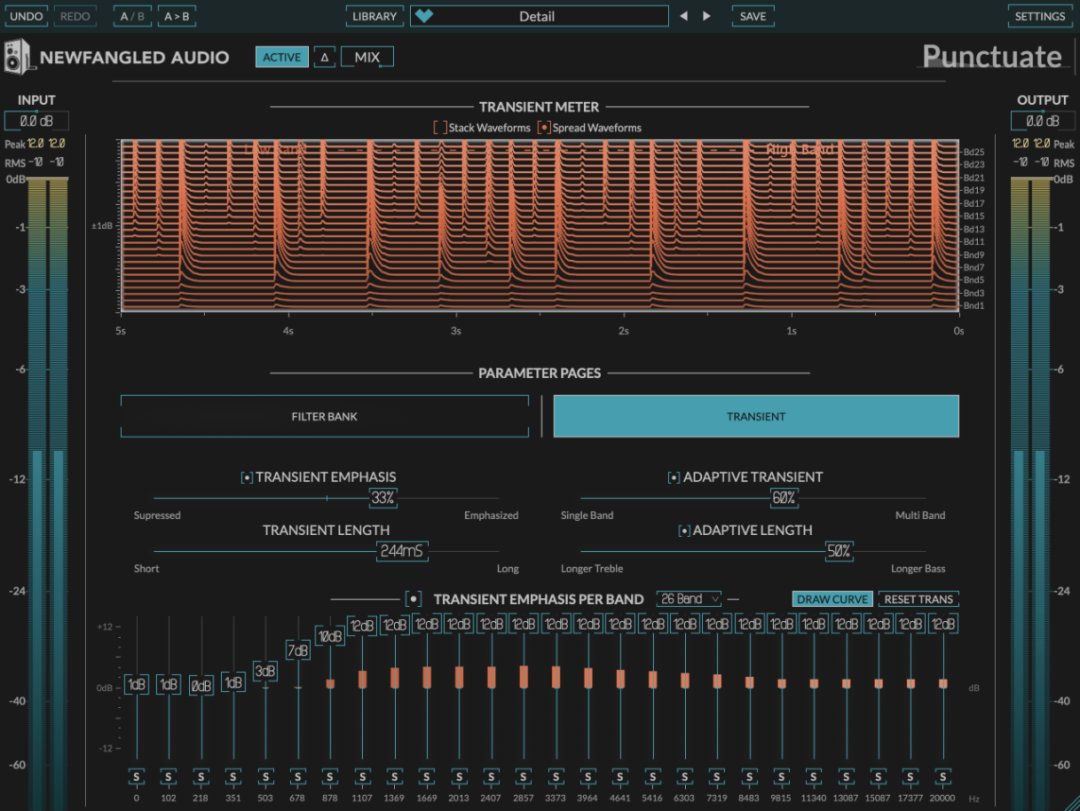
When faced with a track that feels flat, Stefan employs techniques such as multiband compression and expansion to restore dynamics. He utilises tools like the Newfangled Audio Punctuate plugin, which allows for precise transient shaping, and the Elevate limiter, which offers multiband control while preserving transients.
Choosing the Right Plugins
Stefan has a repertoire of trusted plugins, including the Brainworx VSM-3 and various saturation tools. He often experiments with different settings and combinations to achieve the desired sound. His process is flexible, allowing him to adapt to the needs of each individual track.
Final Touches
As he approaches the final stages of mastering, Stefan carefully considers the balance between loudness and clarity. He often uses a combination of high-end boosting and low-end saturation to create a full, rich sound. The goal is to enhance the emotional impact of the music without compromising its original essence. He also uses subtle mid/side processing to create spacious enveloping masters.
Listening Environment
Stefan highlights the importance of a well-tuned listening environment. He emphasizes that the right monitoring setup, whether through speakers or headphones, is crucial for making accurate judgments during the mastering process. He prefers to work in spaces that allow him to hear the nuances of the audio clearly.

Conclusion: The Art of Mastering
Stefan Brown’s journey into mastering demonstrates the blend of technical skill and artistic sensitivity required to succeed in this field. His experiences at Abbey Road, combined with his dedication to respecting the artist’s vision, make him a valuable asset in the music production landscape. Whether you’re an aspiring engineer or a seasoned professional, there’s always something to learn from the insights shared by experts like Stefan. Mastering is not just about making music sound good; it’s about enhancing the emotional connection between the artist and the listener.
For those interested in diving deeper into the world of mastering, consider reaching out to professionals in the field, exploring new tools, and continually honing your craft. Mastering is a journey, and every track offers an opportunity to learn and grow.

BIO
Stefan has been immersed in music from a young age, thanks to his father who owned a renowned record store in Soho. This sparked a lifelong passion for diverse genres like rock, experimental, metal, gothic rock, noise, electronic, techno, industrial, trap and drill. Growing up surrounded by hi-fi setups, he developed a keen ear for quality sound and a habit of studying the credits on record sleeves, particularly fascinated by mastering engineers
At the age of 20, Stefan ventured into mastering himself and quickly began building a client base in underground dance and electronic music scenes while completing a degree in Audio Engineering at SAE Institute London. He specialises in genres including techno, industrial, rock, metal, noise, experimental, trap, drill, rap/hip-hop, EDM and house across both stereo and stem mastering projects.
Stefan has worked with countless artists and labels worldwide, serving as the in-house mastering engineer for London’s Revok Records since their inception, collaborating with prominent Detroit-based tech-house labels like KIK DRM, Good Ground Recordings, Fly Over Records, Jendex and Moorgate Records and mastering vinyl releases for Berlin’s Subverted Records, a prominent Queer experimental techno label.