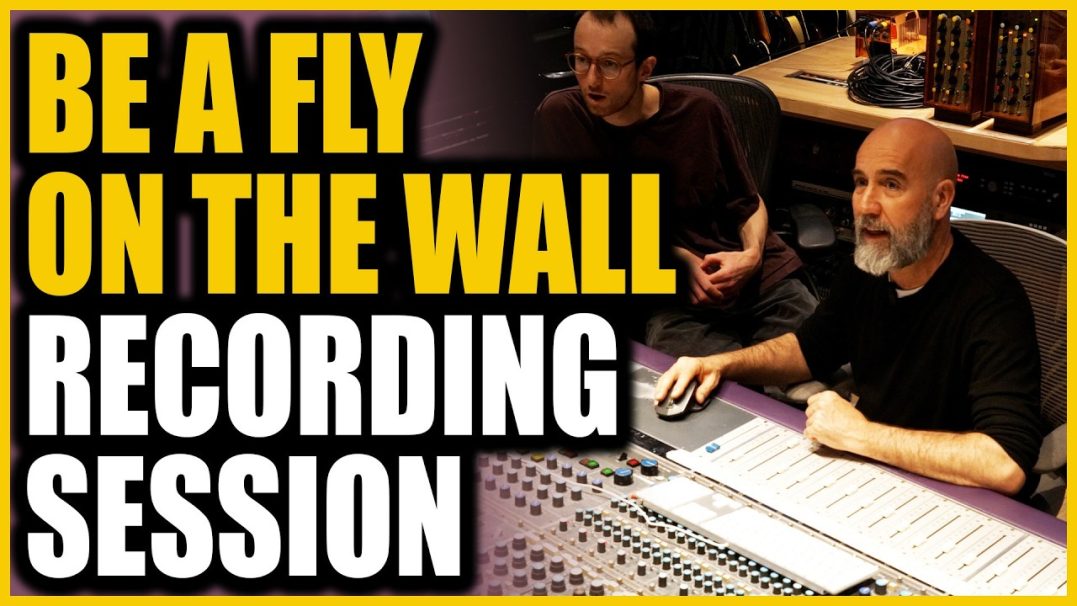
In this in-depth conversation with Steve Bays — a longtime collaborator and creative force behind iconic records — we explore the art and craft of music production, the inner workings of band dynamics, and how the music industry continues to evolve. From early memories of Make Up the Breakdown and Elevator, to reflections on vocal comping, mixing philosophies, and the challenges of life on tour, Steve offers candid insights from his journey as a musician and producer. This article captures the spirit of that dialogue — the technical details, creative decisions, and personal moments that have defined his career.
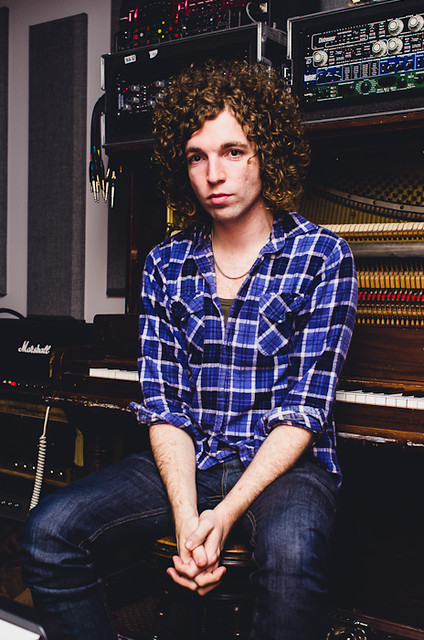
Who Is Steve Bays?
Steve Bays is a Canadian musician, audio engineer, and producer. He is a member of Canadian bands Left Field Messiah, Fur Trade, and Mounties, and was the frontman and one of the founding members of the acclaimed indie rock band Hot Hot Heat.
His production and writing work has crossed genres and borders, collaborating with artists like The Killers, Diplo, Steve Aoki, Fitz and the Tantrums, Born Ruffians, Dear Rouge, The Zolas, Gay Nineties, We Are The City, Hawksley Workman, and Mother Mother.
How We Met: Comping Vocals in a Closet
Steve and I first connected during the Elevator album sessions, working in modest setups — closet-like rooms tucked inside Sound City and The Pass. That’s where he first saw me knee-deep in the painstaking process of vocal comping. I was going through as many as 25 takes, bar by bar, following Dave Sardy’s system of star ratings to guide the assembly of the final performance.
It was a moment of revelation for Steve — not just about the process, but the sheer level of effort behind what the listener eventually hears.
“Working with you showed me that it’s OK to spend absolutely hours listening to every single take,” Steve recalls. “With the guidance of the notes, find the sections that felt really good, stitch them together, and play it back and go, ‘Yep, sounded great.’”
We both agree: great vocal comping isn’t about pitch correction, it’s about emotional honesty. The perfect moment might be slightly off, but if it has character, it stays. For Steve, this balance between technical precision and human feeling became an essential part of his own production ethos.
Recognising the Role of the Producer
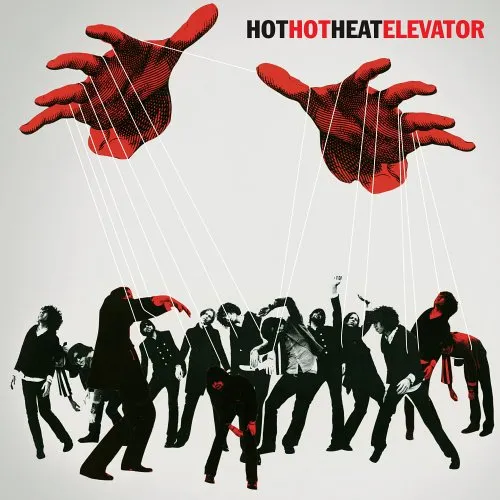
Steve is quick to point out that the soul of the Elevator album came together not only in rehearsals and arrangements, but in the granular production decisions — and he was particularly struck by how many of those choices I was trusted to make.
“A lot of those, what I consider to be the biggest decisions of the record, were made by this guy in the closet (you, Warren!),” he laughs. “I was just like, ‘Oh, hey.’”
That kind of creative trust speaks volumes. It also highlights how, in the best recording environments, lines between roles blur. Musicians, producers, engineers — everyone’s contributing to the DNA of the record.
Industry Buzz and Hard Choices: Saying No to Rick Rubin
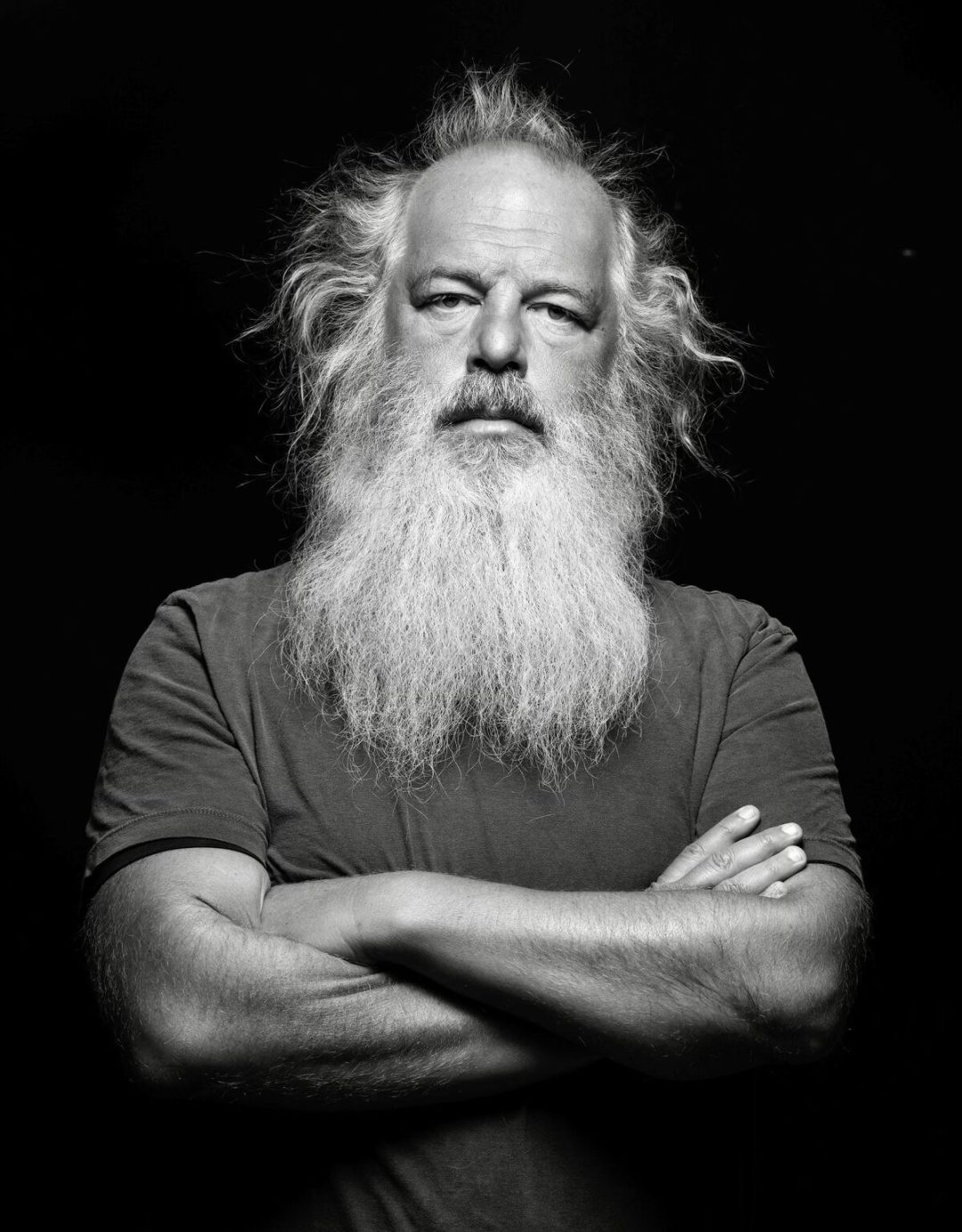
Steve reminisced about the early 2000s, when his band was peaking and major producers were circling. One of them was Rick Rubin. Most bands would have jumped at the chance, but Steve made a bold move — he said no.
“I fired Rick Rubin straight up. I was like, this is going to take forever. Like you said, we’re a buzz band. You don’t want to lose that buzz.”
It was a clear-eyed decision about timing, energy, and momentum. For Steve, holding on to the moment mattered more than chasing perfection with a legendary name. That boldness — trusting instinct over prestige — continues to shape how he approaches his work.
Touring Burnout and Band Dynamics
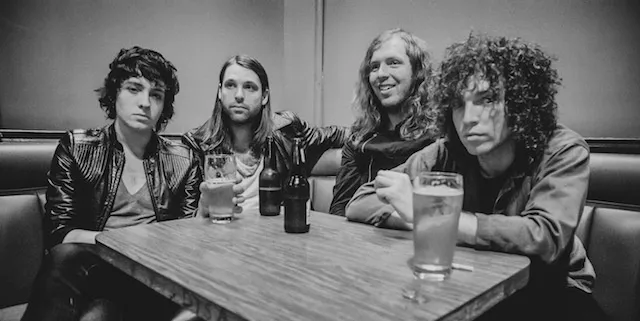
Touring took its toll. Steve opens up about the physical and emotional strain of long tours, and how it led to key lineup changes — including the departure of guitarist Dante mid-tour.
“I always tell bands: max two months. Three months, the band breaks up. I’ve seen it happen.”
The emotional truth behind that statement is something many artists will recognise. Touring can be exhilarating, but also punishing. Steve’s story is a reminder of the importance of pacing, support, and mental health in a band’s sustainability.
Drums, Mixing, and the Power of Imperfection
One of the most exciting parts of our chat was digging into the production choices behind Elevator. Steve recalls recording drums in a tiny, fully carpeted room — floor, walls, ceiling — which gave the drums an unmistakable dry, tight character.
“We did that in that little room that was completely shag pile carpeted. The floor, the walls, the ceiling, everything.”
That dead space let them hit the drums hard and compress them aggressively, creating an impact Steve still chases today. He also described a refreshing approach to mixing: forget balance, go for magic.
“All that matters is impact. Say the bass is way too loud and the vocal’s buried — but it has magic. Fix it and you might lose the magic.”
This philosophy flies in the face of perfectionism. It’s about feel, energy, and emotional power — and Steve credits those bold, sometimes chaotic choices with giving the record its edge.
Songwriting and the Mystery of Collaboration
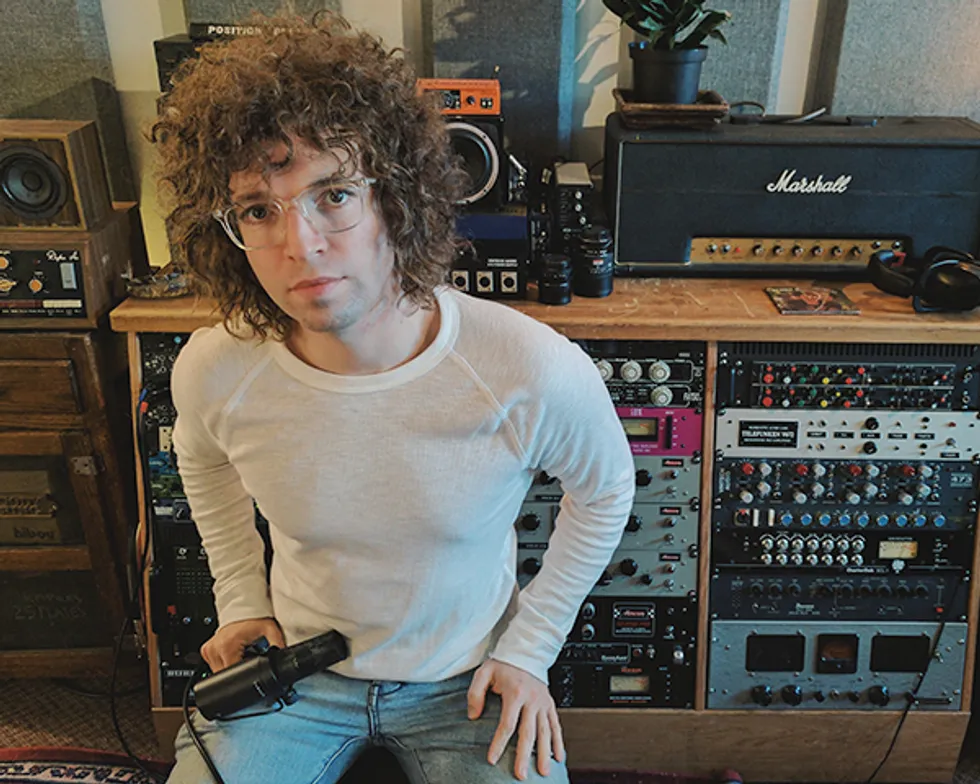
Inside the band, songs often came together like musical Frankensteins — stitched from ideas contributed by different members. Steve talks about “disguising” that patchwork through clever guitar parts and arrangement.
He also has a deep love for vocal nuance, often zeroing in on phrasing and performance until every moment rings true. That obsession with detail — from comping to lyrics — is central to his creative process.
The Solo Chapter: Independence and Intention
Now, Steve is embracing a new phase: his first solo album. He’s writing, producing, mixing, and mastering everything himself, enjoying the freedom of being the only “vibe in the room.”
Fatherhood has changed his workflow, too.
“Having a young kid at home makes you way more intentional. You’ve got to be efficient. You can’t sit around noodling all day.”
There’s a new clarity and purpose to his work — still creative, but more focused.
Tools of the Trade: Plugins and Production in the Digital Era
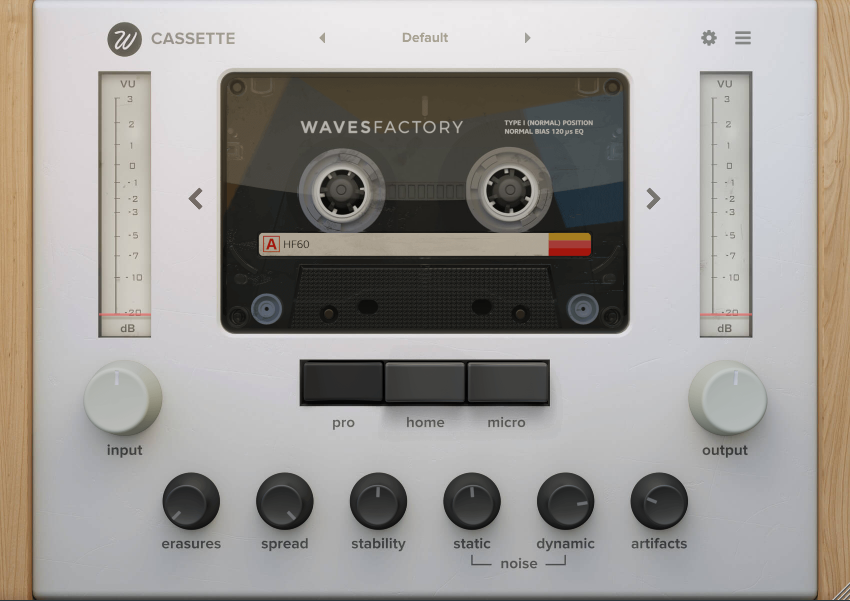
Despite his analog roots, Steve has leaned into digital tools that fit his aesthetic. Some of his go-to plugins include:
- Tone Empire – for adding thickness and colour
- Wavesfactory Cassette – for analog-style warmth
- Devil-Loc Deluxe – a favourite for distortion and punch
- FabFilter Pro-Q 3 – his surgical EQ of choice
Rather than complex gear setups, Steve favours simplicity — keeping the focus on songwriting and vibe.
Reflecting on the Industry: Sustainability Over Stardom
Steve has witnessed the transformation of the music industry — from the label-dominated days to today’s indie hustle. He’s wary of chasing major label dreams at the expense of control and sanity.
He also offers a frank perspective on artist management:
“A lot of managers are just there to justify their role. My partner Drew manages me now — it’s simple, fair, and lets me focus on the music.”
For Steve, sustainability, transparency, and authenticity are the new metrics for success.
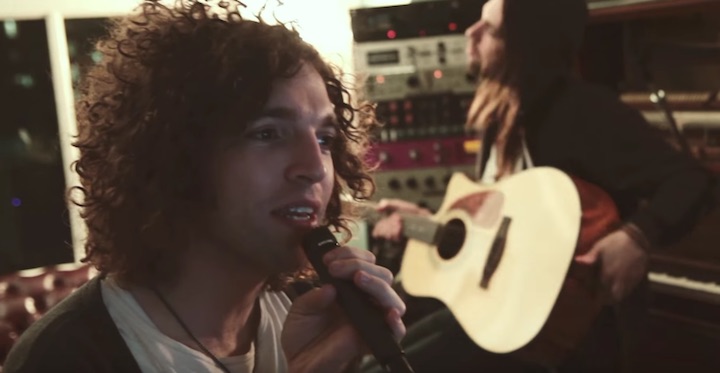
Unreleased Gems and the Ho-Heat Reunion That Wasn’t
At one point, the band almost reunited after a promising festival offer. It didn’t pan out — timing and old tensions got in the way — but it reignited Steve’s love for what they’d made.
He also revealed there’s a vault of unreleased material, including tracks recorded with full string arrangements at Abbey Road. That music is still waiting to find its moment.
Selected Discography Highlights
Steve’s production and writing credits are impressively varied. Here are some highlights:
- 2013 – Fur Trade – Don’t Get Heavy (Last Gang): Producer, Engineer, Mixer
- 2014 – Mounties – Thrash Rock Legacy (Light Organ): Producer, Engineer, Mixer
- 2014 – Steve Aoki, Diplo, Deorro – “Freak” (22 Jump Street Soundtrack, Republic): Co-writer, Vocals
- 2014 – JPNSGRLS – Circulation (Light Organ): Producer, Mixer
- 2015 – Hawksley Workman – Old Cheetah (Six Shooter): Producer, Co-writer, Mixer
- 2015 – We Are the City – Above Club (Tooth & Nail): Mixer on 4 tracks
- 2016 – The Zolas – Swooner (Light Organ): Mixer on 6 tracks
- 2017 – Fake Shark – Faux Real (Light Organ): Producer, Co-writer, Engineer, Mixer
- 2017 – Yukon Blonde – “Crazy” (Single) (Dine Alone): Producer, Engineer, Mixer
- 2018 – Dear Rouge – Phases (Universal Music Canada): Producer, Engineer, Mixer on “Motion” and “Flashes”
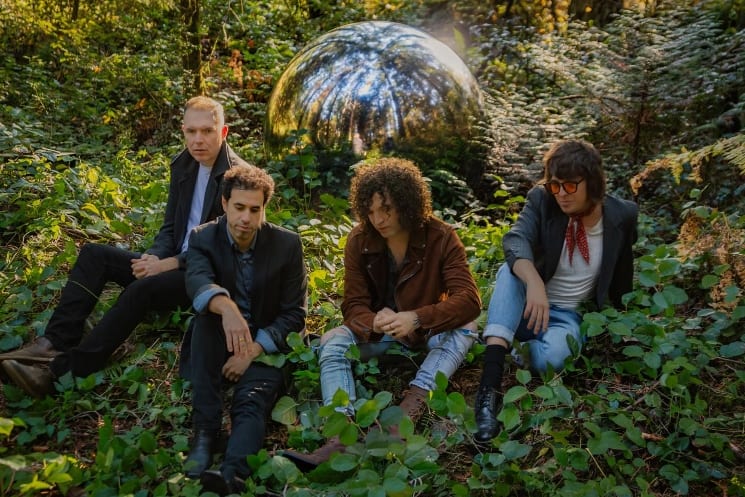
Final Thoughts: Embracing the Freak Factor
What Steve returns to, again and again, is the need for rawness — for music to retain its freak factor. Whether it’s The Kinks or The Who, he believes personality, not perfection, is what makes music live and breathe.
“There needs to be freak stuff going on amongst it all.”
It’s a philosophy that runs through his entire career — from band days to solo work, from comping vocals in a closet to building songs in a home studio.
Conclusion
Steve Bays’ journey is a powerful lesson in staying true to your creative instincts. His stories — from late-night vocal comps to walking away from Rick Rubin — show a commitment to emotion, impact, and integrity over convention.
Whether you’re a producer, a performer, or just someone who loves music, Steve’s approach is a reminder that authenticity, not polish, is what connects. And that sometimes, the most important work gets done in a closet, with no spotlight, just a shared belief in the magic of the music.
Check out the full interview here: https://www.youtube.com/watch?v=uaB8G-zh8gU&feature=youtu.be