

Choosing the best budget audio interface is essential for anyone looking to start recording without spending too much. With so many choices, it’s important to find one that fits your needs perfectly.
This guide will explain what to look for, highlight some top affordable picks, and help you make an informed decision. Whether you’re recording music or podcasting, understanding your specific requirements and balancing features with cost will help you get the best value for your investment.
Discovering the Best Budget Audio Interface for Beginners
Finding the right budget audio interface can significantly impact your recording experience. For beginners, the choice might seem overwhelming due to the plethora of options available.
However, understanding what to look for in a budget audio interface can simplify this process and ensure you make an informed decision that meets your needs.
What to Look for in a Budget Audio Interface
It’s important to know what features to prioritize to get the best value for your money. Here are some key aspects to consider when selecting a budget audio interface:
- Inputs and Outputs: Most beginners will need at least one microphone input and one instrument input. Having multiple inputs provides flexibility for future growth.
- USB Connectivity: USB interfaces are highly recommended for their compatibility with most computers and ease of use.
- Preamps Quality: Good preamps provide clean, low-noise amplification, essential for professional-sounding recordings. Brands like Focusrite and PreSonus are known for their excellent preamp quality.
- DAW Compatibility: Ensure the interface integrates smoothly with your chosen Digital Audio Workstation. Many budget interfaces include bundled software, which is beneficial for beginners.
- Portability and Build Quality: A compact, sturdy interface is advantageous if you need to move your setup frequently.
- Audio Resolution: Opt for interfaces offering high-resolution audio (at least 24-bit/96kHz) to ensure high-quality recordings.
Focusing on these features allows you to find a budget audio interface that provides excellent performance without breaking the bank. This foundation will help you achieve great results in your recording projects, setting you up for success as you develop your skills.
Best Budget Audio Interfaces For Under $150
Choosing the best budget audio interface for your needs doesn’t require compromise on quality. Several excellent options under $150 provide great features and sound quality, making them ideal for beginners.
Here are some top picks that stand out for their performance and value.
#1) Focusrite Scarlett Solo 3rd Gen: The Popular Choice
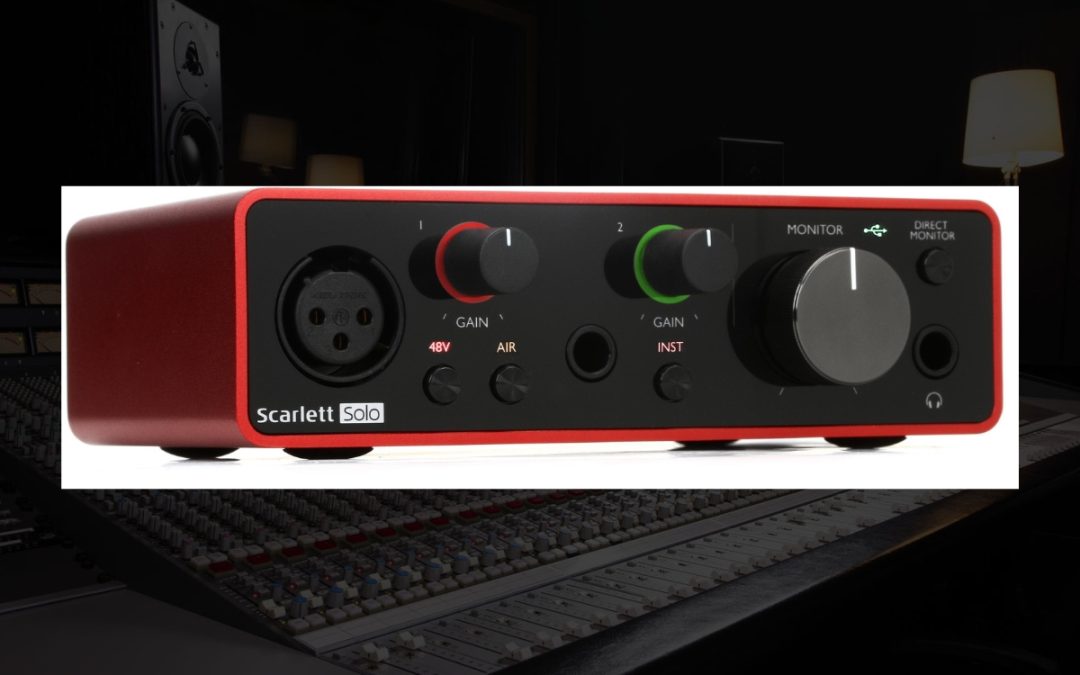
The Focusrite Scarlett Solo is well-known for its reliability and sound quality, making it a popular choice among beginners. It is designed to offer clean and clear audio recordings, suitable for both vocals and instruments.
With a robust build and user-friendly design, it’s an excellent option for those starting their recording journey.
Key Features:
- Scarlett Mic Preamp: Provides clean and transparent sound, ideal for vocals and acoustic instruments.
- Instrument Input: Handles high-level signals from guitars and other instruments without clipping.
- USB-C Connectivity: Ensures low latency and high-speed data transfer, compatible with most modern computers.
- High Audio Resolution: Supports up to 24-bit/192kHz for professional-grade sound quality.
- Bundled Software: Includes Ableton Live Lite and Pro Tools First, providing a complete package for beginners.
- Robust Build Quality: Sturdy metal chassis and compact, lightweight design for portability.
- PRICE: $99.99 (USD)
#2) PreSonus AudioBox USB 96: Reliable and Affordable
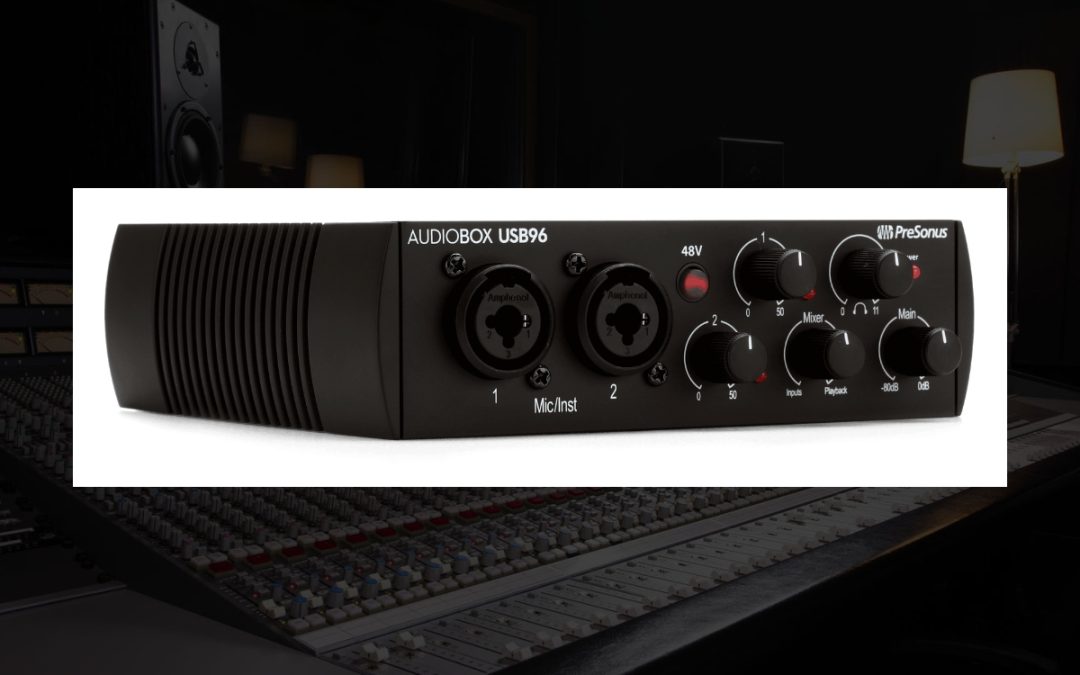
The PreSonus AudioBox USB 96 offers a balance of affordability and feature-rich performance, making it ideal for beginners. It’s designed to handle versatile recording needs, from vocals to instruments, with ease.
The durable build and included software package make it a valuable addition to any beginner’s setup.
Key Features:
- Two Combo Mic/Instrument Inputs: Provides versatility for various recording setups.
- Dual Class A Preamps: Delivers clean and warm audio for vocals and instruments.
- USB 2.0 Connectivity: Ensures reliable performance and compatibility with both Mac and PC.
- High Audio Resolution: Supports up to 24-bit/96kHz for high-quality recordings.
- MIDI I/O: Allows integration of MIDI equipment into your setup.
- Durable Build: Rugged steel chassis designed to withstand frequent use.
- Portable Design: Compact size makes it suitable for mobile recording.
- Bundled Software: Includes PreSonus’ Studio One Artist, offering a comprehensive toolset for music production
- PRICE: $89.99 (USD).
#3) Behringer U-Phoria UMC22: Great Value for Money
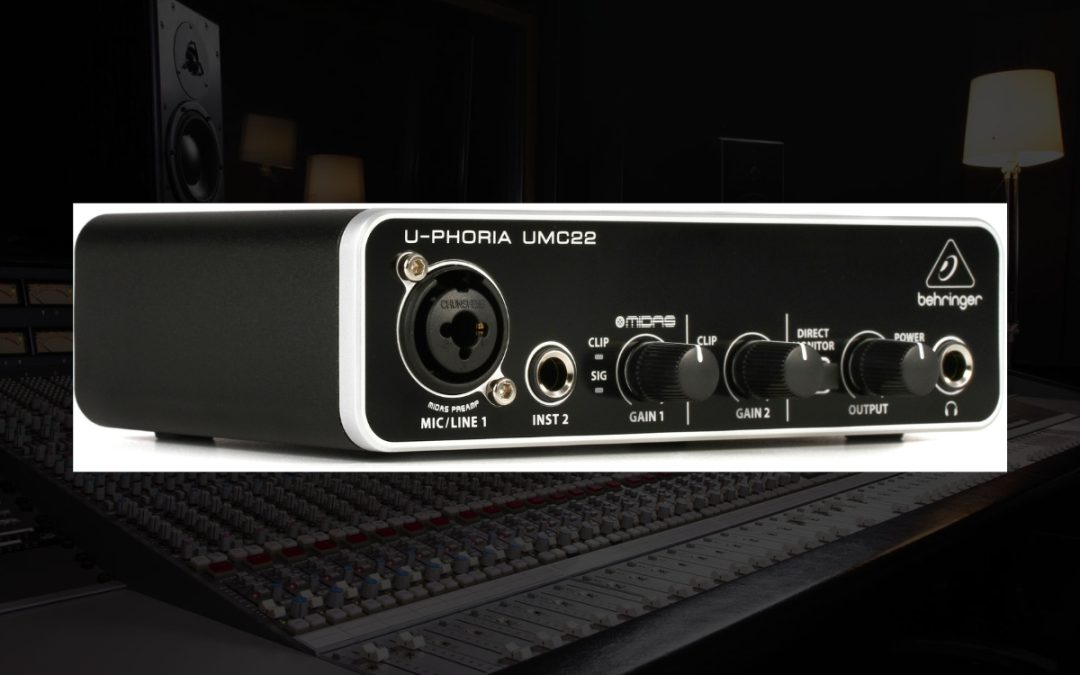
The Behringer UMC22 is an exceptionally affordable audio interface, offering solid performance for beginners on a tight budget. It’s designed to deliver decent audio quality, making it suitable for basic recording needs.
Despite its low price, it manages to provide a reliable and straightforward recording solution. Its compact and durable design makes it a great choice for mobile recording setups.
Key Features:
- MIDAS-Designed Mic Preamp: Provides high-quality sound for vocal recordings with low noise.
- Instrument Input: Handles signals from guitars and other instruments without distortion.
- Direct Monitoring: Allows zero-latency monitoring via a convenient switch, ensuring real-time audio feedback.
- USB 2.0 Connectivity: Offers stable and easy connection with both Mac and PC.
- Audio Resolution: Supports 16-bit/48kHz resolution, providing clear and detailed recordings.
- Compact Design: Lightweight and portable, ideal for small and mobile recording setups.
- Impact-Resistant Metal Chassis: Durable construction that can withstand regular use.
- PRICE: $69.99 (USD)
#4) Mackie Onyx Producer 2-2: High-Quality Sound
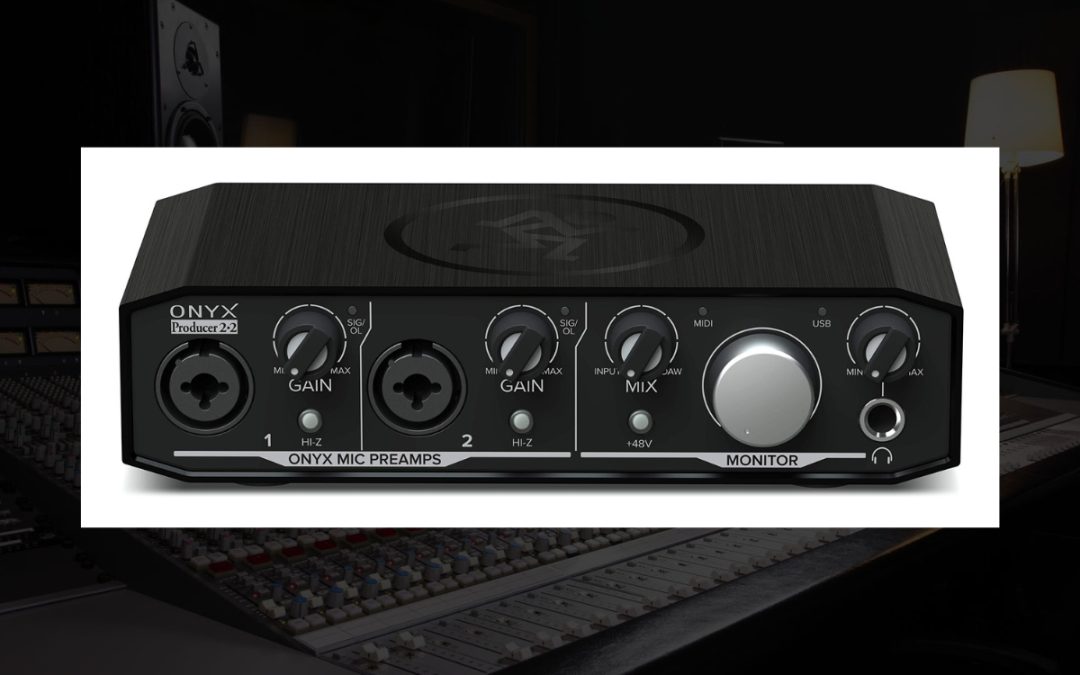
The Mackie Onyx Producer 2-2 stands out for its superior sound quality, making it a great choice for serious beginners. It features high-grade preamps and a robust build, ensuring long-term reliability.
This interface is ideal for those who prioritize audio fidelity in their recordings. The inclusion of MIDI I/O makes it perfect for integrating various MIDI devices into your workflow.
Key Features:
- Onyx Mic Preamps: Delivers clean, high-fidelity audio, perfect for vocals and instruments.
- Two Combo Inputs: Versatile for different recording setups, accommodating both microphones and instruments.
- MIDI I/O: Facilitates the integration of MIDI equipment, enhancing your production capabilities.
- Direct Monitoring: Zero-latency direct monitoring for real-time listening.
- High Audio Resolution: Supports up to 24-bit/192kHz for professional-grade recordings.
- Rugged Construction: Built to last with a durable metal chassis.
- USB 2.0 Connectivity: Ensures easy and reliable connection with most computers.
- PRICE: $119.99 (USD)
#5) M-Audio M-Track Solo: Best for Beginners
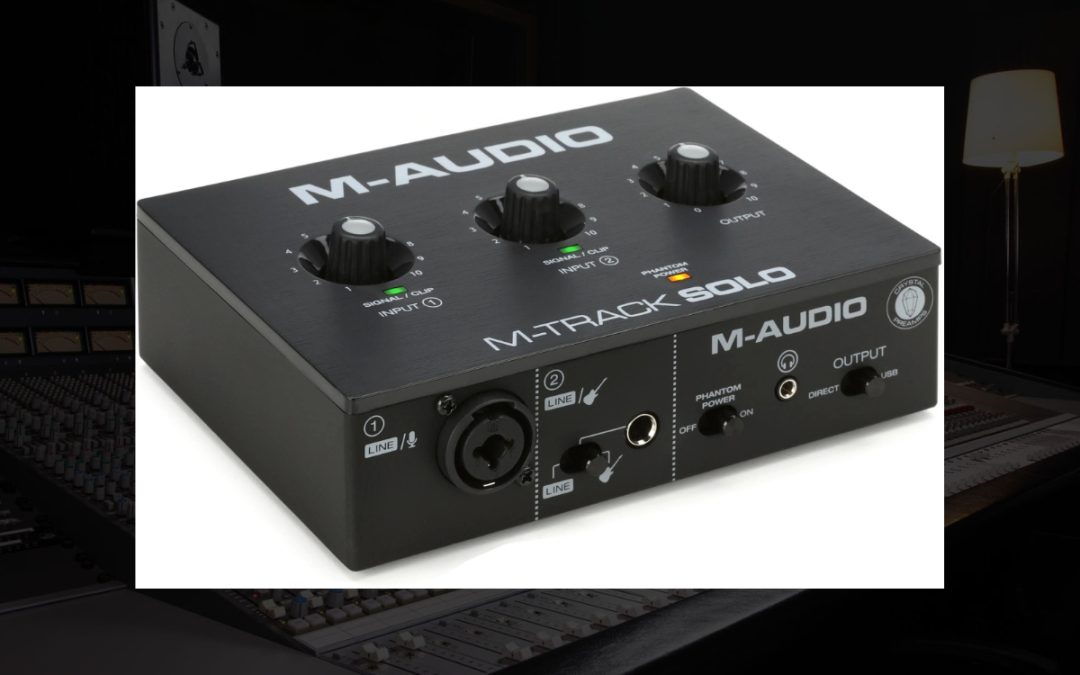
The M-Audio M-Track Solo is tailored for beginners, offering simplicity and ease of use. It’s designed to provide basic yet effective recording capabilities. With its straightforward interface and essential features, it helps newcomers get started with minimal hassle.
The M-Track Solo also includes a powerful software suite, making it an all-in-one solution for budding musicians and podcasters.
Key Features:
- Single Mic Input: Suitable for basic vocal recordings, delivering clear audio quality.
- Instrument Input: Handles guitar and other instrument signals effectively, making it versatile for various recording needs.
- Direct Monitoring: Zero-latency direct monitoring for real-time listening without delay.
- USB 2.0 Connectivity: Ensures seamless connection with most computers.
- High Audio Resolution: Supports up to 16-bit/48kHz for clear recordings.
- Portable Design: Lightweight and compact, ideal for mobile setups.
- Robust Build: Durable plastic casing that can withstand regular use.
- Bundled Software: Includes MPC Beats software, providing essential tools for music production.
- User-Friendly Interface: Simple controls make it easy for beginners to start recording right away.
- PRICE: $49.00 (USD)
Making the Right Choice
Choosing the right audio interface involves understanding your specific needs and balancing features with your budget.
Whether you’re focusing on recording music or podcasting, each requirement has distinct considerations that will guide your decision.
Assessing Your Needs: Recording vs. Podcasting
When selecting an audio interface, consider the type of work you’ll be doing. Recording music typically requires multiple inputs for instruments and microphones, higher audio resolution, and possibly MIDI connectivity.
Fewer inputs may suffice for podcasting, but ease of use and reliable vocal recording quality are crucial.
Consider the flexibility you need and ensure the interface can accommodate potential future expansions, such as adding more microphones or integrating MIDI devices.
Balancing Features and Price: Getting the Best Value
Balancing features with price ensures you get the best value for your investment. Focus on interfaces that offer essential features without unnecessary extras that inflate the price.
Key features to prioritize include high-quality preamps, sufficient inputs and outputs, compatibility with your digital audio workstation (DAW), and reliable connectivity. USB interfaces are commonly recommended for their ease of use.
Consider the build quality and portability if you plan to move your setup frequently. Ensure the interface provides the right mix of functionality and durability within your budget to maximize its long-term value.