When Audeze asked me if I wanted to do a panel at AES for them of course I was excited, however why a panel? After all I got to do one of those earlier in the day with Piper Payne, Andrew Scheps and Willie Greene. So let’s just talk to one truly fascinating person for as long as I possibly can! That person was my friend, mentor and producer extraordinaire Jack Douglas.

Warren Huart With Jack Douglas During Their Panel At Audeze’s Booth – AES 2024 (Photo By Kasia Huart)
Jack Douglas was born in the Bronx in 1947, New York City. Jack began his journey into music through his love for folk music, which led him to perform in the New York City scene, where at only 15 years old he was offered the job of writing and performing RFK Sr.’s senatorial campaign songs at events. His early interest in music, however, took a turn when he shifted his focus to audio engineering. After going to Liverpool, England with his friend on a steamer, they were held hostage because they didn’t have the right visas. Jack escaped one night and got the Liverpool Echo to come run a piece on them which got them the opportunity to stay in Liverpool and he then joined a succession of bands before deported back to New York.
Douglas was part of the first graduating class of the Institute of Audio Research, after graduating he started working at the iconic Record Plant as a janitor. A famous encounter with Jimi Hendrix, where Hendrix offered him a joint, he later remarked “I thought, This is unbelievable! What a great job I have. And it just got better and better.” Soon, under the mentorship of the great Roy Cicala he was working with legendary artists like Miles Davis, Alice Cooper, Montrose, Cheap Trick, Mountain, and more. During these early days, Douglas absorbed knowledge from his mentors, navigating the wild atmosphere of the time and handling the cutting-edge gear of the era.
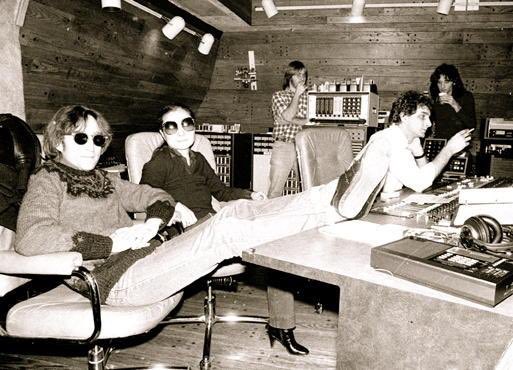
One of the major turning points in Douglas’s career was working with John Lennon, a connection that began after Douglas told Lennon about his experience in Liverpool in 1965, when Douglas was held hostage on a ship. The Beatles, in London got daily copies of the Liverpool Echo and had laughed at these ‘crazy kids from New York’ who had travelled to Liverpool to see the Cavern Club and hopefully meet them. This led to him working on Lennon’s Imagine album, where he contributed significantly to its recording, including the title track. Douglas also worked closely with Yoko Ono, engineering her albums Approximately Infinite Universe and Feeling the Space, and even playing percussion on Season of Glass.
Douglas’s relationship with the New York Dolls in 1973 saw him stepping in to do more than just engineering after their collaboration with Todd Rundgren didn’t pan out. After this, producer Bob Ezrin encouraged him to move into production, leading to his work with Aerosmith. His first major production with them was Get Your Wings (1974), a record that helped define Aerosmith’s signature sound. Douglas continued to produce Aerosmith’s classic albums, including Toys in the Attic (1975), Rocks (1976), and Draw the Line (1977), as well as later albums like Rock in a Hard Place (1982), Honkin’ on Bobo (2004), and Music from Another Dimension (2012).
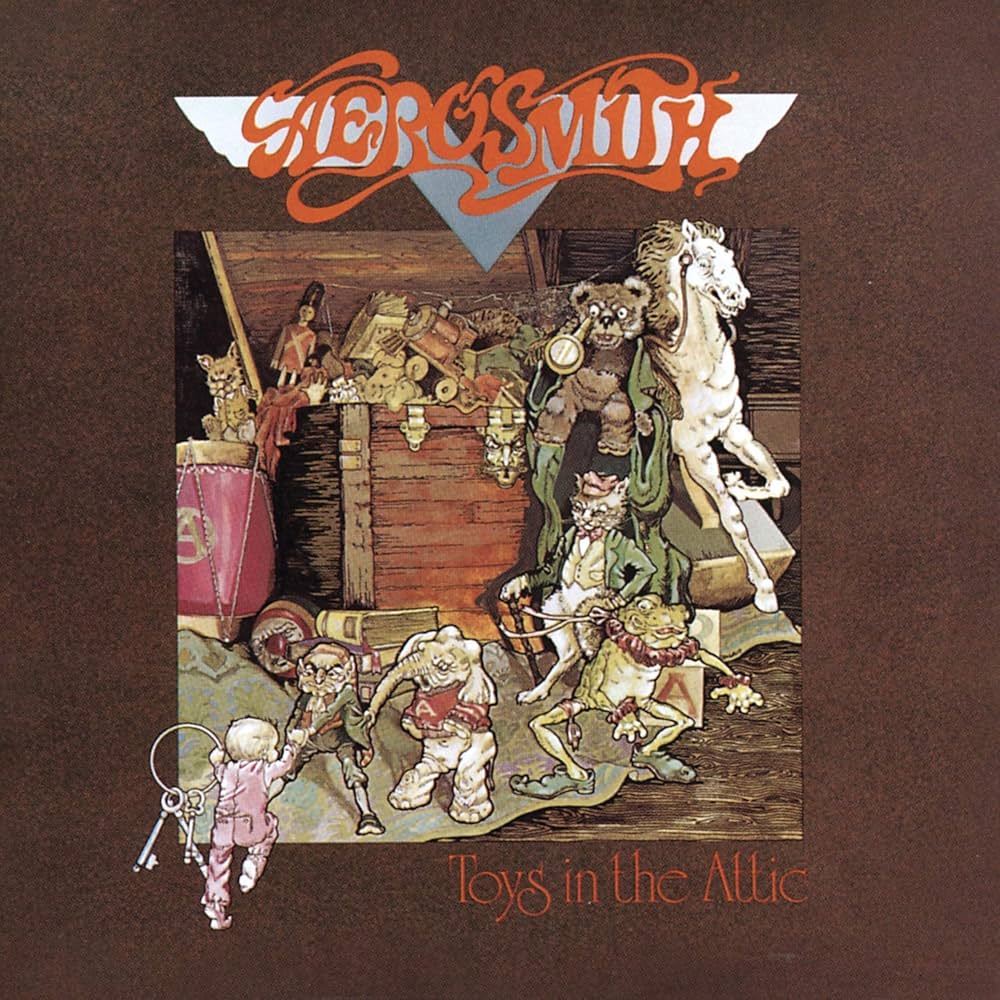
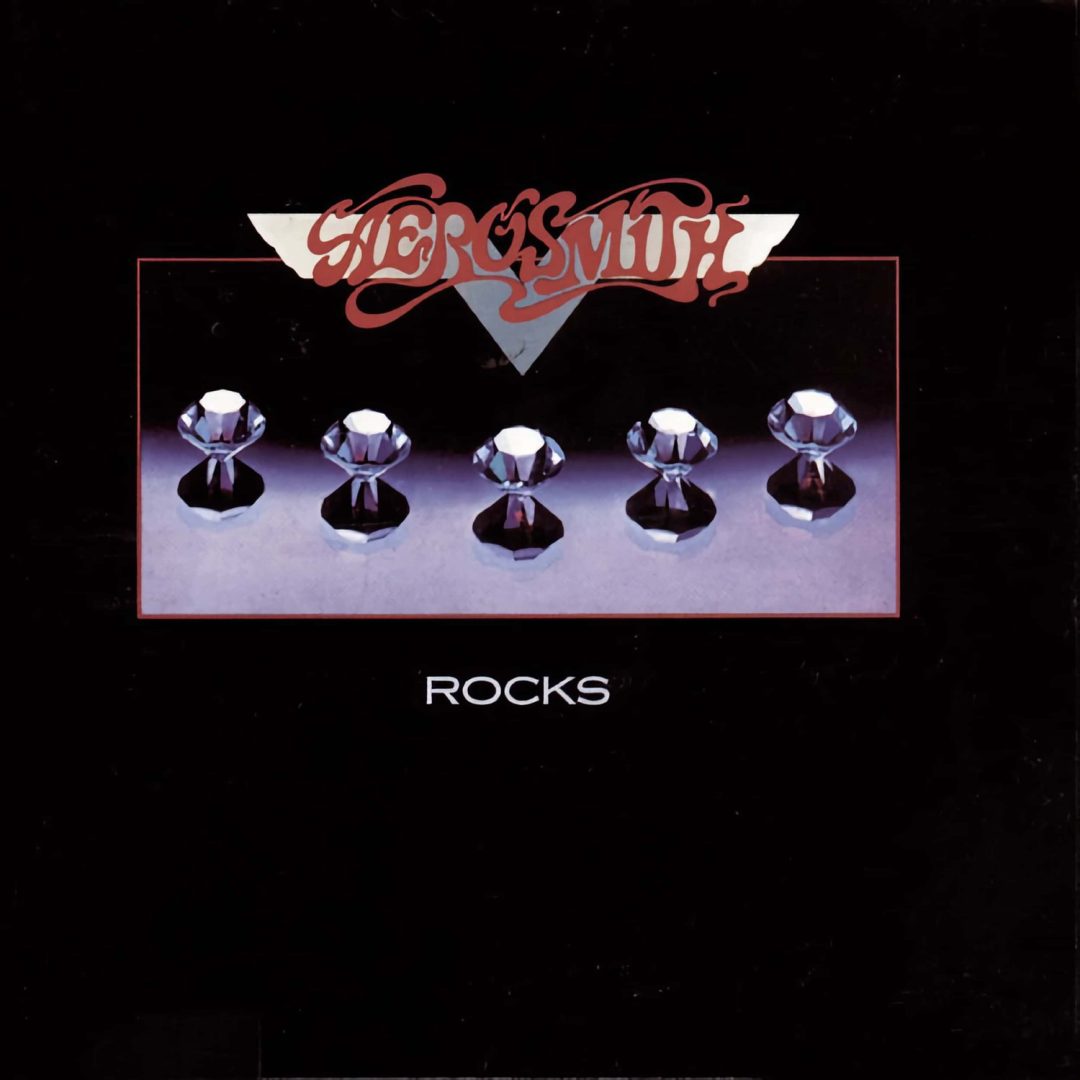
Douglas also co-produced Alice Cooper’s Muscle of Love (1973) alongside Jack Richardson and co-engineered with Phil Ramone. This project, along with his work on Aerosmith’s Get Your Wings, marked the beginning of his major production career.
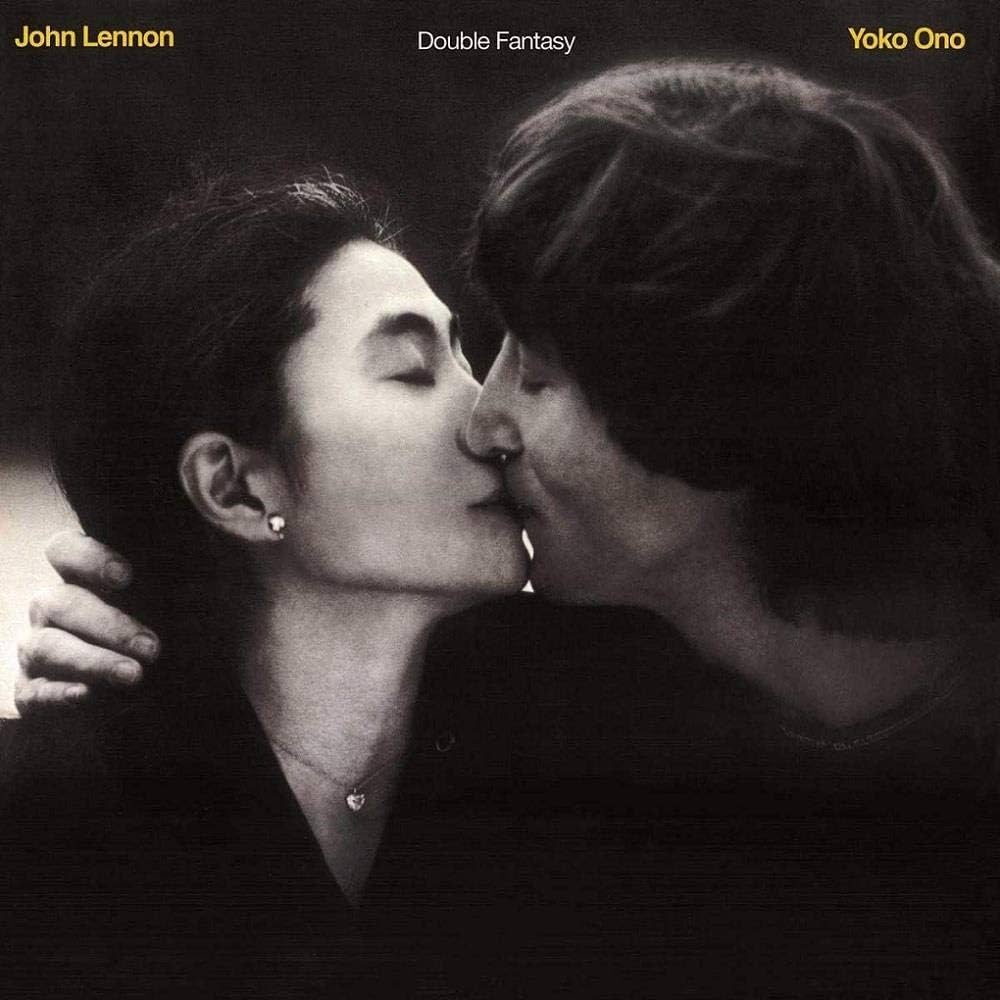
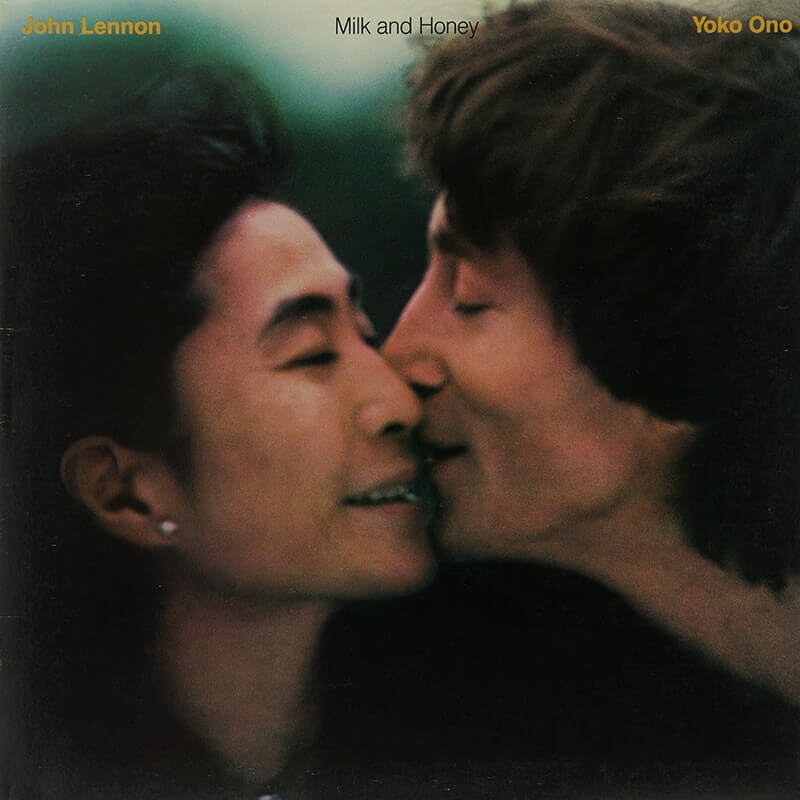
In addition to his production work, Douglas co-produced Lennon and Yoko Ono’s Double Fantasy (1980) and Milk and Honey (1984). He fondly recalls anecdotes from these sessions, including a memorable incident of knocking himself out on his way to the bathroom.
Douglas’s extensive career is filled with both challenging and rewarding recording sessions, but he is most proud of the records that have stood the test of time. His career longevity is rooted in his adaptability, evolving with the changing music industry from the 1970s to today. Reflecting on those changes, Douglas often speaks about the shift in studio environments, from the need to capture performances live in the 70s to the digital perfectionism of modern-day music production.
Though the music industry has changed, Douglas remains passionate about music and continues to be active in the field. His collaboration with me on Music from Another Dimension is one of many ongoing creative partnerships and he recently built a new studio and started a record label, he shows no signs of slowing down!

Warren Huart With Jack Douglas and Jay Messina (Photo by Kasia Huart)
Douglas’s insights into the differences between music in the 1970s and today, along with his continued involvement in the industry, have solidified his place as one of the most respected figures in music production.