Led Zeppelin’s “Ramble On,” from their 1969 album Led Zeppelin II, is a masterful blend of folk, hard rock, and blues. Co-written by Jimmy Page and Robert Plant, and recorded in New York studios, the track showcases the band’s signature “light and shade” dynamic. It features Plant’s evocative lyrics inspired by J.R.R. Tolkien’s The Lord of the Rings, referencing Mordor, Gollum, and Sauron.

Exploring the Mastery of Led Zeppelin’s “Ramble On”
Led Zeppelin’s “Ramble On” isn’t just a song; it’s a journey through the band’s creative genius, blending intricate recording techniques, masterful instrumentation, and timeless storytelling. Let’s dive into the layers of artistry that make this track an enduring classic.
Recording Techniques: Crafting a Signature Sound
The recording of “Ramble On” reveals Zeppelin’s meticulous approach to sound. It opens with Jimmy Page’s acoustic guitar, a Vox 238 Country Western Acoustic, recorded using a Neumann U67 microphone and compressed with an RCA BA-6A. This setup gives the acoustic a rich, warm texture that’s a hallmark of the track.


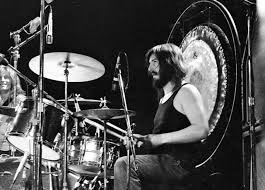
Page’s electric guitar, possibly a Dan Electro, adds a resonant tonal layer, while the stereo panning of John Bonham’s drum tracks creates a spacious, dynamic feel. These techniques transform the song into an immersive experience.

Layered Vocals and Emotional Depth
Robert Plant’s vocals are doubled in key moments, enhancing their emotional intensity. His delivery on lines like “I’ve been this way ten years till the day” evokes a deep sense of longing and wanderlust. These layered harmonies seamlessly intertwine with the instrumental arrangements, amplifying the song’s storytelling.
Harmonic Complexity and Instrumental Mastery
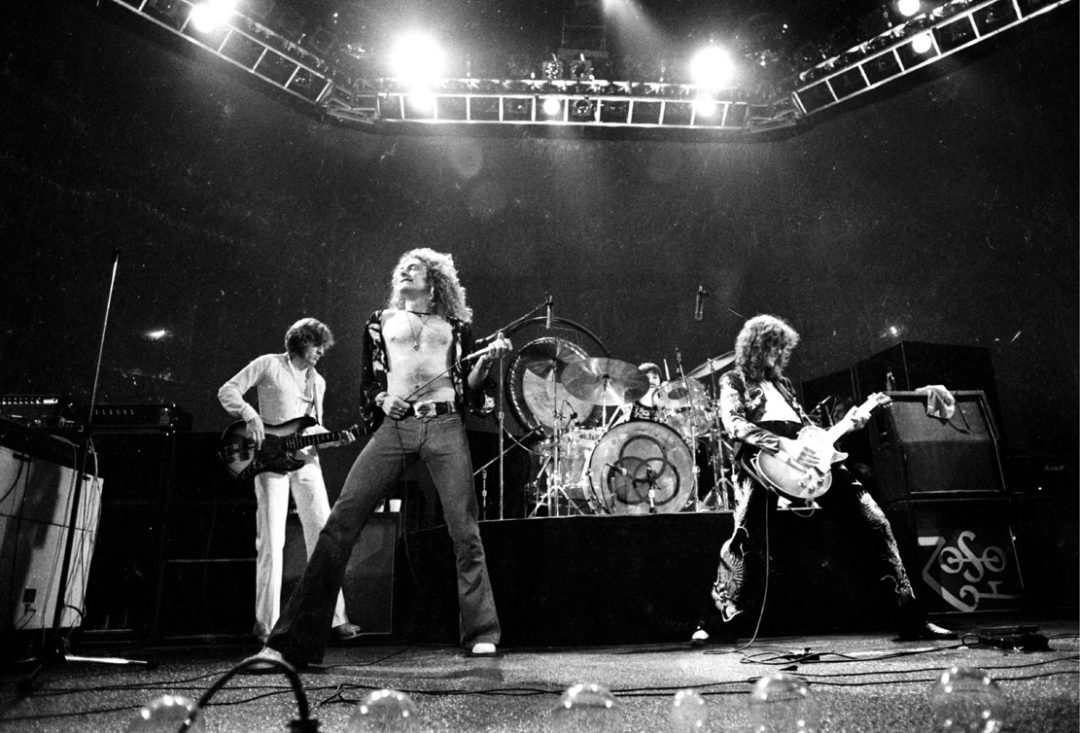
One of the song’s standout features is Page’s use of the major scale in his guitar work, a departure from the bluesy pentatonic scale. This choice creates a rich harmonic palette, allowing for melodies that feel both adventurous and grounded.
The interplay between acoustic and electric elements demonstrates Page’s knack for combining contrasting tones, weaving them into a cohesive sonic tapestry.
Production Choices: Authenticity and Innovation
The subtle bleed of drums and guitars into microphones adds a natural reverb that enhances the track’s authenticity. Effects like fuzz and sustain during the guitar solo introduce drama and grit, balancing the song’s softer folk elements.
 The Legacy of “Ramble On”
With its references to J.R.R. Tolkien’s The Lord of the Rings and themes of adventure, “Ramble On” captures the imagination of listeners across generations. Its intricate production and emotive storytelling make it more than a song—it’s a masterclass in blending genres and pushing creative boundaries.
Whether you’re a musician or a fan, “Ramble On” is a testament to Led Zeppelin’s unparalleled artistry. The next time you listen, take a moment to appreciate the craftsmanship that transformed this track into a timeless masterpiece.
 Conclusion
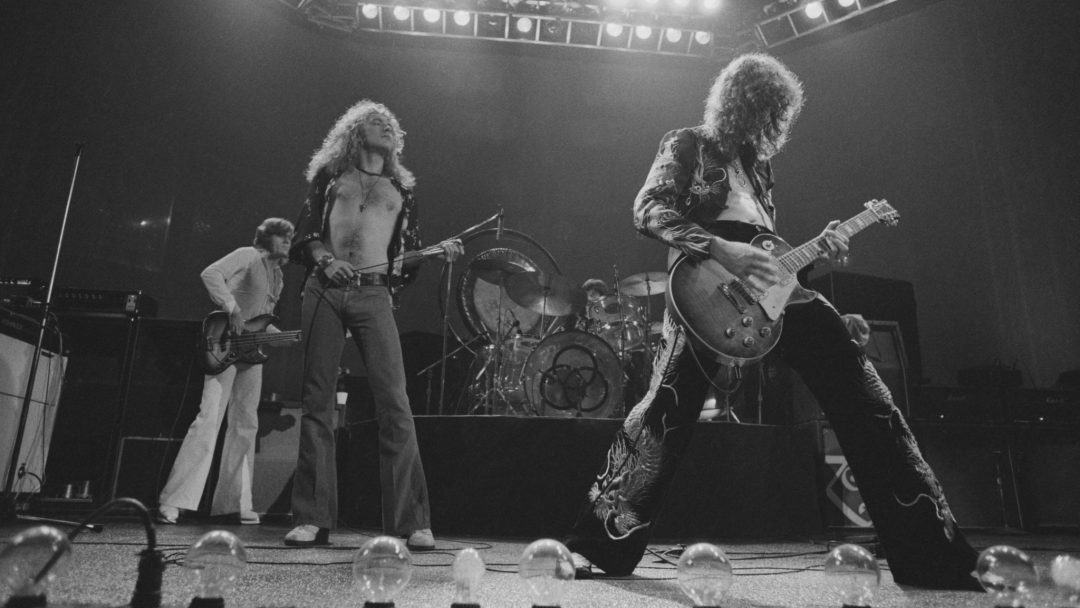
Page’s iconic guitar solo, achieved with a sustain unit by Roger Mayer, adds a violin-like tone, while John Paul Jones’ sublime bass lines elevate the track. Critics have praised its seamless transitions and melodic depth, calling it one of the band’s finest. Although never released as a single during the 20th century, the song gained renewed recognition in the digital era, reaching #66 on Billboard’s Canadian Digital Song Sales chart in 2007.
“Ramble On” first saw a full live performance in 2007 at the Ahmet Ertegun Tribute Concert. Today, it’s celebrated as a hallmark of Led Zeppelin’s artistry, ranked among Rolling Stone’s greatest songs and a fan favorite for its storytelling and musical ingenuity.
“Ramble On” showcases Led Zeppelin at their best, blending innovation, emotion, and technical brilliance. It’s a track that not only stands the test of time but continues to inspire musicians and producers around the world.