A few years ago, Denny Mesanovic sent me one of his ribbon microphones to try. It was handmade in Detroit, sounded absolutely fantastic and held its own against microphones costing considerably more.
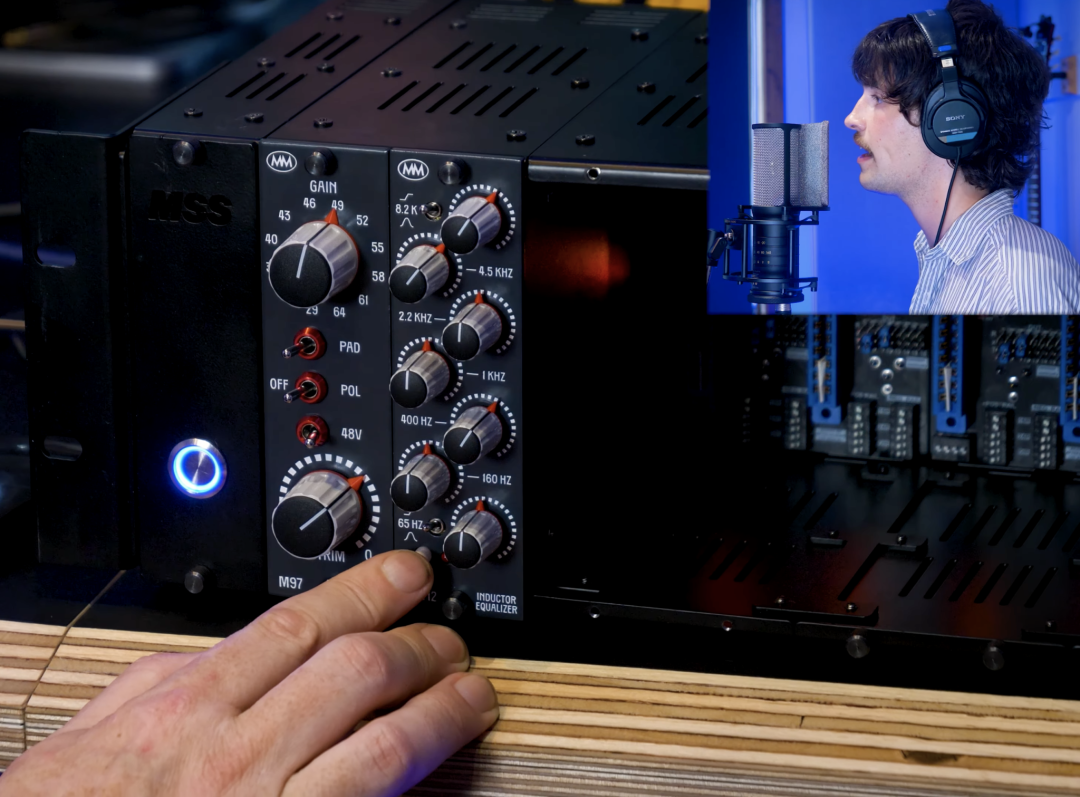
Now Denny has expanded into 500 Series equipment with a new microphone preamp and inductor-based EQ. We brought both units into the studio to hear how they performed on acoustic guitar and vocals.
Even better, Mesanovic has given us one mic preamp and one EQ to give away.
Enter the Mesanovic M97 mic pre and MQ712 EQ giveaway here: https://gleam.io/UbcWW/mesanovic-m97-mic-pre-and-mq712-eq-giveaway
You can also download the completely raw multitracks from the session. These files have not been tuned, compressed or processed, so you can hear exactly what the equipment captured.
Download the free multitracks here: https://producelikeapro.lpages.co/matt-le-vi-how-deep-is-your-love-form/
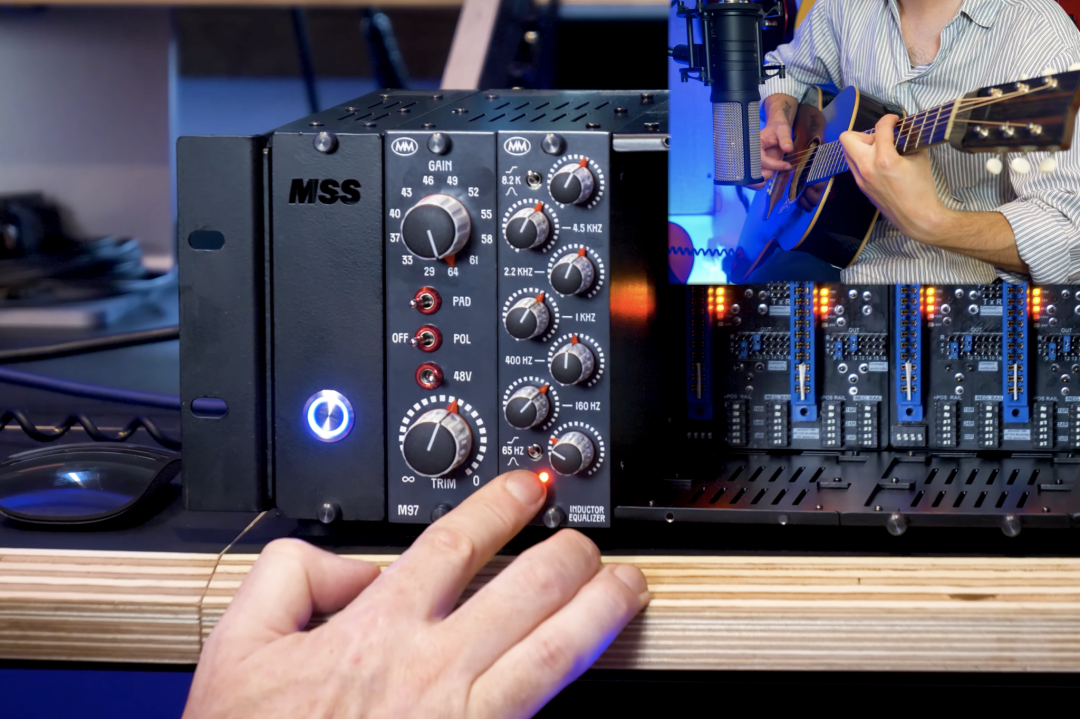
Recording “How Deep Is Your Love?”
For the demonstration, we were joined by the wonderfully talented Welsh artist Matt, who performed a stripped-back version of the Bee Gees classic “How Deep Is Your Love?”
We recorded his acoustic guitar and vocal through the Mesanovic mic preamp using several different settings:
- Clean with no additional drive
- Driven into the output transformer
- Lightly driven
- With and without the Mesanovic EQ
The aim was not simply to create a polished finished recording. We wanted to demonstrate how the preamp changed when pushed and how the EQ affected the original recorded signal.
Because each version was a separate live performance, this was not intended to be a scientific null test. It was a practical recording session showing how the equipment responded to a real musician.
Clean, Driven and Somewhere in Between
One of the most impressive features of the Mesanovic preamp is how it behaves when the input gain is increased and the output is reduced.
At the cleaner setting, the acoustic guitar sounded open, detailed and natural. Turning up the input gain produced a thicker sound with softer transients and an almost compressed quality.
It did not immediately collapse into unpleasant distortion. Instead, it developed a gentle saturation that added weight and controlled some of the sharper peaks.
During the session, I called Denny and asked him exactly what we were hearing. He explained that increasing the gain drives the output transformer, raising the amount of second-order harmonic distortion and gently taming the transients.
That was exactly how it sounded. The guitar became warmer, thicker and slightly more controlled without losing its identity.
The output control is effectively a pad positioned after the output transformer. This means you can push the transformer harder while keeping the level feeding your converter under control.
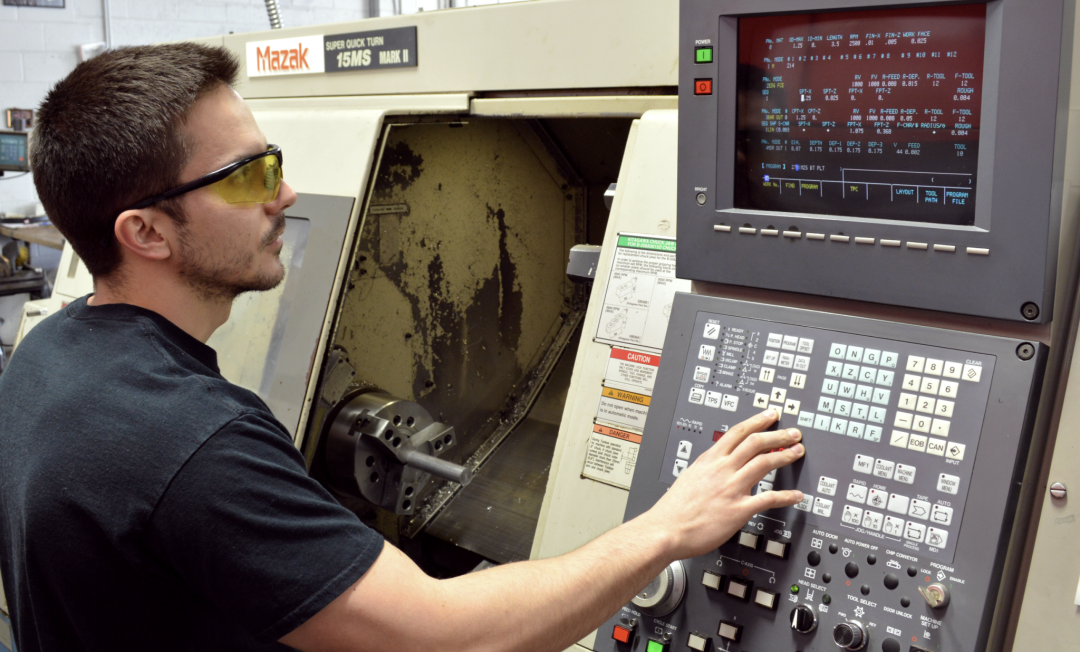
Handmade Transformers in Detroit
Denny also showed us around the Mesanovic transformer room during our call.
Mesanovic winds its transformers in-house using its own winding equipment. This includes the transformers used in the microphone preamp as well as the toroidal components required for inductor-based EQ designs.
Producing these parts internally helps Mesanovic control the sound, construction and cost of the equipment.
The mic preamp sells for approximately $675 in the US, which is impressive for a boutique unit made in Detroit with custom in-house transformers.
This is not an anonymous mass-produced piece of equipment. It is being created by a small company with Denny personally involved in the design and manufacturing process.
 The Mesanovic EQ
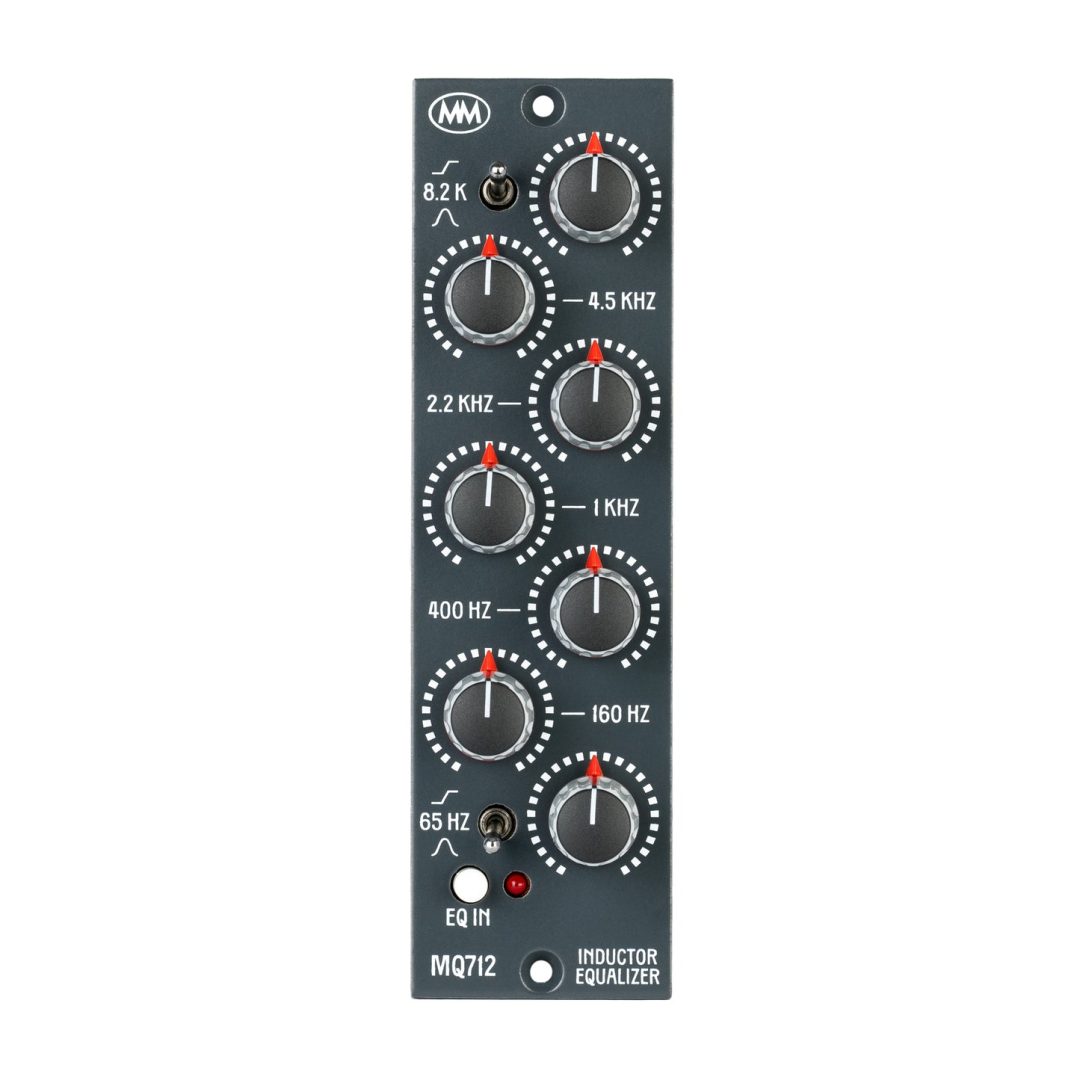 The Mesanovic EQ
After recording the clean and driven acoustic guitar sounds, we inserted the Mesanovic EQ.
The EQ is an inductor-based design, similar in principle to the EQs found in some classic analogue consoles and Pultec-style equipment.
My first impression was how smooth the high-frequency section sounded. Even when boosting around 4.5 kHz, the result did not become brittle or aggressive.
That word “musical” gets used far too often when talking about equipment, but it genuinely describes the experience here. The controls encouraged broad, useful tonal changes rather than harsh surgical corrections.
On the acoustic guitar, we experimented with:
- A small boost around 1 kHz to bring the guitar forward
- Additional presence around 4.5 kHz
- A touch of upper high-frequency shelving
- A small boost around 160 Hz
- A low-frequency shelf cut around 65 Hz
The driven acoustic already had softer transients and more density from the preamp. Adding a little upper-frequency EQ helped restore some articulation while retaining the thicker character created by the transformer saturation.
For a larger production, the EQed acoustic would probably sit more easily around bass, drums and other instruments. In this exposed acoustic and vocal arrangement, however, I preferred retaining a little more of the guitar’s natural low end.
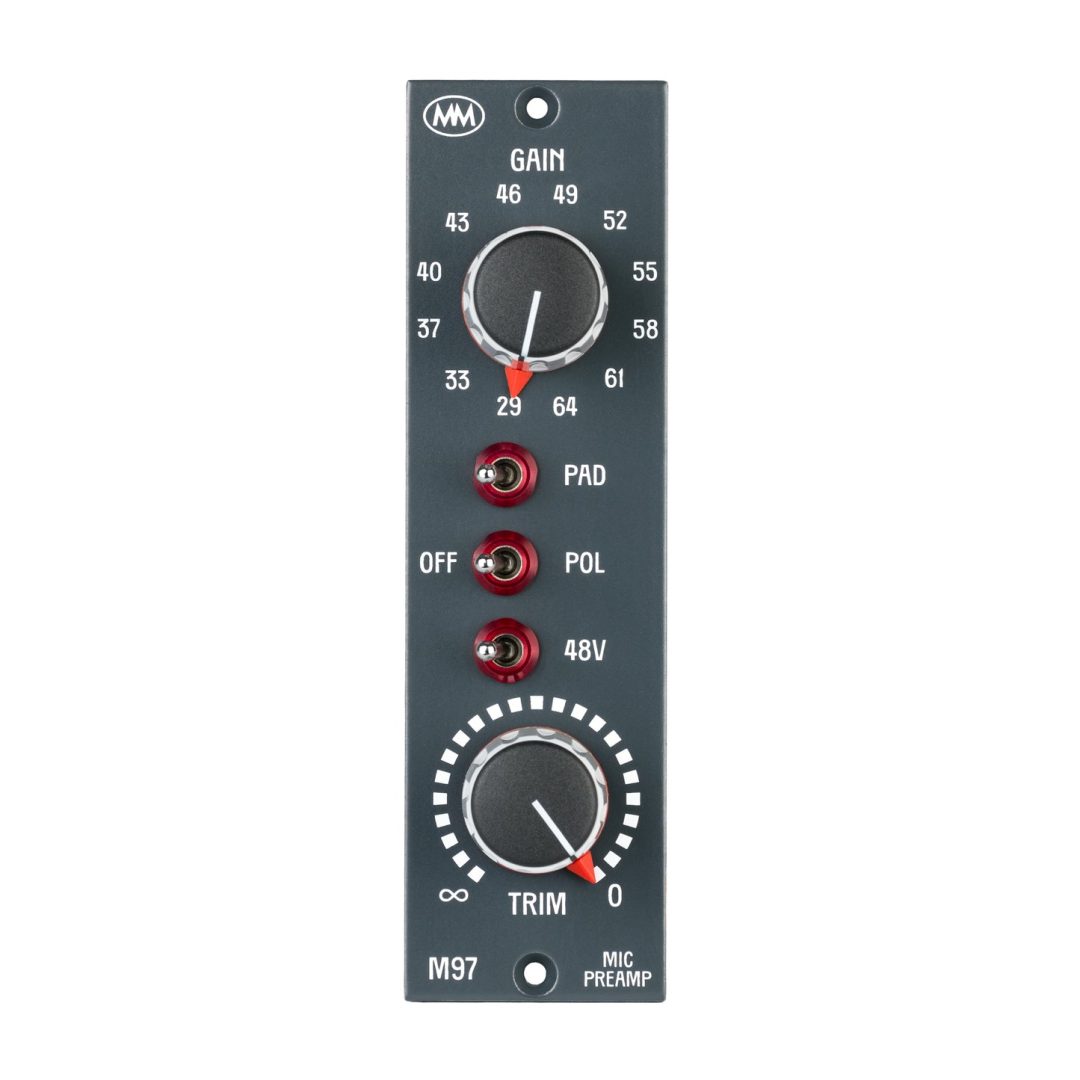
Finding the Right Vocal Drive
We recorded several different vocal settings.
The clean version sounded open and clear, but the more heavily driven version became noticeably thicker and more compressed. When the input was pushed too hard, Matt felt himself backing away slightly during louder moments.
That is an important consideration when recording. The sound in the performer’s headphones can affect how they sing or play.
We therefore created a third setting that sat between the two extremes. It still drove the transformer enough to add character, but it allowed the vocal to breathe more naturally.
This lightly driven setting became our favourite.
We then added a small amount of EQ:
- A gentle high-frequency lift
- A small cut around 1 kHz
- A touch of low-mid body
- A little additional weight around 160 Hz
- A low shelf cut around 65 Hz
The 1 kHz reduction removed a little midrange intensity and made the vocal feel more open. Matt described it as sounding “sparklier,” while the transformer drive retained the thickness and character.
His preferred vocal sound was the lightly driven preamp with the EQ engaged. It was also my favourite.
Does Driving a Mic Pre Replace Compression?
Not completely, but it can produce a similar effect.
When a transformer-based preamp is driven, peaks are gently rounded and additional harmonics are created. The waveform becomes denser and the difference between quieter and louder moments can feel reduced.
On this session, the driven vocal sounded more controlled even though we had not inserted a compressor.
The acoustic guitar also gained thickness and sustain. Some notes seemed to grow slightly as they decayed, while the cleaner version felt more transient-focused and slightly thinner.
For my preferred combination, I chose:
- The driven acoustic guitar without EQ
- The lightly driven vocal with EQ
The driven acoustic retained the fullness required for a sparse arrangement, while the EQed vocal had the right balance of body, openness and control.
Listen and Decide for Yourself
The most useful thing about this test is that you do not have to rely on my opinion.
You can download all the raw recordings and compare the clean, driven and EQed versions in your own DAW. You can level-match them, process them and decide which settings work best for your production style.
The multitracks include the different vocal and acoustic guitar recordings exactly as they were captured during the session.
Download the free Mesanovic session multitracks here: https://producelikeapro.lpages.co/matt-le-vi-how-deep-is-your-love-form/
There may also be a full production contest built around these recordings in the future, so download the files and start experimenting.
Win a Mesanovic M97 Mic Pre or MQ712 EQ
Mesanovic has generously provided one M97 microphone preamp and one MQ712 EQ for us to give away.
There are two separate giveaway entries, so you can enter for the mic preamp, the EQ or both.
Enter the giveaway here: https://gleam.io/UbcWW/mesanovic-m97-mic-pre-and-mq712-eq-giveaway
Denny Mesanovic is creating superb equipment in Detroit. The components are carefully designed, the transformers are wound in-house and the equipment has a genuinely distinctive sound.
The mic preamp remained smooth and usable even when pushed hard. The EQ sounded broad, sweet and natural. Together, they offered everything from transparent recording to thick transformer saturation and polished analogue tone.
Most importantly, they made us want to keep recording.