Hi everybody, hope you’re doing marvellously well!
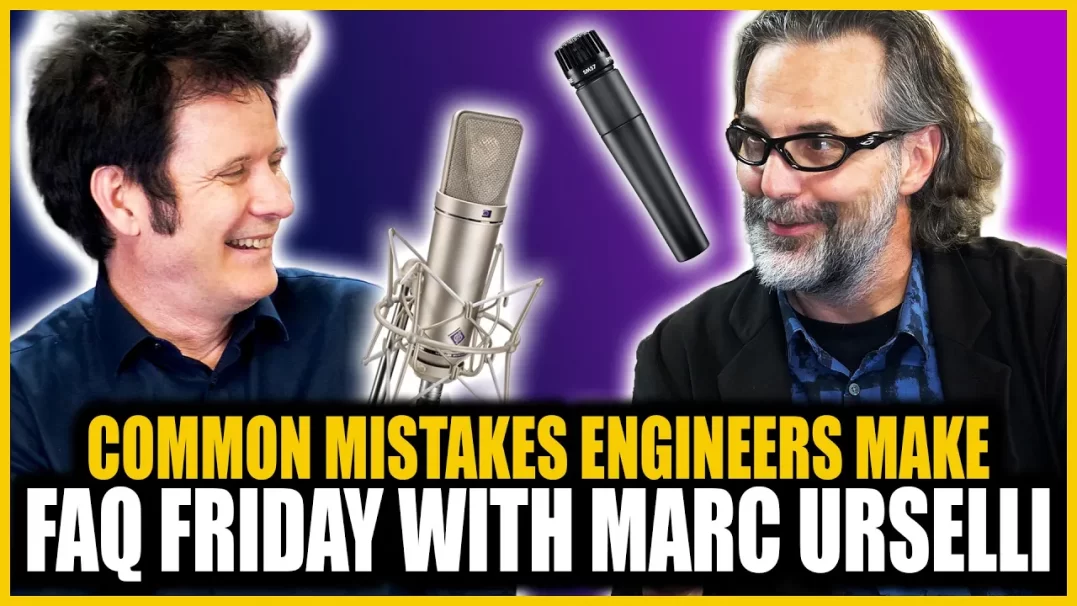
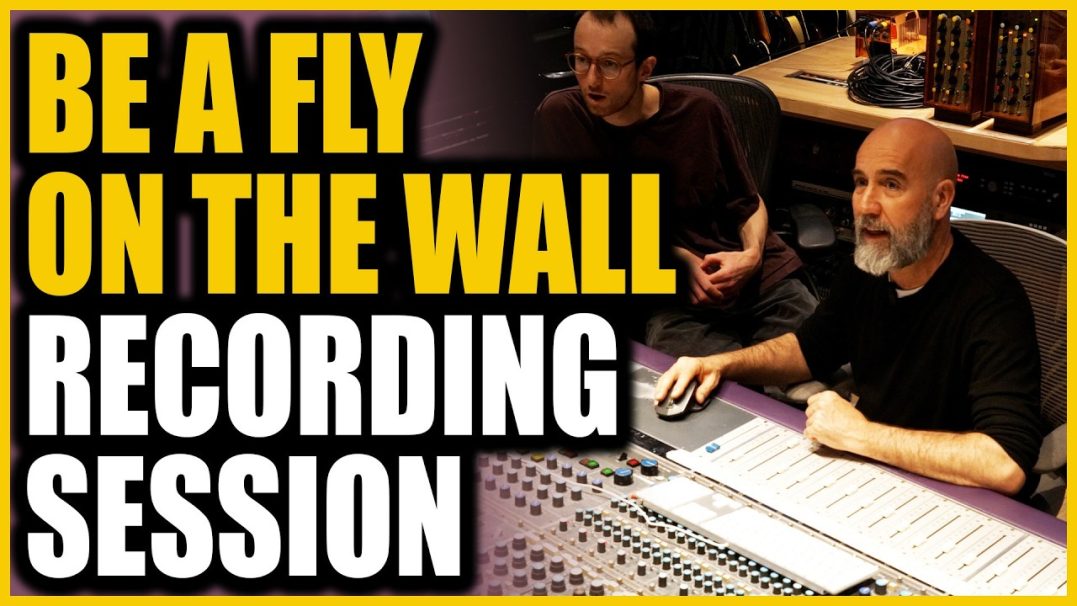
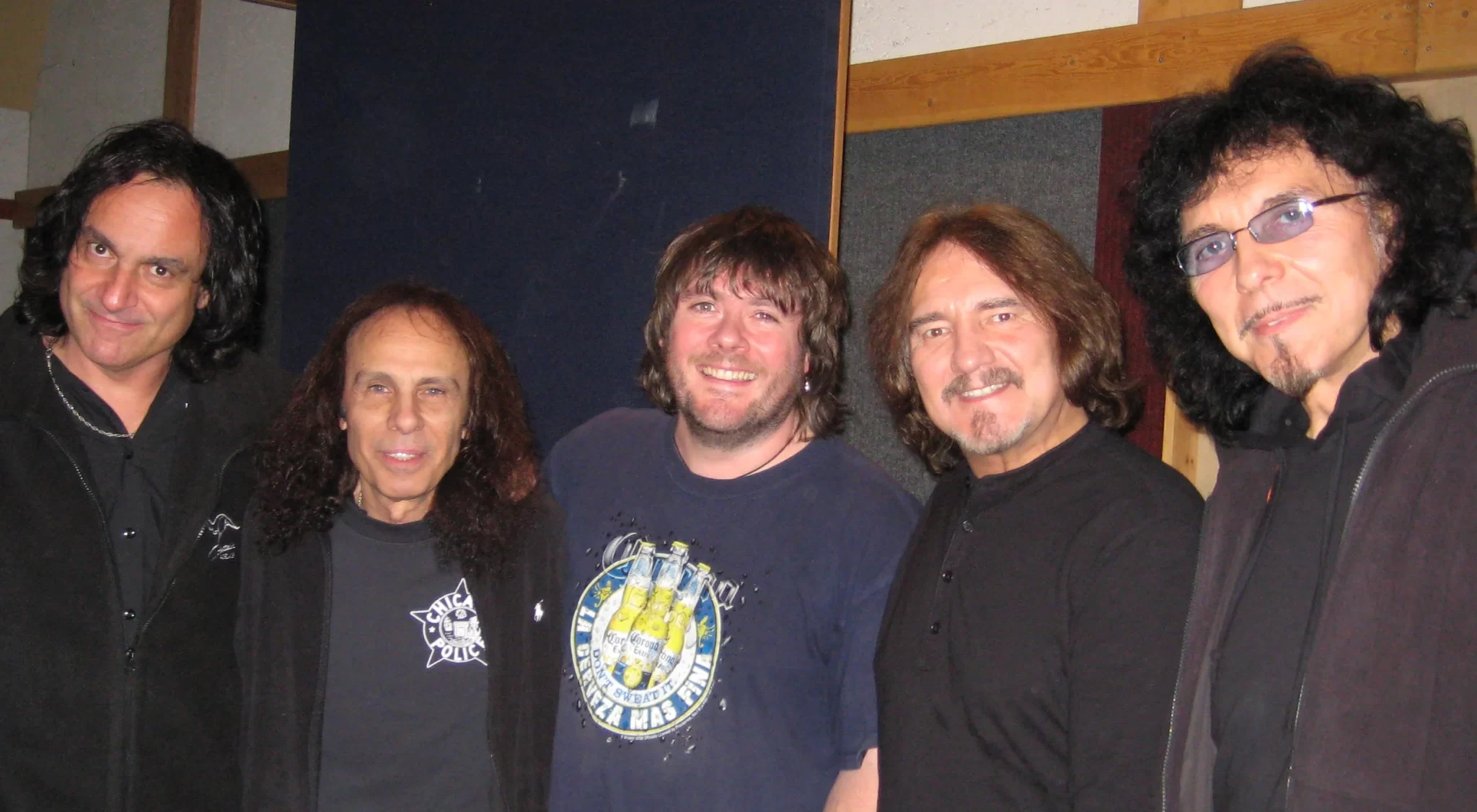
For this week’s FAQ Friday, I’m joined by the rather wonderful Mike Exeter, filmed during our Rockfield Studios MasterClass. What a place to have this conversation! Rockfield is one of those magical studios where music history is quite literally in the walls, and Mike has made some incredible records there, including with Heaven & Hell.
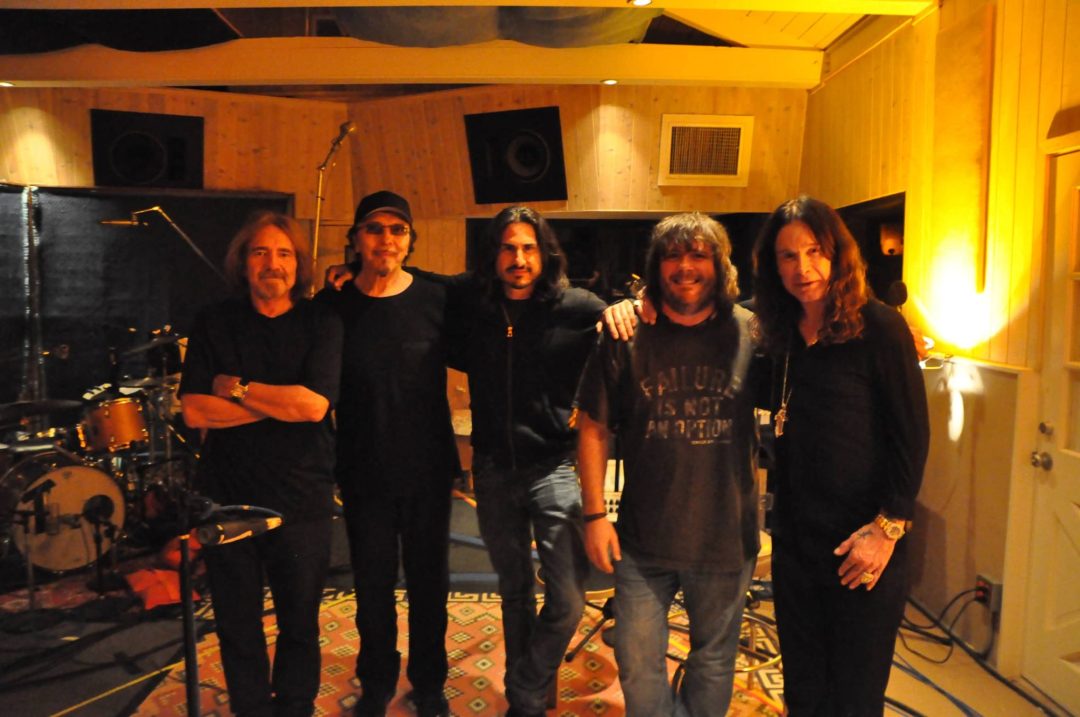
Sitting in that room, talking about Black Sabbath, Tony Iommi, Ronnie James Dio, drum sounds, guitars, faders and the lessons you learn over a lifetime in the studio, was a real treat.
And, of course, because this is FAQ Friday, we got into some brilliant questions from the community.
Before we dive in, we also have some absolutely marvellous Summer Sale offers running right now. You can join the Produce Like A Pro Academy for 50% off, just $99, here: https://producelikeapro.com/academy/
We also have the Pro Mix Academy Everything Bundle with lifetime access at its lowest price ever, just $487, with 128 tutorials from 67 different mentors, covering every genre and over 300 hours of tuition: https://promixacademy.com/the-everything-bundle/
Plus, you can get 50% off Pro Mix Academy courses using the code PMA50 here: https://promixacademy.com/courses/
How Do You Preserve A Classic Band’s Sound While Still Making A Modern Record?
One of the big questions we asked Mike was:
When recording Black Sabbath, how do you balance preserving the band’s classic sound while still achieving modern production?
Mike’s answer was wonderfully simple and deeply important:
You start by being authentic to who the band are now.
Bands do not sound exactly the same as they did 40 or 50 years ago. Their instruments change, their amplifiers change, their playing changes and, of course, they grow as people. The job is not to force them to sound like a museum piece. The job is to capture what they actually are.
That is such an important point.
So much of a band’s “sound” does not come from a pedal, an amp, a microphone or a plug-in. It comes from the way they play, the way they write, the way they push and pull against each other and the way they project their personality through the music.
With a band like Black Sabbath, the most important thing is to get them together and let the sound come from them.
Tony Iommi’s Feel Is The Sound
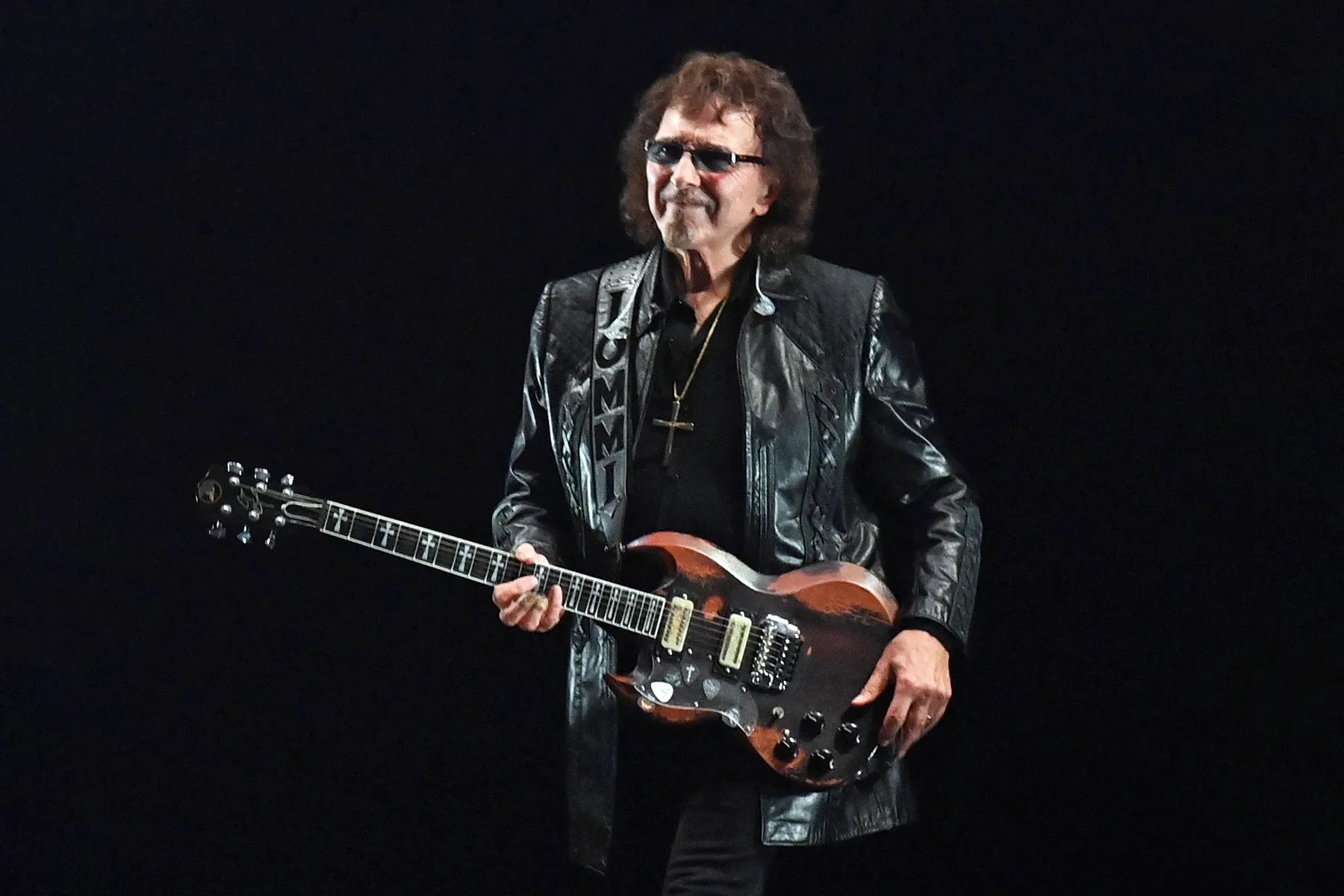
We talked a lot about Tony Iommi’s guitar playing, because there is something instantly recognisable about it.
Tony can play three chords and you immediately know it is him.
It is not just the notes. It is the way he phrases them. The little slides, the half tones, the quarter tones, the vibrato, the way he moves into the riff. Mike described that “sludgy,” sliding quality in Tony’s playing, and that is such a huge part of why his riffs feel so massive.
Tony’s sound is not just distortion. It is not just power chords. It is his hands.
Mike also talked about how incredibly tight Tony’s double tracking is, without sounding grid-like or mechanical. There is a tolerance in the timing, a tolerance in the vibrato and a feel that makes the guitar wide, powerful and human.
That is something we can all learn from.
Great performances are not always about being perfectly locked to a click. Sometimes they are about knowing what the riff is supposed to feel like so deeply that you can double it naturally, with all of the personality still intact.
Why Modern Production Is Different
We also got into drums and how expectations have changed.
If you listen to the first Black Sabbath album, there is so much space. Guitar, bass, drums and vocal. The toms speak beautifully. The tuning is obvious. There is room around everything.
But modern records are different. Audiences now expect punch, width, low end, clarity and a full-range experience that reflects what they hear through a powerful live PA system.
As Mike pointed out, when Sabbath started, they were a band in a room being recorded with the technology available at the time. That was the sound. Today, we have different tools, different expectations and different ways of presenting the same energy.
The trick is not to imitate the past badly. It is to understand the spirit of the band and present it honestly with the tools of today.
That is a huge lesson.
Tape Was Not Magic To Everyone Using It
One of my favourite parts of the conversation was when Mike talked about tape.
These days, we often romanticise tape because of the way it changes the sound. However, back when tape was simply the format everyone had to use, engineers were not always thinking, “Wonderful, let’s make this warmer and vibier.”
A lot of the time they were fighting hiss, noise, generation loss and limitations.
That does not mean tape is not wonderful. It absolutely can be. However, context matters. The classic records we love were often made by people trying to get the cleanest, clearest, most exciting result possible within the limits of the technology they had.
That is a powerful reminder for all of us working in modern studios, home studios and hybrid setups.
Use the tools you have, but do not mistake the tool for the music.
Arrangement Still Wins
Another brilliant takeaway from Mike was this:
Arrangement, writing and production are what make things work.
If the vocal is not happening, maybe the tom fill is. If the guitar is wide, it leaves space for the drums. If the bass player is following the energy of the arrangement, everything finds its place.
That is why great bands sound great before you start mixing.
You do not have to force everything into place when the arrangement already understands where each part belongs.
Mike’s Most Memorable Moments
We also asked Mike about the most memorable experiences from his career, and his answer was not just about gear or technical decisions.
It was about the experience.
He talked about growing up loving Pink Floyd, Genesis, ELO and Queen, wondering what it must have been like in the studio when those records were being made. Then, later in life, finding himself in the room with legendary artists, creating music and living those moments himself.
One of the biggest highlights for him was getting to know Ronnie James Dio.
Mike spoke about Ronnie as a down-to-earth, incredibly talented and genuinely lovely person. He also shared the surreal experience of being in Los Angeles, riding in a limo with Geezer Butler and Tony Iommi to the Iron Man premiere.
Those are the kinds of moments you never forget.
And I love what Mike said about looking back at your 14-year-old self and realising, “Who would have known this was going to happen?”
That is what this journey is all about.
The Two Mics Mike Would Choose
Of course, we had to ask the classic FAQ Friday question:
If you could only use two microphones to make a record, what would they be?
Mike chose:
Shure SM57
Because it is indestructible, reliable and we all know what it does.
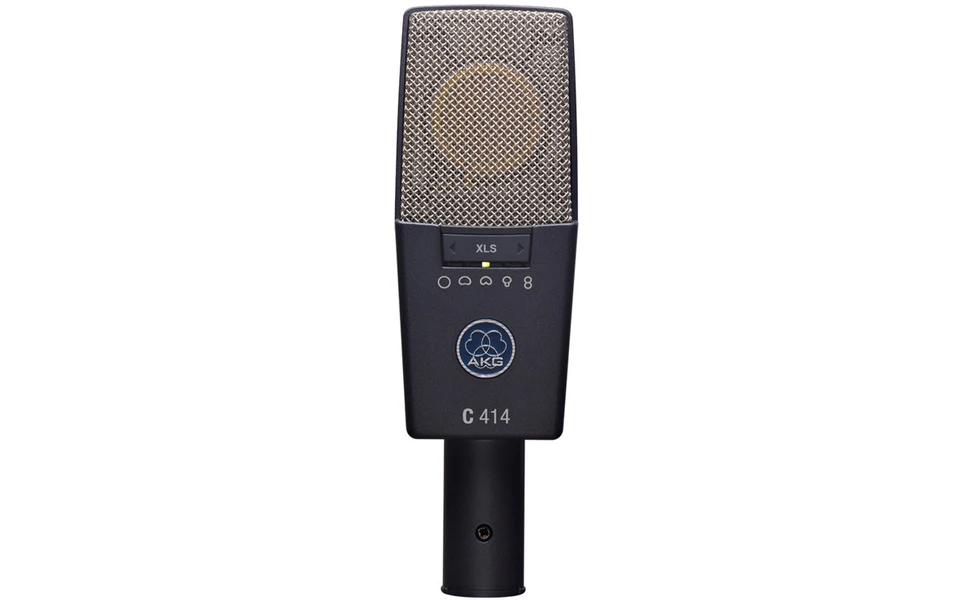
AKG 414
Because it is versatile, dependable and can cover so many sources, from vocals to acoustic guitar to drums.
I love that answer because it is practical. You can make a record with those two microphones. You can put a 57 on guitar, snare or almost anything loud, and a 414 can handle vocals, overheads, acoustic instruments and room sounds beautifully.
It is a great reminder that reliability and versatility matter.
Why Faders Still Matter
Another fantastic part of the conversation was Mike talking about control surfaces and why he still loves mixing with faders.
He mixes in the box, however he does not want to mix everything with a mouse.
His analogy was brilliant: if you walked onto a plane, turned left and saw the pilot controlling everything with a mouse, you probably would not get on that flight!
Mixing is tactile. It is physical. You need to feel the music.
Mike made a great point that when some people moved fully in the box, they started EQing more and balancing less. That really resonated with me. Before you reach for EQ, compression or automation, start with the fundamentals:
Level. Panning. Phase.
Those three things can get you a long way.
A fader makes you interact with the music differently. You can move more than one thing at once. You can rebalance instinctively. You become part of the performance of the mix.
That is something a mouse simply does not do in the same way.
Mike’s Advice To His 16-Year-Old Self
We finished with one of my favourite questions:
If you were 16 again, what advice would you give yourself?
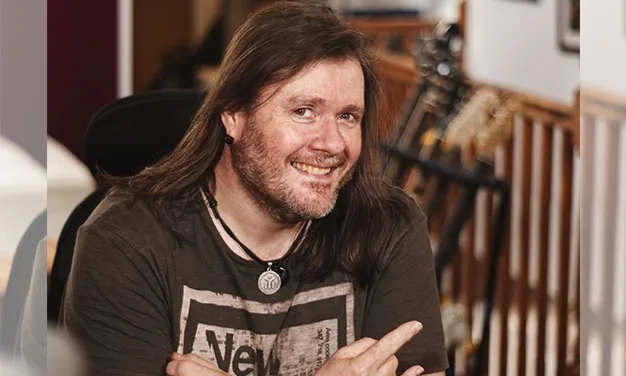
Mike’s answer was beautiful:
“Don’t be in such a hurry.”
That is something I think all of us need to hear.
It takes as long as it takes. Experience matters. The process matters. Do not be so locked into a one-year, five-year or ten-year plan that you miss the opportunities right in front of you.
Have a direction, but stay open.
That is brilliant advice for musicians, producers, engineers, mixers and honestly, anyone trying to build a creative life.
Join Us Inside Produce Like A Pro Academy
This conversation with Mike was filmed during our Rockfield Studios MasterClass, and it is exactly the kind of thing I love most about what we do at Produce Like A Pro.
It is not just about gear. It is not just about plug-ins. It is about learning directly from people who have actually made the records, solved the problems, captured the performances and lived the moments.
That is what Produce Like A Pro Academy is all about.
Inside the Academy, you get access to tutorials, multitracks, feedback, community, live events and a huge amount of real-world music production knowledge designed to help you make better records with the gear you already have.
Right now we have two absolutely marvellous Summer Sale offers running! First, you can join the Produce Like A Pro Academy for 50% off, just $99, and become part of our incredible community with tutorials, multitracks, live feedback and more: https://producelikeapro.com/academy/
We also have the Pro Mix Academy Everything Bundle with lifetime access at its lowest price ever, just $487, with 128 tutorials from 67 different mentors, covering every genre and over 300 hours of tuition: https://promixacademy.com/the-everything-bundle/
Plus, you can get 50% off Pro Mix Academy courses using the code PMA50 here: https://promixacademy.com/courses/
Have a marvellous time recording and mixing!
Please leave your questions below for future FAQ Fridays.
So long, farewell, auf Wiedersehen, au revoir!