Optical compressors have become a staple in the world of audio engineering, prized for their unique sound and operation. This blog explores what makes optical compressors special, how they work, and their applications in music production. We’ll delve into the technology behind the T4B optical cell and the different types of optical compressors available, particularly focusing on their use in professional studios.
What is an Optical Compressor?
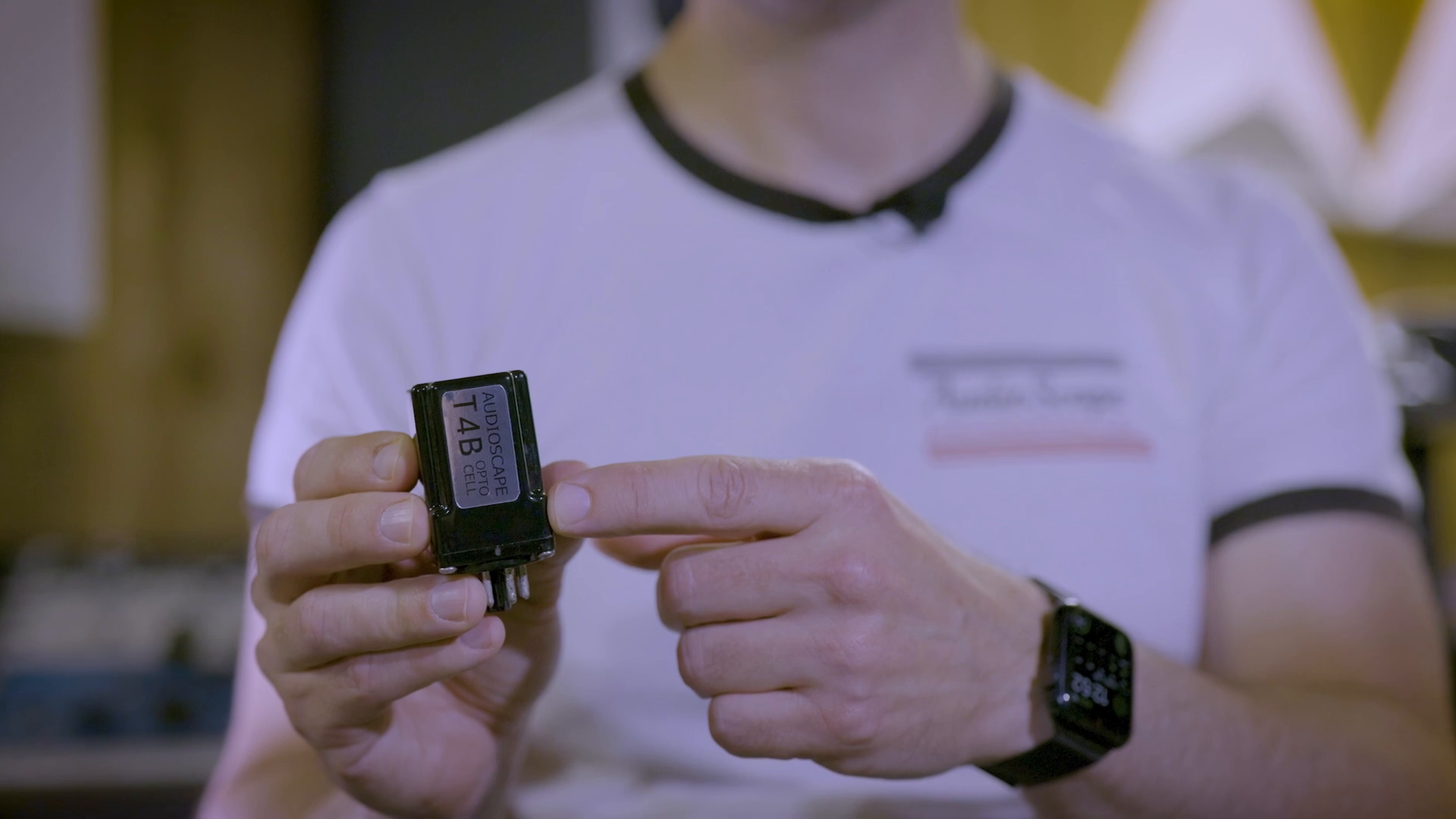
An optical compressor is a type of dynamic range compressor that uses an optical sensor to control the amount of gain reduction applied to an audio signal. At the heart of this technology is the T4B optical cell, which consists of a light source and a photoresistor. As the audio signal increases, the light intensity increases, which in turn alters the resistance of the photoresistor, thereby controlling the gain reduction.

How Does an Optical Compressor Work?
The operation of an optical compressor is relatively straightforward. When an audio signal is fed into the compressor, it triggers a light source inside the T4B cell. The brightness of this light is directly proportional to the amplitude of the incoming signal. The brighter the light, the more the photoresistor reacts, reducing the gain of the audio signal.
This mechanism allows for a smooth compression effect that is often described as warm and musical. The gradual response of the optical element helps to preserve the natural dynamics of the audio while still providing control over peaks.
The History of Optical Compressors
The technology behind optical compressors dates back to the 1960s when they were first introduced in professional audio equipment. The Teletronix LA-2A is one of the most famous examples of an optical compressor, renowned for its smooth and warm sound. In the early days, engineers embraced the tube-based designs, which provided a lush tonal quality that was perfect for vocals and instruments alike.
As solid-state technology emerged, variations of the original designs were created, leading to the development of devices like the LA-3A, which offered a different sonic character while still utilizing optical compression principles.
Key Features of Optical Compressors
Optical compressors are characterized by several key features that contribute to their unique sound:
- Warmth and Thickness: The tube-based designs produce a rich, warm sound that enhances the tonal quality of the audio.
- Smooth Compression: The gradual response of the optical cell leads to a more musical compression, making them ideal for vocals and acoustic instruments.
- Mid-Forward Presence: Many optical compressors, especially the LA-3A, are known for their ability to accentuate mid-range frequencies, making them popular for guitars and other instruments that benefit from added presence.
Applications in Music Production
Optical compressors are widely used in various aspects of music production. Here are some common applications:
- Vocals: Their smooth compression characteristics make them a favorite for vocal tracks, helping to control dynamics while adding warmth.
- Guitars: Electric and acoustic guitars can benefit from the mid-forward presence that optical compressors provide, making them stand out in a mix.
- Bass: The ability to handle low frequencies well makes optical compressors a great choice for bass guitars, allowing for a thick and punchy sound.
Understanding the Components
At the core of every optical compressor are several crucial components that contribute to its functionality:
- T4B Optical Cell: This is the heart of the compressor, consisting of a light source and a photoresistor that detects the light intensity.
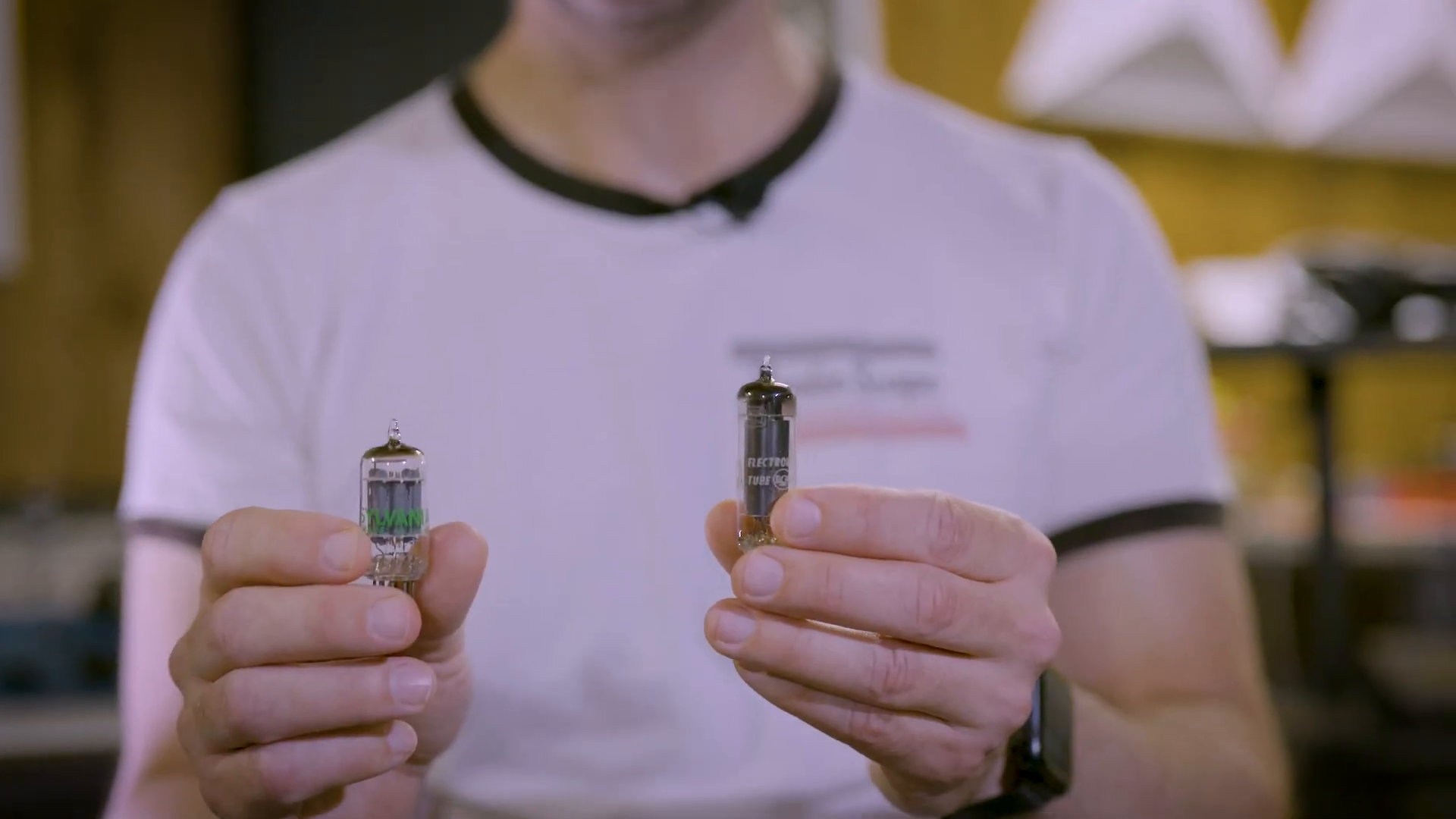
- Tubes: Many optical compressors utilize tubes for their warm sound and dynamic response. The LA-2A, for example, employs multiple tubes in its signal path.
- Transformers: Transformers play a significant role in shaping the sound and impedance matching within the compressor.
Choosing the Right Optical Compressor
When selecting an optical compressor, consider the following factors:
- Sound Character: Different models provide different tonal qualities. For instance, the LA-2A is known for its warm sound, while the LA-3A offers a brighter, more punchy tone.
- Application: Determine what instruments or vocals you will be using the compressor on. Some compressors excel with certain sources; for example, the LA-2A is often recommended for vocals.
- Budget: High-end models can be quite expensive, so it’s essential to find a compressor that fits your budget while still meeting your needs.
Conclusion
Optical compressors are an invaluable tool for any audio engineer, offering a unique combination of warmth, smoothness, and dynamic control. Understanding how they work and where to apply them can significantly enhance your music production process. Whether you’re tracking vocals, guitars, or bass, incorporating an optical compressor into your setup can elevate your sound to new heights.
For more insights into audio production and the latest gear, stay tuned for our upcoming posts!