Whenever I sit down with Bob Clearmountain I know we are going to end up talking about David Bowie. This time it was Bob who mentioned Ashes to Ashes first. The moment he brought it up my eyes lit up because we both absolutely love that song. In fact it sparked the entire conversation that followed. Ashes to Ashes has been one of my favourite tracks for as long as I can remember and I have used it more than any other song when I am trying to coax personality out of a vocalist.
When someone sings me something perfectly in tune and in time I will say, give me some personality. Most singers look at me slightly puzzled until I play them Ashes to Ashes. Within the first minute Bowie gives you four completely different voices. Four different characters. It is a masterclass in how the human voice can tell a story far beyond pitch and timing. It is theatre, film and emotion wrapped inside a pop song.

Bob feels exactly the same. As soon as he mentioned the track we both fell into this shared admiration for how Bowie never settled for one vocal identity. He preferred to inhabit different personas, sometimes within one verse, sometimes within one line. That kind of fearless creativity is rare. It changed the way I produce singers and it changed the way Bob captured them.
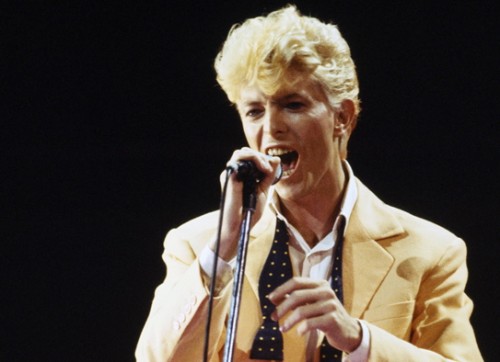
Which brings us to the incredible Modern Love story.
Bob told me that when Bowie came in to record the lead vocal he walked out into the live room and started singing it in his deep Anthony Newley voice. That classic theatrical crooner tone he used early in his career. Bob hit record. Bowie powered through the first verse, full Newley vibrato, and then suddenly stopped and said through the talkback, hang on a sec, can you play that back for me.
Bob ran it from the top. Bowie stood there listening, head tilted, taking in every nuance. Then he said, right, let us do it one more time. He stepped back out in front of the mic. Bob hit record again. What came out next was completely different. Up the octave. Full energy. Shouting the hook with that wonderful bright Bowie intensity we all know. It was like someone else had walked into the room. A completely new character. A completely new approach. Same singer. Same song. Two entirely different worlds.
That is what made Bowie so special. He did not just sing songs, he embodied them. His voice was an instrument of reinvention. He treated recording like performance art. If a vocal felt too safe he would change character. If a tone felt too clean he would distort it emotionally. He trusted instinct more than perfection and because of that every take had a kind of electricity that producers dream of capturing.
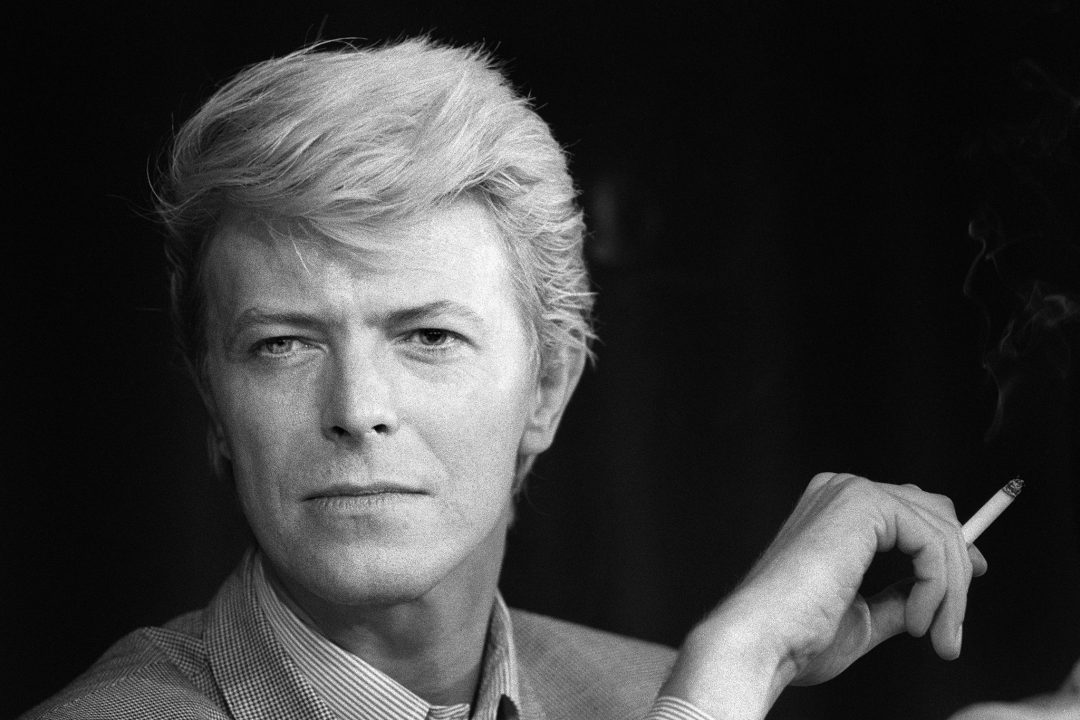
To this day whenever I am in the studio coaching a singer who is playing it too safe I think of that moment Bob described. Bowie hearing himself in one voice, deciding he did not like it, and without hesitation transforming into a completely different version of himself. It reminds me why I love making records. It reminds me why Bowie still means so much to all of us. He gave permission to be bold, to explore, to act, to shapeshift. He made pop music theatrical and deeply human at the same time.
Bob and I agree on many things, although nothing more than this. The world needs more artists willing to take risks the way Bowie did. More singers willing to find their personality. More moments like the one in Modern Love where a great artist says, hang on, let me try something completely different.
And as producers and engineers all we can do is keep the tape rolling and enjoy watching magic happen.