Dan Malsch may have one of the most enviable jobs in modern rock music, he’s the trusted right-hand man to mixing legend Andy Wallace, helping bring albums from the likes of Ghost, Gojira, and Avenged Sevenfold to life. Yet, his path into Wallace’s world wasn’t a calculated career move. It was, in Dan’s words, “a totally random way of meeting Andy Wallace.”

From Casual Conversation to Career Collaboration
It all started when a mutual friend, Steve Ertle, hosted Wallace at his hotel during one of Andy’s annual car tours. Dan met Wallace’s wife over drinks and casually asked what her husband did. “Oh, he works in music,” she said. When the name Linkin Park came up, Steve quickly realised who Andy was and urged Dan to come meet him.
Despite initial hesitation about bothering someone on holiday, Dan eventually met Andy late one evening. They didn’t talk shop, instead, they simply connected. Andy knew Dan had a local studio, and soon after, during the pandemic, he reached out needing a space outside of Miami’s bustling Criteria to mix Gojira’s record.
Dan was thrown into the deep end, but it worked. Templates and session routing came from Andy’s longtime assistant, and the collaboration stuck.
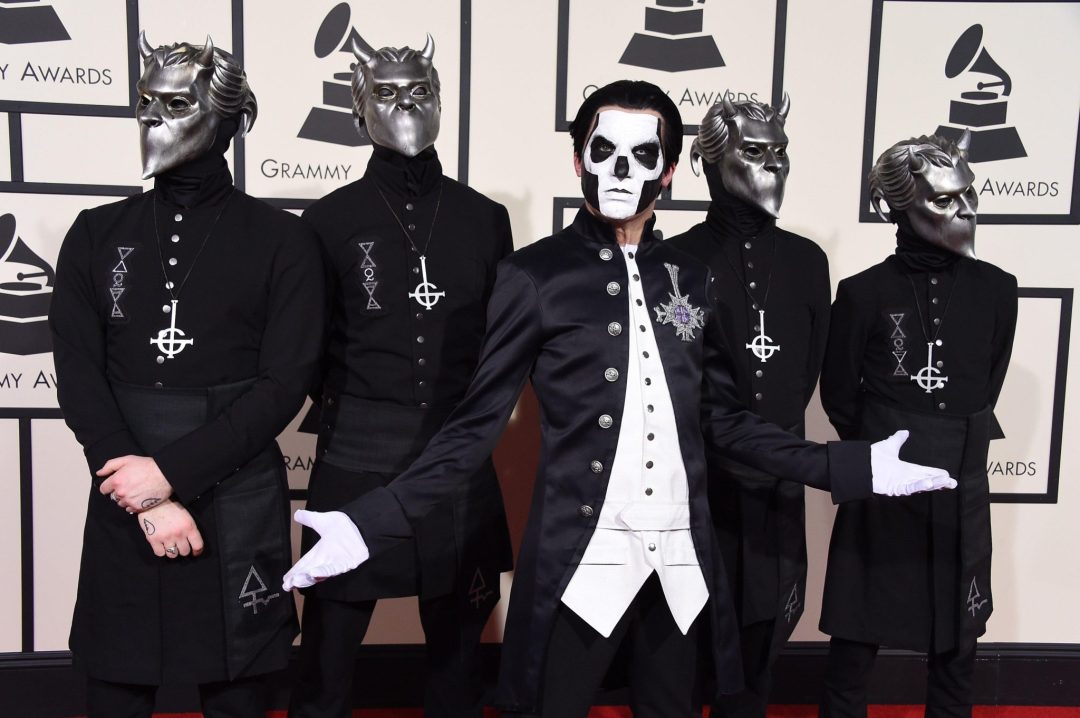
Mixing Ghost with Andy Wallace
Dan and Andy’s partnership went from strength to strength, notably with their work on Ghost’s Impera, which hit number two on Billboard, and most recently, Impera’s follow-up, Skeleta. Tobias Forge, Ghost’s mastermind, has worked with Andy on several records, but Dan’s role has grown integral.
Typically, producers send Pro Tools sessions to Dan, who ensures all plug-ins are intact and the session mirrors the production team’s intentions. He gets the mix up on the SSL console, often beating the demo before Andy even arrives.
Andy then steps in with his trademark finesse, “balancing mastery,” as Dan calls it, using nothing more than SSL EQ and compression. No 1176s, no limiters, just gentle, precise tweaks.
The Master Bus Debate
Asked how Andy approaches the master bus, Dan offers a knowing grin, “He brutalises it.” While Dan prefers inserting a DW Fearn tube comp for weight or occasionally a BetterMaker EQ, Andy keeps it spartan, just the SSL 4K compressor, slammed with authority. “If the threshold knob could go further right, we’d use it.”
This hands-on, ear-driven style reflects Andy’s overall approach. He doesn’t reach for surgical EQ moves or fuss over frequencies. “Sometimes he’ll just say, ‘take the green knob down a bit,’” Dan laughs. “He’s all ears. That’s what makes his work feel so alive.”
The Power of Muting
Another Wallace hallmark? Ruthless muting. “He’ll look at a session with five guitars and go, ‘What’s that one doing? Let’s mute it.’” While Dan sometimes plays diplomat with bands or producers missing their favourite parts, he’s come to admire Andy’s clarity of vision, “If it’s not helping the song, it’s gone.”
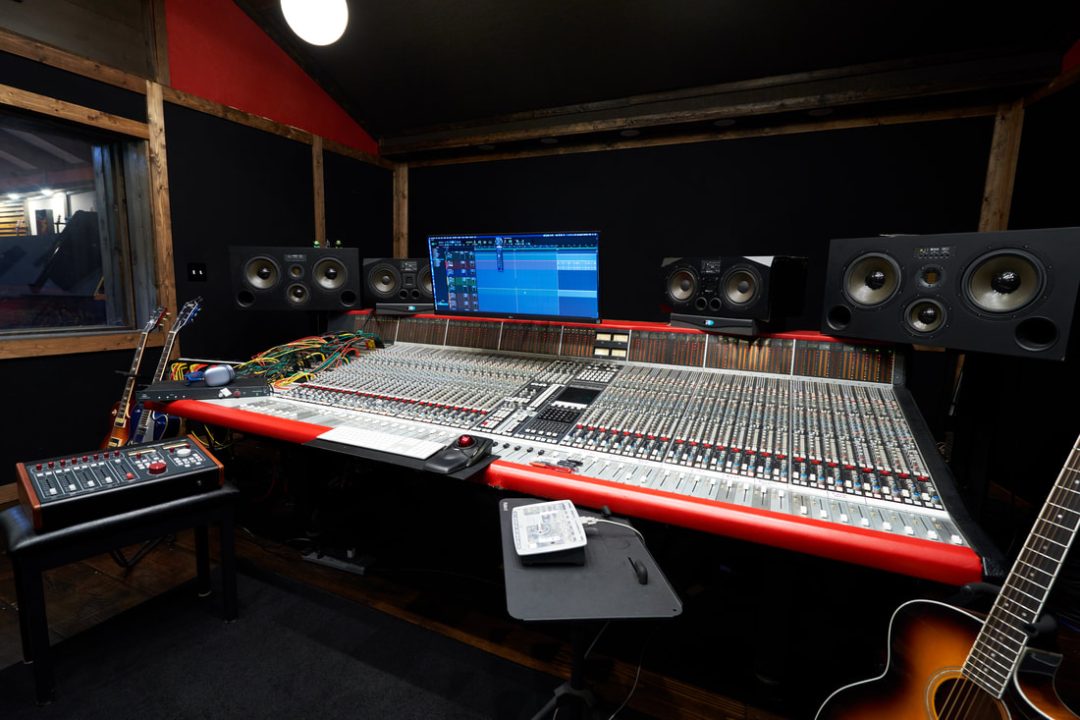
SSL 4K vs Duality: Adapting Under Pressure
When Tobias requested mix tweaks in Stockholm, Dan had to pivot. There were no studios available with an SSL 4000, only a Duality. “No console recall, no Andy. I was stressing,” he admits. But in the end, the Duality’s sharp EQs and clarity served the mixes well. The record sounds more open, perhaps a little cleaner, but no less powerful.
The first song mixed in Stockholm, “Satanized,” sealed the deal. Tobias was so thrilled, they ended up remixing the entire album on the Duality over three weeks.
The Chorus Bass Trick and Other Mix Secrets
One of Andy’s signature moves is a stereo chorus on bass using an SPX90. A mono bass track runs down the middle, while a chorused version blends in subtly, more in choruses, less in verses, creating that “bigger than life” sound without muddying the mix.
Dan shares that while they mostly stick to traditional tools, SSL, UAD LA-2As, 1176s, they also use modern plugins like Soothe and FabFilter for mix clarity. The final mixes are limited with FabFilter Pro L2 for band approval before being mastered by Ted Jensen.
Tracking Philosophy and Bass Techniques
When recording bass, Dan always uses a BAE 1073 DI for low-end girth and combines it with gritty SVT amp tones. He might even add a RAT pedal for midrange growl, miking with a FET47 and a Soyuz condenser for room detail, blended and phase-aligned. For compression, he relies on Audioscape’s Opto and V-Comp units.
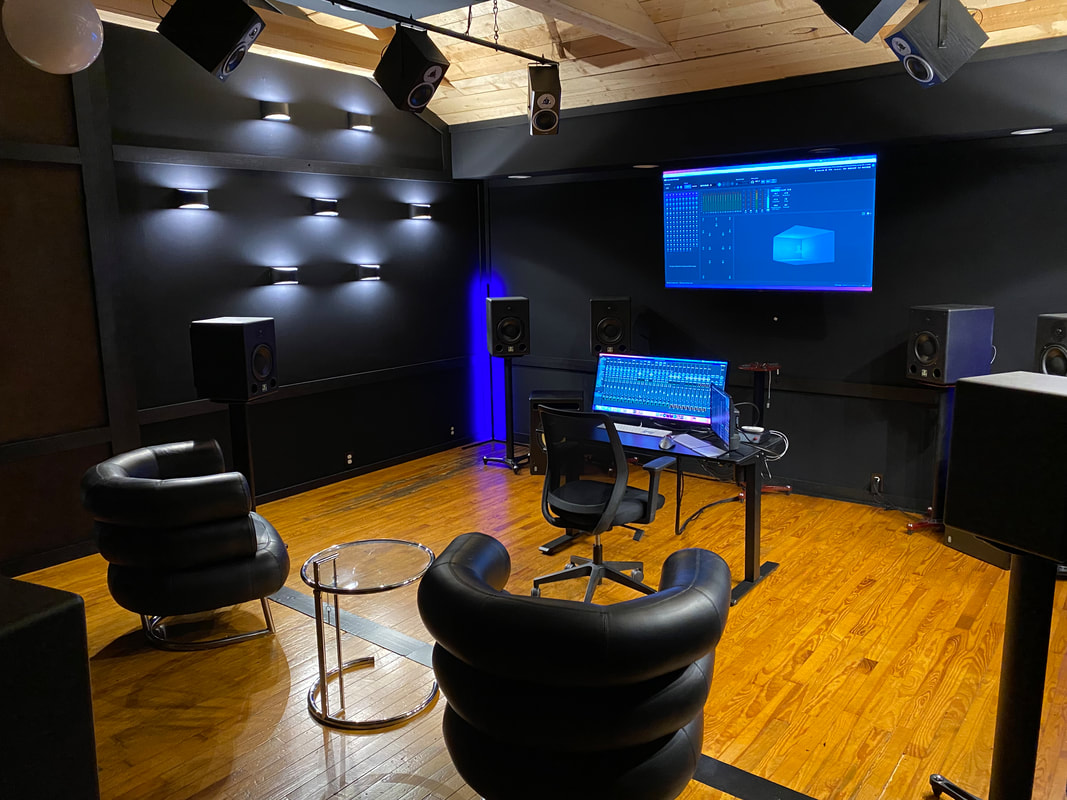
On Atmos Mixing: A Baptism by Fire
Dan’s foray into Atmos came with Ghost’s Impera, and he’d never mixed in Atmos before. “I told the label I did Atmos all the time,” he admits, “then had to rig up a system fast.”
Despite his inexperience, the Atmos mixes received zero revisions and were so good Dolby now uses Call Me Little Sunshine as a rock Atmos demo. Today, he’s built a dedicated Atmos room and handles about half a day’s worth of Atmos mixing each week.
Teaching the Next Generation
Dan also runs Soundmine Recording Academy out of his Poconos studio, offering intimate classes in both stereo and Atmos mixing. His pole barn studio is packed with vintage gear and has become a hub for hands-on learning, though he admits his mixing schedule often keeps classes limited to just a few a year.
A Workaholic with Perspective
Despite the accolades and chart-topping success, Dan remains grounded. “You wake up and just keep doing what you did the day before,” he says. “Maybe I should celebrate more, but I just love the work.”
It’s clear that whether he’s in a studio in Pennsylvania or Stockholm, working with a rock icon or teaching students, Dan Malsch is always mixing with his ears, and with heart.
🎧 Want to hear the magic for yourself?
Stream the new Ghost record Skeletá and experience Dan and Andy’s sonic wizardry firsthand.
🎓 Interested in learning directly from Dan?
Check out Soundmine Recording Academy for upcoming classes and immersive learning experiences.
✉️ Got questions or fan love to share? Let us know in the comments!