Few compressors have had the impact of the 1176. Originally designed by Bill Putnam and introduced in the late 1960s, the 1176 was one of the first major solid-state limiting amplifiers, built around FET gain reduction rather than tubes. That design gave it something engineers had been chasing for decades, speed.
The 1176 is famous for its incredibly fast attack and release times. At its quickest, the attack can grab transients almost instantly, while the release can recover fast enough to create that urgent, exciting push and pull that has become part of the sound of countless records. It can control a vocal, pin down a bass, add length and aggression to a snare, or absolutely destroy a drum room in the best possible way.
That is why the 1176 has remained so important. It is not just a vintage classic sitting in a rack for nostalgia. It is still one of the most useful compressors in modern music. Rock, pop, metal, hip-hop, country, indie, you hear the fingerprints of the 1176 everywhere. It can be clean enough to control a source, coloured enough to add attitude and fast enough to make a performance feel more alive.
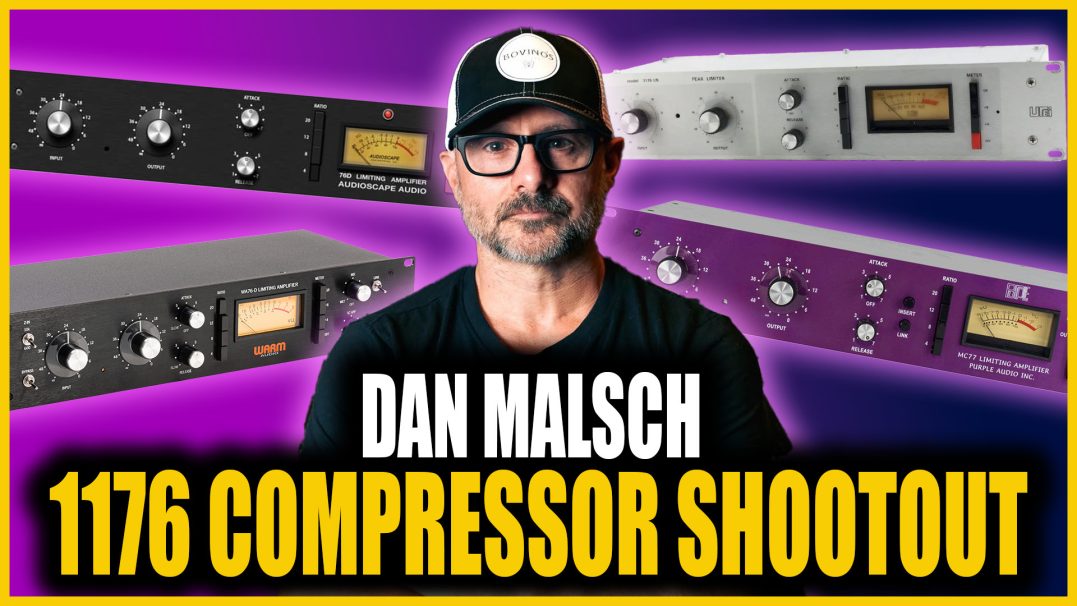
In this shootout, producer and mixer Dan Malsch takes us through six different 1176 and 1176-style compressors from his own studio. This is not a laboratory test. It is not designed to be a perfectly scientific comparison. Instead, it is far more useful, it is how Dan actually uses these compressors every day when recording and mixing.
Dan also created downloadable multitracks for this shootout so you can hear the differences for yourself inside your own DAW. For each compressor, he printed vocal, snare and bass examples, all at 4:1, with a medium attack and fast release. That means you are not just reading about the differences, you can actually pull the files into your own session, level match them, compare them, loop sections and decide which flavour of 1176-style compression speaks to you.
Download the multitracks here:
https://producelikeapro.lpages.co/dan-malsch-1176-shootout-form/
Dan makes it clear right from the start. He records with 1176s, mixes with 1176s and owns all of the units in the shootout. His goal is simple, to show how each one reacts on real sources in a real mix situation.
The song used for the shootout is “Spirit of the Dead” by Sisters of the Black Mountain. Dan chose it because the vocal needed a lot of 1176 compression to sit above the track. That makes it a perfect example of how these compressors work in the real world, especially when you are trying to push a vocal forward in a dense rock mix.

Dan’s Approach To The 1176
One of the most interesting things about Dan’s approach is how aggressive he is with the 1176.
He does not treat it as a gentle one or two dB compressor. For him, the 1176 is not usually a light touch tool. He tends to hit it hard, especially on vocals, bass and snare. That is where the character comes alive.
On vocals, Dan usually starts with a medium attack and the fastest release. The fast release is a huge part of the sound for him because it gives the performance urgency. You hear the compressor grab the vocal, let go quickly and then almost breathe with the singer. That movement is one of the reasons the 1176 has become such a go-to vocal compressor.
For the downloadable comparison files, Dan kept the settings consistent across the printed examples: vocal, snare and bass, all at 4:1 with a medium attack and fast release. That gives you a really useful reference point because you can focus on the tone, behaviour and feel of each compressor rather than wondering whether the differences are coming from completely different settings.
He also points out that most of the time he is using the 4:1 ratio. Unless he is doing something like an all-buttons-in drum crush, 4:1 is his preferred setting for the way he works. It gives control, aggression and movement without turning everything into hard limiting.
Another key point Dan comes back to again and again is the relationship between attack and transient. On bass and snare especially, if the attack is too fast, the front of the note disappears. The source gets dull. Slow the attack down a little and suddenly the instrument opens back up.
That is one of the great lessons from this shootout, the 1176 is fast even when it is set slow. You do not have to crank the attack to maximum to get control. In fact, doing that can often remove the very thing that makes the source exciting.
The Six Compressors In The Shootout
Dan compares six units:
Warm Audio WA76 Audioscape 76D Audioscape 76A UREI 1176LN Revision F Blackface UREI 1176LN Revision H Silverface Purple Audio MC77
Some of these are modern recreations of classic 1176 revisions. Two are original UREI units. The Purple Audio MC77 is slightly different, because Dan describes it as Purple’s own take on the 1176 rather than a straight vintage recreation. However, it absolutely belongs in the shootout because it is built around that same 1176-style concept of fast, FET-based compression.
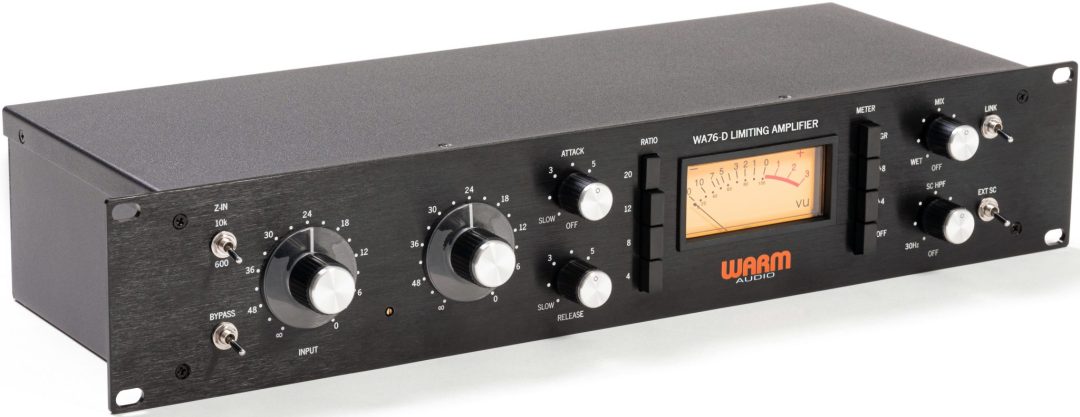
Warm Audio WA76
The first compressor Dan checks out is the Warm Audio WA76.
On the vocal, Dan starts with a medium attack and fastest release, getting around 7 dB of compression on the loudest parts. As he drives the input harder, the vocal starts to take on more of that classic 1176 aggression. It gets pushed forward and begins to sound more urgent, exactly the quality Dan is looking for.
On bass guitar, he slows the attack down slightly because he does not want to chop off the front of the note. He also backs the release off a little from the fastest setting. The result is a bass that feels controlled without losing too much of its initial attack. The compressor clamps down quickly enough to hold the bass in place, however it still lets the note speak.
Get the Warm Audio WA76: https://sweetwater.sjv.io/gOor52
On snare, Dan goes straight to the fastest release. This is one of his consistent choices throughout the shootout. For him, fast release on snare helps bring back the ring, length and excitement of the drum. When the attack gets too fast, it cuts off the transient, so he slows it down until the snare opens up again.
The WA76 gives him what he wants, control, smack and the familiar 1176 attitude.
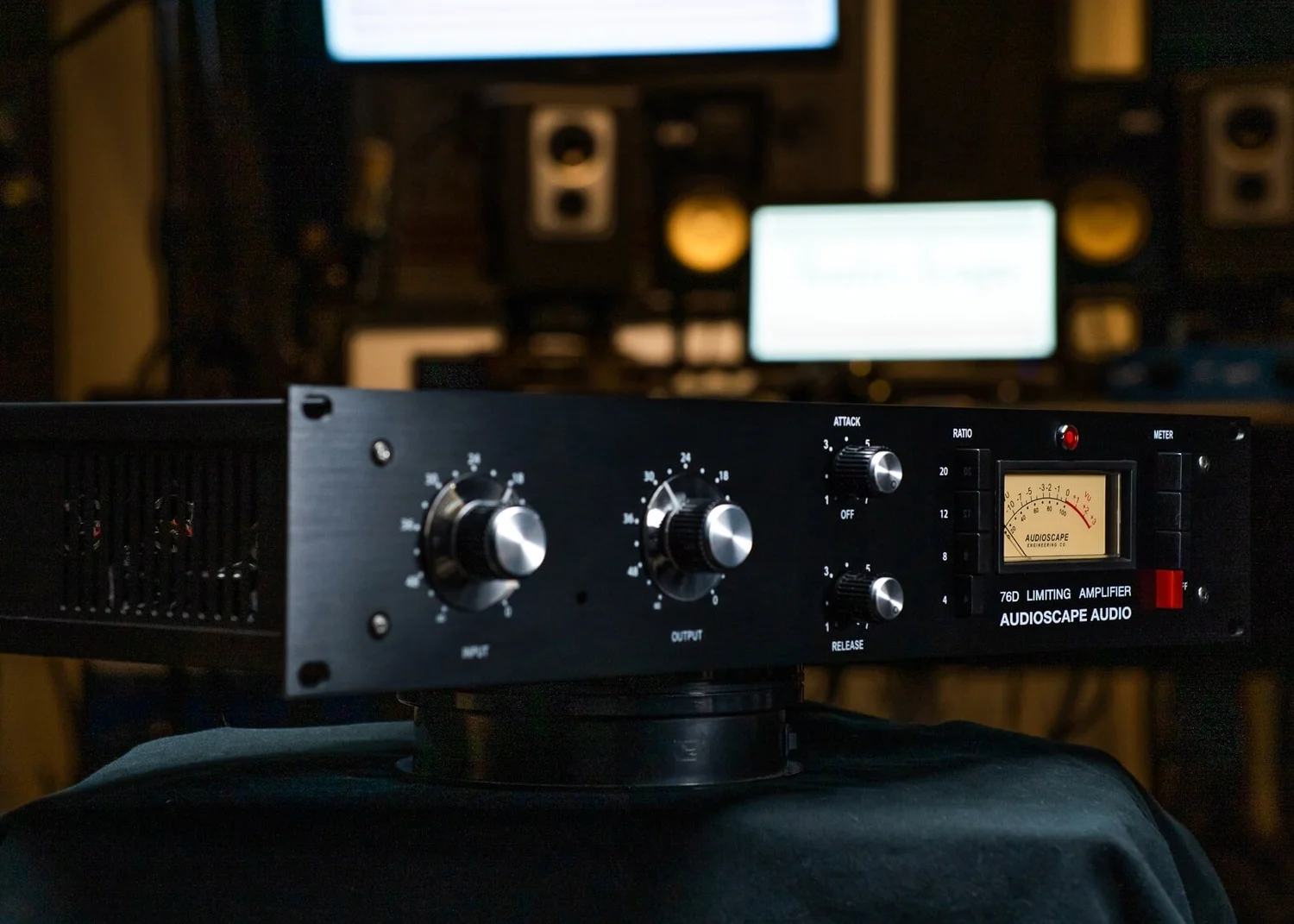
Audioscape 76D
Next up is the Audioscape 76D, and Dan makes it clear that he is a big fan of Audioscape.
On vocal, the 76D gives him the classic 1176 movement. As he increases the input, the compressor adds drive and urgency. The vocal comes forward, sounding controlled yet still alive.
On bass, Dan loves how the 76D locks the instrument down. This is one of the things 1176-style compressors do so well. They can hold a bass in place without making it feel static. The trick, again, is not to destroy the attack. Dan slows the attack slightly until the bass opens up while remaining controlled.
On snare, the 76D delivers a beautiful shape. With fast release, the ring and body of the drum stay alive. When Dan slows the release down, the snare immediately loses energy. It does not recover quickly enough, and the drum feels smaller and deader. As soon as he puts the release back to fast, the snare comes back to life.
This is one of the clearest demonstrations in the video of why release time matters so much on drums. The right release does not just control the level, it changes the length and attitude of the drum.
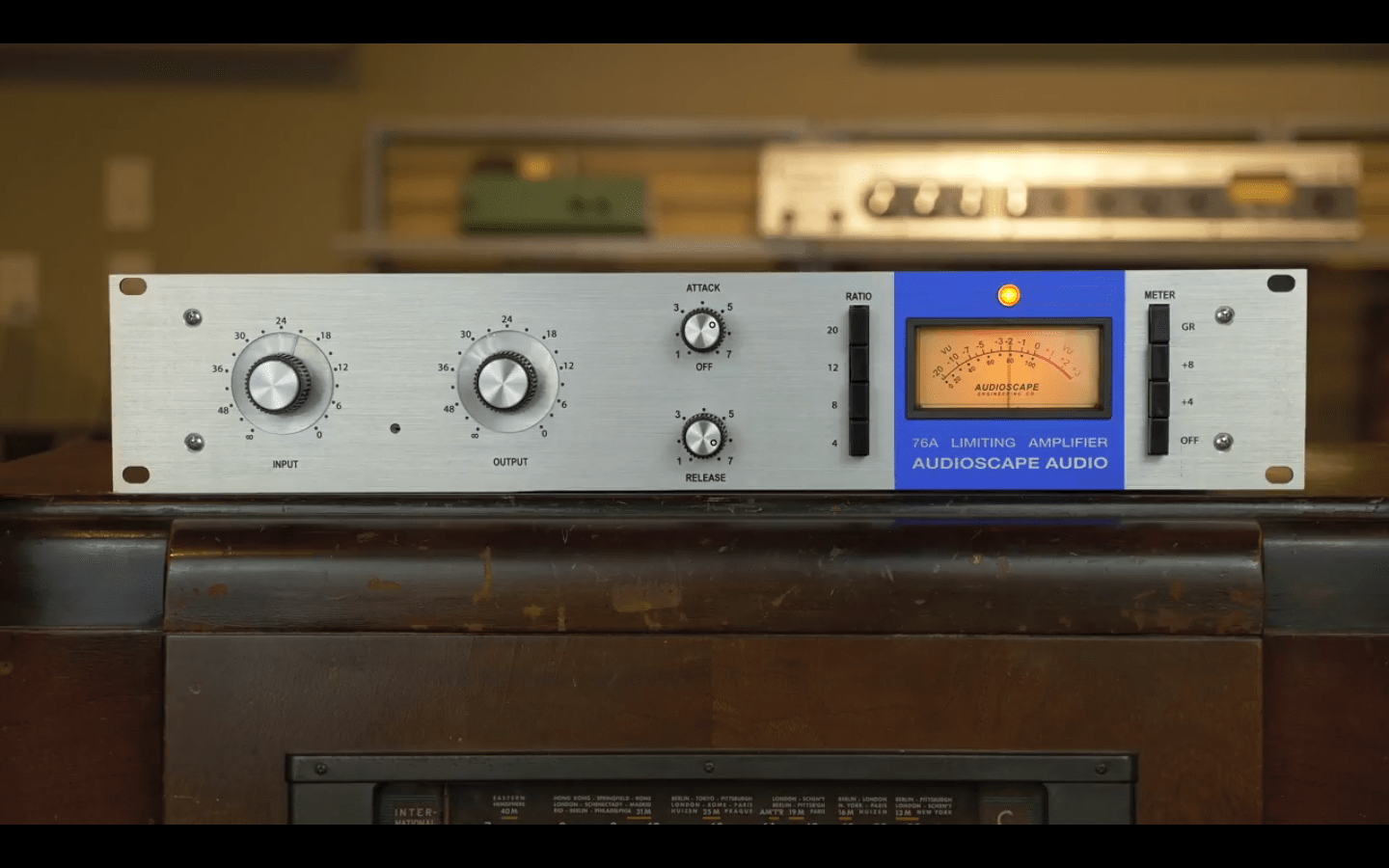
Audioscape 76A
The Audioscape 76A brings a different flavour.
Dan immediately notices the mid-range aggression, especially on vocals. He describes it as one of his favourite vocal compressors, and you can hear why. When pushed harder, it gives the vocal a forward, energetic character that works brilliantly in a rock mix.
This is the kind of compression that does not just control the vocal, it helps the vocal fight for its place. That is a big part of what makes the 1176 so useful. It is not always about transparency. Sometimes the point is attitude.
Get the Audioscape 76A: https://www.audio-scape.co.uk/rack-products/p/76a
On bass, the 76A keeps that mid-range aggression. Dan is careful with both attack and release. If the release is too slow, the bass dulls down. If the attack is too fast, the first part of the note disappears. Once he finds the sweet spot, the bass feels solid and present.
On snare, the 76A is another great reminder that fast release is often the key. Slow release makes the drum dull. Fast release brings back the smack. Dan pushes the input, checks the output and finds the place where the snare is controlled while still retaining the transient.
The 76A sounds exciting, forward and aggressive. For vocals and snare in particular, that mid-range bite can be exactly what a dense rock production needs.
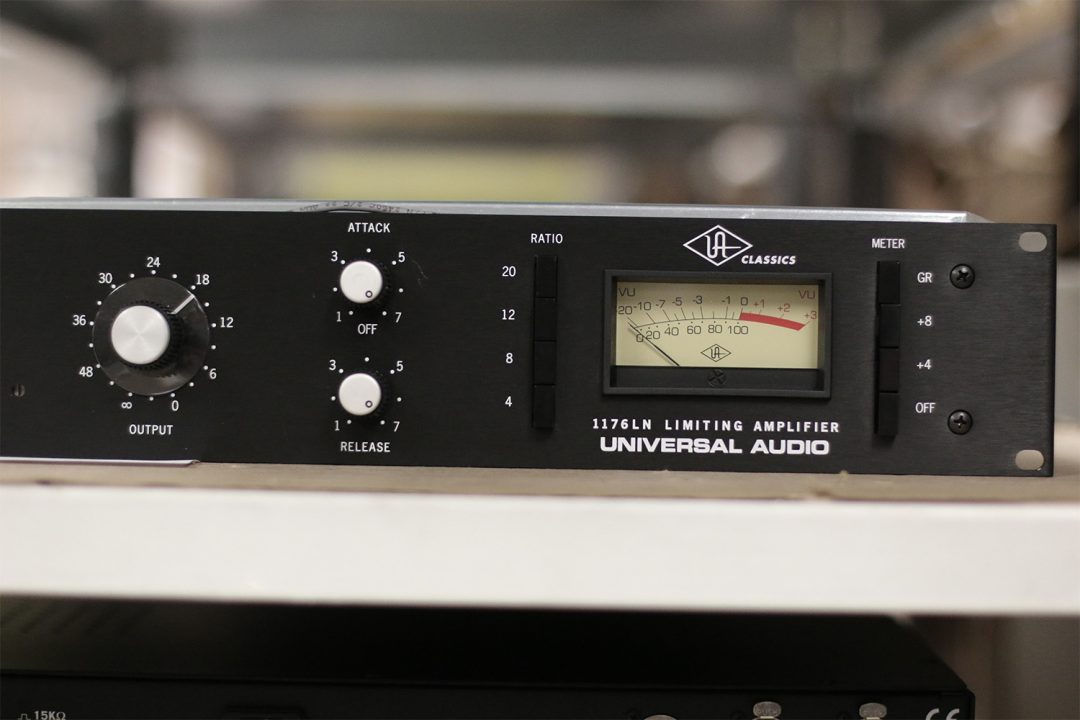
UREI 1176LN Revision F Blackface
The fourth compressor is a real classic, a mid-1970s UREI 1176LN Revision F, commonly known as a Blackface.
Dan uses this compressor daily on vocals, recording and snare drum. It is clearly a favourite, and it brings a different tone from the newer recreations.
On vocal, the Blackface sounds slightly darker. Dan suggests that may be partly due to its age, however it has a beautiful character. When he slows the release too much, the vocal starts to dull down. When he speeds it back up, the vocal opens up again. The same thing happens with attack. Too fast and the vocal loses life. A medium attack works best.
This is a great point for anyone learning to use an 1176. The controls are simple, however the interaction between input, output, attack and release is everything. A small change can make a vocal feel more open, more urgent, more controlled or more crushed.
Get the Audioscape 76D: https://www.audio-scape.co.uk/rack-products/p/76d
On bass, the Blackface has a lot of vibe. Dan again shows that too fast an attack dulls the bass, while a slower attack lets it breathe. He also backs off the input slightly because, as he reminds us, there is no threshold control on an 1176. More input means more compression.
On snare, the Blackface sounds darker than the previous compressors, especially compared with the brighter, more mid-forward 76A. However, it still gives that classic 1176 snap and control. With the release fast and the attack set carefully, the snare opens up and gains length.
The Revision F has that vintage weight and tone. It may not be the brightest unit in the shootout, however it has unmistakable character.
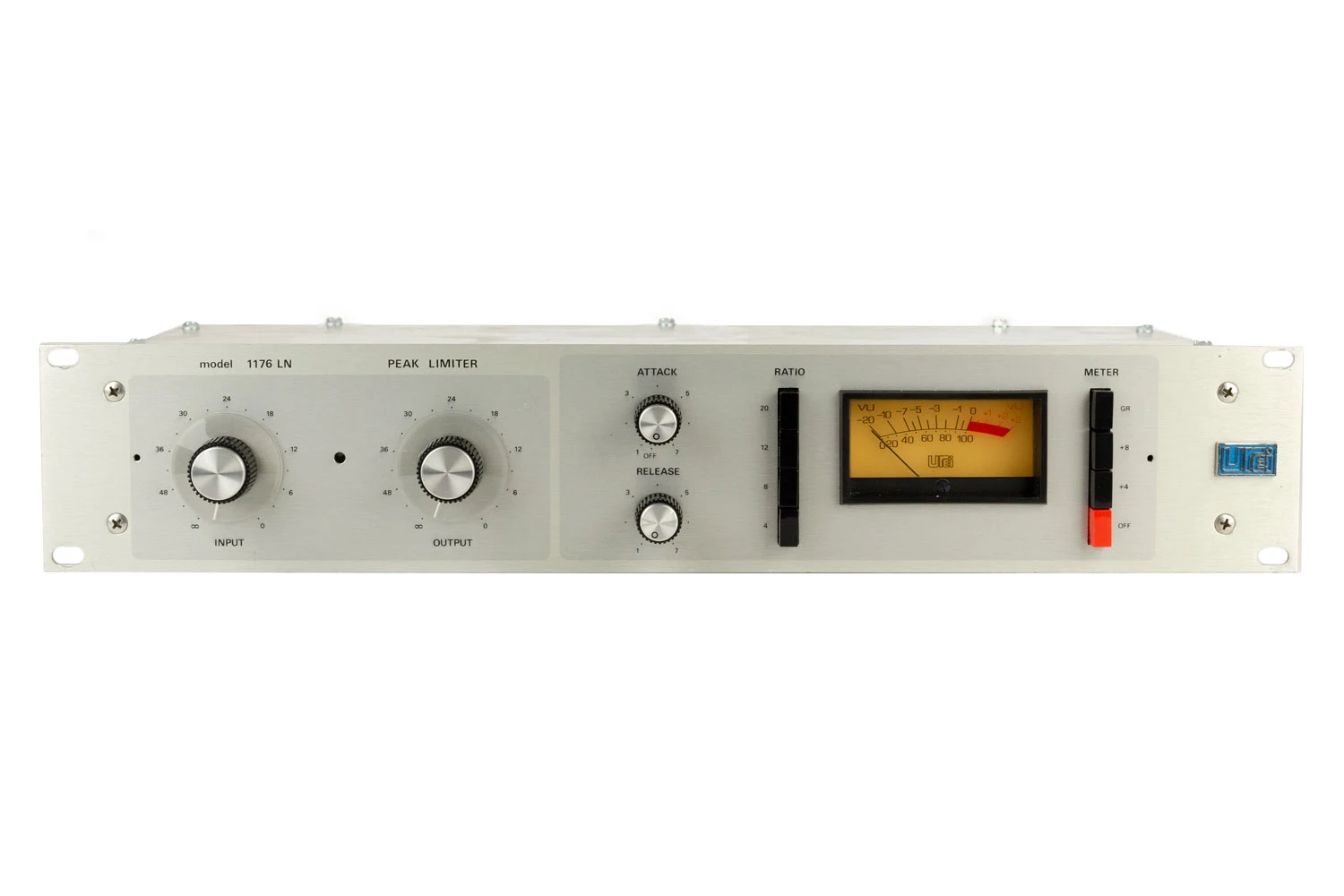 UREI 1176LN Revision H Silverface
The fifth compressor is a UREI 1176LN Revision H from the late 1970s or early 1980s, known as the Silverface.
On vocals, the same lessons apply. Faster release helps the vocal come alive. Slower release makes it feel smaller and duller. Slowing the attack a little opens the vocal up.
One of Dan’s big takeaways is that all of these compressors share the 1176 vibe, however each one has its own subtle differences. None of them are bad. They are all useful. They all do the 1176 thing, however they each lean in a slightly different direction.
Get the Universal Audio 1176LN: https://sweetwater.sjv.io/rQbrZB
On bass, the Silverface feels great. Dan uses it to hold the bass down, keeping it rock solid in the track. He says that if he could only have two compressors, they would be an 1176 and an LA-2A. With those two, he could make every record.
That is a huge statement, however it makes sense. The LA-2A gives you smooth, slow optical levelling. The 1176 gives you speed, attack, aggression and control. Between those two, you can cover an enormous amount of ground.
On snare, the Silverface makes the release lesson even more obvious. Slow release kills the ring. Fast release brings it back. Dan pushes the input, watches the transient, adjusts the attack and finds the point where the snare has length and impact.
Again, this is not about using settings from a chart. It is about listening.
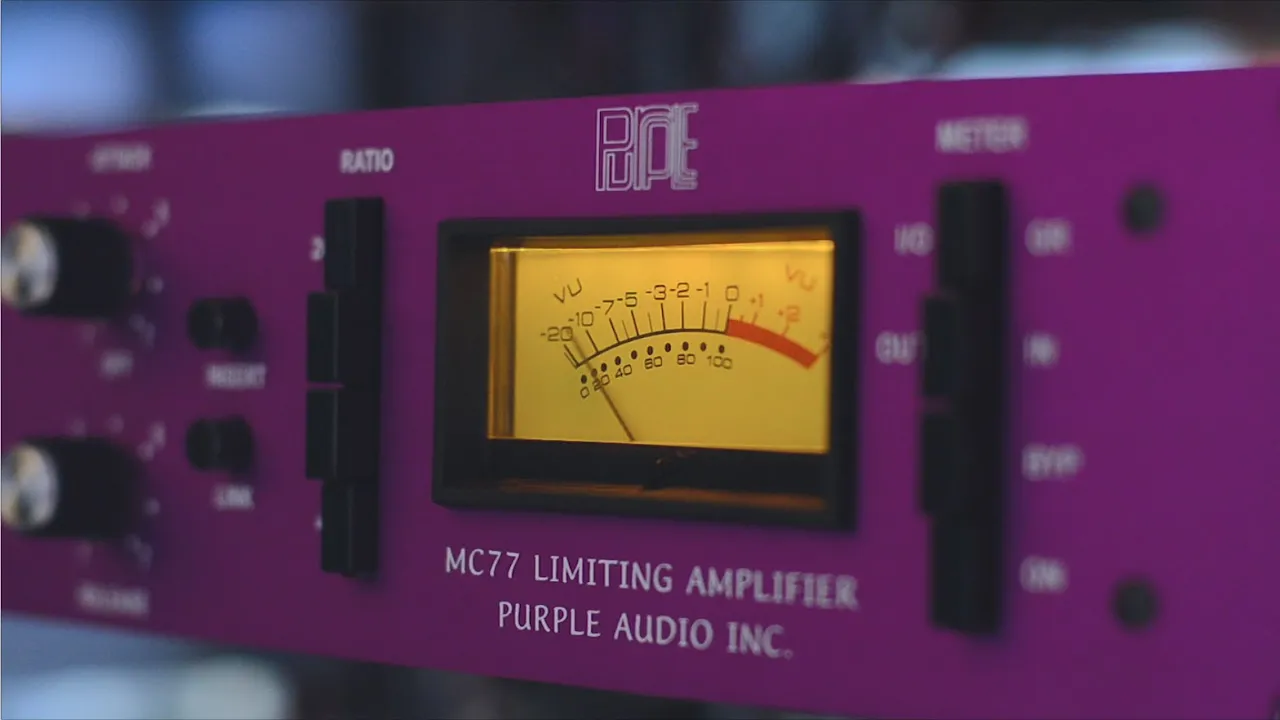
Purple Audio MC77
The sixth and final compressor in the shootout is the Purple Audio MC77.
This one is slightly different. Rather than being a strict vintage recreation, it is Purple Audio’s own take on the 1176 concept. It also adds useful features, including stereo linking and sidechain insert options, allowing you to insert an EQ into the sidechain path.
Right away, Dan hears something different. The MC77 has a more hi-fi quality, with a nice top end and a strong mid-range. It still does the 1176 thing, however it feels slightly more modern and extended.
Get the Purple Audio MC77: https://sweetwater.sjv.io/5gLE6D
On vocal, slowing the release still dulls the sound, however not as dramatically as on some of the other units. When Dan pushes the input harder, the MC77 clamps down on the words, giving the vocal control and intensity.
On bass, he again backs off the input and looks for the sweet spot. Too fast an attack dulls the source. A slightly slower attack lets the note through while the compressor holds the bass steady. At around 10 dB of compression on the loudest parts, the bass feels rock solid.
On snare, Dan uses the fastest release again. Slow release kills the ring. Fast release brings back the energy. Even when the attack is a little too fast, the MC77 does not seem to dull the snare as drastically as some of the others, however Dan still backs it off until the drum opens up.
The MC77 sounds excellent, with the familiar 1176 aggression alongside a slightly more polished top end.
What The Shootout Really Shows
What makes this shootout valuable is not just hearing which compressor sounds brighter, darker, punchier or more hi-fi. The bigger lesson is how Dan uses them.
He is not afraid to compress hard. He is not using the 1176 as a polite utility box. He is using it as a tone shaper, a movement maker and an energy device.
On vocals, he uses the 1176 to push the performance forward and create urgency.
On bass, he uses it to hold the instrument in place while preserving enough attack to keep the part alive.
On snare, he uses it to add control, smack and length, with fast release bringing the drum back to life after every hit.
Across the whole shootout, one principle keeps coming up, the fastest settings are not always the best settings. The 1176 is already incredibly fast. If you go too fast on the attack, you can cut off the transient and make the source smaller. If the release is too slow, the compressor does not recover in time and the sound can become dull or lifeless.
The magic is in finding the spot where the compressor grabs the source, lets go musically and enhances the performance.
Download The 1176 Shootout Multitracks
One of the best parts of this shootout is that Dan did not just talk about the compressors, he created multitracks so you can compare them yourself.
For each compressor, Dan printed vocal, snare and bass examples using consistent settings: 4:1 ratio, medium attack and fast release. That makes the download incredibly useful because you can pull the files into your own DAW and hear the differences in tone, attack, sustain, brightness, darkness, aggression and overall feel.
This is where the shootout becomes more than a video. You can level match the files, loop the same phrases and really hear what each compressor is doing. Some differences are subtle. Some are more obvious. However, when you listen in your own environment, you start to understand why engineers become so attached to specific revisions, recreations and modern interpretations of the 1176.
Download the multitracks here:
https://producelikeapro.lpages.co/dan-malsch-1176-shootout-form/
Why The 1176 Still Matters
More than fifty years after its introduction, the 1176 is still everywhere because it solves real musical problems quickly.
Need a vocal to sit in front of a dense mix? An 1176 can do it.
Need a bass to stay consistent without losing energy? An 1176 can do it.
Need a snare to hit hard, ring out and stay controlled? An 1176 can do it.
Need a drum room to explode? Push all the buttons in and enjoy the chaos.
That combination of speed, tone, simplicity and attitude is why the 1176 remains one of the most important compressors ever made. It is not just a piece of studio history. It is still a modern production tool, used every day by mixers and producers making heavy, exciting, emotional records.
Dan’s shootout proves that while every 1176-style compressor has its own flavour, the core idea remains the same. Fast attack, fast release, input-driven compression and a sound that can go from controlled to aggressive in seconds.
Whether it is a vintage UREI, a modern recreation or a newer interpretation like the Purple Audio MC77, the 1176 remains one of those rare pieces of gear that does not simply process audio.
It makes the record feel alive.