The moment I stepped through the doors of Hyde Street Studios, I felt a shift in the air. It was more than just the familiar scent of aged wood, warm electronics, and the faintest trace of decades-old cigarette smoke—it was the weight of history pressing down on me. This was hallowed ground, a place where some of the most legendary artists had etched their voices into magnetic tape, shaping the very fabric of modern music.
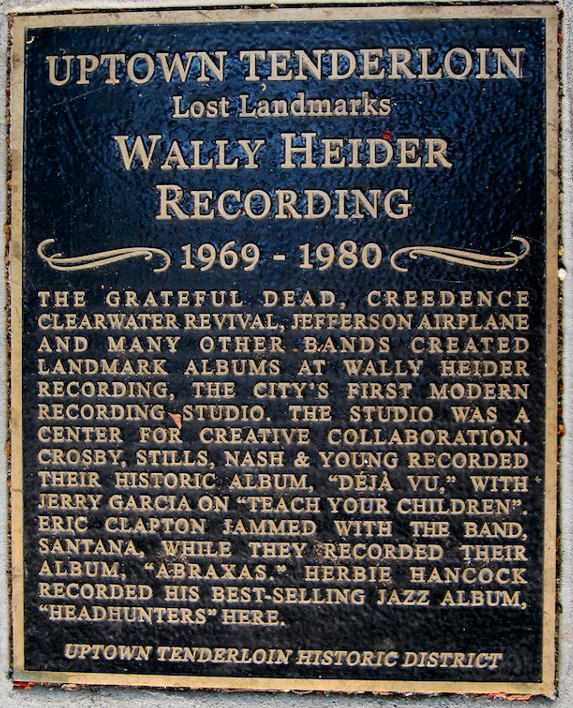
I had heard the stories, of course. In March 1969, Wally Heider opened Wally Heider Studios at 245 Hyde Street, situated between Turk and Eddy Streets, directly across from the legendary Black Hawk jazz club. The building had previously been used by 20th Century Fox for film offices, screening rooms, and storage before being transformed into a cutting-edge recording facility. The studios were designed and built by Dave Mancini, with Heider envisioning four studios—A and B on the ground floor and C and D upstairs. However, Studio B was never completed and instead became a game room. The first room to be operational was Studio C in May 1969, and early staff included General Manager Mel Tanner, Booking Agent Ginger Mews, Technician Harry Sitam, and Staff Engineer Russ Gary.
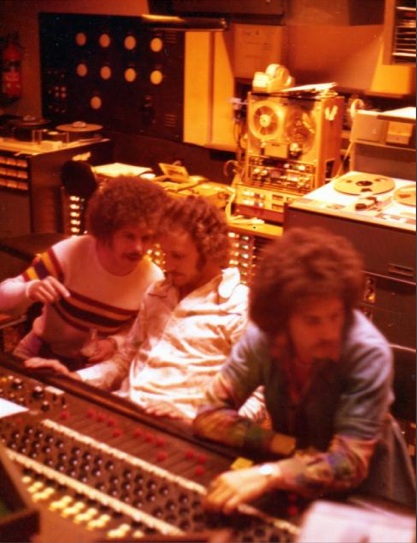
Frank DeMedio designed and built all the custom equipment and the mixing console using Universal Audio (UA) components, military-grade switches, and a simplified audio path that relied on a single preamp per channel. The studio was outfitted with Altec 604-E monitor speakers powered by McIntosh 275 tube amps. The first album recorded in Studio C was Jefferson Airplane’s Volunteers, their first recorded in their hometown. Following soon after, artists like Harry Nilsson, Crosby, Stills, Nash & Young, and the Steve Miller Band began making music there. Creedence Clearwater Revival recorded multiple albums at the facility, even naming Cosmo’s Factory after their rehearsal space within Studio C. Engineers such as Bill Halverson, Stephen Barncard, Glyn Johns, and Allen Zentz played pivotal roles in shaping the sound that emerged from Heider’s studios.
As Crosby, Stills, Nash & Young recorded, Studio D—a near-replica of Heider’s Studio 3 in Hollywood—opened. One of its first recordings was Jerry Garcia’s pedal steel guitar overdub for Teach Your Children, while Studio C remained intact for live tracking. During this period, Deane Jensen oversaw the installation of a new Quad Eight console in Studio A. Santana and John Hall were among the artists who took advantage of the new room, and CBS Records eventually took over Coast Recorders as their dedicated West Coast studio space.
By 1978, Heider sold the studio and its name to Filmways but stayed on as manager until 1980. Filmways later sold it to a partnership of Dan Alexander, Tom Sharples, and Michael Ward. They rebranded it as Hyde Street Studios, and in 1985, Ward became the sole owner, preserving its legacy while steering it into a new era.
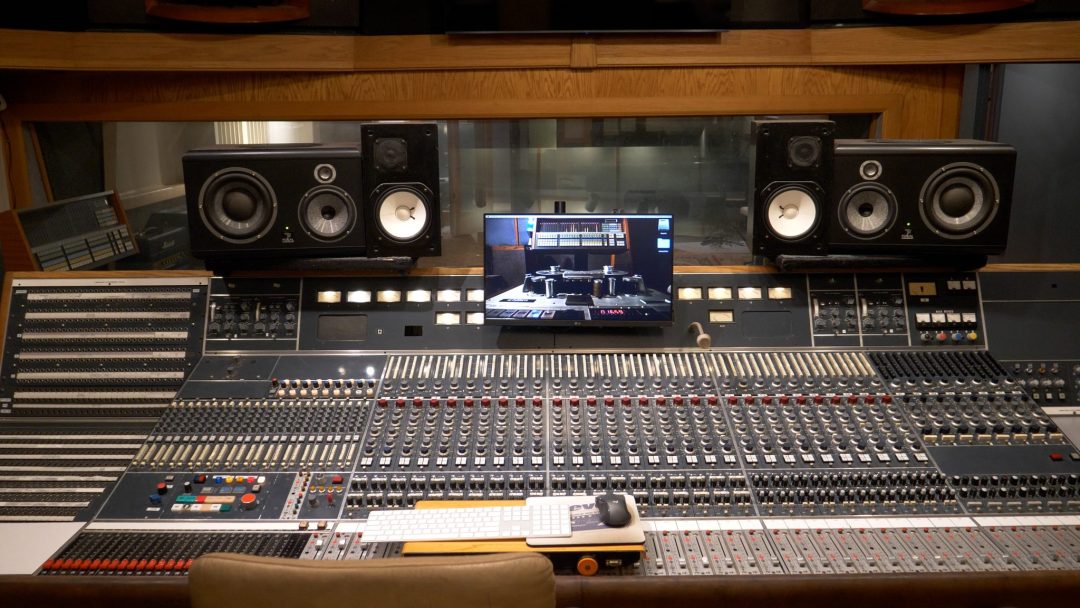
Jack Kurtzman, the studio manager, greeted us warmly and led the way, eager to showcase the legendary space. Stepping into Studio A, I ran my fingers along the edge of the Neve 80 Series 38 console, its surface a mix of buttons, knobs, and faders that had been touched by some of the greatest engineers and artists in history. This very board had captured the raw energy of the Grateful Dead, the hypnotic grooves of Creedence Clearwater Revival, and the ethereal harmonies of Jefferson Airplane. The Neve console, equipped with ten eighty-one preamps and flying faders retrofitted with THD Labs Tangerine technology, was a marvel of engineering, combining vintage charm with modern capabilities. It wasn’t just a mixing tool—it was the heartbeat of the studio, a centrepiece of creativity that allowed artists to explore sound in ways that digital technology often fails to replicate.
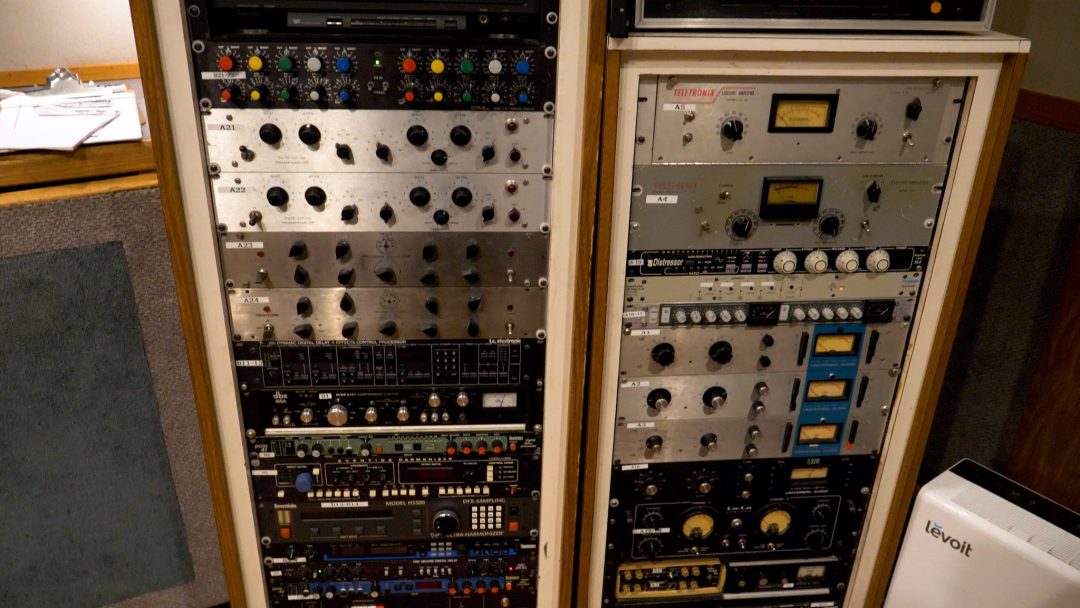
Surrounding the Neve console was an array of outboard gear that spoke to the studio’s commitment to sonic excellence. The LA-2A compressors, revered for their smooth compression, were perfect for vocals and instruments alike. The GML EQ allowed engineers to sculpt sound with surgical precision, while TC Electronics gear added depth and texture to recordings. Jack shared stories about their DBX 165, a favourite for kick and snare drums, reflecting the studio’s long-standing tradition of sonic experimentation.
Moving through the building, I discovered more than just the ghosts of rock and roll past. The echo chamber, a peculiar, asymmetrical room designed for natural reverb, was demonstrated for us by Pamela Parker, who sang inside it, allowing us to experience its unique acoustics firsthand—a moment captured in the video. The live room, a beautifully designed space, retained much of its original character, offering an environment where bands could record together, fostering spontaneity and energy. Isolation booths enhanced flexibility, accommodating various recording techniques. A standout feature was the nine-foot Baldwin concert grand piano, beloved by classical and jazz musicians alike for its rich, resonant sound.
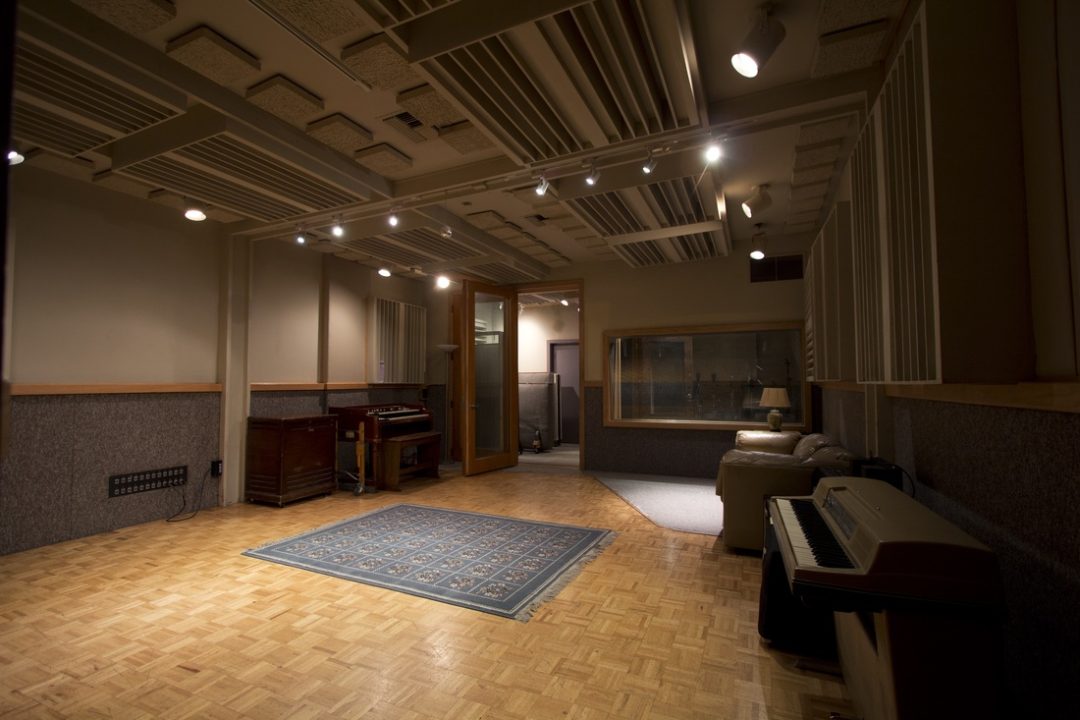
When Michael Ward took over the studio in 1980, rebranding it as Hyde Street Studios, he preserved its legacy while steering it into a new era. As I walked the halls, I could hear the distant echoes of punk and West Coast hip-hop. This was where Dead Kennedys recorded their infamous Frankenchrist album, and where my old friend D.H. Peligro, their powerhouse drummer who recently passed away, laid down some of his iconic performances, where Tupac’s 2Pacalypse Now was mixed, and where Green Day fine-tuned Insomniac. The sheer diversity of artists who had passed through these rooms—Willie Nelson, Joe Satriani, Train, even Kanye West—spoke to the studio’s adaptability and continued relevance.
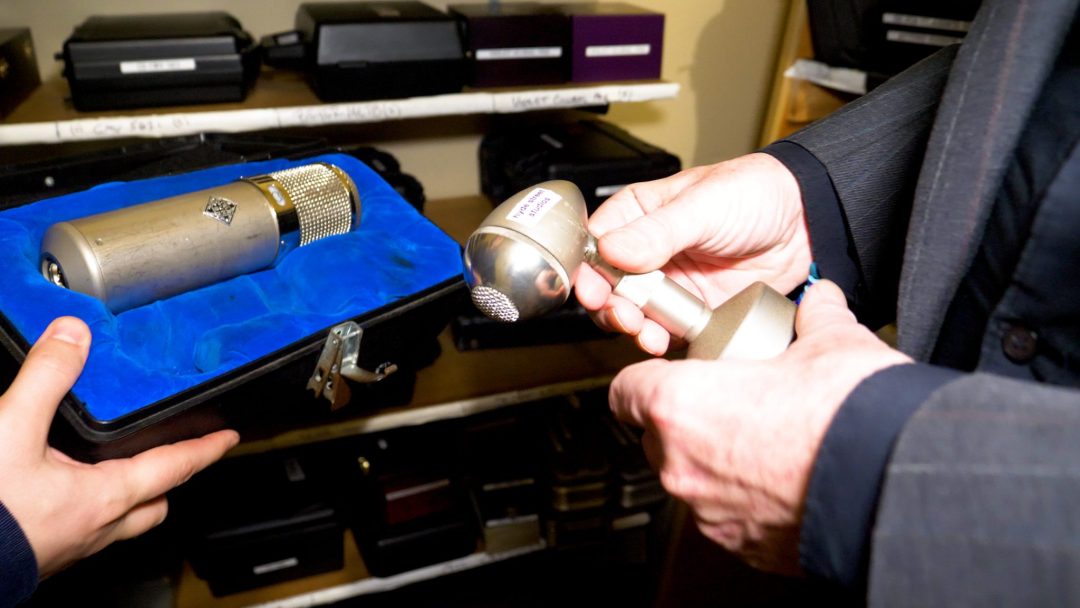
One of the most impressive aspects of Hyde Street was its microphone collection, a dream for any recording engineer. Vintage Neumann U47s, AKG C12s, and Shure SM57s lined the shelves, each microphone a crucial tool in capturing the perfect performance. The Neumann U47, known for its warmth and presence, had been favoured for vocals, while the AKG C12 was prized for its clarity and detail. These microphones, many acquired in the studio’s early days, were more than just pieces of equipment—they were part of Hyde Street’s legacy.
But Hyde Street wasn’t just about gear and history—it was about community. Pamela Parker, a long-time producer and engineer, had mentored countless interns who had passed through its doors, ensuring that the next generation of engineers and musicians would carry the studio’s legacy forward. The collaborative spirit within Hyde Street was vital for the industry’s future, fostering creativity and innovation in an environment where knowledge and resources were shared freely.
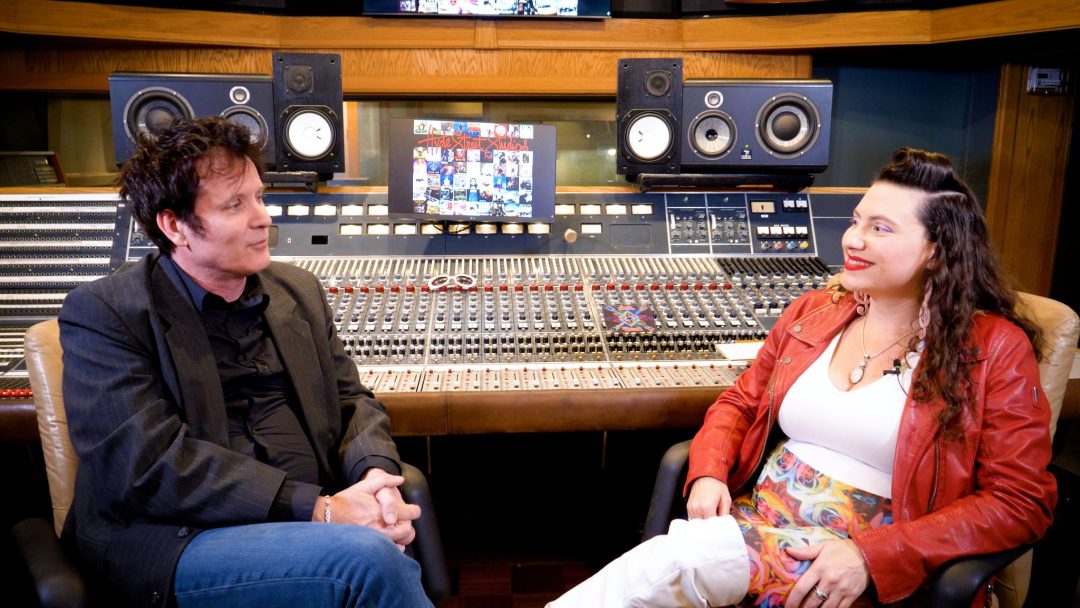
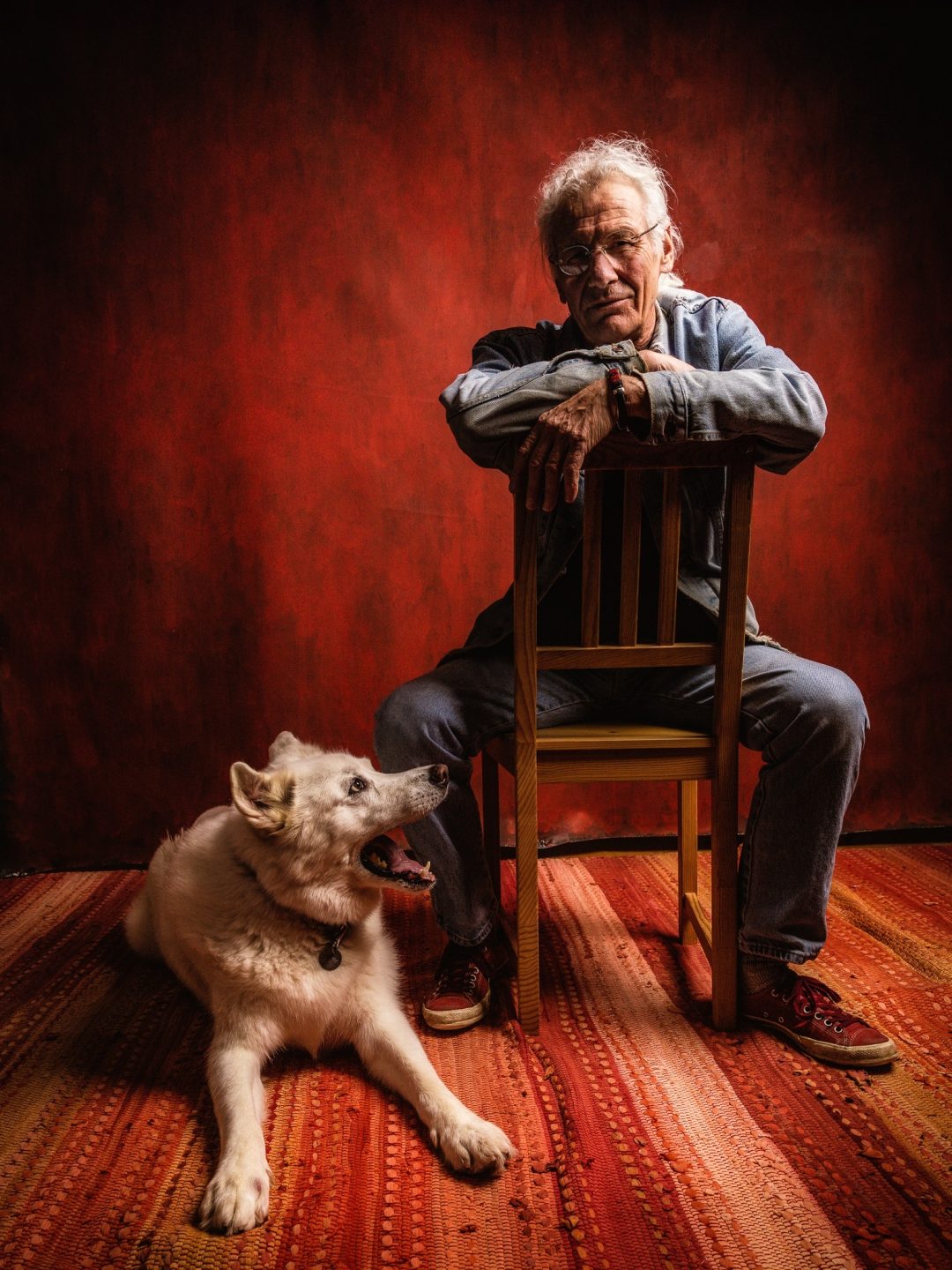
I stood in the control room, absorbing it all. The layered history, the technological evolution, the endless cycles of musicians pouring their souls into these walls—it was overwhelming. There’s something magical about a space where so much has happened, where music history has been written and rewritten countless times. Before leaving, we had the opportunity to interview Michael Ward, capturing his insights on the studio’s history and evolution—a conversation featured in the video. I left Hyde Street Studios that day not just with a deeper appreciation for its past, but with the certainty that its story was far from over.