


Latest News

Why Personal Branding Is the Smartest Investment You Can Make
“I don’t want our marketing to depend on me and my personal brand.” I used to say the same thing. And if I’m honest, I was afraid. Afraid of looking like I…

Mixing Heavy Guitars Tutorial & NEW YEAR Sale!

Our BIGGEST Holiday Sale yet… is ON! Get Steep discounts on ALL products

Avid Unveils Pro Tools Sketch for Modern Music Creators and to Expand Pro Tools Workflows

JZ Microphones Announces New Mic: The BT202. Read More Here

Waves Announce Reinstatement Of Perpetual Licences And WUP

Warren Huart to be featured keynote presenter at Capital University Creative Arts Workshop

LEWITT Announced the MTP-W950 Handheld Microphone

Warren Huart’s book TELLS ALL | BMT Podcast Ep. 09

IT’S HERE: The Ultimate Guide to Home Studio Recording

The MOTOR Synth MKII by Gamechanger Audio is out now and available in limited quantity!

EastWest Releases String Machine

AWARD-WINNING ‘SERIES BLACK’ FAMILY OF LAUTEN AUDIO MICROPHONES EXPERIENCE UPGRADES

JZ Microphones Celebrates 15 Years of Innovation. Black Hole Series Continues Impressing Experts
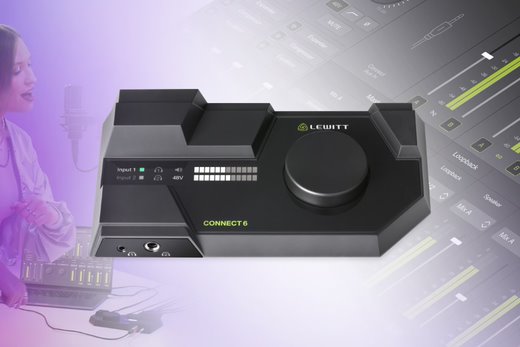
LEWITT announces DSP-powered Dual USB-C audio interface.

Music-Tech Alumni Launch Highnote, a Collaboration Platform for Audio Creators
Audiotonix Gets Even More Creative with Slate Digital Acquisition

Finishing Move to give Keynote Speech at GameSoundCon 2022

Universal Audio’s Native Plug‑In Subscription Now Available for Both Windows and Mac Creators

Austrian Audio on the road with Bon Jovi

I Covered The Beatles’ Ticket to Ride With The NEW Volt 476P + Multitracks and Giveaway!

Waves StudioRack Is Now FREE And Accepts Third-Party VST3 Plugins

Audient’s Upgraded ASP4816-HE & New Look ASP4816-SE Now Shipping

McDSP Make Significant Improvements in v7.1

PSPaudioware Announces Multichannel Mixing Solution Series, PSP auralSeries

The Rolling Stones traveling Europe on their Tour SIXTY. With Mics Made in Austria.

Austrian Audio on Tour this Summer with Desmond Child rocking the Parthenon in Greece

A Game-Changing Microphone On The Horizon: LEWITT Announces MTP W950

Kali Audio Announces “Atmos Brunch” Event in Los Angeles, June 5
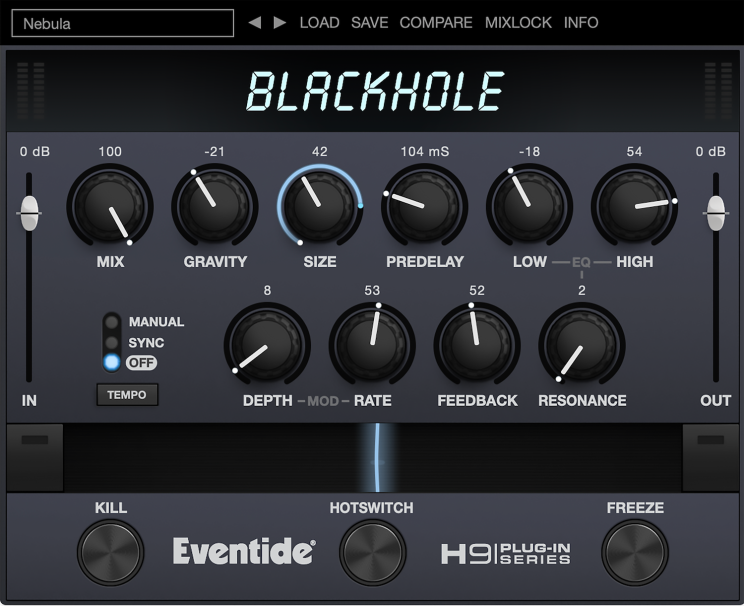
Eventide Blackhole Plugin Review: Nail Your Spacey Reverb Sound
Eventide has a history of producing incredible digital multi-effects processors in a time well before plugins. Many of their algorithms have naturally found their way into plugin format, including classics from their older hardware and a handful of effects from…

What is Plate Reverb and How is It Used?
If you’ve spent any time playing around with reverb in-the-box, you’ve probably observed the common types that exist. Chamber, hall, and room are easy enough to imagine, but what about plate reverb? We most easily associate “echo” with real-world spaces,…

Mixing Guitars: 10 Helpful Tricks for Incredible Tone
Many of us are guitarists, and most of us probably love to geek out on gear and tone as much as we like to actually play. After all, finding our individual “holy grail” tone is half of what makes playing…

Seymour Duncan Vapor Trail Deluxe Review
Here to help you narrow your search for the optimal delay pedal is a review of the Seymour Duncan Vapor Trail Deluxe. The brand is synonymous with the finest pickups in the game since 1976, while the man himself started…
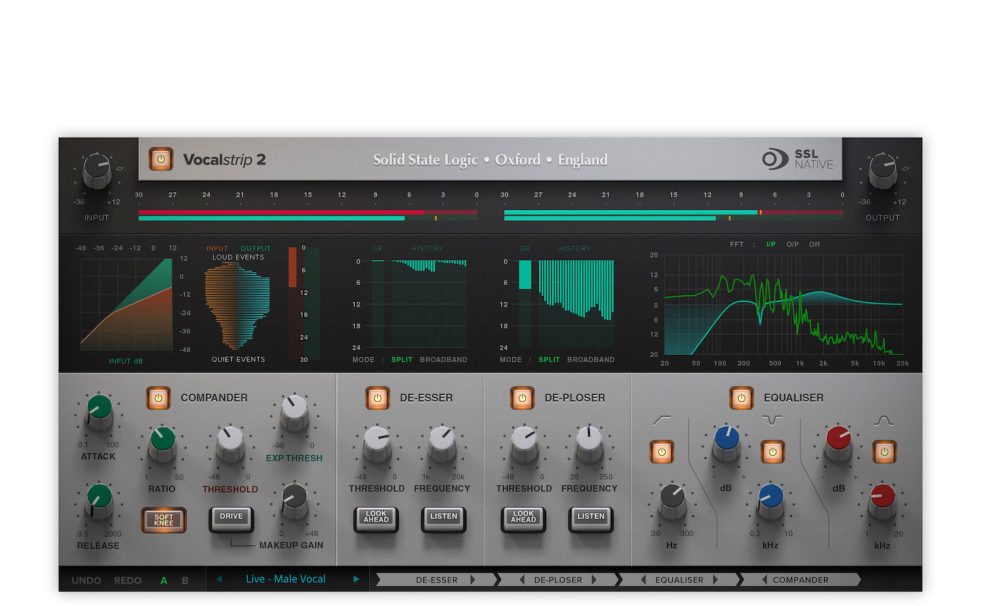
SSL Vocalstrip 2 Review: A Powerful All-Around Vocal Processor
Vocals have always been one of the most critical elements of a song. They’re meant to tell a story, convey emotion, and take listeners on a journey through melody. The greatest songwriters of all-time nail the storytelling aspect of music…

Working Class Metal: How Bon Jovi Changed the Hair-Metal Game with “Livin’ On a Prayer”

Output Substance Review: The Ultimate Bass Engine VST?
Substance is a comprehensive virtual instrument by the masters of ingenuity at Output. This low-end monster supersedes convention, generating bass material from multiple sources to shape an evolutionary sound. In this review, we’ll be discussing its key features and critical…

How to EQ Bass Guitar: Simple Steps for a Better Low End
Nailing the low end content in a mix is an important step for better-sounding material. Too much bottom can make a mix muddy and inarticulate; too little can make a track appear thin and lifeless. Learning how to EQ bass…

Get a HUGE Drum Sound from Auto-Align 2 by Sound Radix
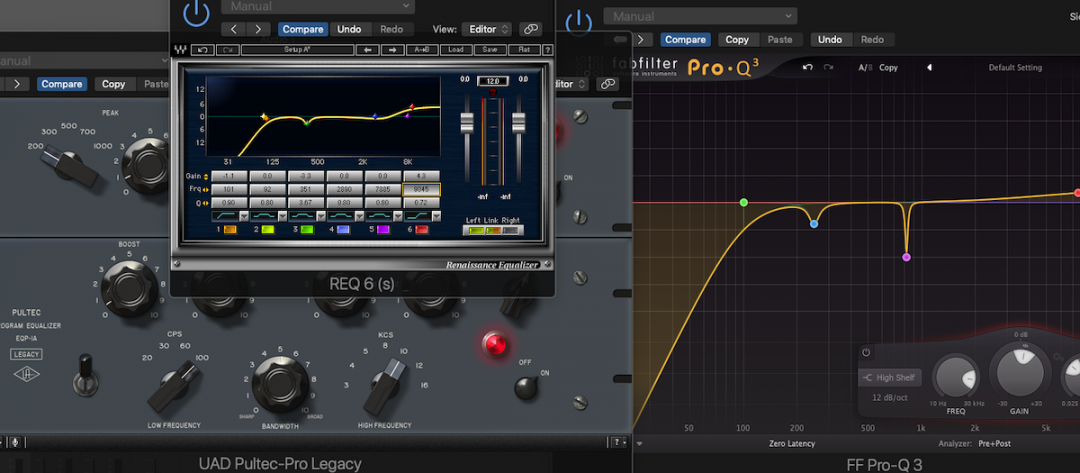
Vocal EQ Tips for Beginning Mixers
Vocal EQ is one of the ways we get a recorded performance from “dry” to “radio-ready.” It has a huge influence on the overall quality of a vocal, and even just simple moves like filtering can change the sound completely.…
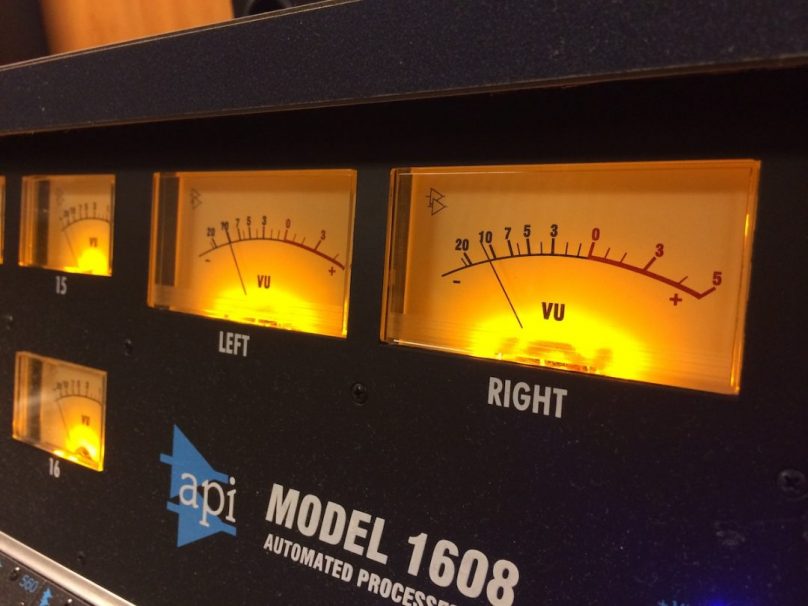
VU Meter: Just How Useful Are They?
Most of us have a rough idea of what a VU meter does. But unless we spend a lot of time around analogue outboard gear, we probably aren’t super familiar with them. And let’s face it, many of us are…
AU vs VST: What Are Audio Units?
Plugins come in various formats, with Audio Units being specially designed for Mac operating systems. Introduction: What Are Audio Units Audio Units (AU) are simply a type of plugin. They’re one of the most popular formats alongside VST2 (Virtual Studio…

Bass Trap Placement: Acoustic Treatment 101
Acoustic treatment is essential if you plan to make the most out of your home or project studio. The goal for treatment is to create a listening environment that you can trust; ideally, the room should have an even frequency…
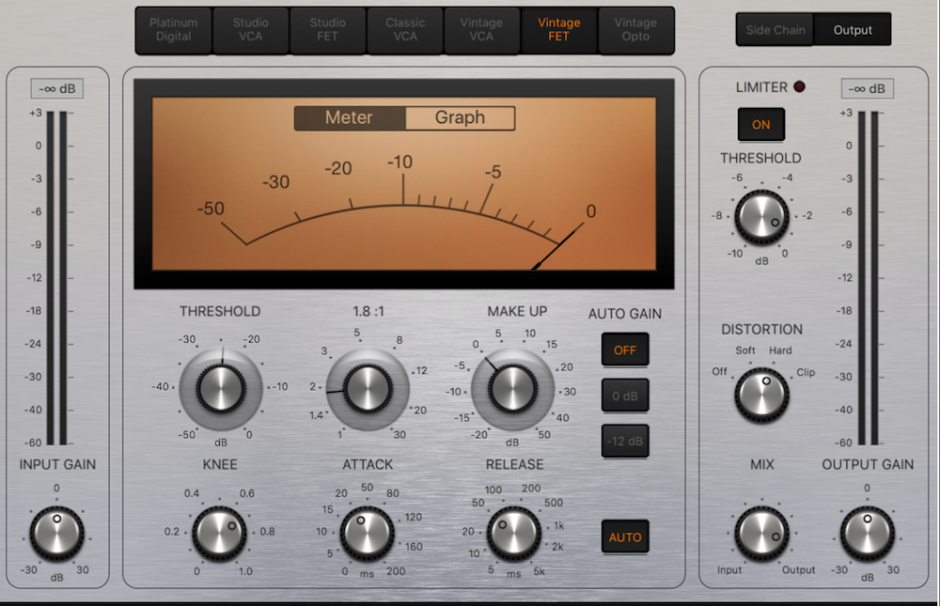
How to Use a Compressor (Easy Beginner’s Guide)
Learning how to use a compressor is one of the most important mixing skills you can acquire. Compression is quite literally all over mixes, even becoming the sound we associate with loud, modern pop mixing. If there’s anything you want to…
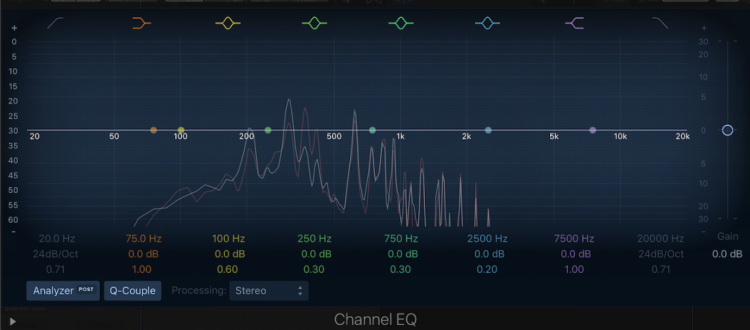
EQ Cheat Sheet: Simple Guidelines for Effective Equalization
Understanding equalization–probably the most widely used signal processor available to engineers–is essential to making records sound their absolute best. Sometimes it’s as simple as high-passing an instrument in the proper spot, while other cases require a bit more attention and…