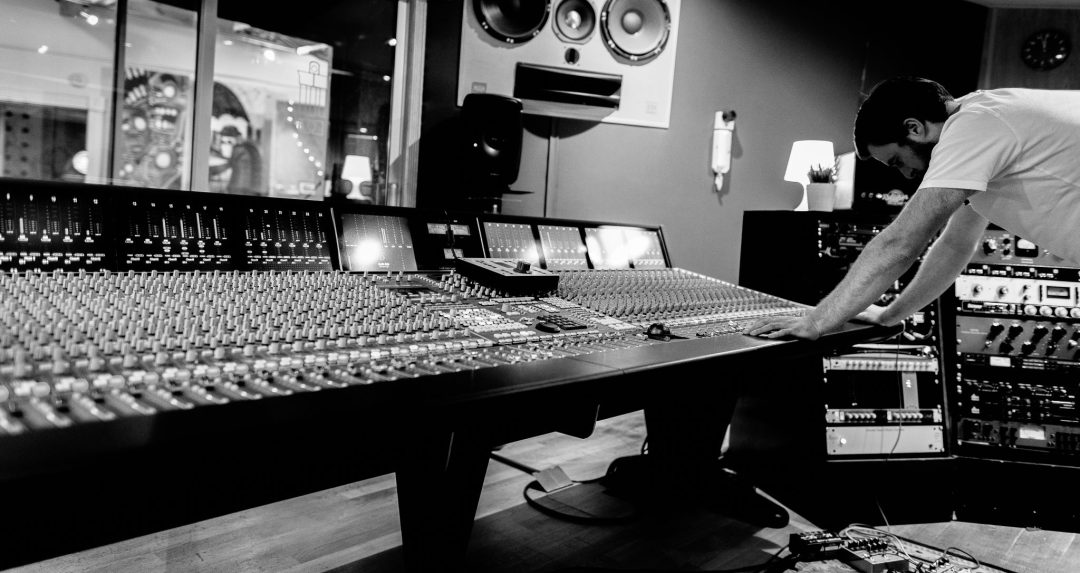
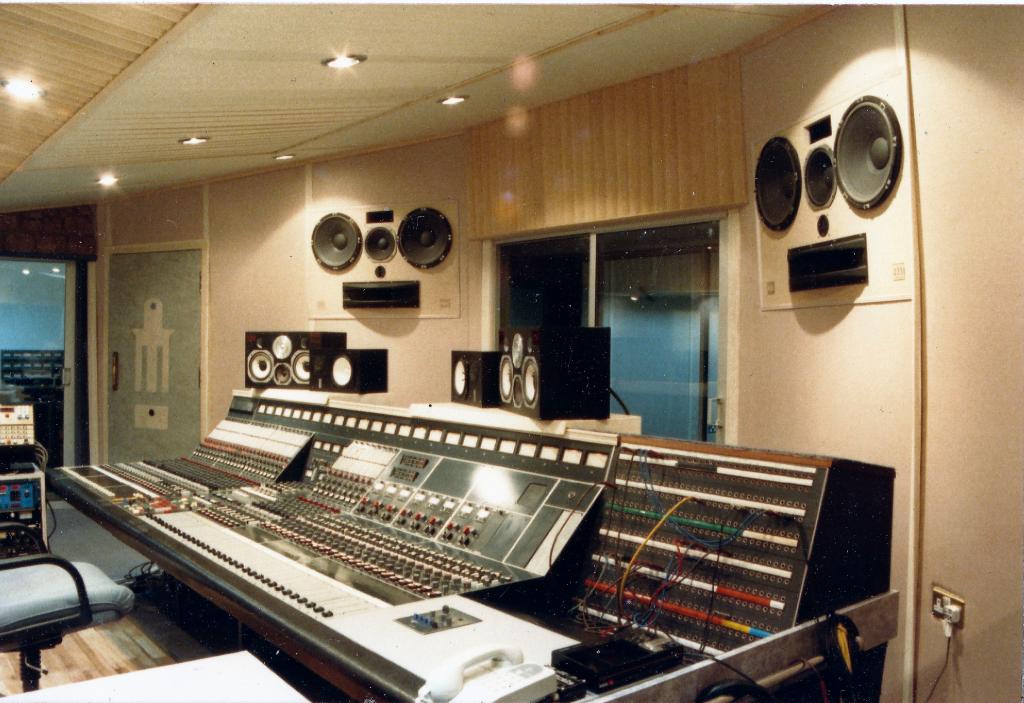
Tucked away on Hesketh Street, just off Liverpool’s iconic Lark Lane, sits a nondescript green door behind which lies one of the UK’s most characterful and creatively inspiring studios: The Motor Museum. Once a vintage car showroom and, before that, a bus garage, the building’s transformation into a studio space began in 1988 when its first owner, Hamby Haralambous, commissioned legendary acoustician Philip Newell (designer for Virgin’s Townhouse Studios) to design a bespoke recording space. Originally dubbed The Pink Museum, the studio was later purchased and renamed by Andy McCluskey of OMD, whose musical legacy is still etched into the walls – quite literally, with his gold and platinum records displayed proudly inside.
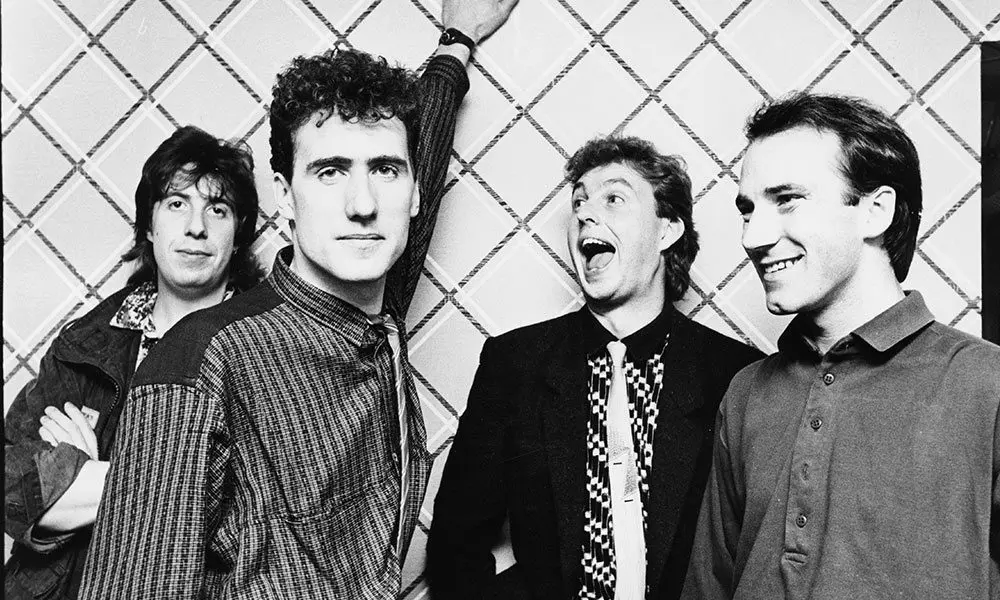
McCluskey, a pioneer of synthpop and founding member of OMD (Orchestral Manoeuvres in the Dark), used the space not only for his band’s work but also for producing number-one hits for Atomic Kitten and composing for Hollywood films. His forward-thinking mentorship paved the way for the studio’s next chapter, now in the hands of producer, engineer, and mixer Al Groves.
Groves took over full-time ownership from McCluskey and has since developed the Motor Museum into what he describes as a “producer’s studio” – a deeply personal and thoughtfully curated space, designed not only to sound fantastic but to facilitate the most natural, inspiring workflow possible. Central to the studio is a 48-channel SSL Duality console, purchased directly from Pete Townshend. The Duality’s pristine signal path, tactile layout, and modern routing flexibility serve as the heart of Groves’ tracking and mixing process. Unlike many hybrid workflows, Al prefers to keep things hands-on and streamlined, tracking and mixing through the console with minimal reliance on digital automation until the final mix pass.
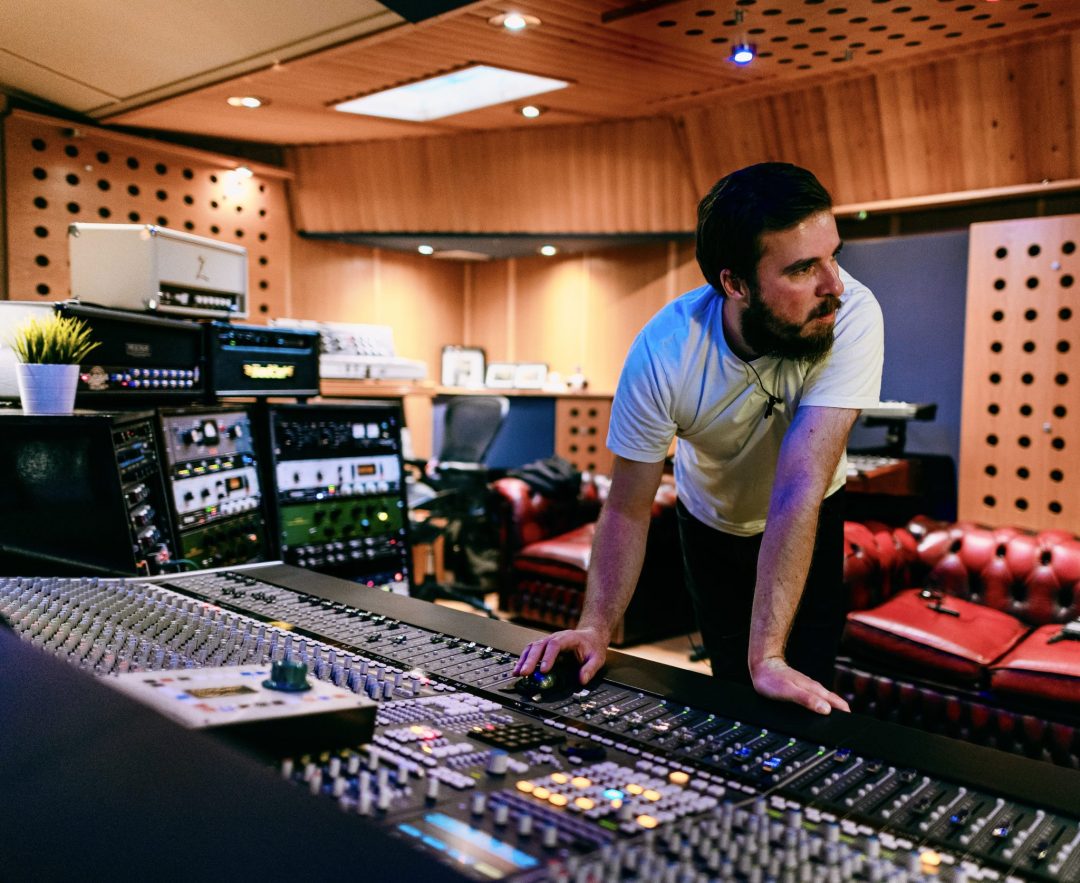
Al’s gear curation reflects this ethos. A selection of carefully chosen preamps – notably a trio of Neve 1073s – complements a modest but meticulously maintained outboard rack. Staples like the Thermionic Culture Earlybird, Cartec Pultec-style EQs, and the SSL Fusion (used on every mix) sit beside characterful oddities like the Sta-Level compressor and a rackmount synth for sub layering. His reverb chain includes a Lexicon 960 with its original controller and a PCM90 locked to a single beloved preset.
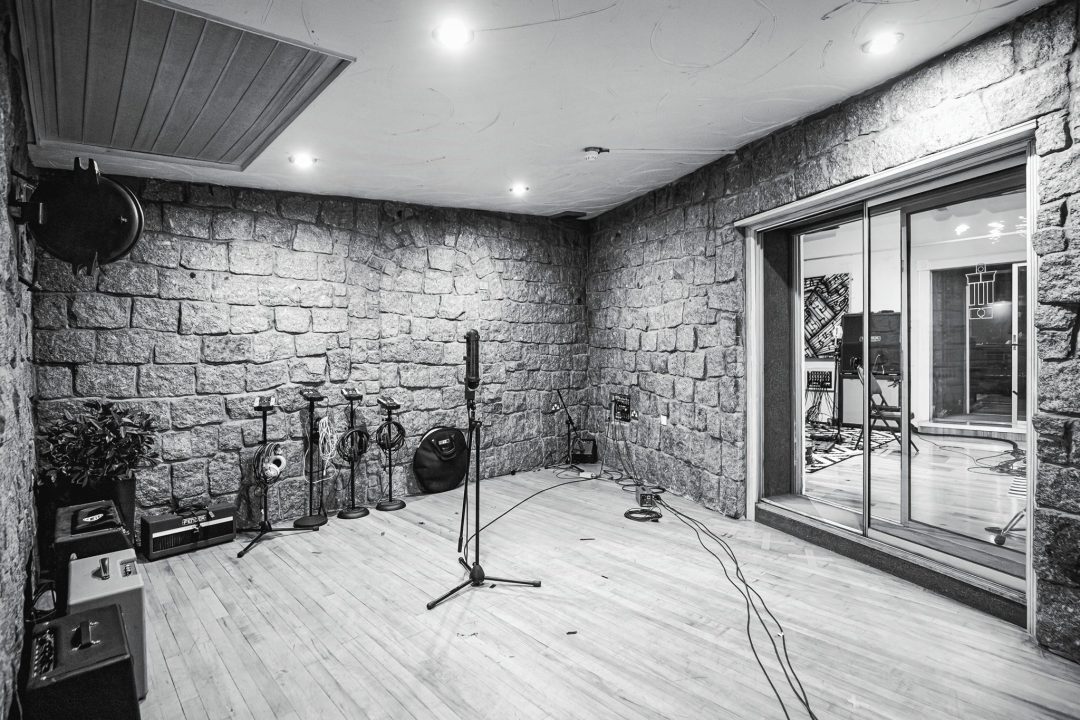
Perhaps most impressive is the studio’s unique acoustic layout. The famed stone room – built with granite imported from Ibiza – remains one of Newell’s most iconic contributions. Its natural diffusion and powerful yet controlled low-end extension make it ideal for rock drums, a fact reinforced by Groves’ preference to capture room mics with a vintage RCA R44 ribbon and an AEA R88, blended and committed as stereo tracks. Just adjacent is “the 50p room,” a peculiarly shaped booth that delivers astonishing isolation without a physical door – a sonic curiosity Groves still marvels at.
Microphone selections are pragmatic yet inspired: vintage Sennheiser MD421s, a fleet of SM57s marked by tone-tested sweet spots, a Flea 47 and Neumann U67, Coles ribbons, D12s, RE20s, Beyerdynamic M201s, and rarer pieces like the Australian-built Alien 8 by Dr. Alien Smith – a dual headphone-driver hybrid of the Beyer M380 and AKG D20 that Al credits with revolutionising his approach to kick drum capture.
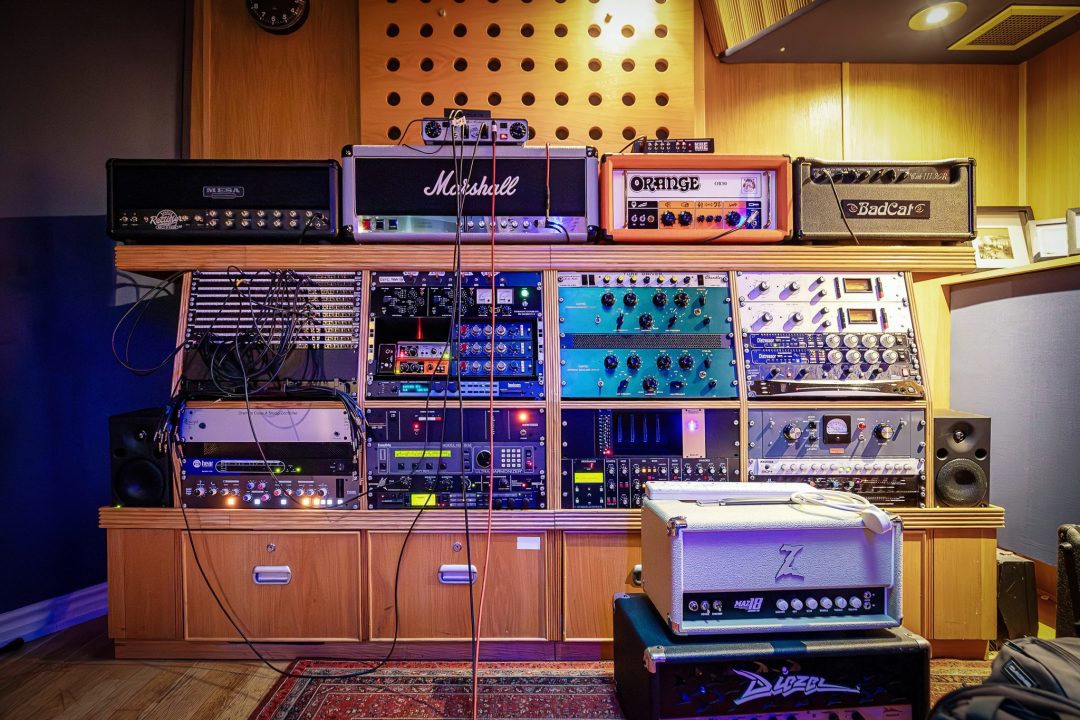
But the soul of The Motor Museum lies in its commitment to real-time creativity. Groves’ routing system enables instant amp and cab switching from his impressive collection, including a Marshall Jubilee, Mesa Boogie Recto 50, Orange OR50, and a classic Ampeg fliptop. His mission: to be able to get a guitar sound within five minutes and capture inspired takes before the moment passes. That efficiency, combined with the studio’s light-filled aesthetic and natural vibe, helps artists feel energised, supported, and in the right headspace to deliver honest performances.
Whether tracking a quartet, a full band, or crafting a towering rock mix, The Motor Museum has the character and capability to handle it all – without losing its identity. For Al Groves, this studio isn’t just a workplace. It’s a workshop, a refuge, and a living, breathing part of every record that passes through its doors.