When reviewing a mix, it’s easy to get lost in the music or hyper-focused on one element. This checklist is designed to help maintain perspective and catch the most common technical, tonal, and musical issues before moving on to mastering—or sending your mix out into the world.
Volume and Headroom
- Is the overall mix loud enough without being overly compressed?
- Is there sufficient headroom (ideally peaking around -6 dBFS) to allow for mastering?
- Are there any signs of digital clipping or unwanted distortion?
Balance
- Are all elements clearly audible and sitting correctly in the mix (that are not playing a supportive role)?
- Does any one part dominate unnecessarily?
- Are the vocals or lead instruments forward enough to command attention without overpowering the rest?
Low-End
- Is the kick drum punchy, defined, and not overly boomy?
- Is the bass clear and appropriately loud, without masking the kick or cluttering the bottom end?
- Are low frequencies generally well controlled, with problem areas rolled off where necessary?
- Do the kick and bass work together rhythmically and tonally, or are they competing?

Frequency Spectrum
- Is there a pleasing tonal balance from lows through mids to highs?
- Are there frequencies that feel harsh, boxy, or dull?
- Are there instruments masking each other in the same frequency range—especially in the midrange?
- Are there problematic buildups in the 200–500 Hz area or fatigue-inducing peaks around 2–5 kHz?
Clarity and Separation
- Can each instrument or element be distinguished, particularly in dense or busy passages?
- Are stereo panning and placement used to create separation, rather than relying on EQ alone?
- Are time-based effects (reverb, delay) creating space, or are they muddying the mix?
Stereo Image
- Is there a solid, defined centre image (kick, snare, bass, vocal)?
- Is the stereo field being used to create width without losing focus?
- Does the mix still retain impact and clarity when played back in mono?
Transient Response and Punch
- Are drums and percussive elements crisp, with defined attacks?
- Are transients too sharp or too soft due to compression or transient shaping?
- Is the mix energetic, or has it lost punch through overprocessing?
Compression and Dynamics
- Is compression transparent and musical, rather than obvious or unnatural?
- Does the mix breathe dynamically, or is it overly flat or lifeless?
- Are level fluctuations smooth, particularly on vocals and instruments with wide dynamic range?
Vocals (if present)
- Are vocals clear, emotionally connected, and properly placed in the mix?
- Is sibilance controlled and not drawing attention to itself?
- Are breaths, mouth noise, or room artefacts distracting or overly loud?
Automation and Movement
- Are levels, panning, and effects automated to create movement and interest throughout the song?
- Does the mix evolve from section to section, or is it too static?
- Are transitions smooth, with energy shifts that support the arrangement?
Effects and Spatial Depth
- Is reverb used tastefully to add space without clouding definition?
- Are delays timed musically and contributing rhythmically or atmospherically?
- Is there a sense of front-to-back depth in the mix, not just left to right?
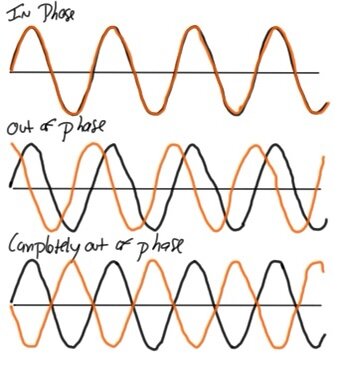
Phase and Polarity
- Are there any phase issues with multi-mic setups or stereo recordings?
- Does the low end remain strong and intact in mono?
- Has polarity been checked where needed, especially on drum close mics or duplicated layers?
Mono Compatibility
- Does the mix collapse in mono, or retain its core clarity and balance?
- Are important elements lost or reduced in volume due to phase cancellation?
Musicality and Emotional Impact
- Does the mix support the intention and emotion of the song?
- Is the dynamic arc helping the listener stay engaged?
- Does it sound finished, deliberate, and emotionally satisfying?
Final Thought
This checklist isn’t about ticking every technical box for the sake of it—it’s about making sure the technical side of your mix isn’t getting in the way of the song. A great mix doesn’t just sound good—it feels right. Use this as a framework, then trust your instincts.