As you may know I love being able to showcase the gear we try it by recording and mixing through it! So when we recently visited Elysia in Nettetal, Germany, founded by audio innovators Ruben Tilgner and Dominik Klaßen, we decided to record and mix a song from scratch using all Elysia audios gear and yo9u can download those multitracks here and mix them for yourself!
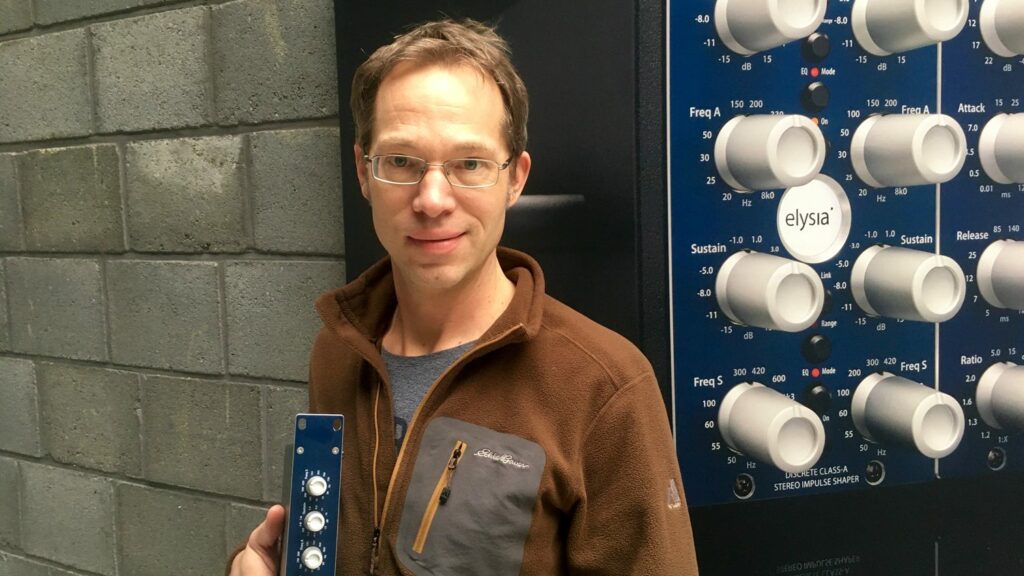
Elysia has become globally respected for innovation in high-end audio equipment. Ruben, renowned for his role in designing the legendary SPL Transient Designer is also a musician (pianist), songwriter, producer and engineer in his own right. So we thought why not only showcase Ruben’s abilities as a gear designer but also as an engineer, after all many great audio companies are founded by producer, engineers and mixers who take their passion from creating music into creating gear!
The song (you can download the multitracks here) is an Electronic Pop song with vocals, live drums, bass and electric guitar. Ruben used
For me, although it’s not a necessity, I do believe it’s an advantage for an audio gear manufacturer to also be a musician and audio engineer because this dual perspective ensures the products are not only technically sound but also tailored to meet the real-world needs of their users. Here’s why this combination for me is so valuable:
Musicians and audio engineers who create audio equipment bring a unique understanding of the challenges involved in creating and shaping sound, such as workflow inefficiencies and tonal issues, enabling them to design gear that solves practical problems effectively. Their trained ears for tonal balance, dynamics, and harmonic richness ensure exceptional sound quality, while their experience in crafting and mixing music results in versatile tools that perform well across various genres. By balancing technical expertise with artistic creativity, they create gear that enhances both precision and expressiveness. A deep understanding of musical contexts, from mixing to live performance, ensures seamless integration into professional workflows. Their empathy for users, built from firsthand experience with creative challenges, fosters trust and reliability. Recommendations from trusted professionals using these tools carry significant weight, and when a manufacturer has a proven track record as a respected professional, it reassures users that the gear is designed for real-world applications.
What Microphones Were Used on What Instruments?
When it comes to achieving the best sound in your recordings, the choice of microphones can make all the difference. In this session, we explored various microphone techniques and setups for different instruments, focusing on how to capture that perfect sound. Let’s dive into the details of the microphone choices for each instrument.
Drums – Achim Buschmann
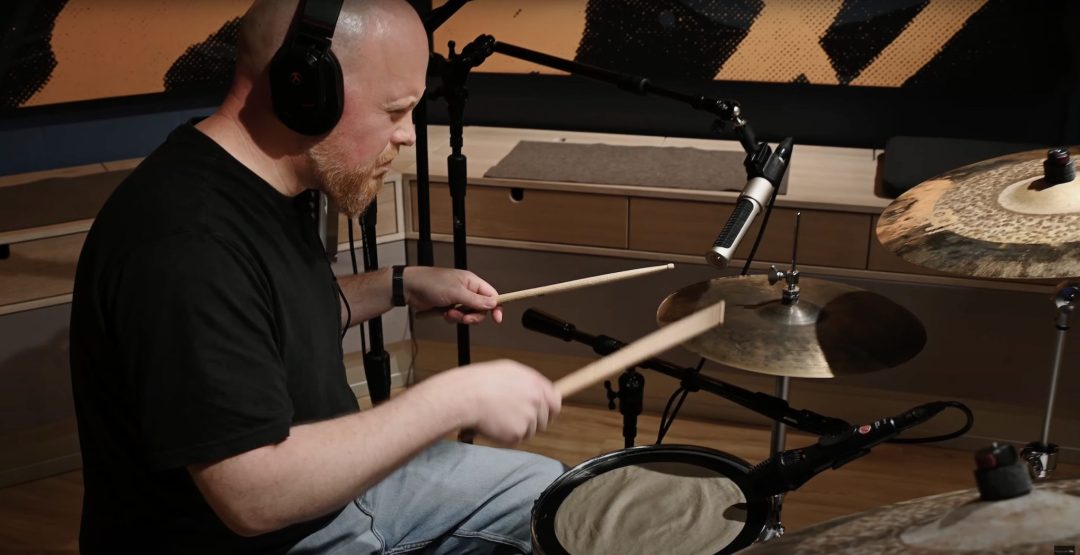
For the drum recording, we used Triad Orbit stands exclusively which kept the stands footprint extremely small and tight. Innovative miking techniques known as the ‘Droom’ for the stereo rooms, the ‘Wurst; mic and the ‘Snareo’ (stereo under snare) were used, created by our friend the great Moses Schneider. Here’s a breakdown of the mics used:
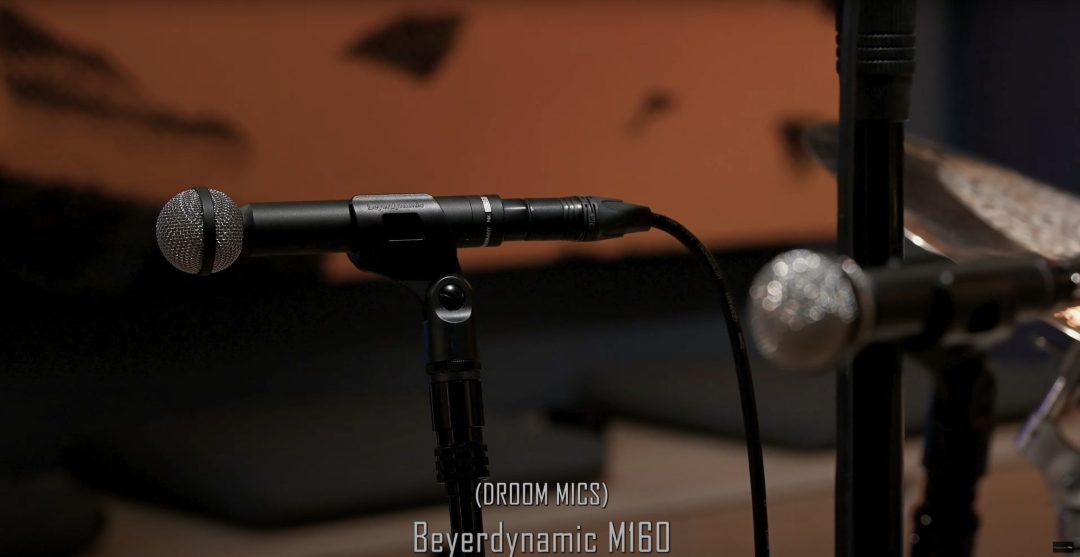
- Room Mics (Droom): Two Beyerdynamic M160s (famous for the ‘When The Levee Breaks’ Drum sound) were positioned to capture the room sound effectively, taking advantage of their null point to minimise cymbal bleed.
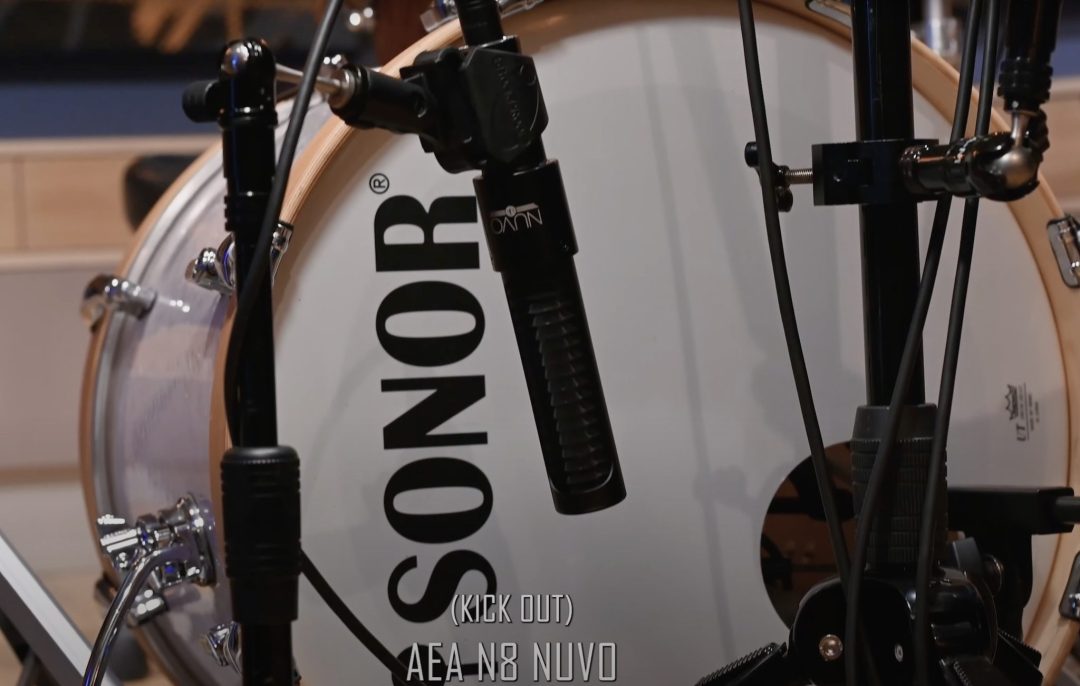
- Kick Outside Mic: An AEA N8 Nuvo was used for the kick drum, placed at a distance to prevent overloading while providing a darker tone.
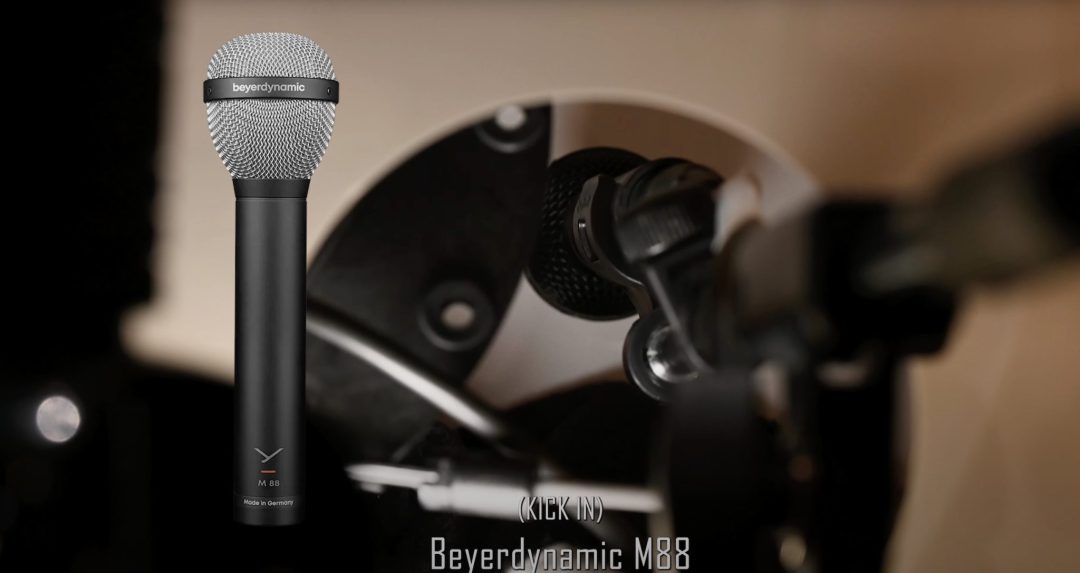
- Kick Inside Mic: Beyerdynamic M88
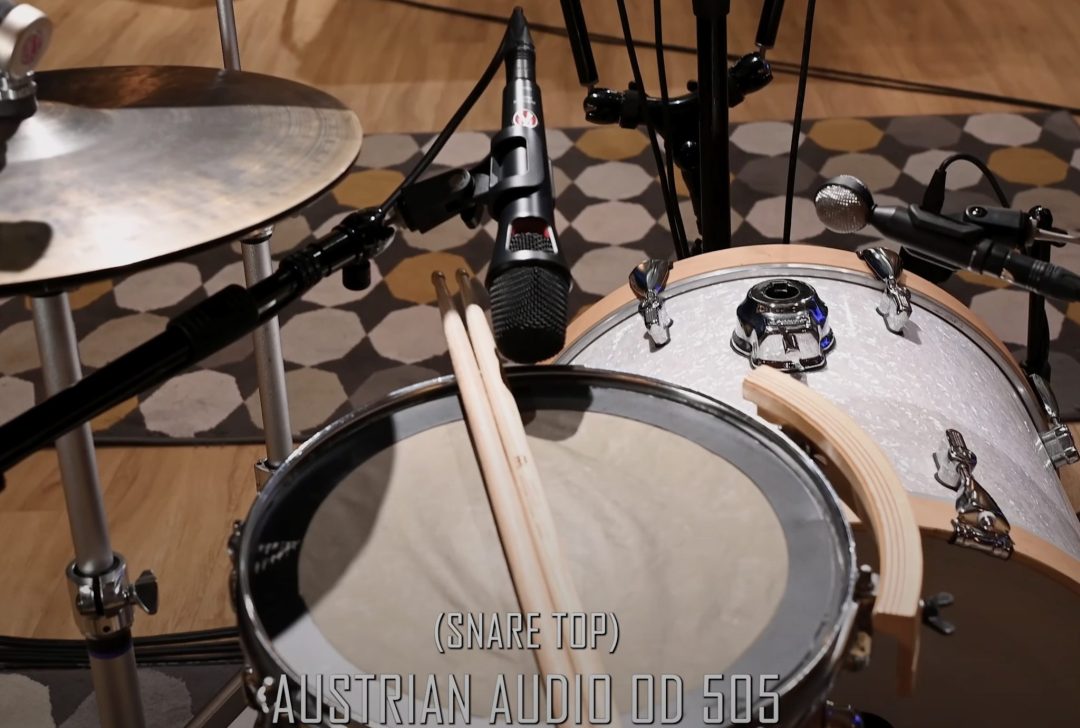
- Snare Top Mic: An Austrian Audio OD 505 mic was chosen for capturing the snare top, delivering a fresh sound that was surprisingly effective.
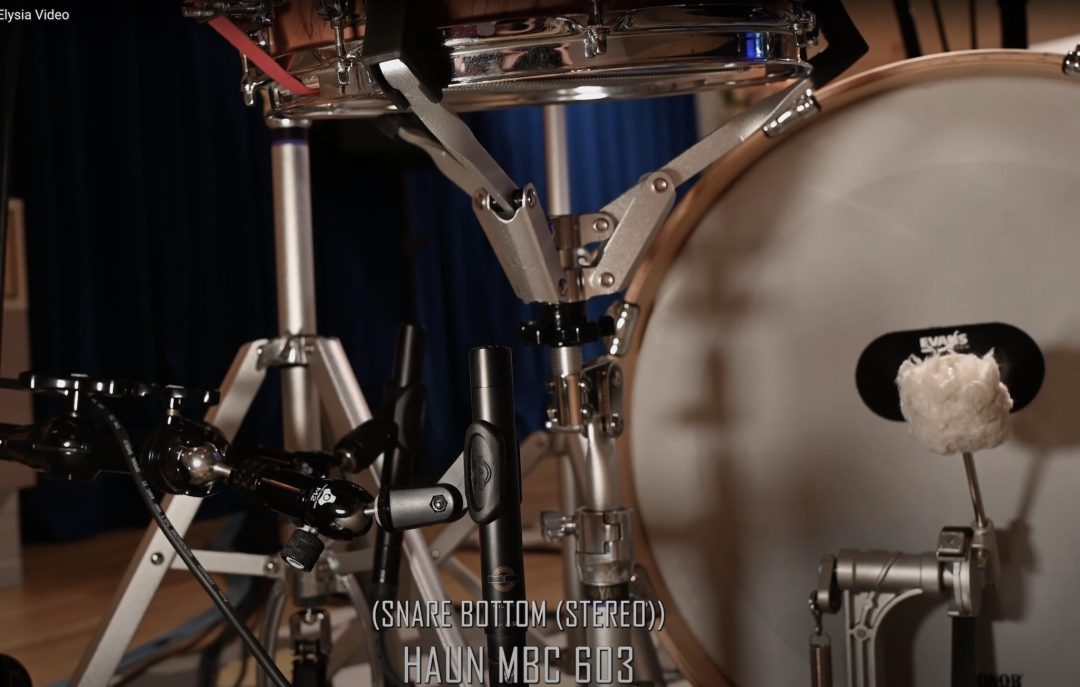
- Snare Bottom Mic: A lesser-known German mic brand, Houn MBC 603, provided a stereo impact for the snare using two bottom mics.
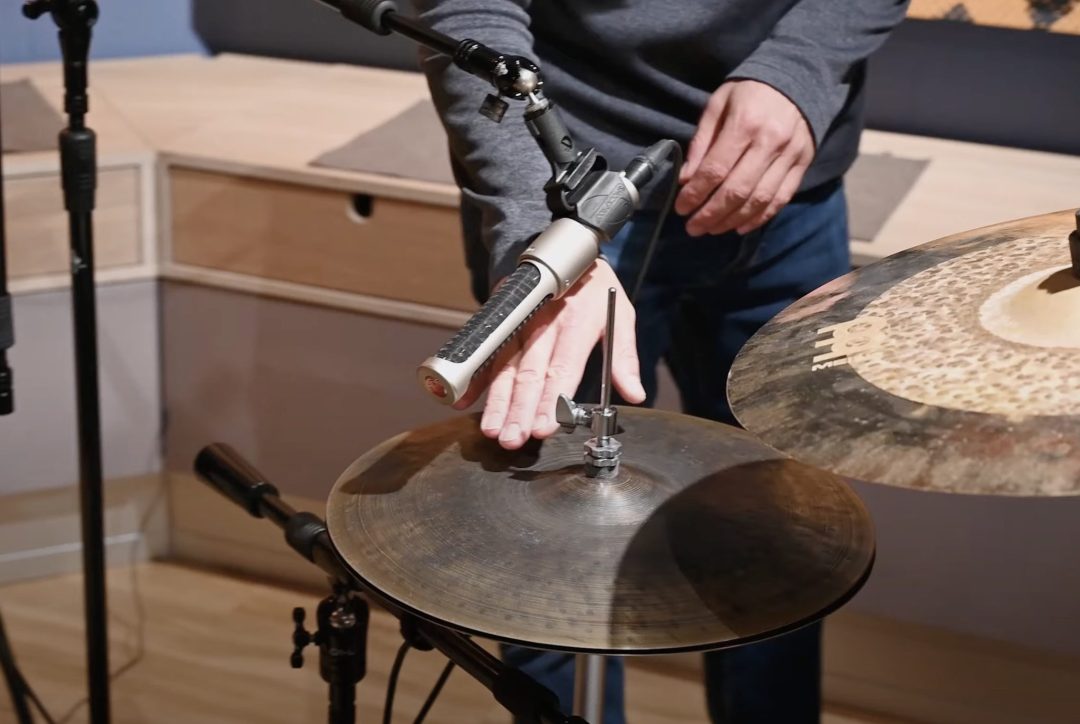
- Hi-Hat Mic: An AEA N22 Nuvo was angled to focus on the high-end tones, ensuring minimal interference from other instruments.
- Overheads: A combination of a pair of Austrian Audio OC 818’s for stereo overheads and a for the mono overhead mic a AEA N8 Nuvo, this combination provided a rich soundscape for the overall drum kit.
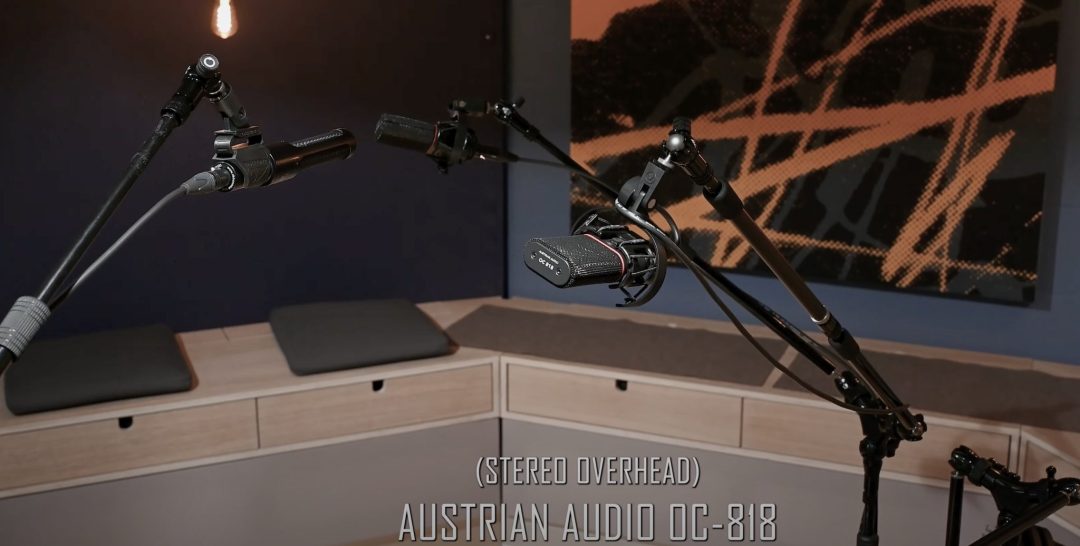
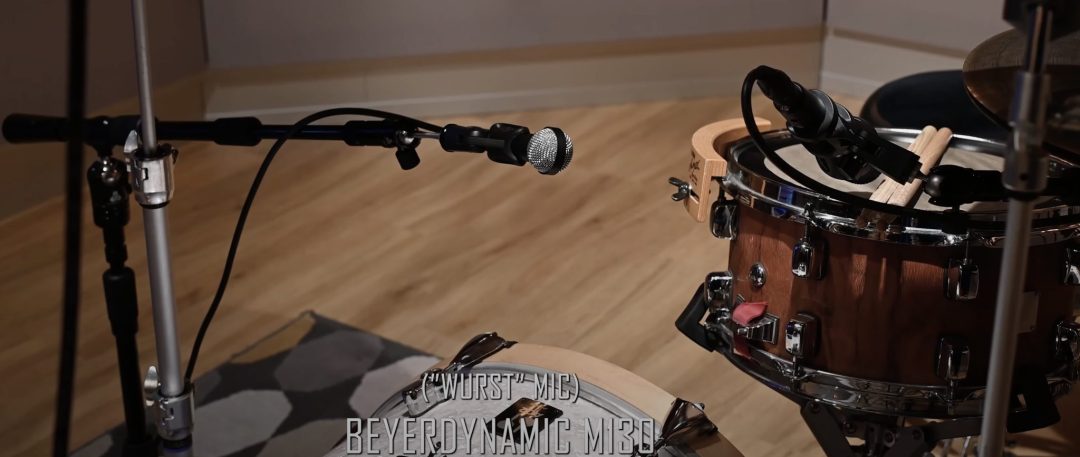
- Mono Kit Mic (Wurst Mic): Beyerdynamic M130
- Room Mics: Additional room mics outside the room in the corridor helped enhance the ambience and provide depth to the drum sound.
Bass – Max Dommers
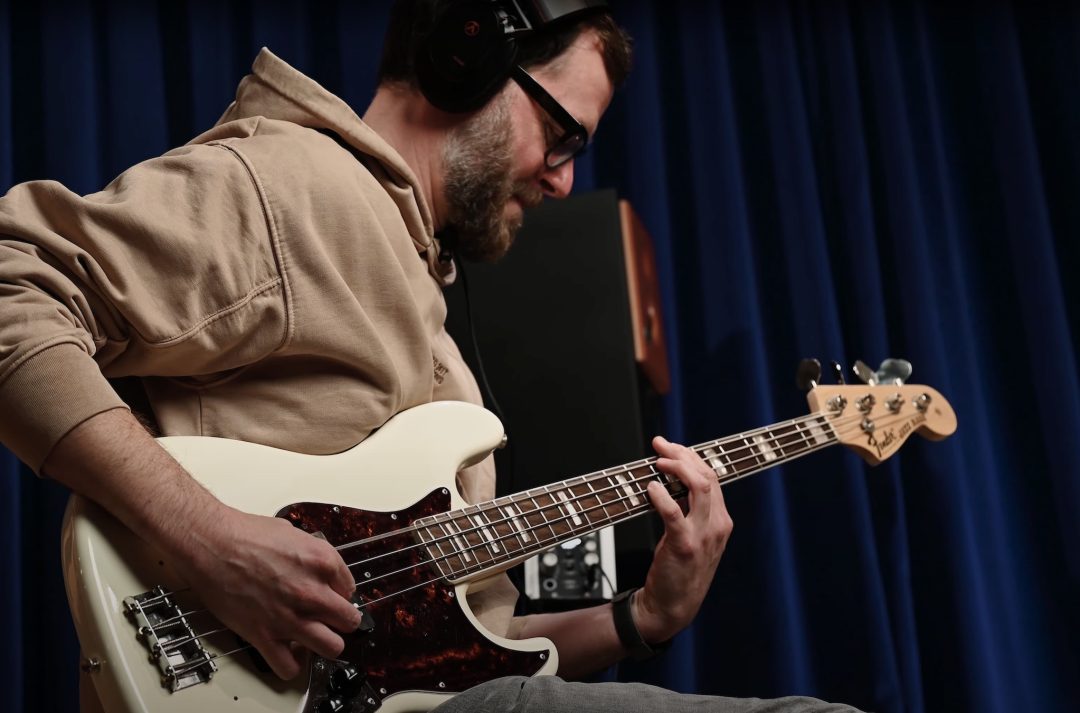
For the bass, we opted for a DI (Direct Input) setup, which allowed for a clean, uncoloured signal. The signal chain included:
- Skulpter DI: Used for the initial signal pickup.
- Compressor and EQ: The signal was then processed through an Mpressor and an X Filter to enhance the low-end presence.
This setup ensured the bass retained its character while fitting seamlessly into the mix.
Guitar – Timo Brauwers
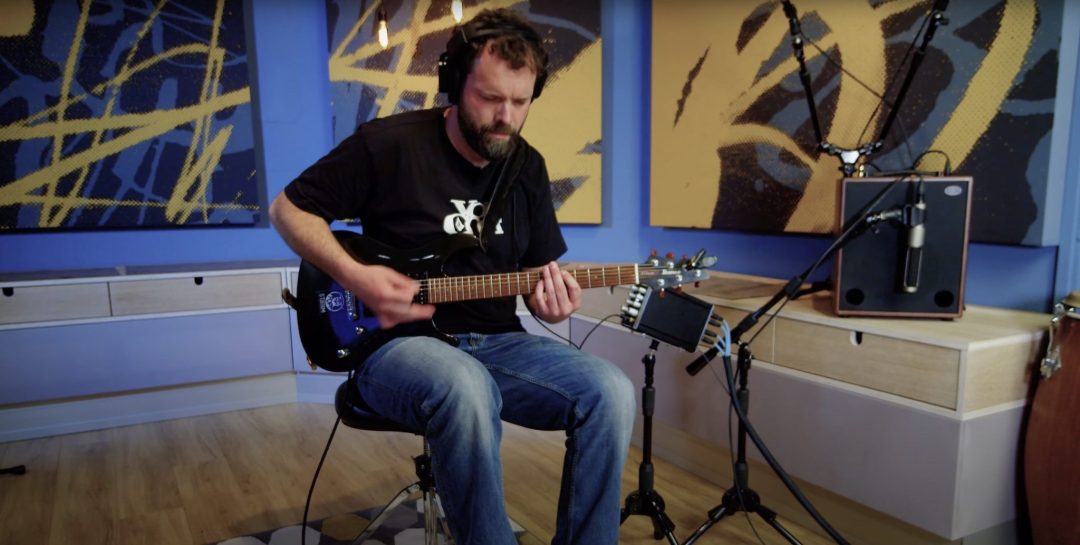
The guitar was recorded using a Schertler Jam X amplifier. The microphone setup was straightforward:
- Single Mic: Positioned directly in front of the amp to capture the warmth and depth of the sound.
- Room Mics: Two room mics were placed to create a spacious sound that added dimension to the guitar track.
Vocals – Cora Wunderlich
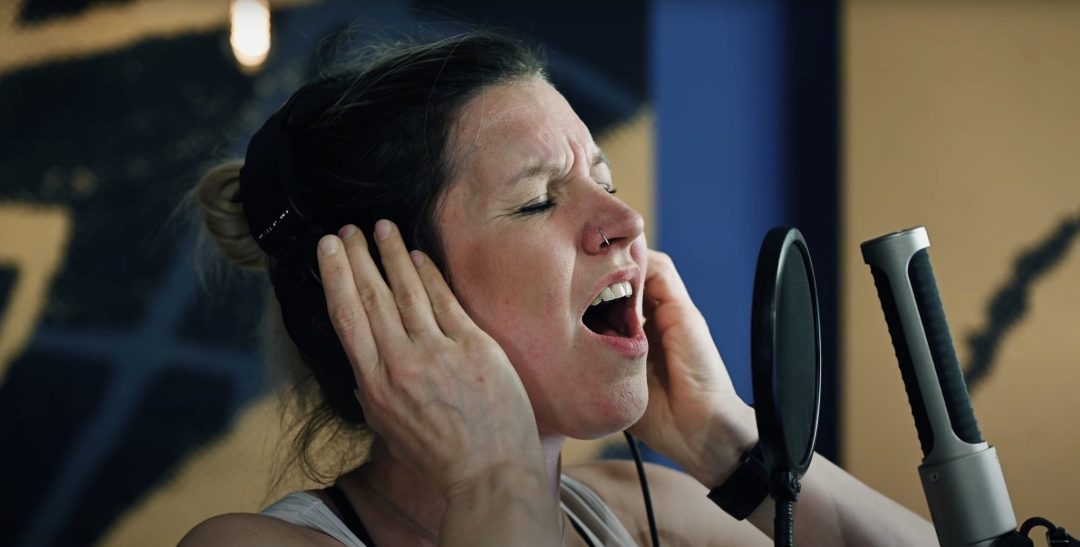
For the vocal recording, we implemented a multi-compressor setup to manage the dynamic range effectively. The vocal chain included:
- Microphone: A high-quality mic preamp was used, paired with a saturation unit for warmth.
- Multiple Compressors: Three compressors were employed in series to even out the vocal performance and maintain clarity across different dynamic levels.
This approach allowed for a polished vocal sound that stood out in the mix.
Elysia Gear Used In The Recording
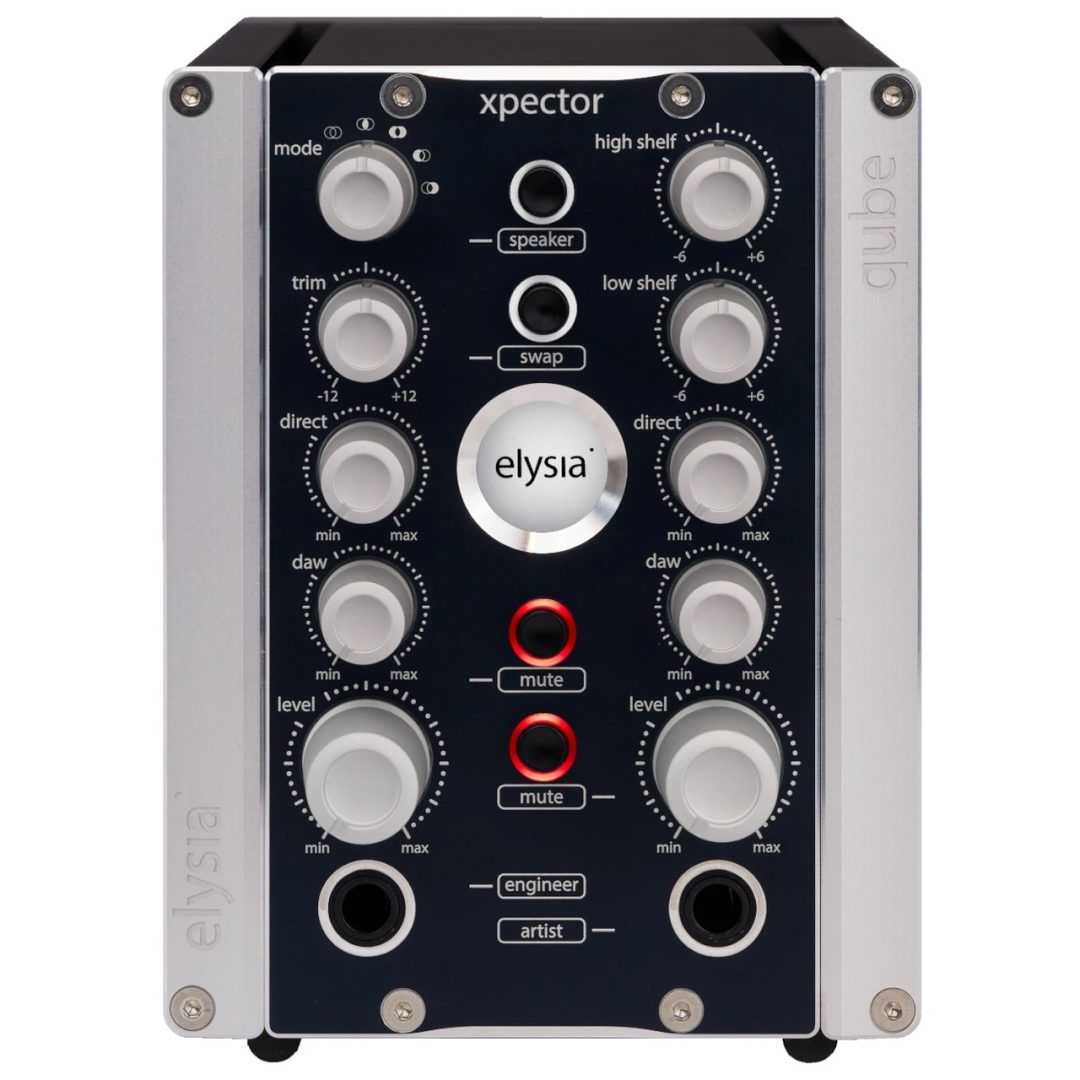
The Elysia Xpector is the ultimate dual headphone amplifier designed for artists and producers who demand precision monitoring. Featuring two independent outputs for seamless collaboration, it delivers crystal-clear audio with exceptional accuracy, making it ideal for mixing and recording. Customisable EQ settings allow users to tailor sound to individual preferences, while its premium build ensures durability and reliable performance. With an intuitive interface for effortless control of mixes, volume, EQ, and monitoring modes, the Xpector streamlines creativity and enhances workflow. More than just an amplifier, it’s an essential tool for achieving perfect sound clarity and bringing audio projects to life with unmatched precision.
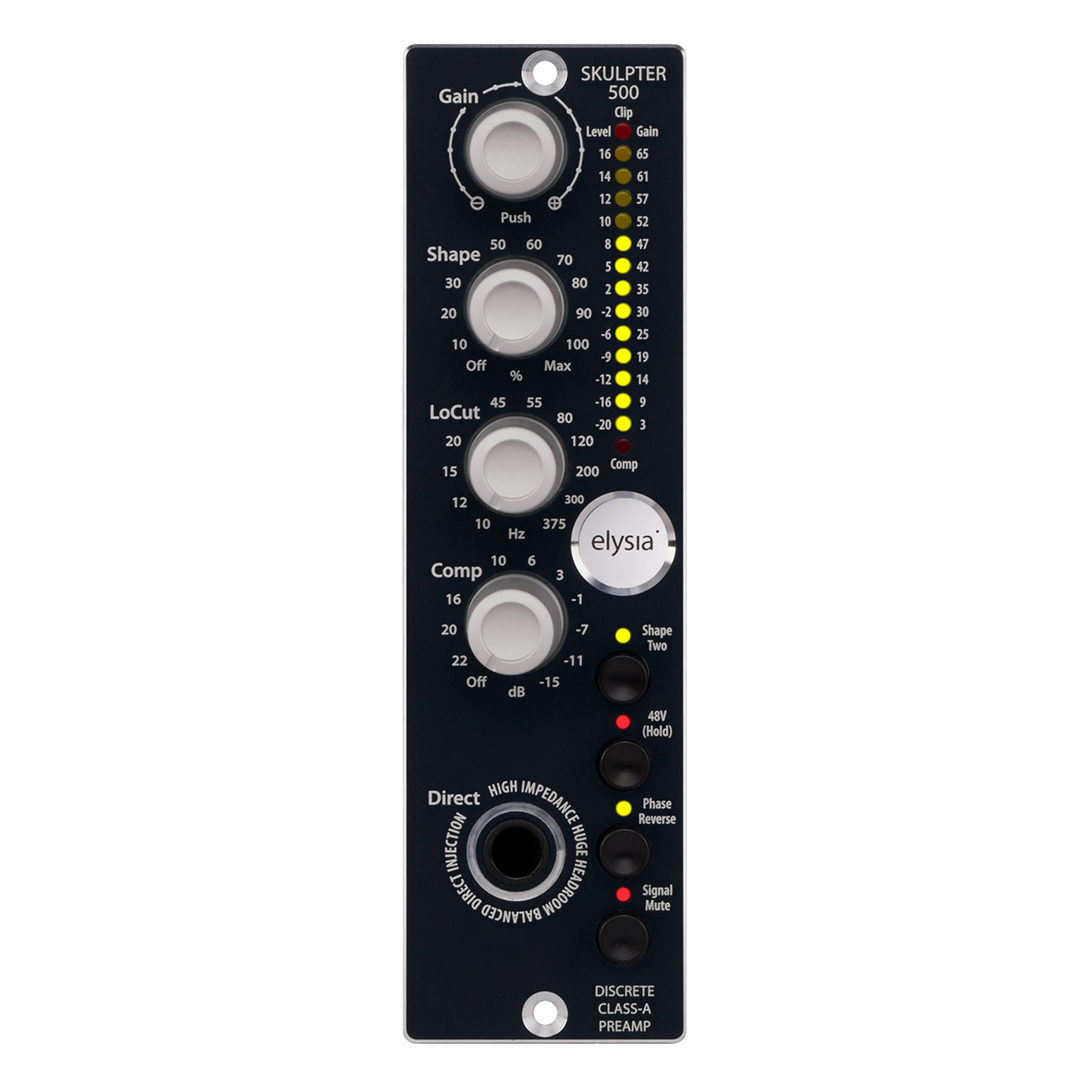
The Skulpter is an excellent Mic Pre and Compressor with incredible EQ really allowing us to shape the sound going into the DAW. Its relay-controlled amplifier stages ensure precision, while the combined level and gain meter provides clear visual feedback. The shape function offers two distinct sound flavors for tonal flexibility, complemented by an adjustable low-cut filter for subtle cleanup. A built-in compressor with a 3:1 ratio allows for seamless compression while tracking, and the internal 48V generation supports condenser and active ribbon microphones. Additionally, the balanced DI instrument input, paired with a DC-coupled input, captures every detail of your signal with pristine clarity.
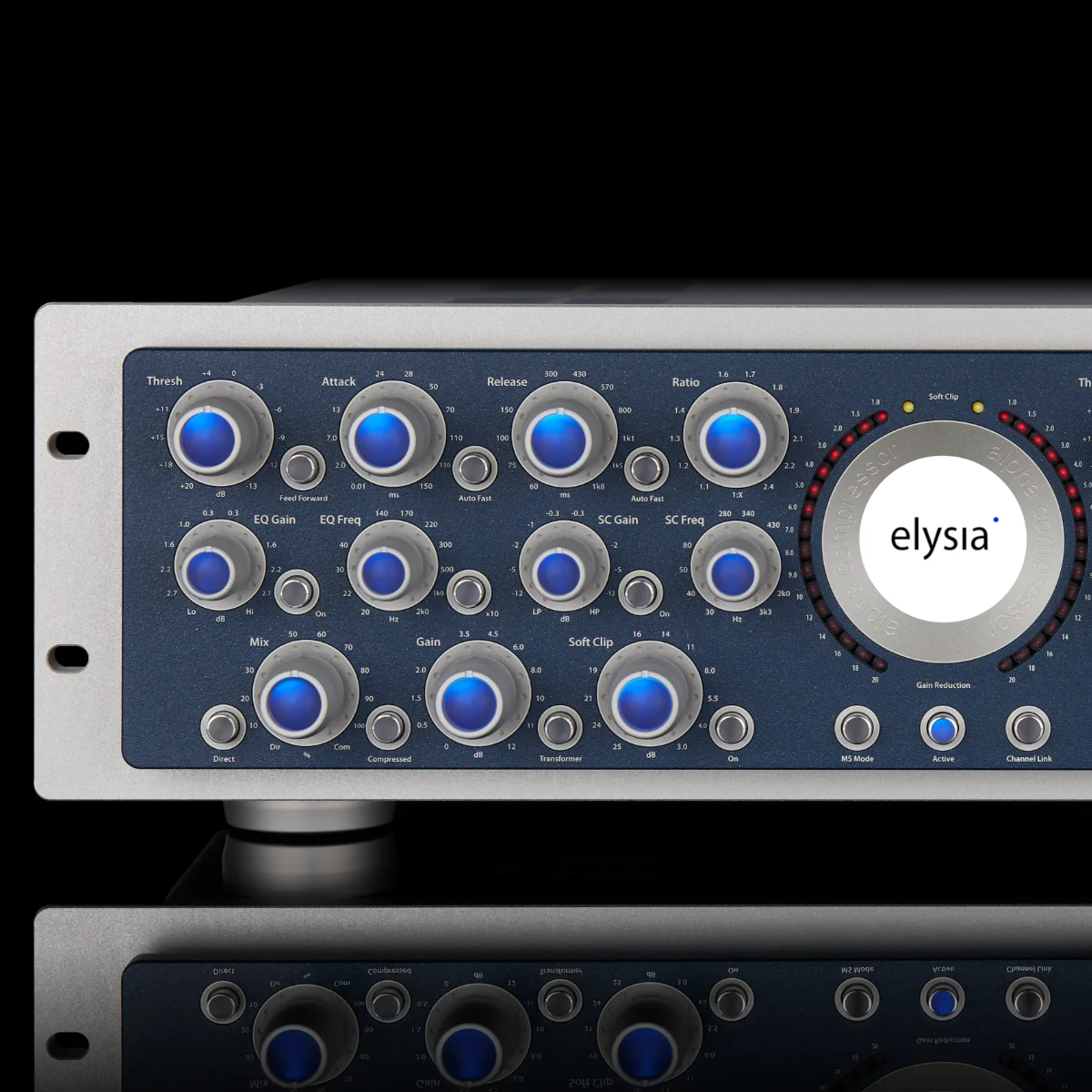
The Alpha Compressor is Elysia’s flagship mastering-grade dynamics processor. Housed in a custom 19-inch enclosure, it combines sophisticated features with intuitive controls. Its feed-forward and feedback modes offer distinct compression styles, while its tilt EQ filter and Soft Clip limiter provide unmatched precision for sculpting dynamics and tone. The Alpha Compressor is a go-to tool for mastering engineers seeking unparalleled versatility and transparency.
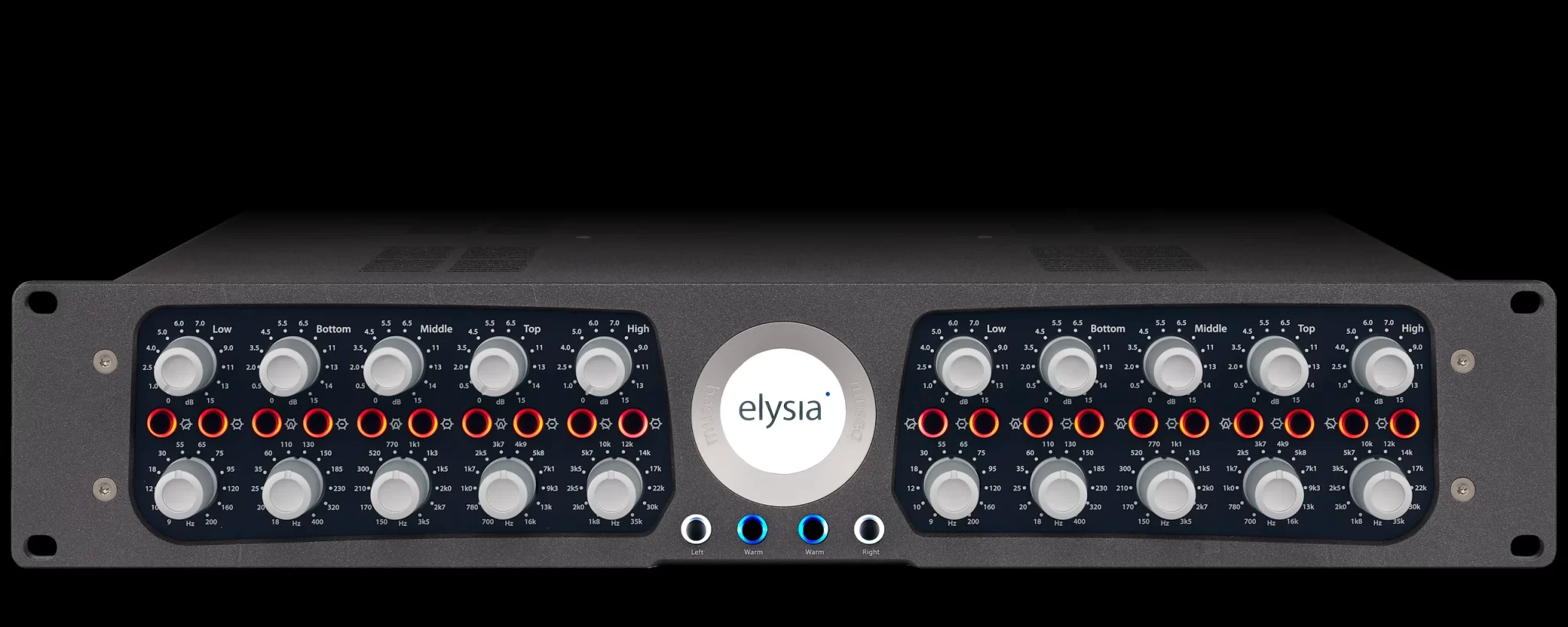
The Museq is a Class-A, 5-band stereo equaliser designed for mixing and mastering. It offers harmonic bandpass filters, switchable Q characteristics, and variable resonance for precise tonal adjustments. Its Warm Mode adds subtle harmonic richness, while stepped potentiometers ensure repeatable and reliable settings. Museq’s transparent yet musical sound makes it a standout in any mastering chain.
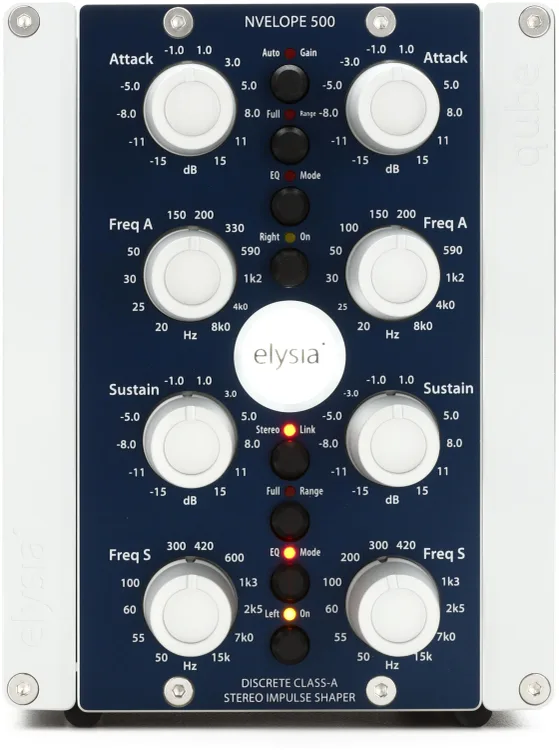
Developed by the designer of the original SPL Transient Designer, the Nvelope is a state-of-the-art transient shaping tool. It features three operational modes—Full Range, Dual Band, and Shelf EQ—allowing precise control over the punch and sustain of audio signals. Available in both rack and 500-series formats, the Nvelope excels in shaping drums, acoustic instruments, and more, offering unparalleled flexibility for recording, mixing, and mastering.
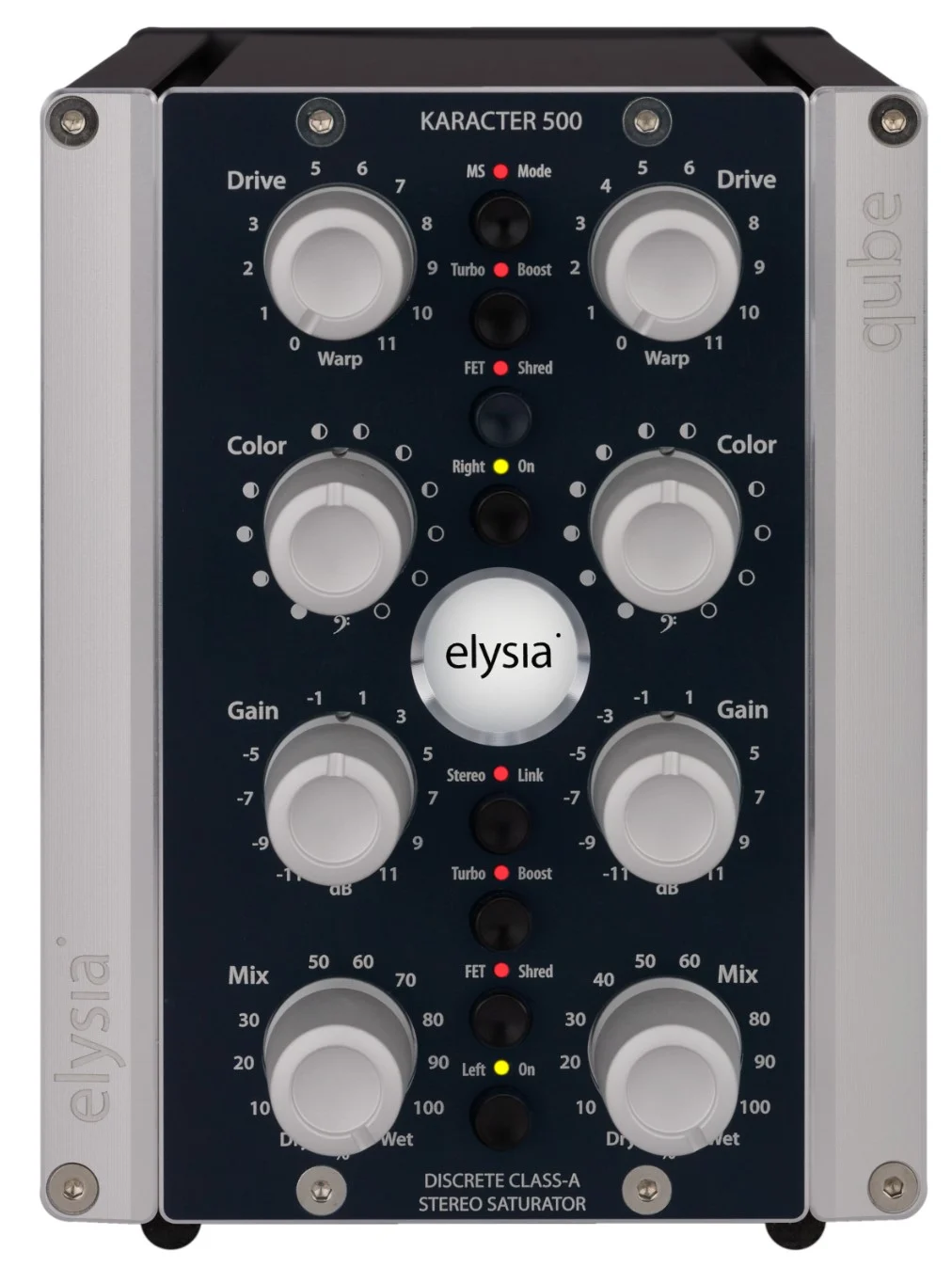
The Karacter is a versatile Class-A stereo saturator capable of producing everything from subtle harmonic warmth to aggressive distortion. Features like FET Shred mode, M/S processing, and a parallel mix control make it an indispensable tool for adding character and texture to mixes. Whether used for individual tracks or entire mixes, Karacter’s unique design offers precision and creative freedom.