When Stephen Street first heard the demo of Linger, he instantly recognised what so many of us now hold as obvious. Dolores O’Riordan’s voice was special, delicate and devastating at the same time, and this song had the emotional architecture to become something truly defining for the young Limerick band. What it needed wasn’t reinvention, it was clarity. And clarity, both musical and emotional, is exactly what Street brought to the table.

The original demo – still under their early name, The Cranberry Saw Us – already contained the core of the song. In 1990 the band had given Dolores a cassette of the instrumental, she took it home, returned a week later with the full lyric, the melody and a performance that made the rest of the band say, “Oh my God, she’s great.” What none of them could have imagined at the time was that this little song of regret, inspired by her first serious kiss and an early heartbreak with a 17-year-old soldier, would become the track that carried them from Limerick rehearsal rooms to MTV heavy rotation around the world.
By the time the demo reached Stephen Street, Linger had already made its way through a couple of versions. The demo the band sent him opened with an electric guitar drenched in flanger and chorus, creating a pitch-wobbling shimmer. “You can hear the effects make the notes sound out of tune,” as the transcript notes. The band were chasing something mystical and otherworldly with that intro, however Street heard something else. The wobbling pitch was pulling attention away from Dolores, away from the lyric, away from the intimacy that made the song what it was.

And that is the essence of Stephen Street’s brilliance. He doesn’t bulldoze arrangements, he reveals them. He heard the emotional truth buried inside Linger and made one simple, decisive change. “Street liked the demo’s arrangement overall, but after hearing the demo’s wobbling guitar opening, they switched to an acoustic guitar. The new sound maintained the mystical effect, but without the fluctuations in pitch.”
That choice opened the whole song up. The acoustic guitar created space. It introduced Linger gently, letting Dolores enter with complete vulnerability. It also made room for the now-signature string arrangement, that gorgeous, distant swell that feels like it’s drifting in from another room. Suddenly the song wasn’t floating in modulation, it was centred, grounded, intimate. And most importantly, it allowed Dolores’s performance to sit exactly where it belonged, at the emotional front.
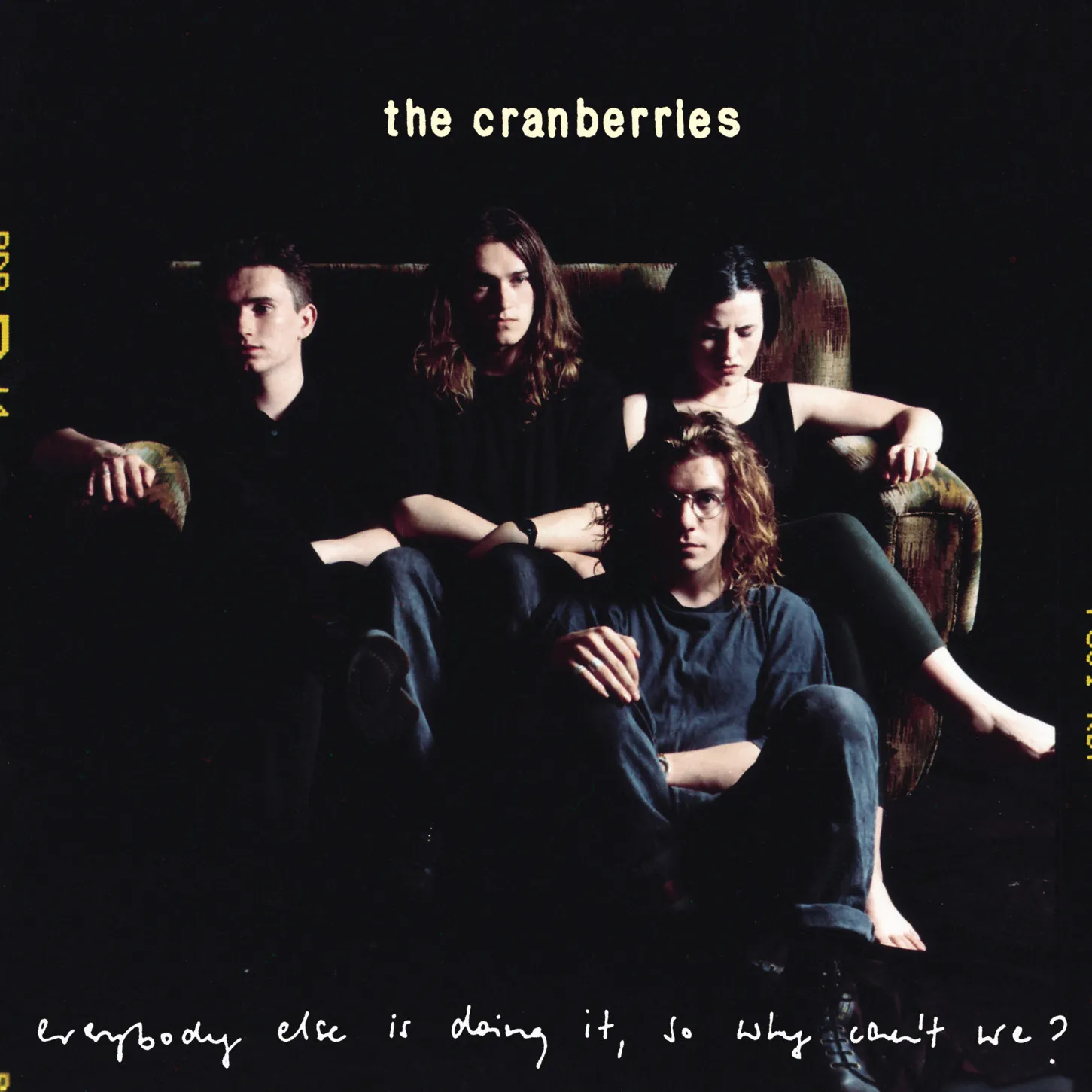
Released on 15 February 1993 as the second single from Everybody Else Is Doing It, So Why Can’t We?, and then re-released in early 1994, Linger didn’t just chart. It became their first major hit. Number three in Ireland. Number eight in the United States. Number fourteen in the UK. Triple J listeners in Australia voted it #3 on the Hottest 100 of 1993. MTV picked up the Melodie McDaniel video and ran it constantly. And across hotel lobbies, diners and radios, Dolores kept hearing herself and saying, “Jesus, man, here I am again.”
The band never expected that level of success. They saw Linger as a tender, almost shy piece of music. Noel Hogan has since said that it’s only after Dolores’s passing that he truly grasped how extraordinary those early songs were, especially when you remember just how young she was. For years they simply played them because they were part of the set. Only later did he feel the weight of what they had created.
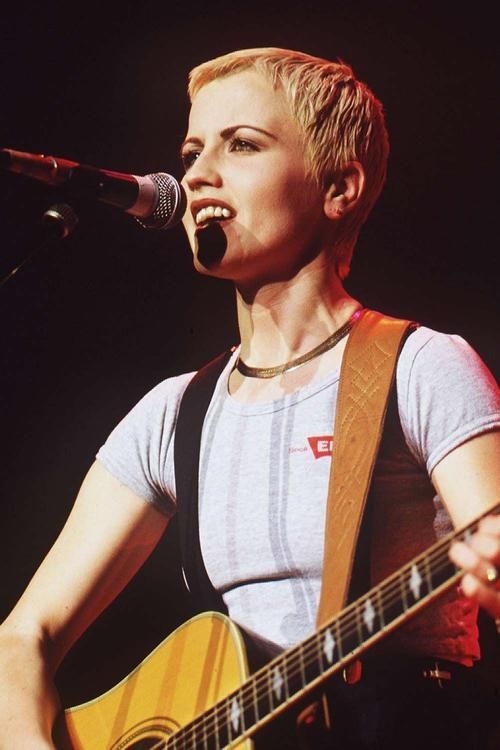
Critics adored it too. AllMusic called it “a song of regret, epic in scope and sweeping”. Melody Maker described Dolores’s vocal as “fragile” and “unsullied”, while Music Week praised its “haunting, delicate quality”. And over time Linger became one of the most beloved songs of the nineties, ranked on VH1’s 100 Greatest Songs of the ’90s and earning platinum certifications across the globe.
But behind all of that–behind the charts, the MTV rotations, the life-changing success–is a simple production moment in a studio. A producer listened. He heard the soul of the song. And he replaced a modulating electric intro with an acoustic guitar that gave Dolores O’Riordan room to be herself.
Stephen Street didn’t just produce Linger. He helped define the sound of The Cranberries. He helped frame the vulnerability and truth that made millions of people stop and listen. And more than thirty years later, that moment still lingers.