




Latest News

Why Personal Branding Is the Smartest Investment You Can Make
“I don’t want our marketing to depend on me and my personal brand.” I used to say the same thing. And if I’m honest, I was afraid. Afraid of looking like I…

Mixing Heavy Guitars Tutorial & NEW YEAR Sale!

Our BIGGEST Holiday Sale yet… is ON! Get Steep discounts on ALL products

Avid Unveils Pro Tools Sketch for Modern Music Creators and to Expand Pro Tools Workflows

JZ Microphones Announces New Mic: The BT202. Read More Here

Waves Announce Reinstatement Of Perpetual Licences And WUP

Warren Huart to be featured keynote presenter at Capital University Creative Arts Workshop

LEWITT Announced the MTP-W950 Handheld Microphone

Warren Huart’s book TELLS ALL | BMT Podcast Ep. 09

IT’S HERE: The Ultimate Guide to Home Studio Recording

The MOTOR Synth MKII by Gamechanger Audio is out now and available in limited quantity!

EastWest Releases String Machine

AWARD-WINNING ‘SERIES BLACK’ FAMILY OF LAUTEN AUDIO MICROPHONES EXPERIENCE UPGRADES

JZ Microphones Celebrates 15 Years of Innovation. Black Hole Series Continues Impressing Experts
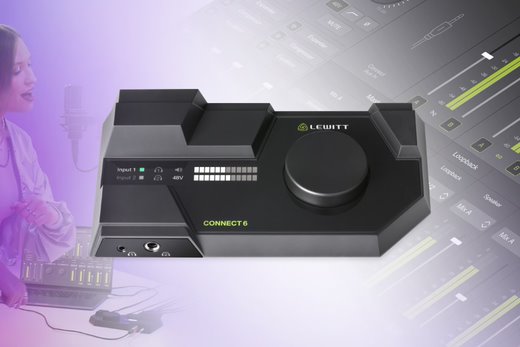
LEWITT announces DSP-powered Dual USB-C audio interface.

Music-Tech Alumni Launch Highnote, a Collaboration Platform for Audio Creators

Audiotonix Gets Even More Creative with Slate Digital Acquisition

Finishing Move to give Keynote Speech at GameSoundCon 2022

Universal Audio’s Native Plug‑In Subscription Now Available for Both Windows and Mac Creators

Austrian Audio on the road with Bon Jovi

I Covered The Beatles’ Ticket to Ride With The NEW Volt 476P + Multitracks and Giveaway!

Waves StudioRack Is Now FREE And Accepts Third-Party VST3 Plugins

Audient’s Upgraded ASP4816-HE & New Look ASP4816-SE Now Shipping

McDSP Make Significant Improvements in v7.1

PSPaudioware Announces Multichannel Mixing Solution Series, PSP auralSeries

The Rolling Stones traveling Europe on their Tour SIXTY. With Mics Made in Austria.

Austrian Audio on Tour this Summer with Desmond Child rocking the Parthenon in Greece

A Game-Changing Microphone On The Horizon: LEWITT Announces MTP W950

Kali Audio Announces “Atmos Brunch” Event in Los Angeles, June 5

The 8 Best Guitar Strap Locks to Protect Your Axe
Guitar drops are an unfortunate mishap, often the result of a twisted strap or an otherwise insecure connection to the existing strap buttons. One accessory prevents disaster altogether, so you can protect your investment from potential incidents. The best guitar…

Inside Abbey Road: Behind The Mastering Console with Sean Magee
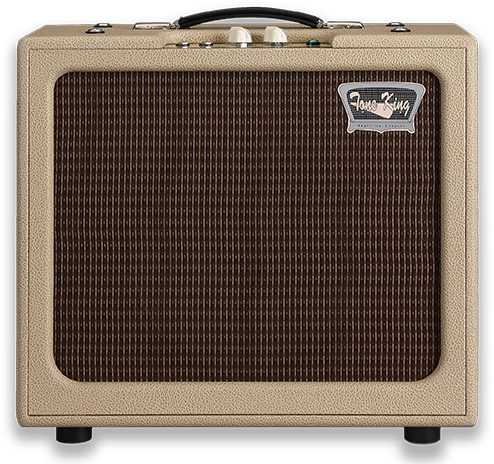
Tone King Gremlin Review: Is This Stylish Combo Worth the Price?
The Tone King Gremlin is a compact yet robust tube combo amp that offers old-school tones in a convenient and manageable package. Nothing sings as sweetly as a boutique tube amplifier. How does the Tone King Gremlin hold up in…

Rate My Mix Winners ANNOUNCED – Lianne Kaye – Glow | Rate My Mix Contest

Vox AC15C1 Review: Level Up Your Home Practice Amp
Vox is a renowned British manufacturer of musical equipment, including guitars, drums, keyboards, and most highly regarded of all, amplifiers. Founded by Thomas Walter Jennings in the late 1950s, Vox quickly became an iconic name in the world of music…

5 Quick Automation Tips To Improve Your Mixes | Sara Carter
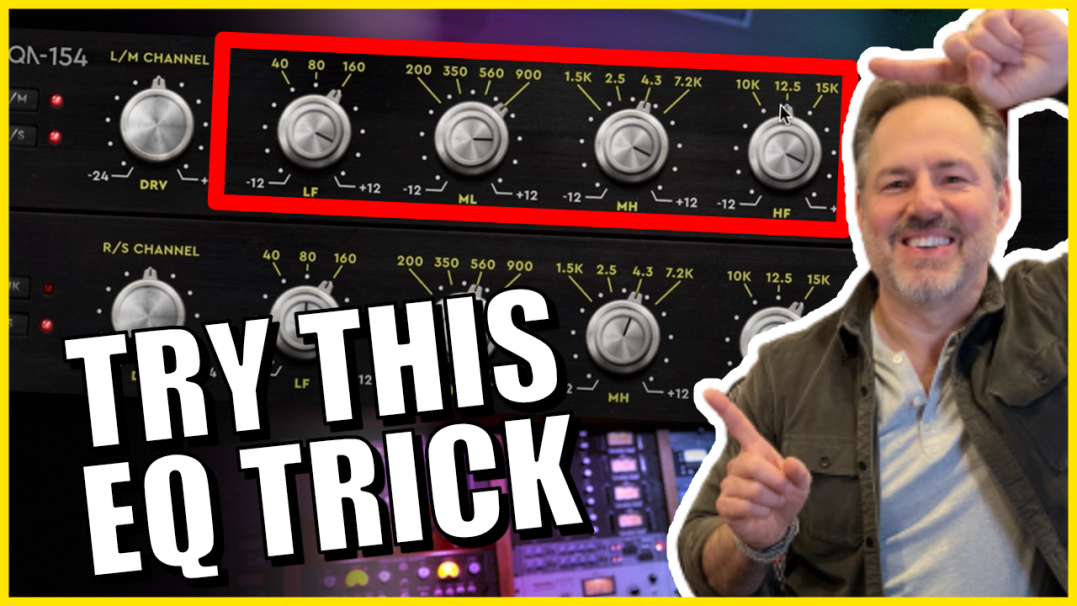
Bring Boring Guitars to LIFE with The “All Boost” EQ Trick From Joe Carrell

How to Use Auto-Tune for Vocal Tuning
The really interesting thing about Antares Auto-Tune is that just about everyone has an idea of what it is. For engineers, it’s a very useful tool and effect; but the fact that it’s recognized by almost everybody, beyond studio pros,…

Fender Champion 40 Review: An All-Around Powerful Practice Amp
In the realm of musical amplification, Fender has held an unwavering reputation for shaping the sounds of generations. From revered vintage models to modern innovations, Fender’s amplifiers have continuously evolved to meet the diverse demands of musicians across genres. In…

Andrew Huang Designed A Plugin? | Transit by Baby Audio Review

Fender Rumble 100 Review: A Versatile & Reliable Bass Amp
With a legacy spanning decades, Fender has consistently pushed the boundaries of innovation while retaining the timeless essence that musicians have come to rely on. Enter the Fender Rumble 100 Bass Amp — a formidable addition to the esteemed Rumble…

Don’t Let Me Down by The Beatles (Cover) | Aspen Pittman 1B-FET Microphone Review

Mackie Thump 15A Review: Are These Affordable Speakers Worth It?
Mackie is a well-known brand in the professional audio and music industry, specializing in the design and manufacturing of audio equipment. The company was founded in Washington in 1988 by Greg Mackie, who aimed to create high-quality audio products that…
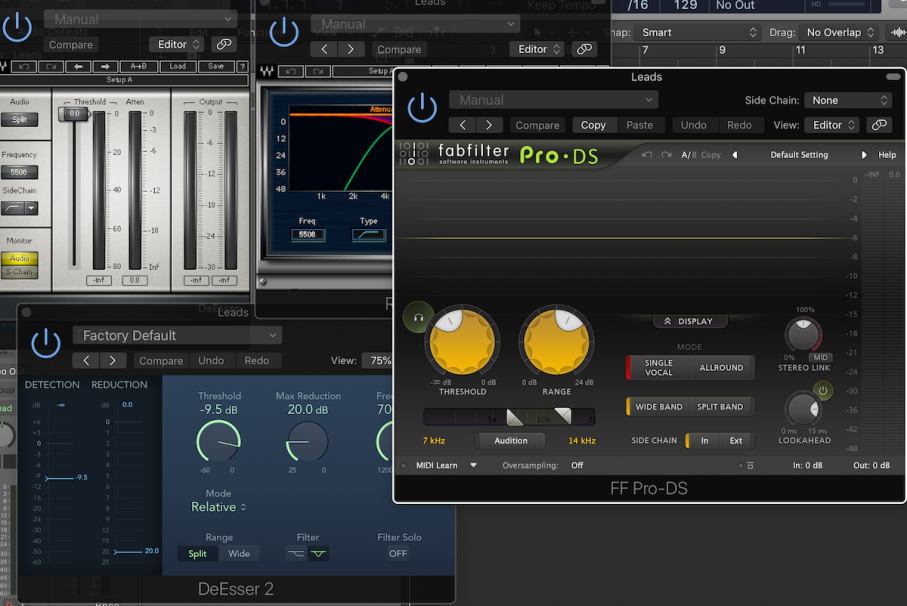
How To De-Ess Vocals | Settings for a Pro Mix
Sibilance is what we call the hissing noise made by ‘ess’ and ‘shh’ sounds in the voice. We don’t notice it in conversation, but it can get really harsh on a recorded vocal. A de-esser can take care of excess…